The Best Photography Spots in Berlin
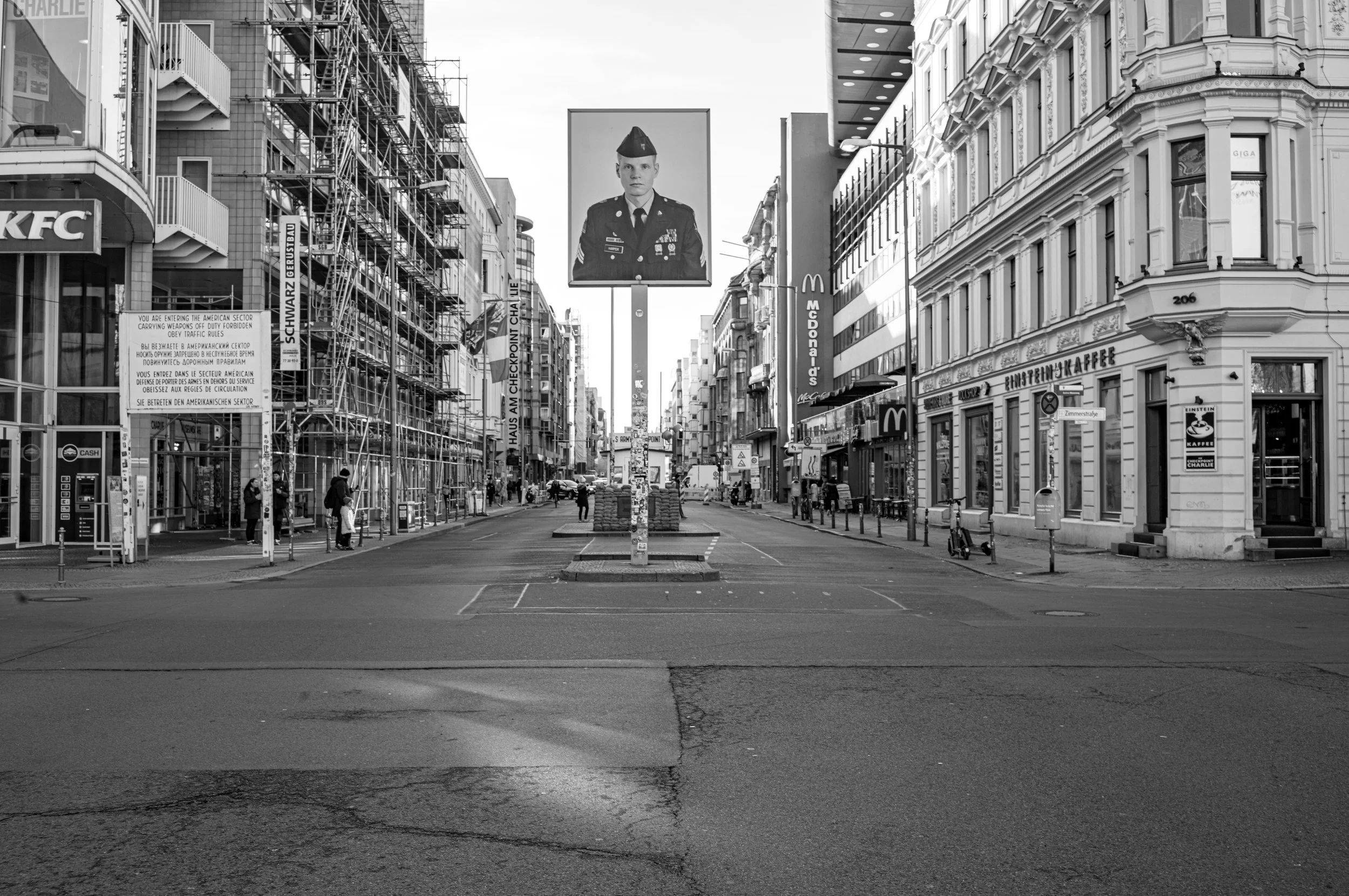
Check Point Charlie
A Long Weekend in Berlin: Best Travel & Photography Spots
More Than Just Currywurst and Cool Architecture
Berlin is a city where history and modernity collide, blending the past with the present. For me, the trip had two simple goals: eat a currywurst and photograph some stunning architecture. Well, that’s only half true. The reality is, I’m a total history nerd (not an expert) —especially when it comes to World War II, the Cold War, or, if I’m being honest, conflict in general. So, choosing Berlin was always going to be a win.
I packed my Leica M11 and M6 for this trip, with some Delta 3200 to load into the M6 in the hope that the images would have some deep grain, look contrasty, as well as being sharp.
Quick Overview of The Trip
Day One: Landed, train trip and apartment check in.
Day Two: Berlin Wall and the Topography of Terror, Checkpoint Charlie, The Federal Chancellery (Bundeskanzleramt), Kunst im Bundestag, Brandenburg Gate, Altes Museum, Berlin TV Tower, Haus Schwarzenberg, Memorial to the Murdered Jews of Europe and Potsdamer Platz.
Day Three: Checked out, jumped on Berlin city sightseeing bus doing the East and West tour stopping at the Berlin Wall Memorial, East Side Gallery, DDR Museum, Berlin Cathedral (Berliner Dom). Train trip and flew home.
Would I go back: Yes and I can’t wait to go back!
Overall Experience: ⭐⭐⭐⭐
Flying into Berlin: Faster Than Expected
The flight from Birmingham was supposed to take 2 hours and 30 minutes but landed in just 1 hour and 50 minutes—which was great for me!
Arriving in Germany, border control took a while due to long non-EU lines, but once through, it was a quick right turn to the train station for an express ride to the city centre. Buying a ticket is easy: select your language once at the machine, pick your destination, pay, and its in your hand. Just remember to validate it before boarding by stamping the date and time.
The U-Bahn, Berlin’s underground system, follows the same ticket validation system and is as simple to use as the Paris Metro or London Tube. If you're unsure where you need to go, Citymapper is a handy app to navigate public transport.
Ticket prices vary by zone: Single tickets cost €3.80–€4.70, short trips (three stops) are €2.60, and 24-hour tickets range from €10.60–€12.30.
Where to Stay: Numa Stays
This trip saw me stay at a Numa Stays serviced apartment via Airbnb and for a two-night stay cost £177.77 at Numa Potsdamer Platz.
It was clean, spacious, quiet, and well-located, with great communication from the company check in was very easy. This has been the best accommodation I've stayed in during my monthly travel challenge so far. So will be looking to use Numa Stays again as it has locations in cities like Amsterdam, Barcelona, and Prague.
Bonus with this stay and somewhere I can highly recommend is Linh Linh Vietnamese Restaurant on Stresemannstraße 105, 10963 Berlin, It's just a stone's throw from the apartment. The RAU XAO GA RANA (mildly spicy) with fresh vegetables in oyster sauce, ginger, and coriander, served with crispy chicken breast on rice, is the best I've ever had.
Be sure to try the Vietnamese filter coffee with condensed milk too! I can’t wait to go back, and the prices are very reasonable. Don’t miss it!
Photographer’s Dream: Some of The Best Views in Berlin
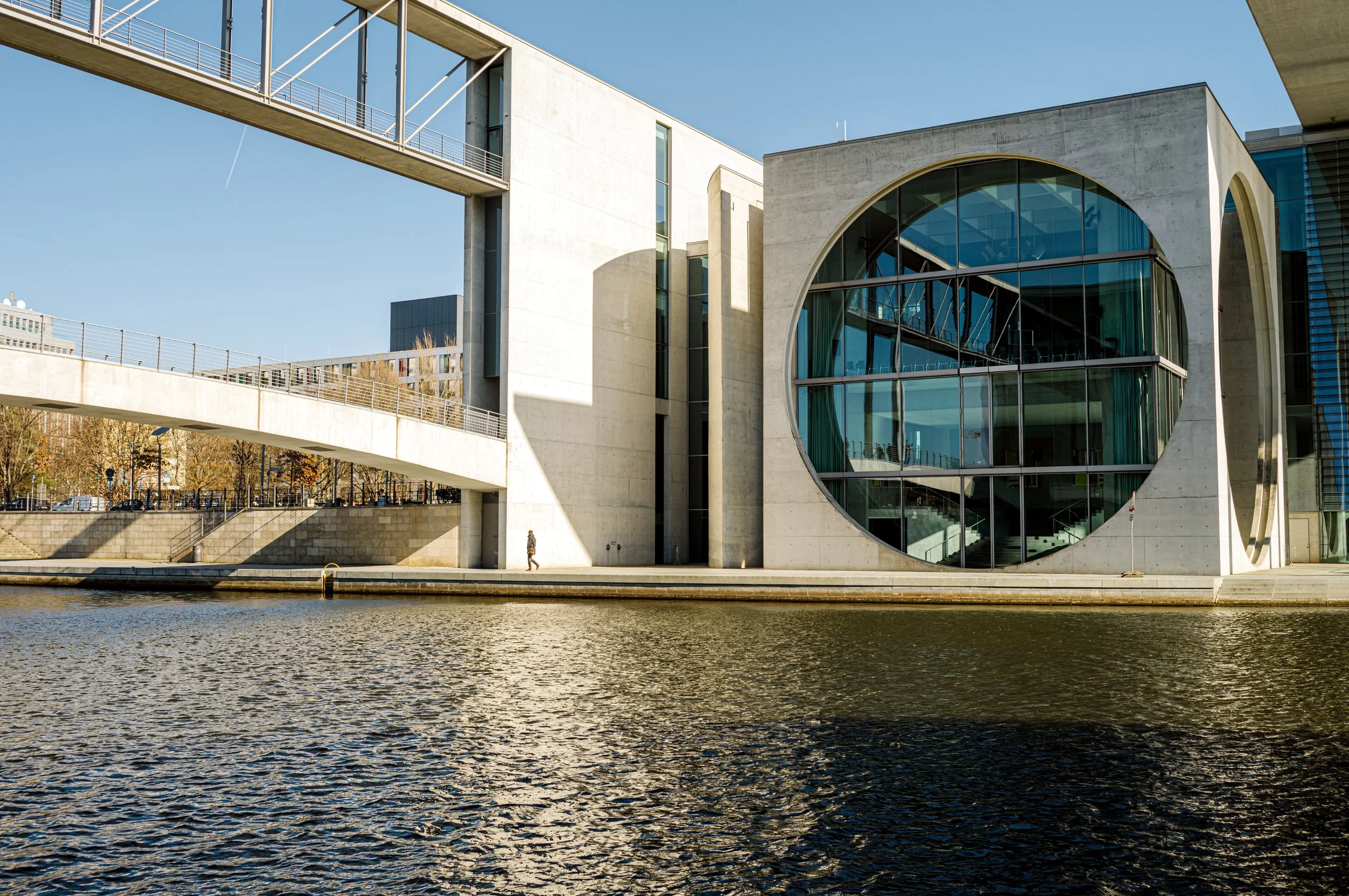
Marie-Elisabeth-Luders-Haus Building
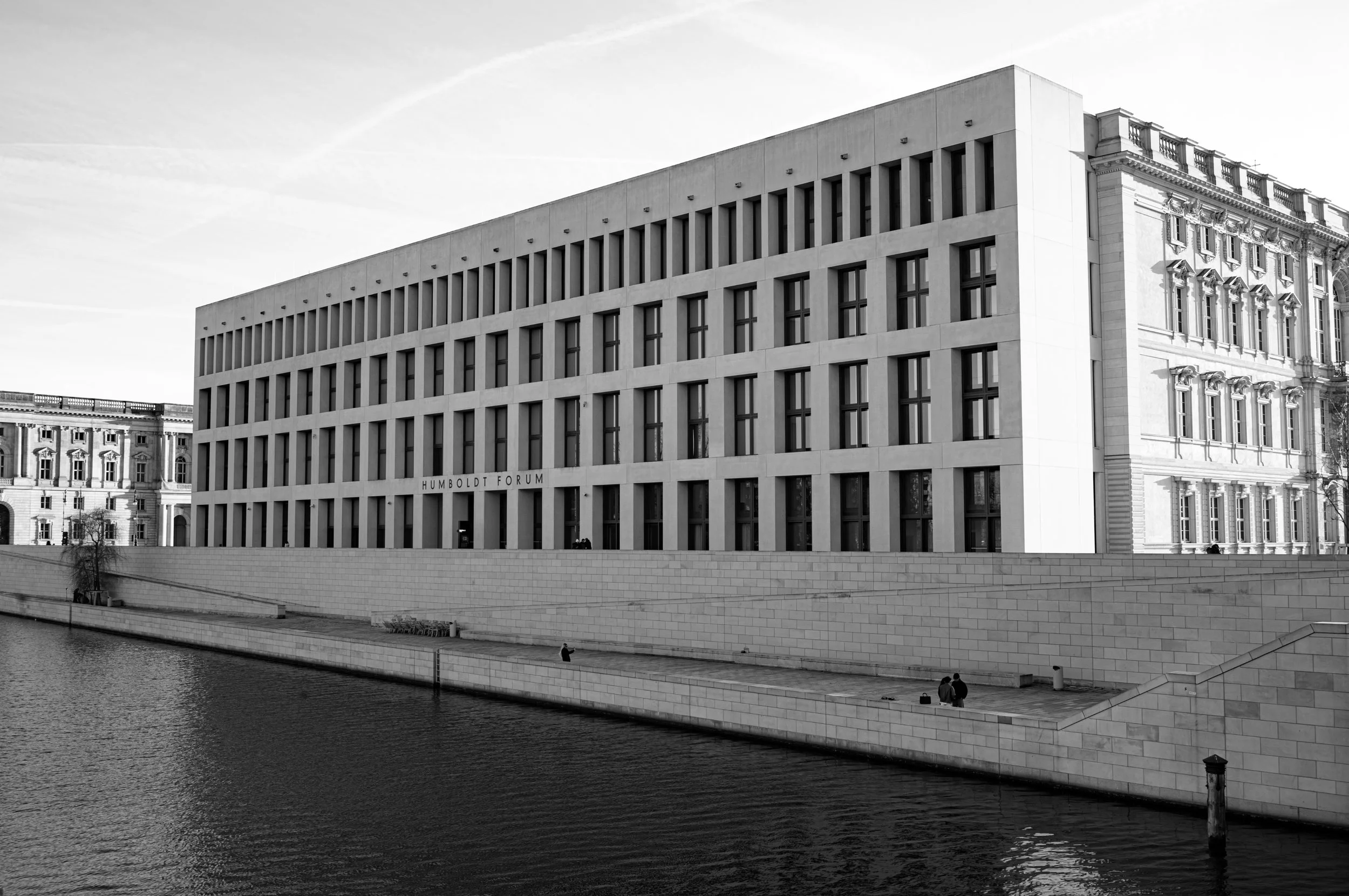
Humboldt Forum
Berlin’s modern architecture is vast, so is a great place for architecture lovers, and I had a few spots on my list to photograph. One that was top of my list was the Marie-Elisabeth-Lüders-Haus, a striking structure in the government district. Named after women’s rights advocate Marie Elisabeth Lüders, it’s part of the Band des Bundes, symbolising German reunification. The image above which I’m pleased with, was hindered through construction work to the right hand side of the picture limiting my framing.
I also planned to photograph the James Simon Gallery, but got distracted by the shadows from the canopy on the street—and walked right past it forgetting to stop. The Neue Nationalgalerie, near Potsdamer Platz, is also a great spot for a photo and a must for contemporary art lovers, as is the Jewish Museum, which is a stunning building.
Berlin’s neoclassical architecture is also just as magnificent as its modern structures and tells a story of grandeur, destruction, and resilience, Which is pretty incredible based on the fact that Berlin was practically levelled during World War II.
Once symbols of imperial power, landmarks like the Altes Museum and Brandenburg Gate (see below) still stand, the Berlin Cathedral which is in the top left image, saw construction begin in 1894, but the Cathedral suffered heavy damage during World War II. Following Germany's division, it found itself in East Berlin, where repairs didn’t begin until 1975 with the full restoration of the Cathedral being completed in 1993.
Whilst in the post-war years, modernist designs emerged alongside these classical icons, creating a city where history and innovation exist side by side. Berlin’s skyline isn’t just architecture—it’s a reflection of its remarkable journey through time.
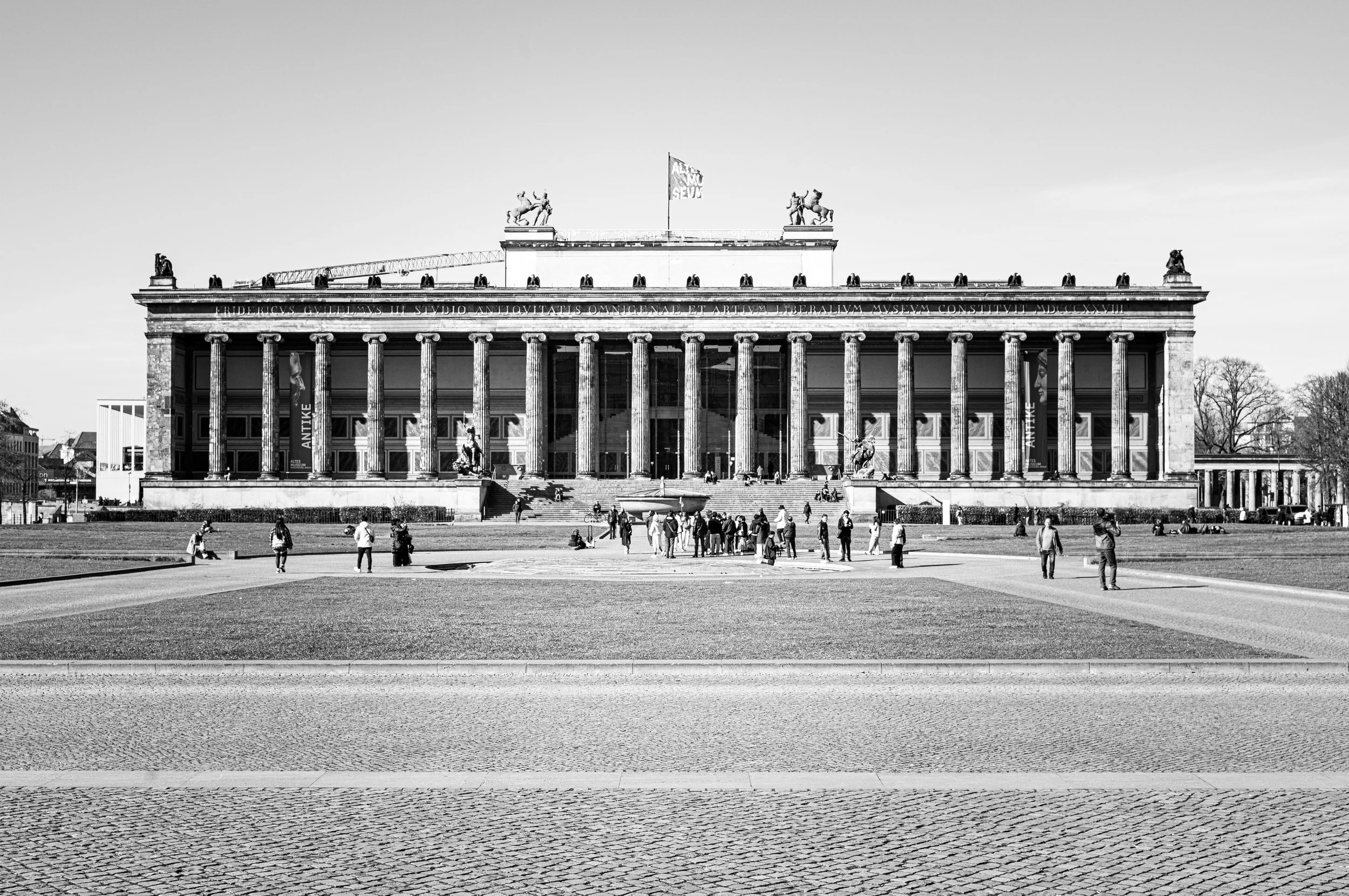
Altes Museum
Berlin Cathedral
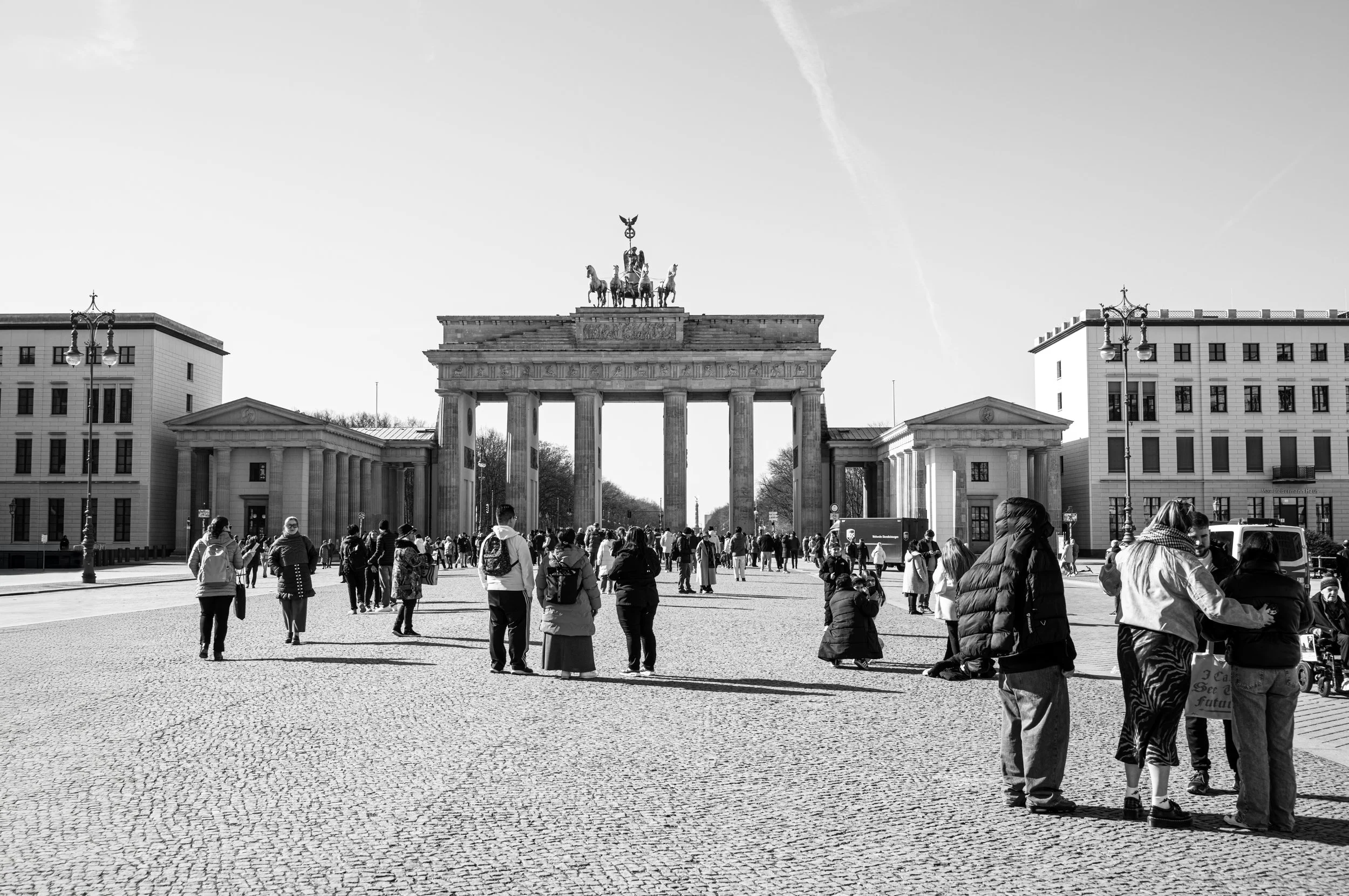
The Brandenburg Gate
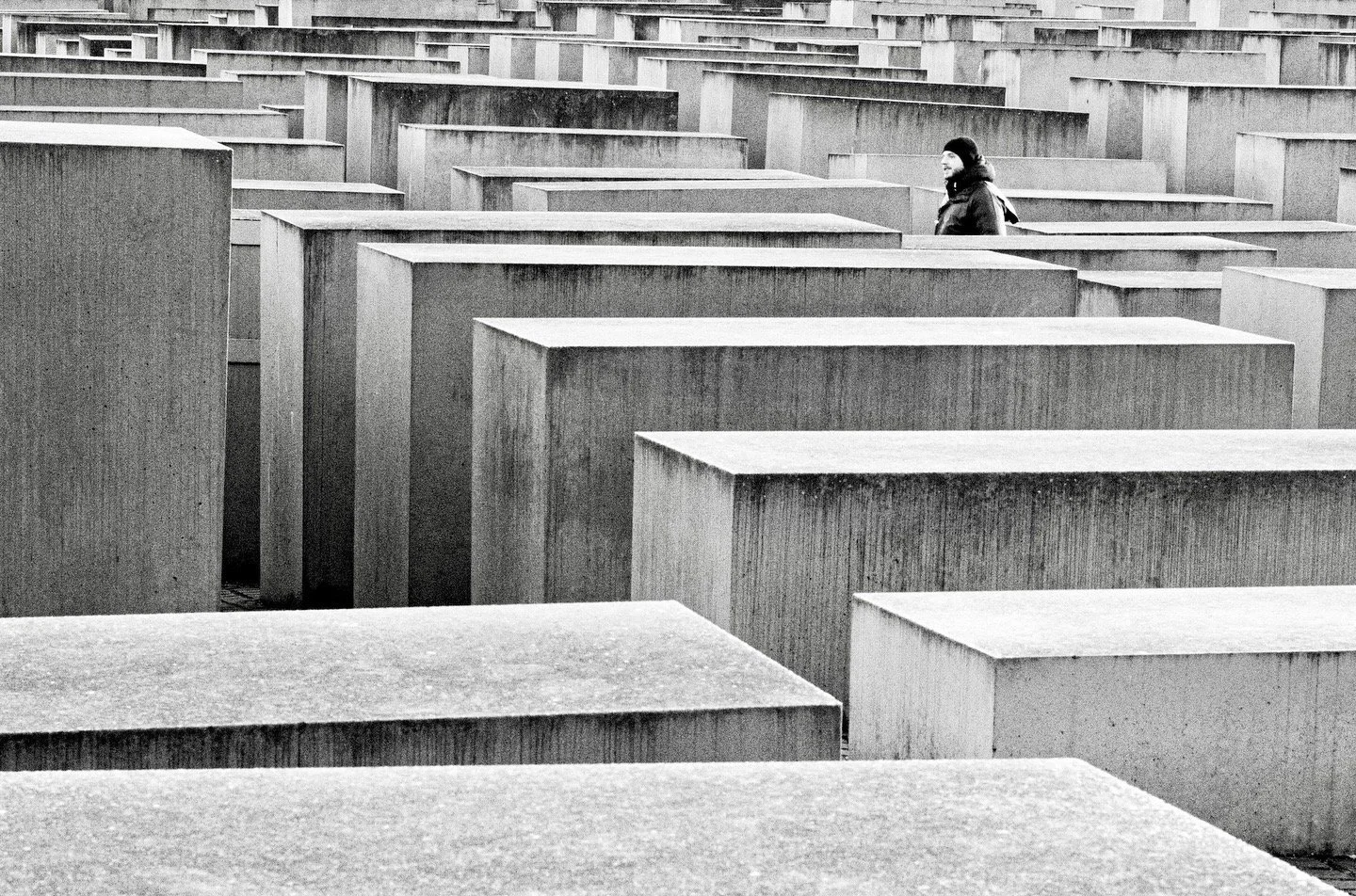
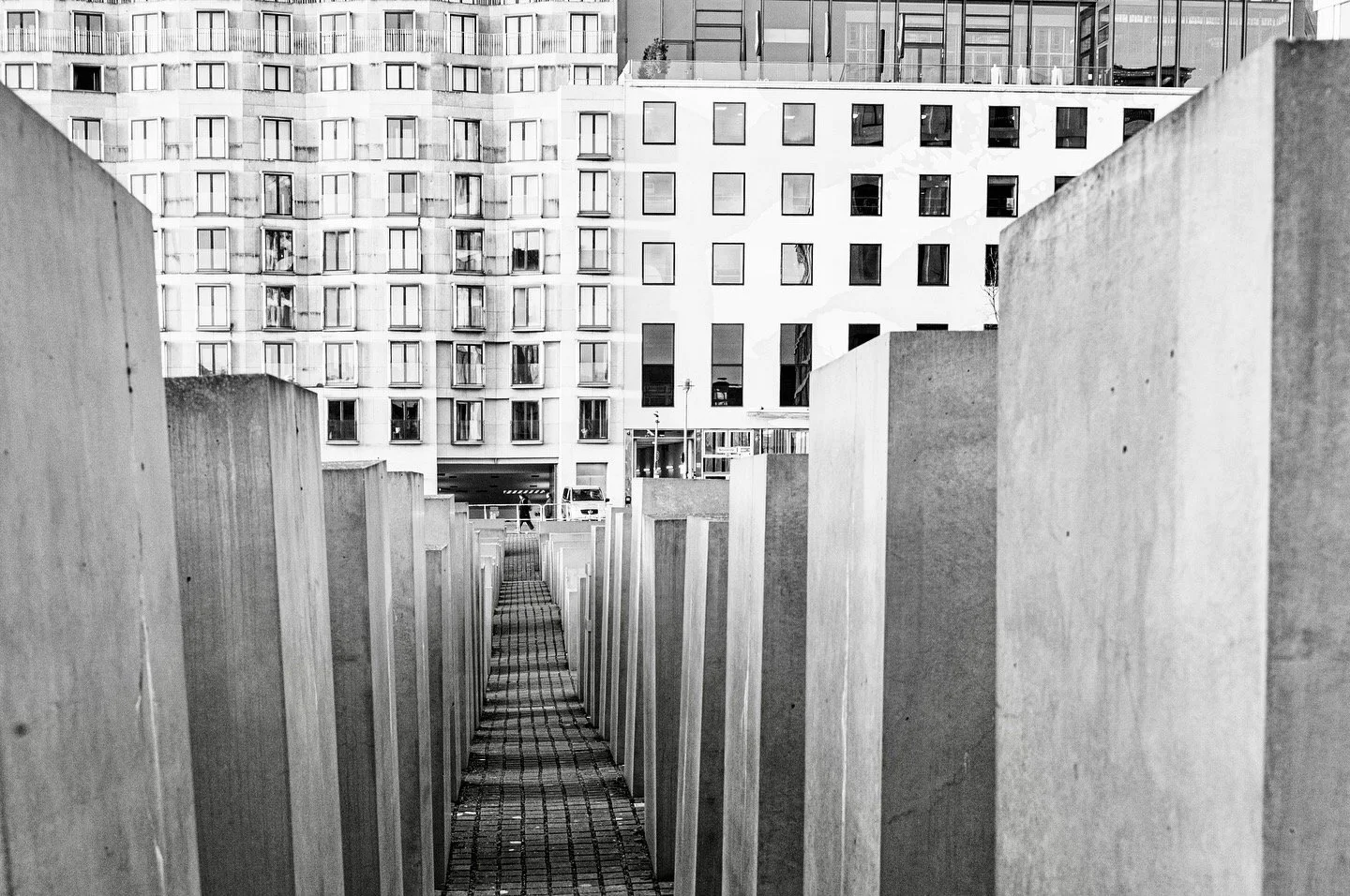
The Memorial to the Murdered Jews of Europe also known as the Holocaust Memorial
Stepping between the towering concrete slabs of the Memorial to the Murdered Jews of Europe, was difficult thinking about the history but also that the uneven ground created an unsettling feeling, I actually found taking photos here really difficult.
The memorial covers a surprisingly large area, containing 2,711 concrete stelae of varying heights, designed to immerse visitors within the structure. This creates a sense of uncertainty, amplified by the slope of the site, which forms a wave-like view from different angles.
The site is actually located on the former Berlin Wall site, where the "death strip" once divided the city, the memorial also has a free-entry Information Centre beneath it. This centre honors the memory of around 3 million Jewish Holocaust victims and provides deeper insight into the Final Solution, alongside four rooms dedicated to personal Holocaust stories.
It’s also worth mentioning that In Tiergarten, you'll find a Memorial for the Murdered European Sinti and Roma, honoring those persecuted as "gypsies" during the Nazi regime. The open-air exhibition, added in 2022, shares moving biographies, resistance stories, and the fight for recognition, underscoring the genocide’s European scope.

Must-See Locations in Berlin
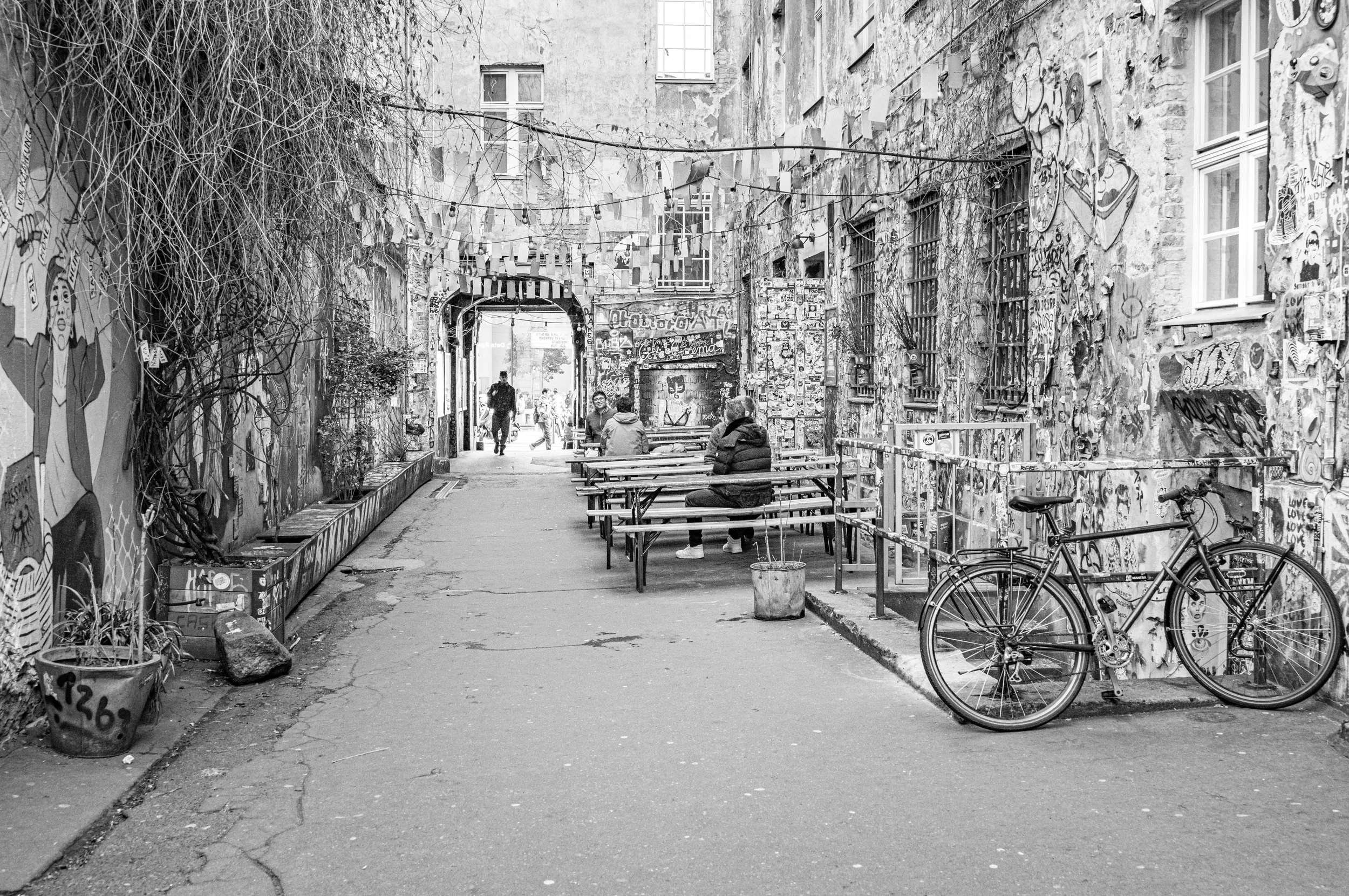
Café Cinema next to the Museum Blindenwerkstatt Otto Weidt
In my final thoughts I mention that three days is not enough to see all of Berlin and there was so much more that I wanted to do but didn’t get round to doing or seeing, so I’ve made a list of some places you can go and see and take photos of that I’ve not talked about.
Visit Berlin Cathedral tickets are 10 Euro and last one year.
Go to Museum Island there are five different museums to visit
Climb the Berlin Victory Column 4 Euros with a view worthy of photographing (big regret)
The Reichstag Building which houses the German Parliament (you need to register to visit the dome but its free)
Berlin Story Bunker which is the world's leading documentary about National Socialism and Hitler - in a bunker from World War II.
Stasimuseum which is located in the former headquarters of the East German secret police.
Very quickly before I talk about the TV Tower, the DDR Museum I would personally avoid and save your money to have some good food from a local spot!
The TV Tower is a standout photo opportunity and if you catch the sun on the stainless-steel dome its really illuminate the structure. It is visible from nearly everywhere in the city, which I think was the point by the East German government as a symbol of Communist power.
A quick 40-second elevator ride gets you to the top so you see the stunning 360-degree views of the city from its dome, but if you're looking to take a skyline shot, the small windows and frames make it impossible to. While it’s not ideal for photography, it’s still the best spot for an unforgettable view of Berlin.

Berlin TV Tower (Fernsehturm)
On the last day there I’ve treated myself to a West and East City Sight Seers tour bus ticket in order to get to the locations I wanted to visit quicker and also finish at the central train station to get the train back to the airport 27 euro (£22.67) and it worked a treat!
Even managed to get to the panoramic window at the front of the top of the bus so I was able to take some videos (see below) and hyperlapses of the journeys. Plus it better to see the sights. Top tip don’t be scared to ask people to move at the top of the bus who have bags taking up seats!
If this is something you are going to plan on doing then could be worth taking your own phono jack headphones to plug in (I know they give you some…..but) as it is worth listening to the history and information they give you as the bus passes different sites.
Brandenburg Gate Drive Round Video
The Berlin Wall
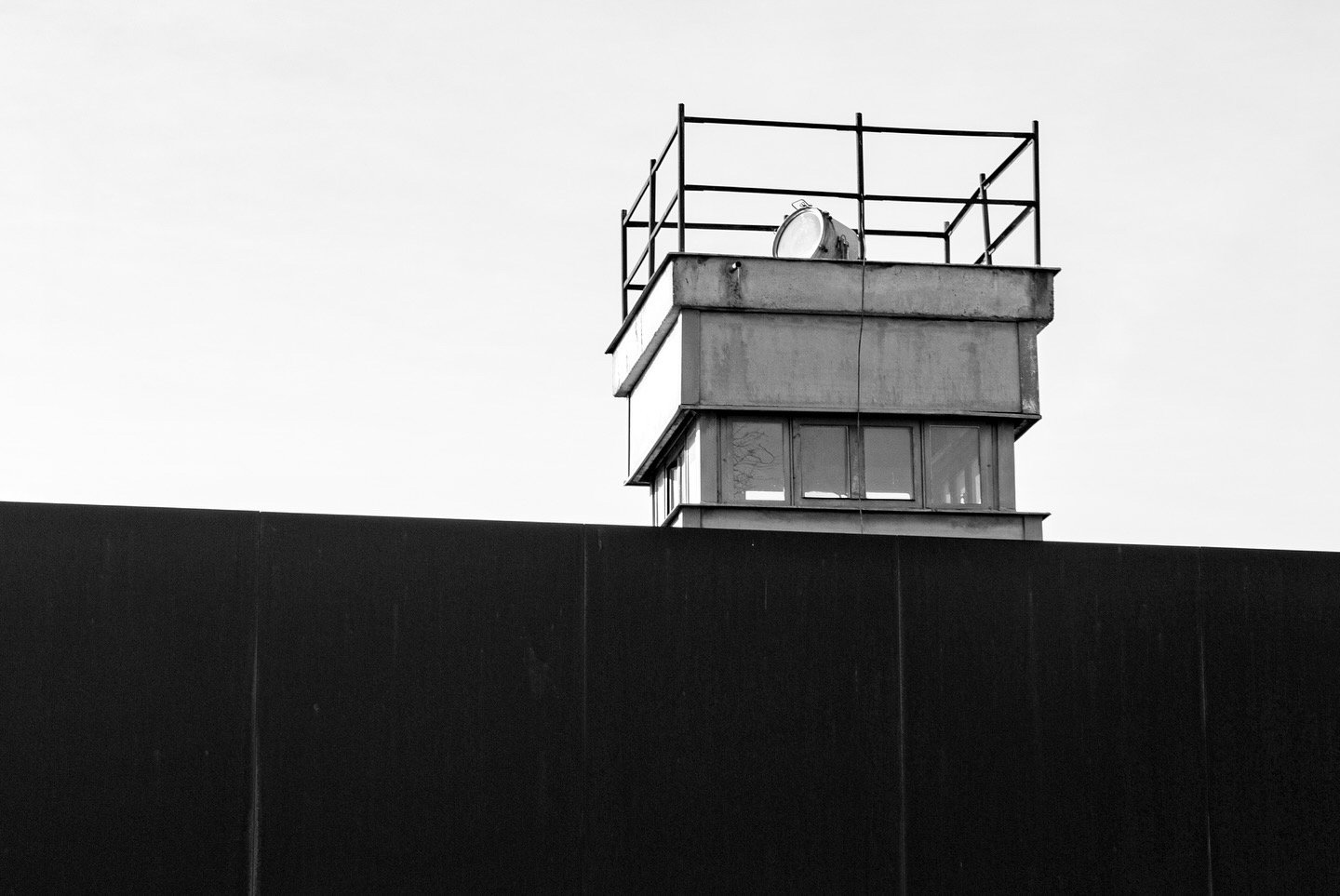
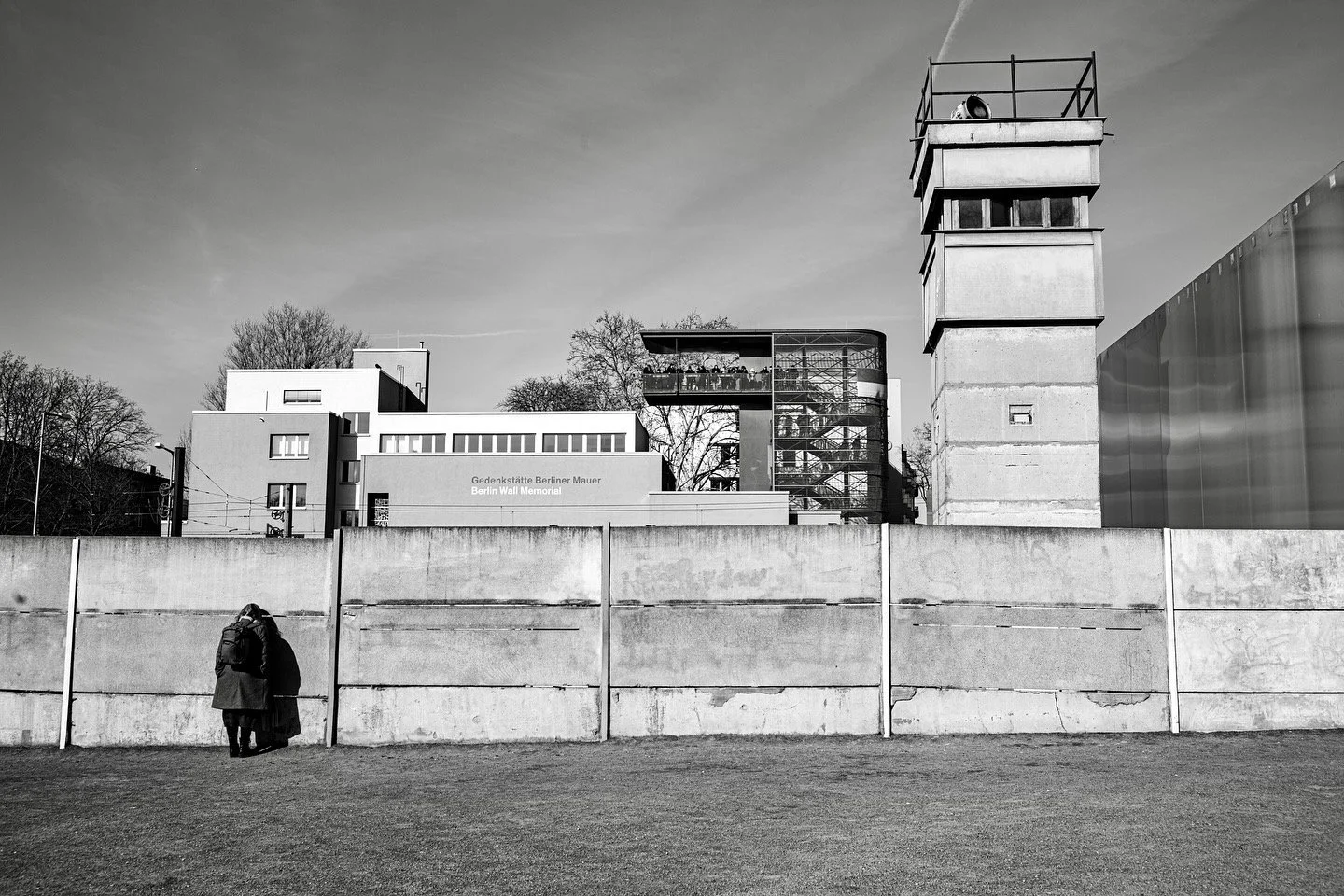
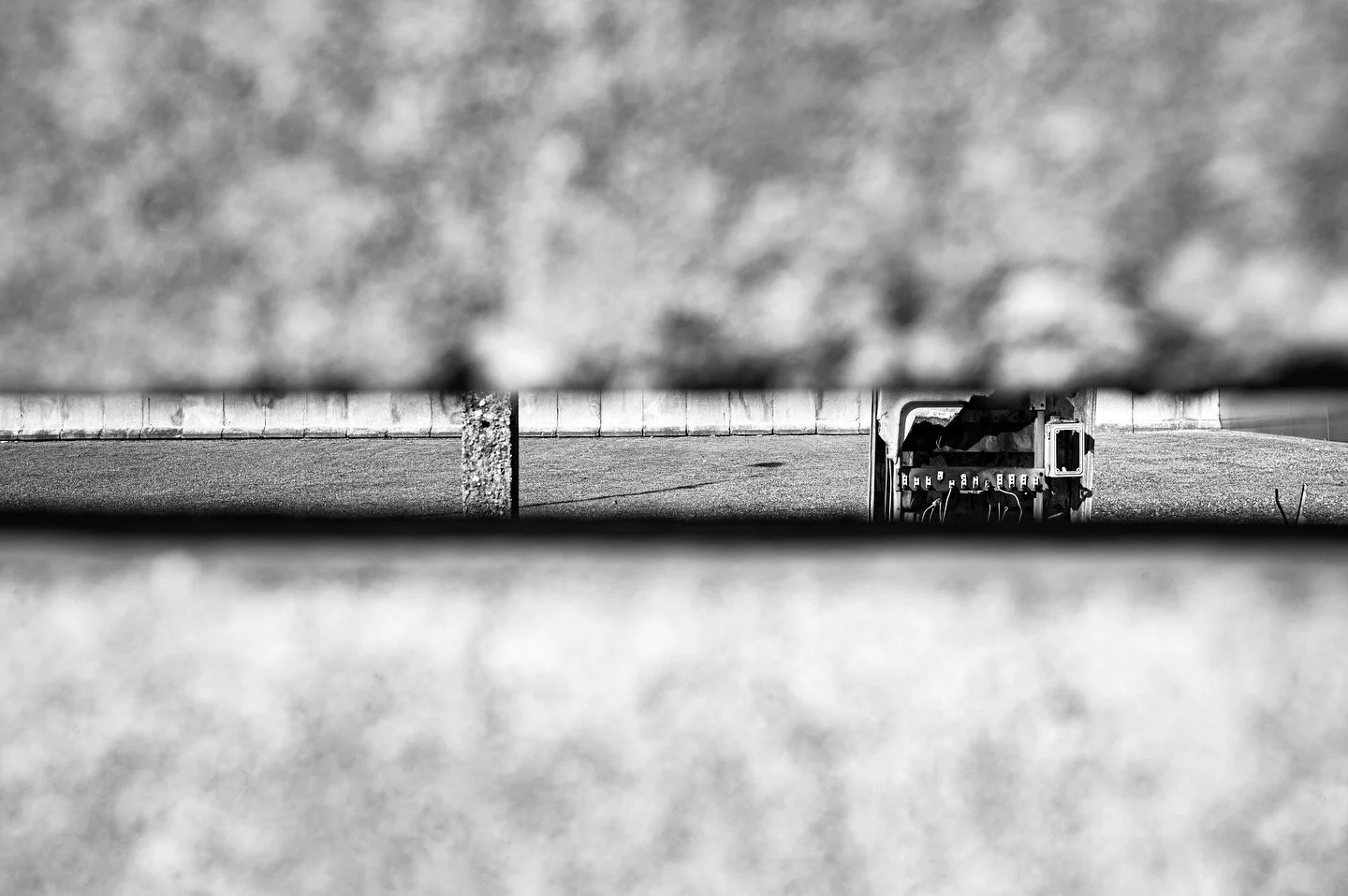
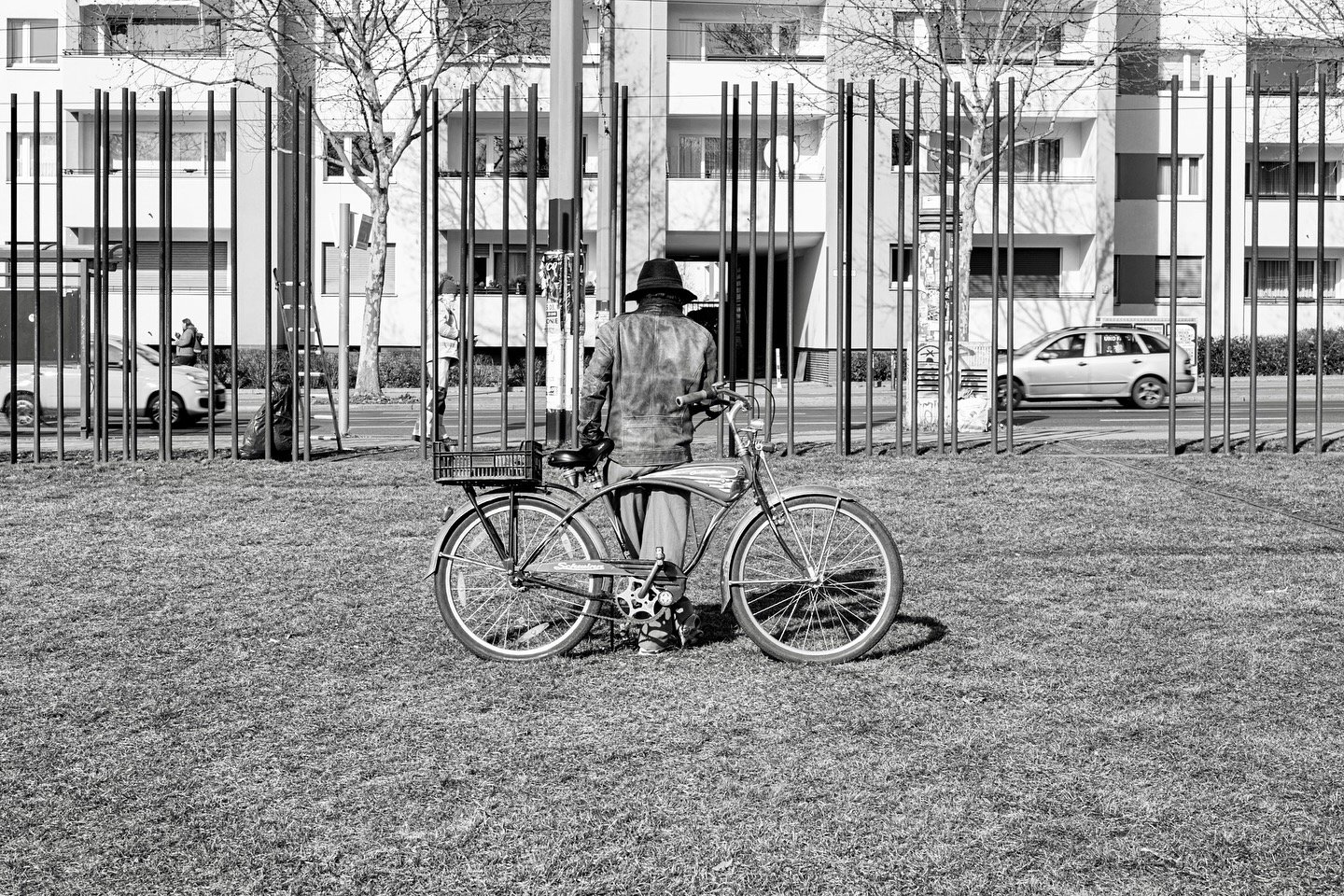
The Berlin Wall, dates back to the 1960’s and was a physical and ideological barrier that split East and West Berlin, fundamentally dividing communist East Germany from the capitalist West Germany. Its main purpose was to stop East Germans from fleeing to the West.
The wall was a powerful symbol of the Cold War divide between the Soviet-controlled East and the Western Allies. Like most people old enough I remember watching the wall come down on television on November 9, 1989, as I was at my Grandad’s and Grandma’s house watching it with them along with two German Mormon Missionaries so got a first hand experience of the impact it had coming down.
These are the location I went to, to see the Berlin Wall below:
East Side Gallery – This 1.3 km stretch of the Wall, covered in colourful murals.
Berlin Wall Memorial – on Bernauer Strasse, this spot preserves a section of the Wall and includes a visitor centre.
Checkpoint Charlie – The famous border crossing between East and West.
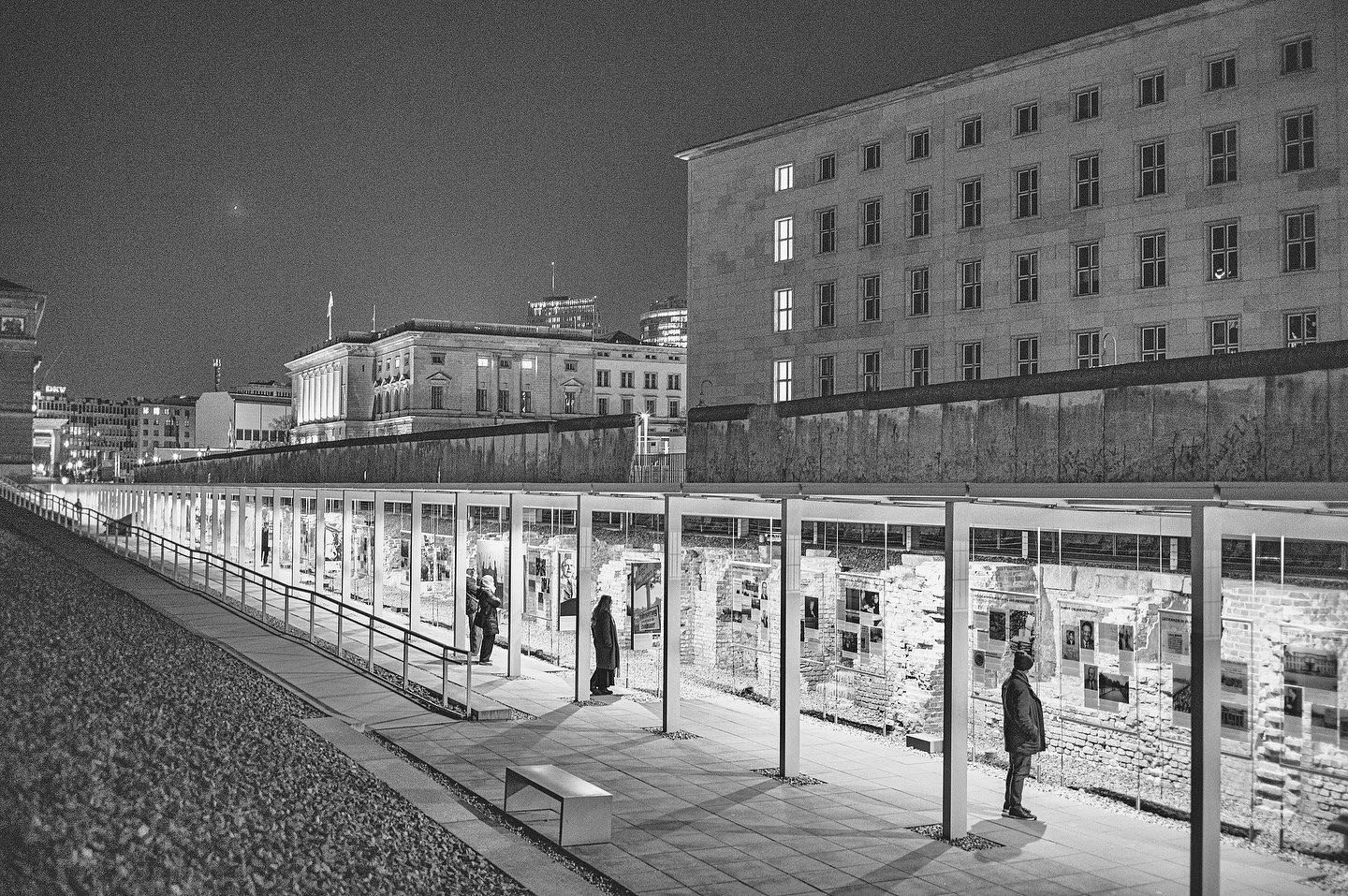
Topography of Terror - At this location, you can view a preserved section of the Berlin Wall (first picture below).
The final image at the bottom of this page is two images merged together to create a panoramic image of Bahnhof Berlin Potsdamer Platz in Berlin, which was one of the West Berlins’ “ghost stations” during the Cold War. Trains would pass through without stopping, revealing dimly lit platforms patrolled by armed guards from east Germany.

Berlin Wall at the Topography of Terror


Check Point Charlie
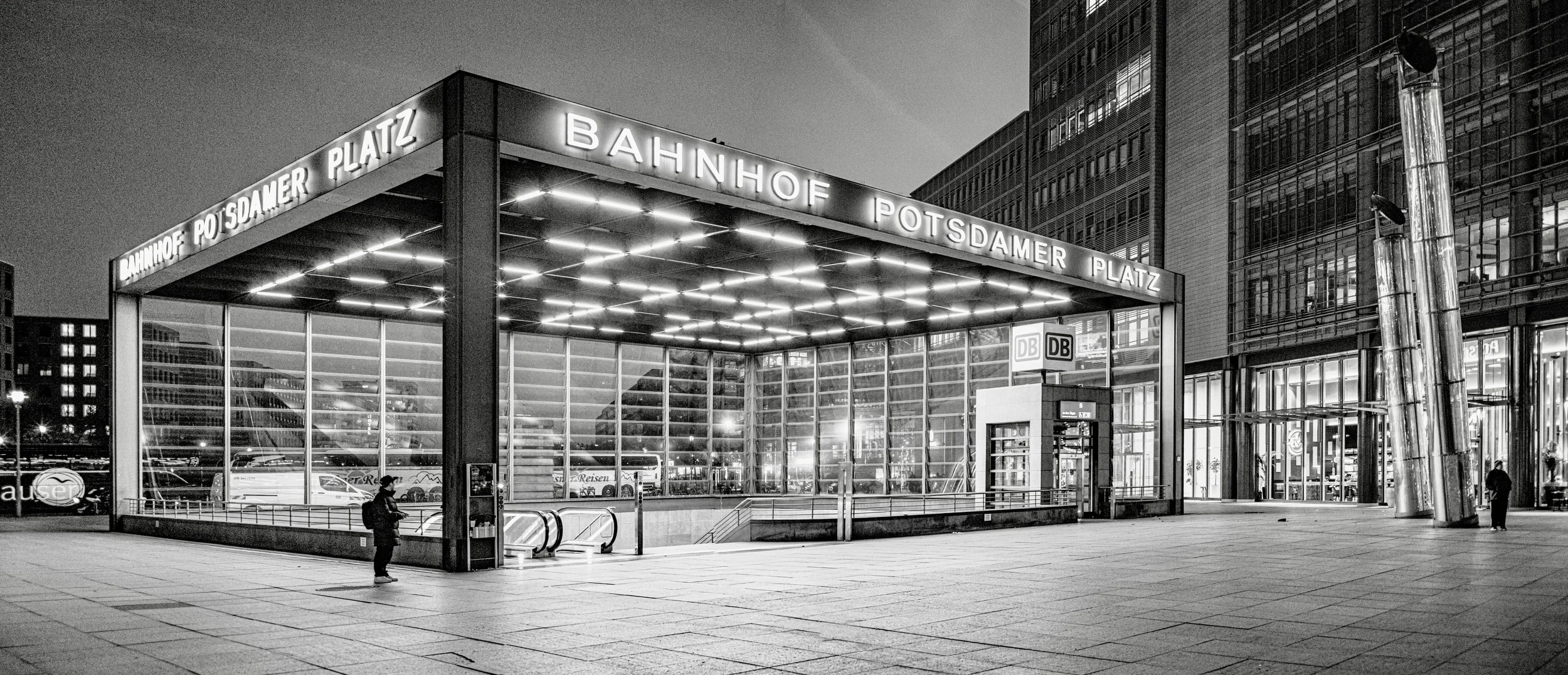
Potsdamer Platz
Final Thoughts
Even though I feel I packed a lot into my three-day trip, there still so much more Berlin has to offer. Three days weren’t enough—I left feeling there were still stories to tell, photos to take, and more incredible food to try!
It is a city with a complex history, shaped by war, division, destruction, by also and more importantly reinvention. You can actually feel this as you walk through the streets, this is what makes Berlin stand out from other cites for me, Berliners have rewritten their own story, embraced change with every step forward.
Anthony Bourdain was absolutely right when he said, “memories and new ideas live side by side” in Berlin. The city strikes the perfect balance between honouring its past and embracing modern creativity, making it a place that’s constantly evolving and worthy of another visit.