Four Days in Athens: Everything You Need to Know Before You Visit (And a Few Things Nobody Tells You)
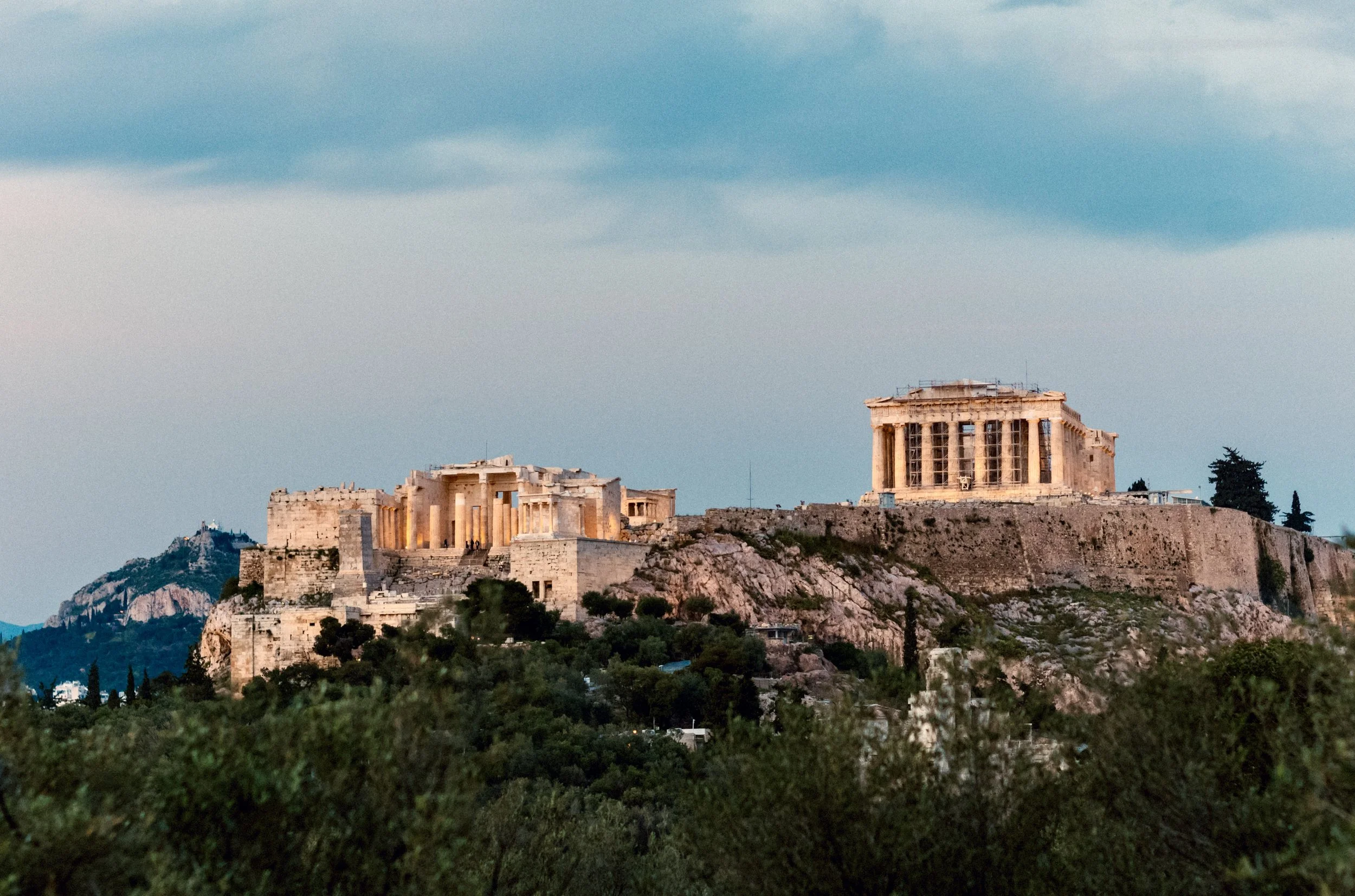
View of the Acropolis from Philopappos Hill
Athens: How to Get the Most Out of a City Built on 3,000 Years of History
Four nights in Psirri, the Acropolis at 3pm, a lake that deserved the whole day, and an honest account of what Athens gets right and where it still has work to do.
Athens has sat near the top of my bucket list for a long time, partly for the obvious reasons, partly because the history runs so deep here that even a photograph of it feels like it carries weight. The Acropolis, the temples, the agora: these aren't just tourist sites, they're the foundations of Western civilisation sitting in the middle of a modern, living city. I'd been planning this trip since last year's travel challenge and when April finally arrived with good weather in the forecast, it was time.
Four nights in Psirri, a Hop-on Hop-off bus pass, a well-timed combo ticket, and the Leica M11 with the 35mm lens — here's everything I learned, including the things I'd do differently.
The Short Read
Where I stayed: Private Airbnb studio, Psirri neighbourhood. £297.16 for 4 nights (£74.29/night). Easy to recommend.
When I went: April — warm days, cooler evenings. One of the best times to visit.
Visa (UK): No visa required. Greece is in the Schengen Area — passport valid for 6 months from travel date is all you need.
Getting around: Metro, taxi/Uber, and the Hop-on Hop-off Sights of Athens bus (two-day pass under £10 — worth it).
Don't miss: Acropolis Museum first, then the site. Vouliagmeni Lake. The Hill restaurant. The changing of the guards.
Skip: Piraeus Port unless you're catching a ferry.
Tickets: Book the Acropolis ahead online — combo ticket £64.34 each via Headout. Don't leave it last minute.
Best photography spot: Philopappos Hill at dusk for the Acropolis view. Southeast entrance (Dionysus Theater) for the climb.
Final Thoughts: Athens is a four-star city with some genuinely five-star moments, the Acropolis (museum first, site second), Philopappos Hill at dusk and the unexpectedly brilliant Vouliagmeni Lake made this trip memorable, while great food and staying in Psirri added to the experience. I would not rush back for a full city break, but I would absolutely return for a night or two as part of a wider Greece trip, using Athens as the perfect starting point before heading to the islands.
Overall: ⭐⭐⭐⭐
Keep Scrolling for the Long Read and Pictures
Where I Stayed
The Airbnb Cost me £297.16 for 4 nights Sunday to Thursday. So works out at £74.29 a night which I think is quite reasonable for what I got in the studio, it was spotlessly clean, secure and genuinely easy to settle into, with a layout that works well for two people.
The studio was set in the vibrant neighbourhood of Psirri, across a four-night stay, it was a welcoming and relaxing environment to call home for the trip with its earthy tones, soft textures and warm lighting, it’s a calm, modern space that feels instantly comfortable. It was a beautiful studio space to stay in as it had just been renovated. From the king-size bed and relaxed living area with a 55” TV, to details like the record player and guitar corner, everything adds to the sense of it being a space you can properly unwind in.
The studio places you right in the middle of one of the city’s most energetic and creative areas. Known for its street art, diverse restaurants, rooftop bars and lively nightlife, Psirri offers a real sense of Athens after dark, while still being a popular and generally safe base for visitors.
The studio is just steps from Monastiraki metro and within walking distance of Athens’ main attractions, food spots and cultural highlights, it makes exploring effortless. Even transport options like the hop-on-hop-off bus are right at the end of the road, which is ideal if you’re trying to make the most of a shorter stay.
Easy to recommend.
Practical tip: If you're visiting for fewer than five nights, base yourself in Psirri or Monastiraki. You'll walk to most things, the metro covers the rest, and you're in the middle of the city's best eating and drinking without needing a taxi for everything.
Getting Around Athens
Athens is more walkable than it looks on a map, especially between the main historical sites which cluster together south of the city centre. For everything else, the metro is clean, cheap, and straightforward — the main line connects Monastiraki to most places you'll need. Taxis and Uber both work well and are reasonably priced by UK standards.
The Hop-on Hop-off Sights of Athens Bus is worth picking up if you're staying two days or more. A two-day pass costs under £10 (I got mine on GetYourGuide), which is remarkable value given the ground it covers. It loops past the Acropolis, Parliament, the port at Piraeus, and several sites that aren't easy to reach on foot. I used it to get to Piraeus and Vouliagmeni Lake among other stops (more on both of those below).
Best Time to Visit
April was almost perfect. Warm enough during the day that you're in a t-shirt by mid-morning, cool enough in the evenings for a layer. The city also wasn't at peak tourist capacity yet with the summer crowds which arrive properly from June onwards. However on a nice day just be aware that the heat becomes a real consideration for anyone planning to spend time at the Acropolis, where there is almost no shade whatsoever. April and October are the sweet spots: good weather, manageable crowds, and far more pleasant conditions for walking the sites.
Practical tip: If you're visiting between June and August, book the earliest possible Acropolis slot, ideally 8am when the site opens. The marble reflects heat significantly more than you'd expect and by mid-day it becomes genuinely uncomfortable. Cap, water, and suncream are non-negotiables.
The Acropolis Museum: Do This First
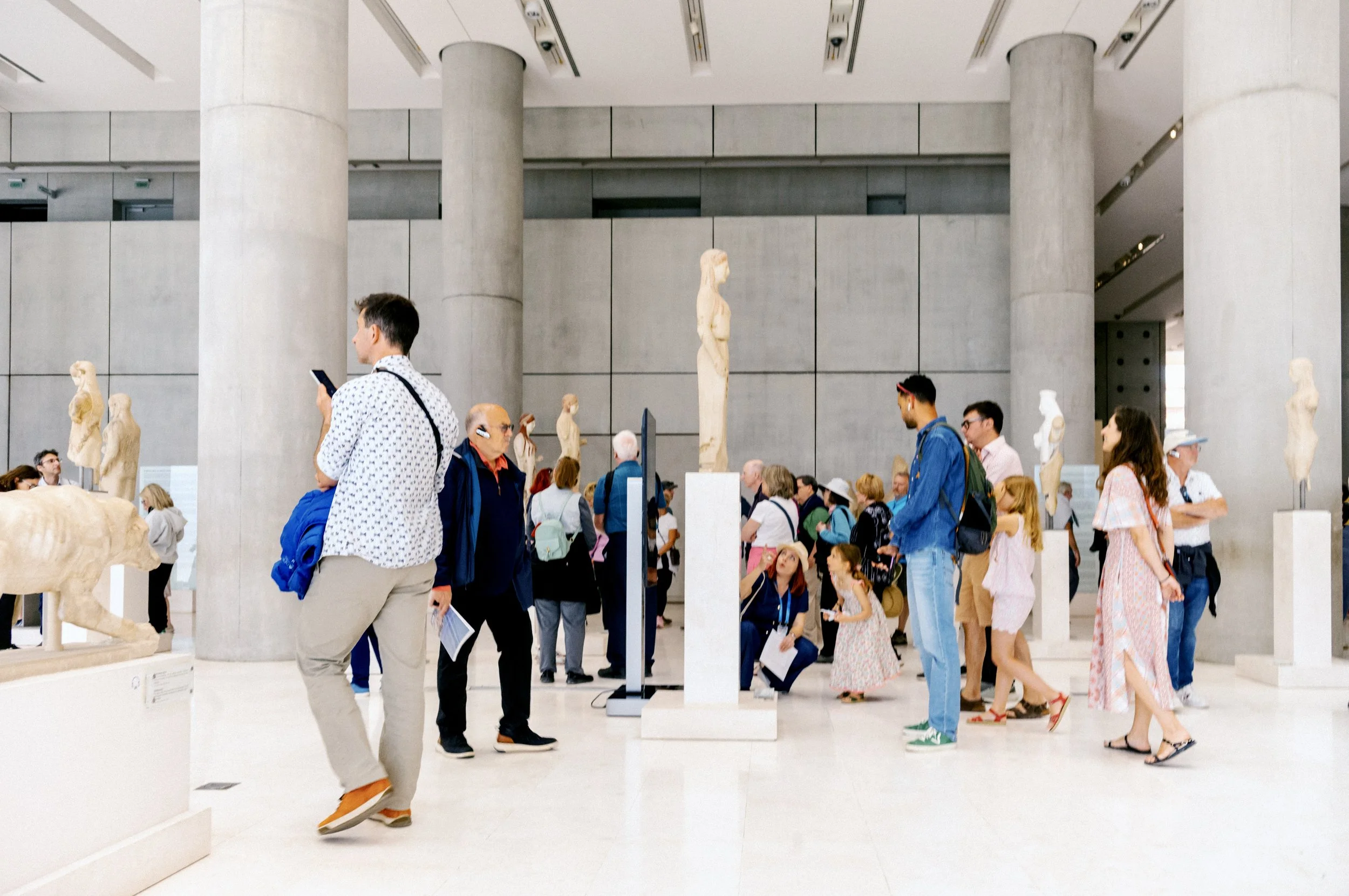
The Acropolis Museum
I'll say this plainly, do the Acropolis Museum before you set foot on the Acropolis site. Not after, not the same afternoon but before, ideally the day before if your schedule allows. The museum takes fragments, sculptures, friezes and architectural details and gives them context, story, and scale. Walking the site without that context means you're looking at ancient stone. Walking it after the museum means you understand what you're standing in.
I did my museum visit at noon and spent a couple of hours inside, grabbed something to eat, then went to the southeast entrance near the Theatre of Dionysus for my 3pm site slot. If I did it again I'd do the museum the previous afternoon and go to the site first thing the next morning, but more on timing below.
On the Elgin Marbles

The Caryatids missing sister
There's a section of the museum dedicated to the Parthenon frieze, which is the extraordinary carved marble panels that once ran around the entire exterior of the Parthenon. Some are here in Athens. Some are in the British Museum in London, where they've been since Lord Elgin removed them in the early nineteenth century.
The museum has displayed the pieces it has alongside plaster casts of the missing sections so you can see what the complete frieze would have looked like.
The image above of the famous Caryatids shows the gap where the missing sister (that is in the British Museum) should be. It makes the absence more pointed, not less.
My honest view is that it's sad that the Caryatids has a missing sister, and I think the British Museum should return them. These sculptures were made for a specific building, in a specific city, as part of a specific culture. Seeing the empty space where they belong and then knowing they're sitting in a museum in London it doesn't sit right. The argument that they're "safer" in London or that "more people can see them" doesn't hold up when Athens has a world-class museum built specifically to house them.
Practical tip: Tickets wise you should get combo ticket (Museum + Acropolis site) £64.34 each via Headout, book online in advance and you get a QR code on the app. If you want a guided experience, GetYourGuide does the Acropolis site and Museum with a guide for £99.22 each.
I went with the combo ticket via the Headout app and used the Rick Steves Audio Europe app for the site walk as it’s free, works offline and is highly informative, so would highly recommend it.
The Acropolis
The Climb and What's at the Top
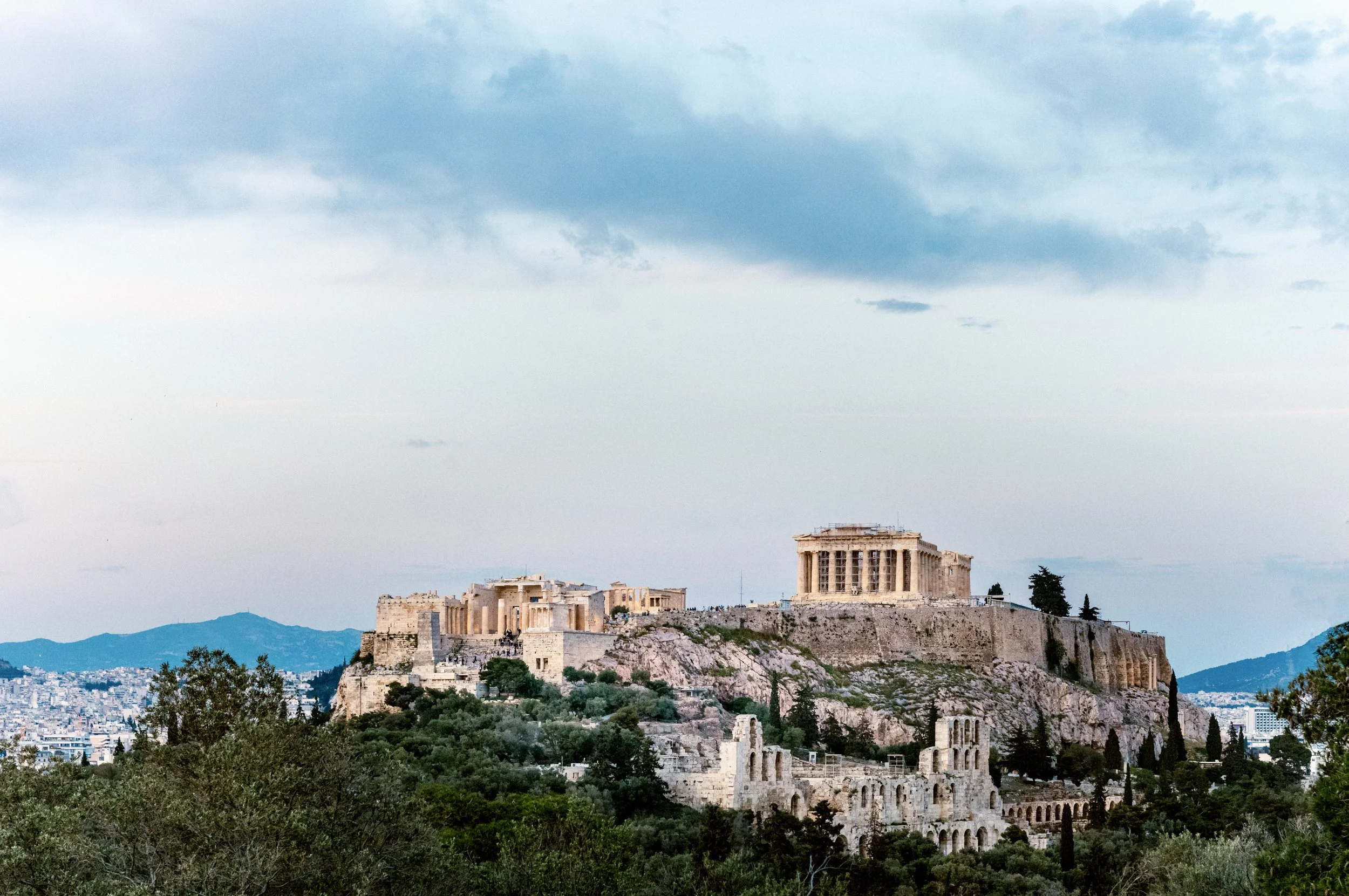
View of the Acropolis from Philopappos Hill

View of The Parthenon
The climb can be hard. That's not a warning to put you off, it's a fact worth knowing so you pace yourself properly. There are sitting point though and make sure you wear good footwear as the path is uneven ancient stone for much of it, steep in sections, and the sun hits you the whole way up.
By the time you reach the top, your legs know about it. But the moment you clear the final steps and the Parthenon comes into full view and you see the sheer scale of it, those columns still standing after two and a half thousand years, the climb is rewarded.
I went in via the South Slope Entrance near the Theatre of Dionysus, which I'd recommend for a first visit. It's a harder walk than the Main Entrance on the West Slope but significantly more scenic as you pass the Odeon of Herodes Atticus, the Theatre of Dionysus itself, and several smaller sites on the way up that most people miss entirely when they take the easier route. If mobility is a consideration or time is short, the Main West Entrance is the more straightforward option.
At the top, what hits you first is the scale. The Parthenon dominates but there are several other significant structures on the Acropolis that are easy to underestimate if you arrive thinking it's just one building. Make sure you spend time exploring the Erechtheion with its Porch of the Caryatids, the Temple of Athena Nike, and the Propylaea gateway. The Rick Steves audio guide earns its place here as you walk through each structure in sequence and gives you the history as you're standing in front of it, which is a completely different experience to reading about it later.

View of the city from the Acropolis
The views across Athens in every direction are extraordinary. A city of four million people, modern and sprawling in every direction, with this ancient hill rising out of the middle of it. On a clear April day you can see far beyond the city limits.
Practical tip: Book your time slot carefully. My 3pm slot was busy and the heat was uncomfortable, I chose it because it was the only availability left when I booked last-minute. Earlier morning (8–10am) or later afternoon (5–6pm) are the better windows for smaller crowds and more comfortable temperatures. Enter via the southeast entrance near the Theatre of Dionysus if you want the more scenic approach and are happy with the harder climb.
Photography Tip: The shot most people want is the Parthenon without the crowds but that is not going to happen as the site is crowded, so the composition challenge is finding the angle where the columns do the work and the crowds fall into place to be interesting rather than just being there.
The Erechtheion's Caryatid porch is the other frame worth time, the figures against the sky are remarkable in the late afternoon light, (see the images below).
Other Sites at the Acropolis
Don't Rush Past Them
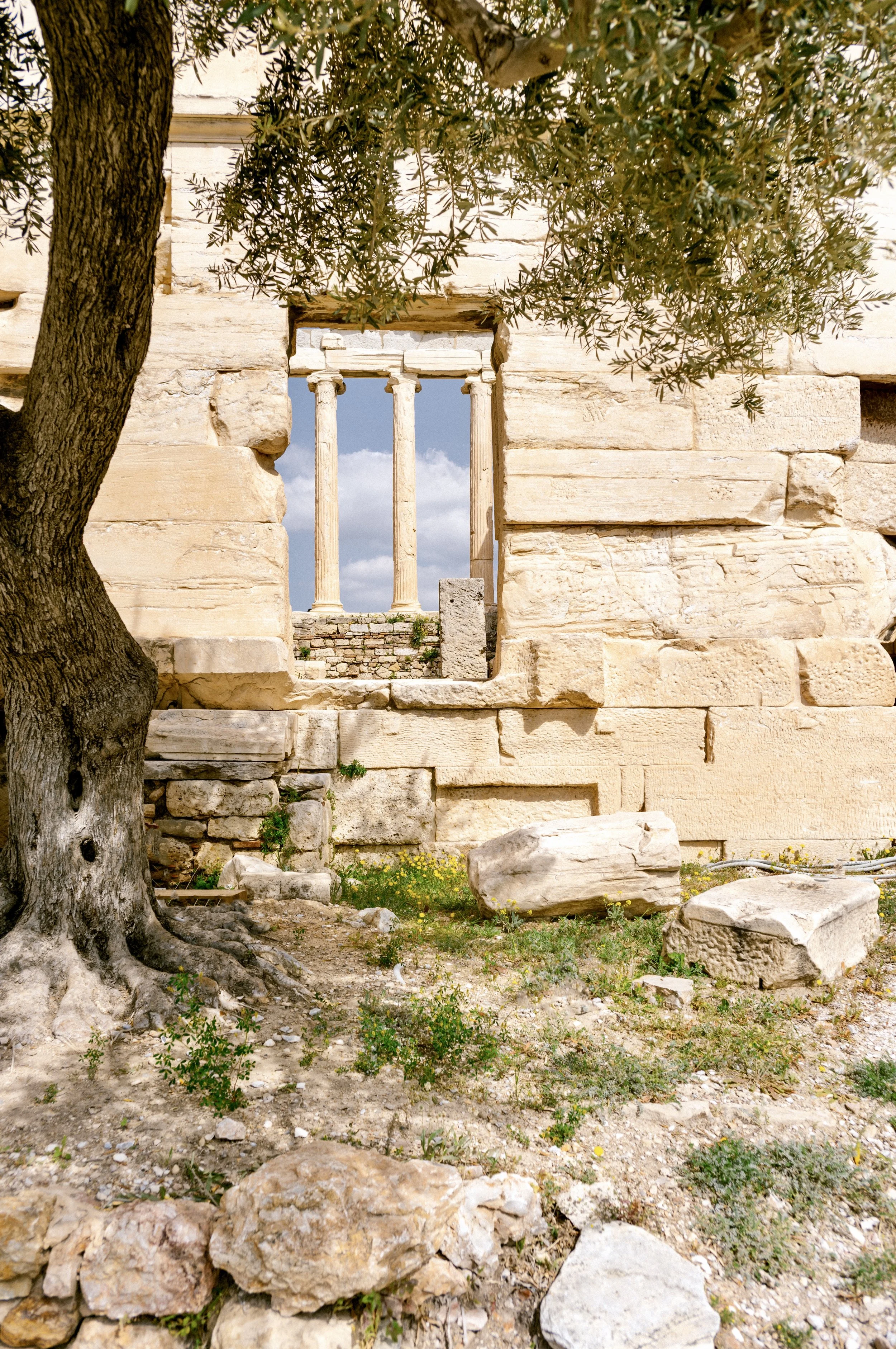
The Erechtheion's Window
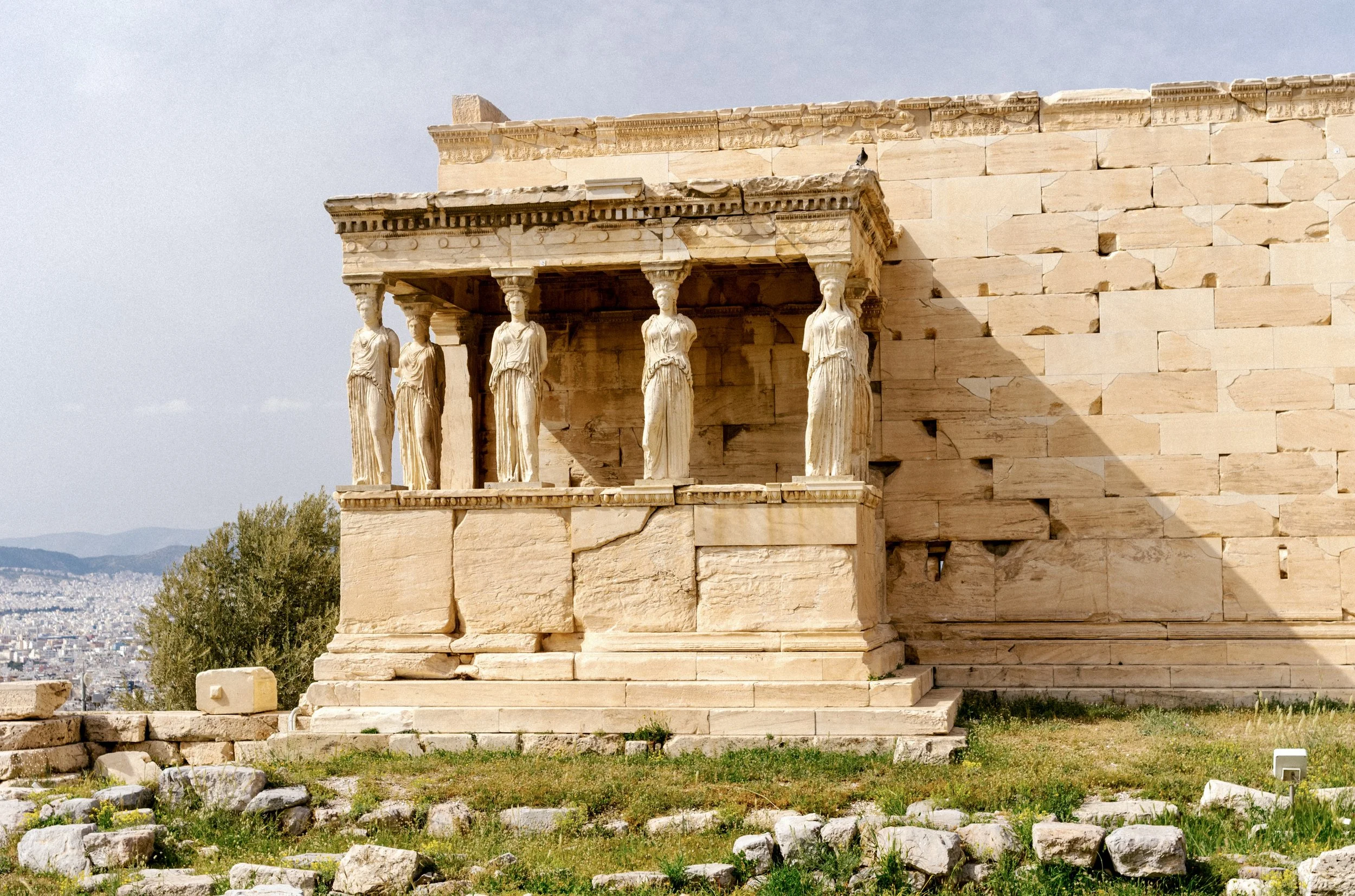
The Erechtheion's Caryatid porch
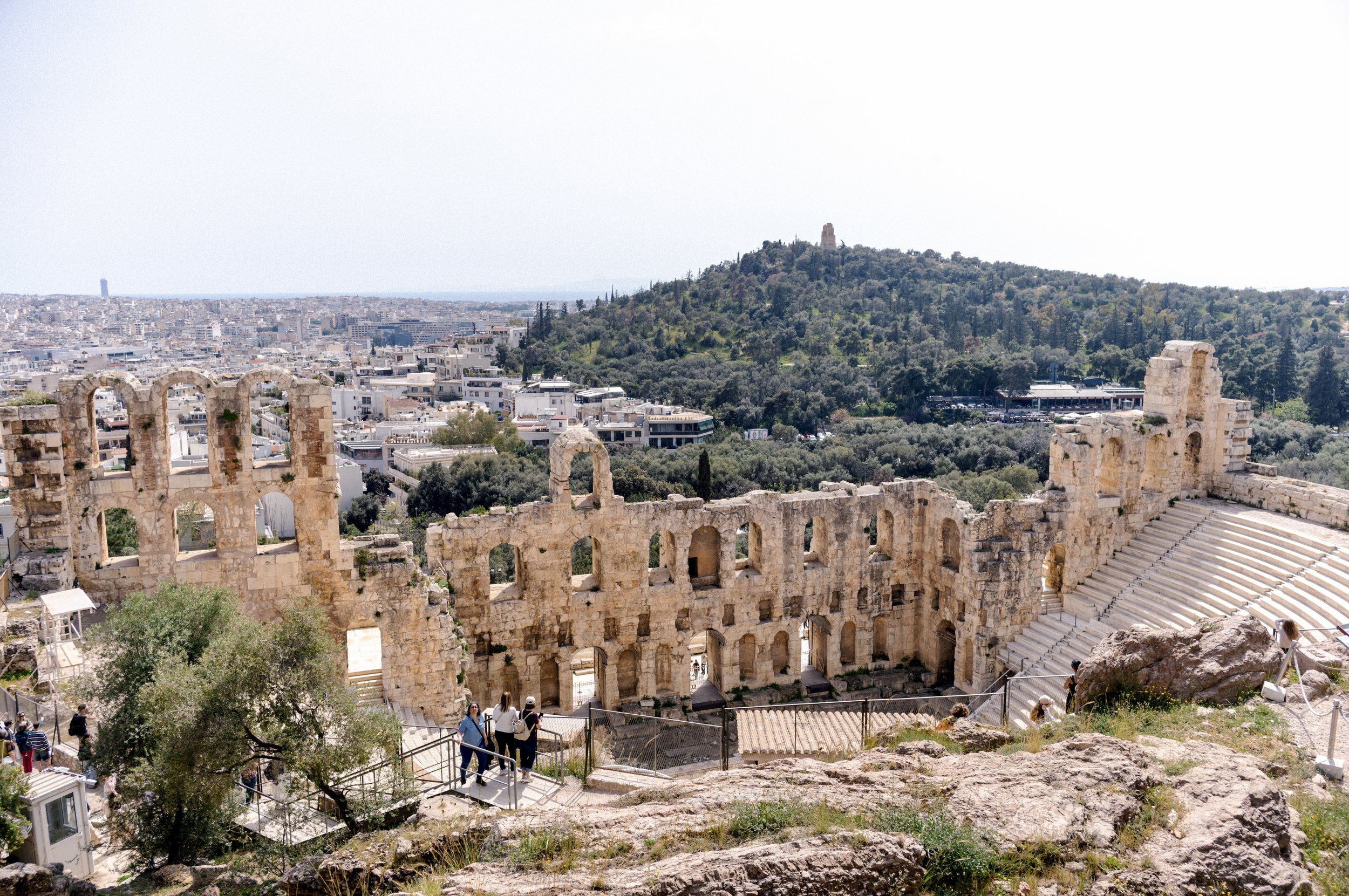
The Theatre of Dionysus
The Acropolis is more than the Parthenon, and it's worth making that clear before you visit. Set aside time for the Erechtheion, the Propylaea, and the Temple of Athena Nike all of which has its own story and the Erechtheion in particular, with its Caryatid columns (the figures you see are replicas; the originals are in the museum below), is worth proper time rather than a passing glance.
Greek History Sites
The Agora, Temple of Zeus and Olympic Stadium
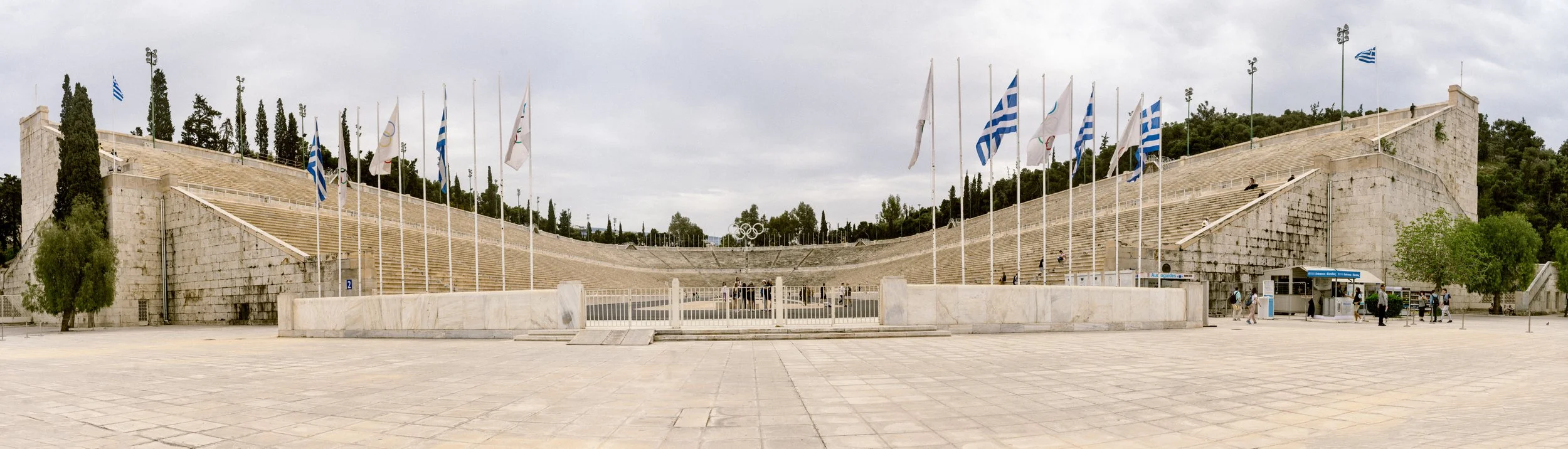
The Panathenaic Stadium
The Ancient Agora was the civic heart of ancient Athens which had a marketplace, law courts, and meeting places where Socrates argued philosophy to people and where democracy was also debated. It's a short walk from the Acropolis and often undervisited because the Acropolis tends to absorb all available energy, I say this as this happened to me and I ran out of time to visit the site.
The Temple of Olympian Zeus is a short walk from the Acropolis area and being honest I don’t think it’s worth a stop, there is a lot of scaffolding currently up and you will be able to see the site from the tour bus or simply by walking around the outside through the fence. The Temple was originally built to house a colossal cult statue of Zeus, although only fifteen towering columns remain today, they still gives a sense of the sheer scale and ambition behind one of ancient Athens’ grandest temples.
The Panathenaic Stadium is the original Olympic stadium, rebuilt in marble for the first modern Olympics in 1896 and is another stop worth making. You can walk the track, sit in the stands, and stand in the tunnel the athletes emerged from. Tickets cost about 12 euro each and you can buy them online here.

The Temple of Zeus
Roman History Sites
Roman Agora, Temple of the Winds and Hadrian's Library
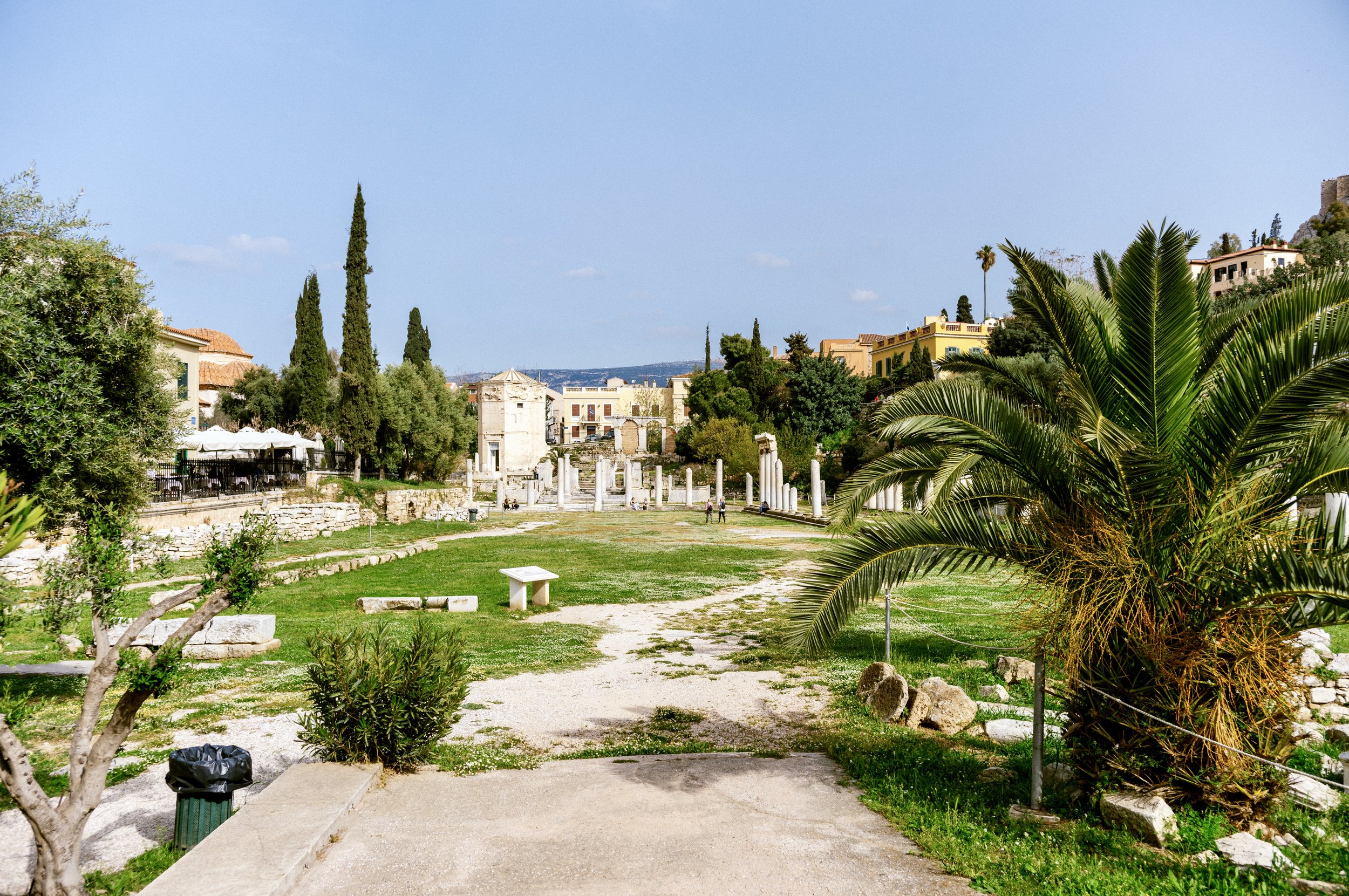
Temple of Winds in the bottom left corner
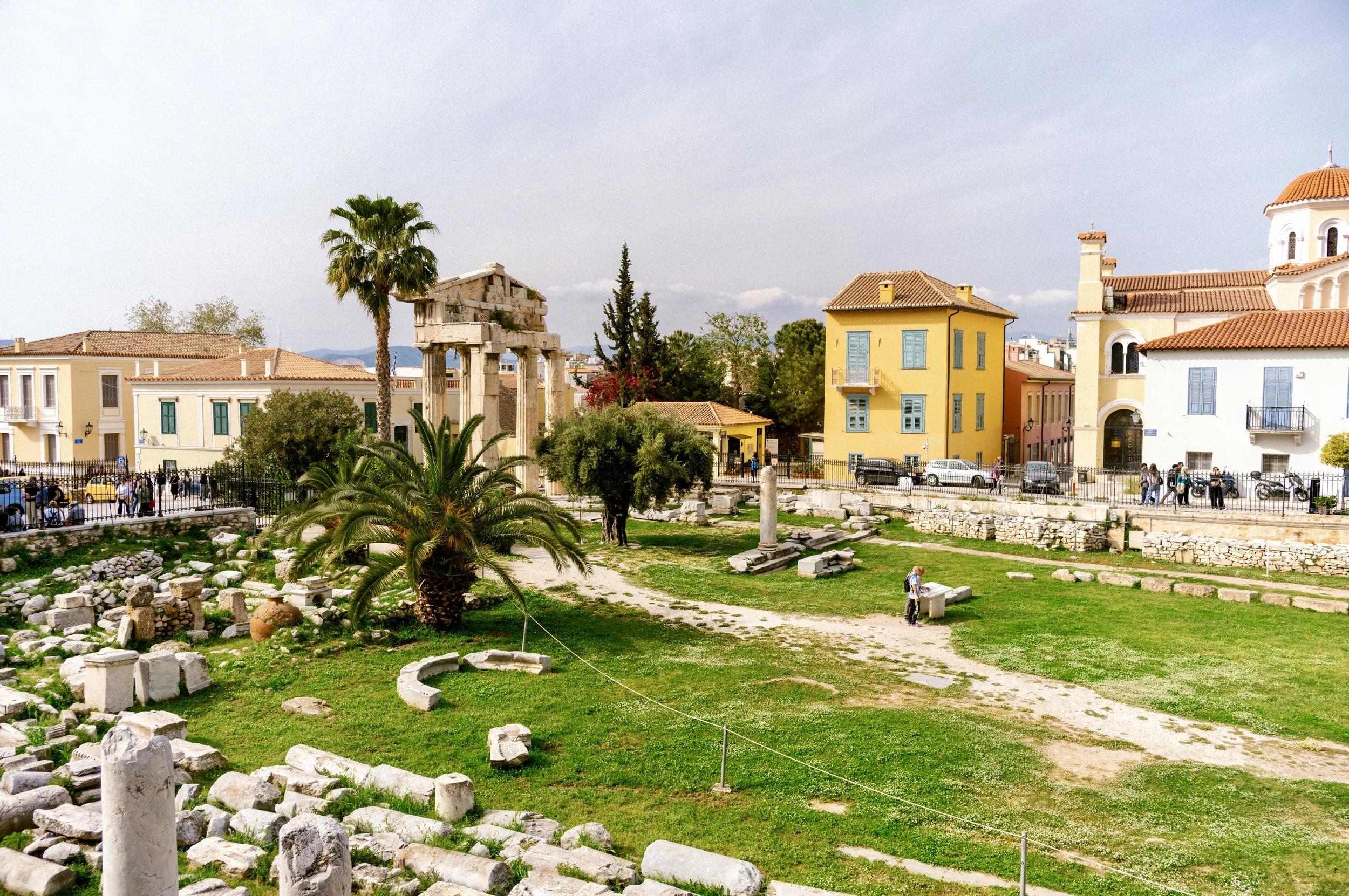
Roman Agora
Athens repays Roman history as richly as Greek history. The Roman Agora sits adjacent to the Ancient Agora and contains the Tower of the Winds which is an extraordinary octagonal marble clocktower built around 50 BC that functioned as a sundial, weather vane, and water clock simultaneously. It's one of the best-preserved ancient buildings in Athens.
Hadrian's Library is directly nearby, literally steps, it was built by the same Emperor Hadrian who commissioned the wall across northern Britain, which gives you a sense of the reach of Roman ambition in the second century AD. The ruins are significant and the site is quiet enough to take your time without crowds pressing you forward. Again this was not a site I went onto as you can see it from the streets well enough.
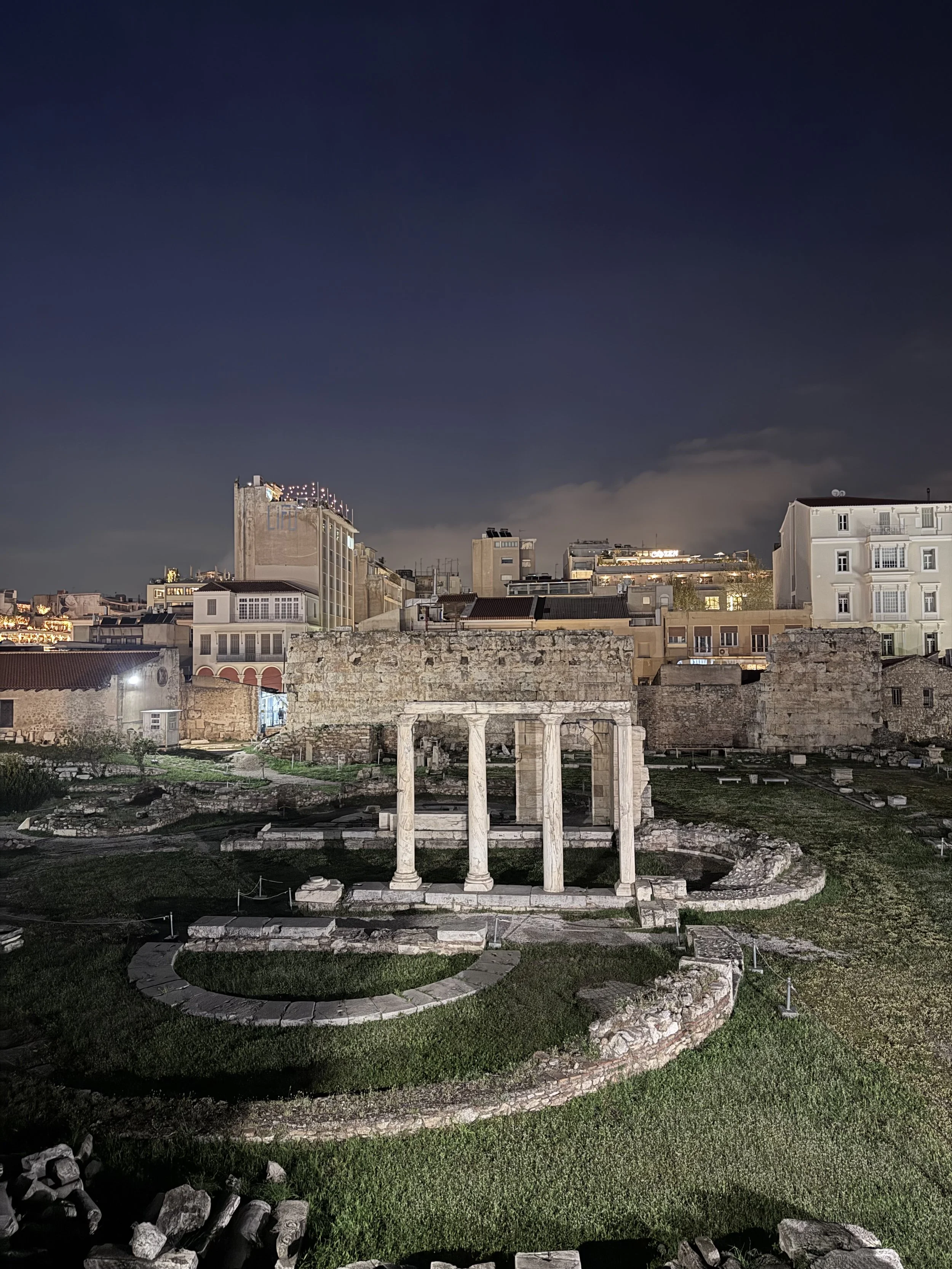
Hadrian's Library at night
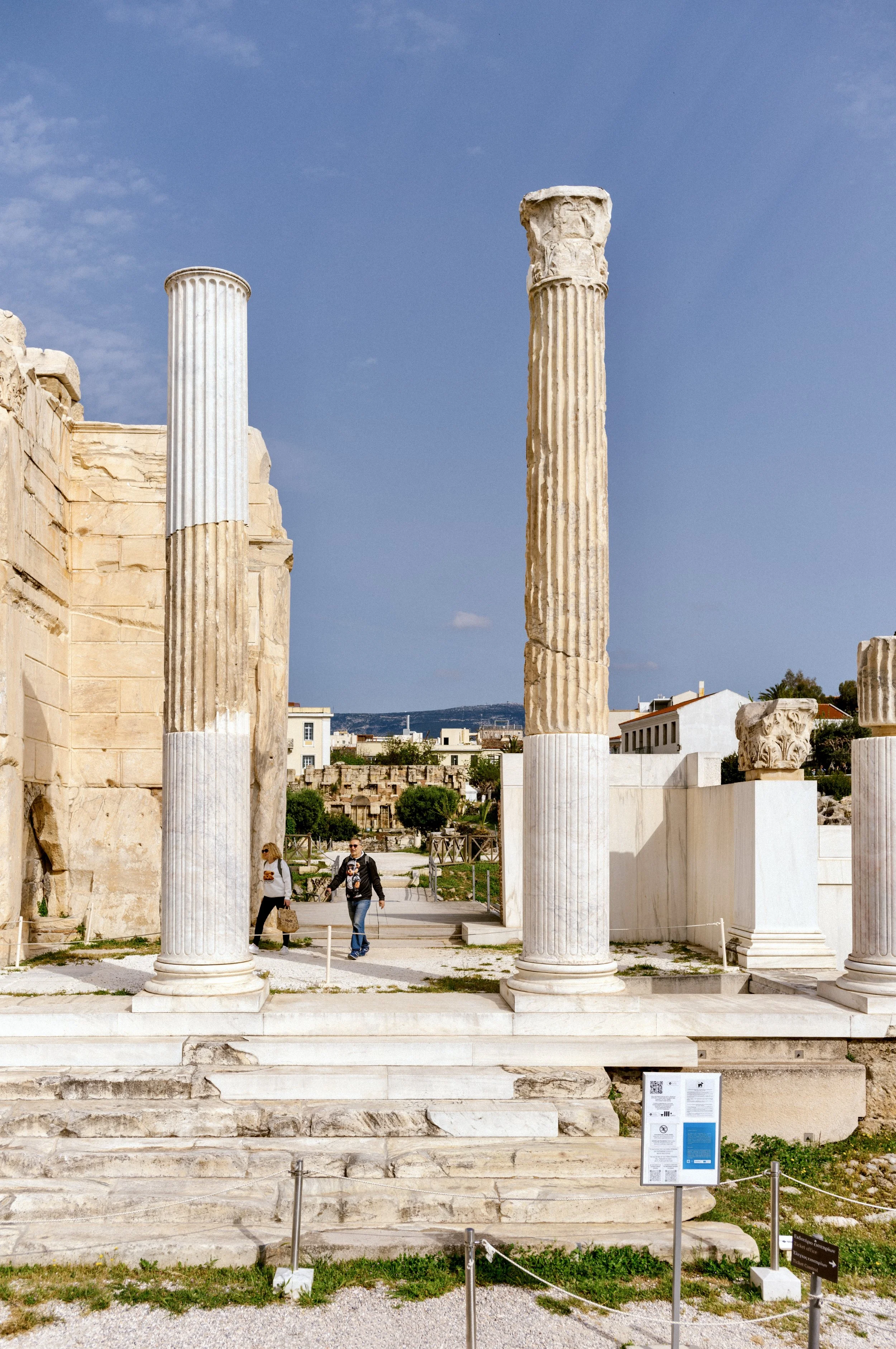
Hadrian's Library
Parliament and the Changing of the Guards

Changing of the guards at Syntagma Square
The Hellenic Parliament building on Syntagma Square is a short metro ride or easy walk from Monastiraki. In front of it stands the Tomb of the Unknown Soldier, guarded around the clock by the Evzones who are the Presidential Guard in their distinctive traditional uniform. The uniform is made up of the foustanella pleated skirt, white tights, and pom-pom shoes that look theatrical until you understand the history behind them.
The ceremonial changing of the guard happens every hour on the hour, with a more elaborate full ceremony on Sundays at 11am.
The Evzone uniform is not decorative, it's a direct continuation of the dress worn by the Greek mountain fighters during the War of Independence in the 1820s. Each element carries meaning. The foustanella has 400 pleats, one for each year of Ottoman occupation.
Serving as an Evzone is considered one of the highest honours in the Greek military and selection is extremely demanding. Understanding that context transforms what might look like a tourist ceremony into something genuinely moving.
Piraeus Port and Vouliagmeni Lake
Piraeus Port: A Short Stop, Not a Destination
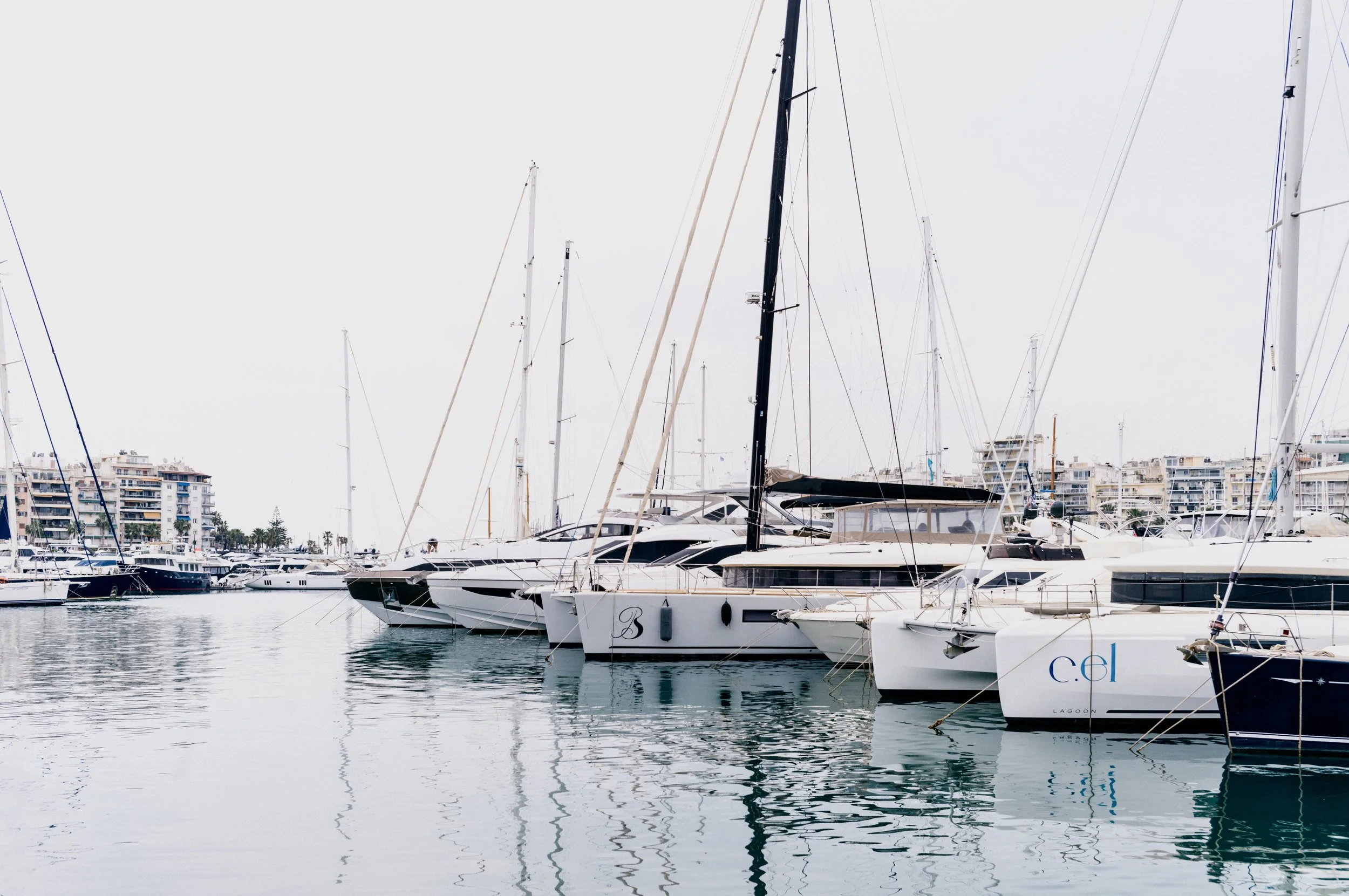
Piraeus Port
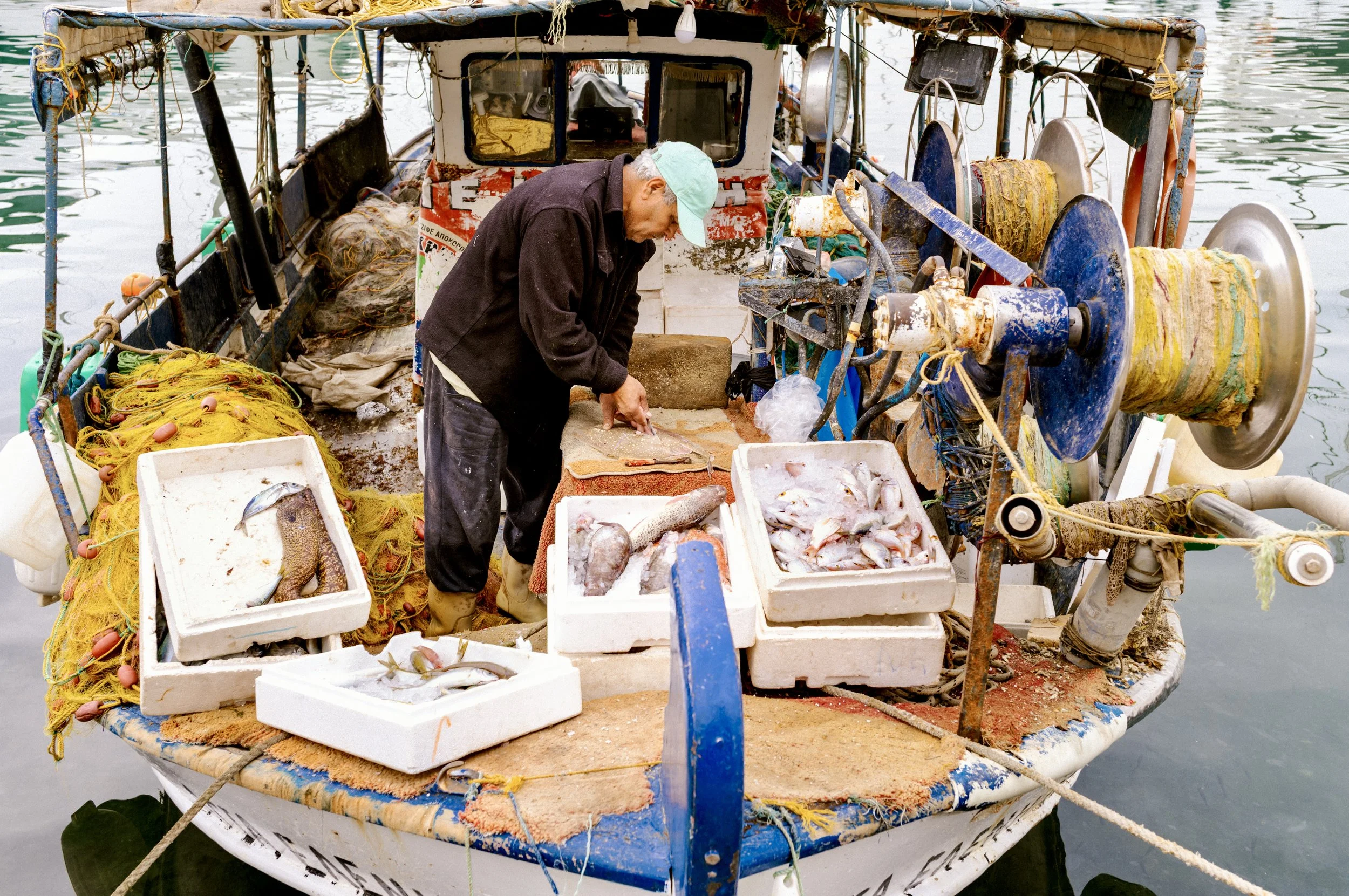
Piraeus Port fisherman
I took the Sights of Athens tour bus to Piraeus Port and spent about two hours there before getting back on the bus.
Skip it unless you're catching a ferry to the islands.
The port area is functional rather than attractive, the immediate surroundings are a bit run down, and there isn't enough there to justify the journey time if you're working around a short trip. The bus pass gets you there cheaply enough that curiosity is understandable but there are better uses of an afternoon in Athens, I wish I had gone to some of the art museums instead.
Vouliagmeni Lake
This Deserves the Whole Day

Vouliagmeni Lake
Vouliagmeni Lake is one of the best things I did in Athens and I didn't give it nearly enough time. A natural thermal lake about 25km from the city centre, fed by underground springs and sitting between rocky cliffs and the sea, it has a quality that is genuinely hard to describe until you're there.
The water is warm, clear and slightly mineral, it's been used for therapeutic purposes for centuries and the small fish that nibble your feet in the shallower sections are an experience in themselves.
We ate lunch at AbraOvata, which sits right at the lake and which I'd recommend without hesitation. Fresh seafood, Greek salad, good drinks, good music is a great vibe. We walked the lakeside afterwards but kept things shorter than we should have.
What I'd tell anyone going here is, treat this as a full day, not a half day. Swim in the lake, don’t miss out on the therapeutic properties, the water temperature is the same all year round, and the fish experience is something you won't find easily elsewhere, although a friend of mine who has swam in the lake and had the fish nibble his feet said it was a little weird.
So pack a towel and stay until the light changes. It's worth it.
Practical tip: Vouliagmeni Lake entry costs around €15 per person. The water temperature stays around 22–29°C year-round thanks to the thermal springs. Go hungry, AbraOvata at the lake is worth the meal and snacks. The Sights of Athens Hop-on Hop-off bus reaches the lake on its coastal route, literally stopping at its entrance (around 30–40 minutes from Monastiraki).
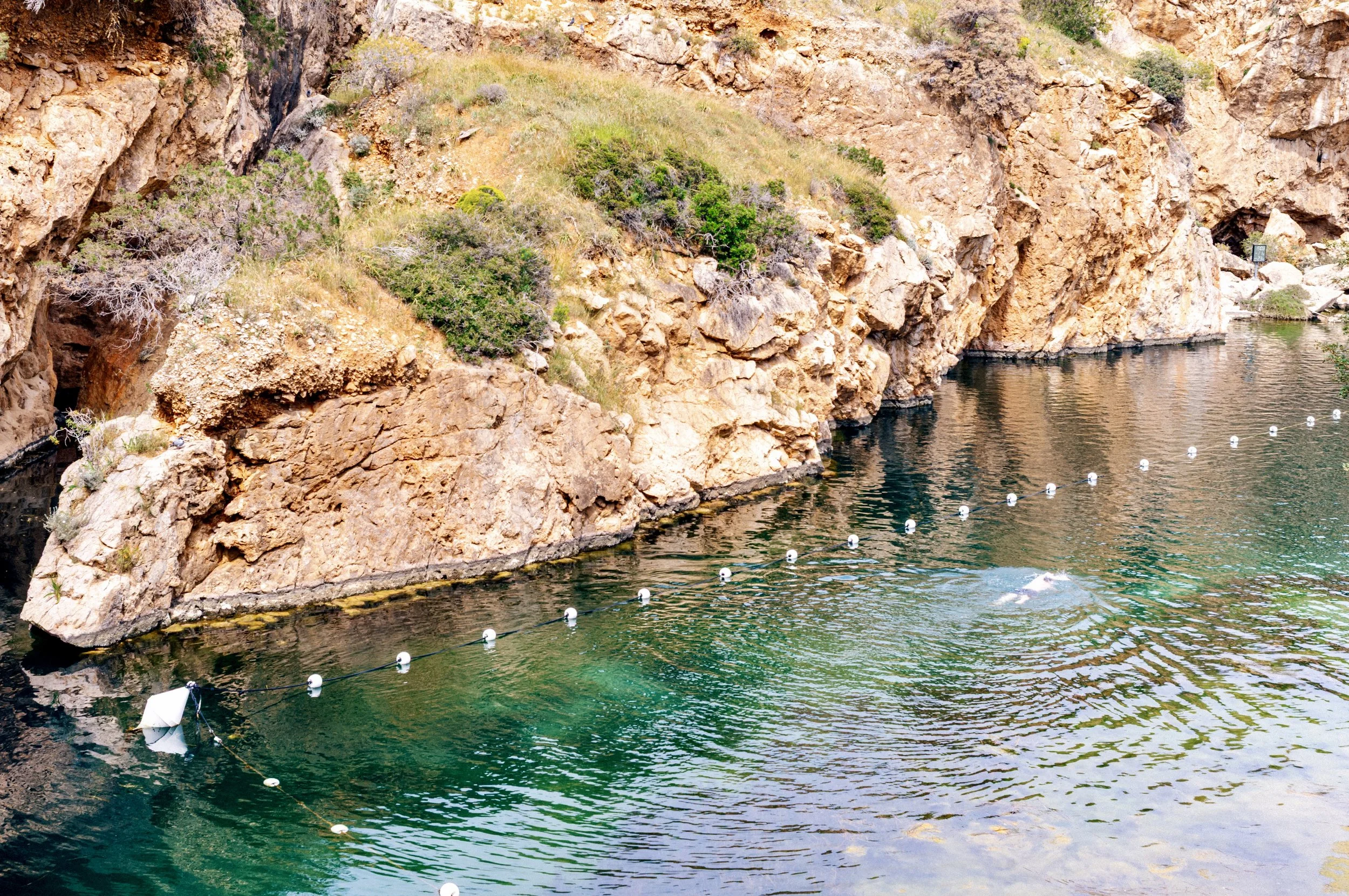
Vouliagmeni Lake
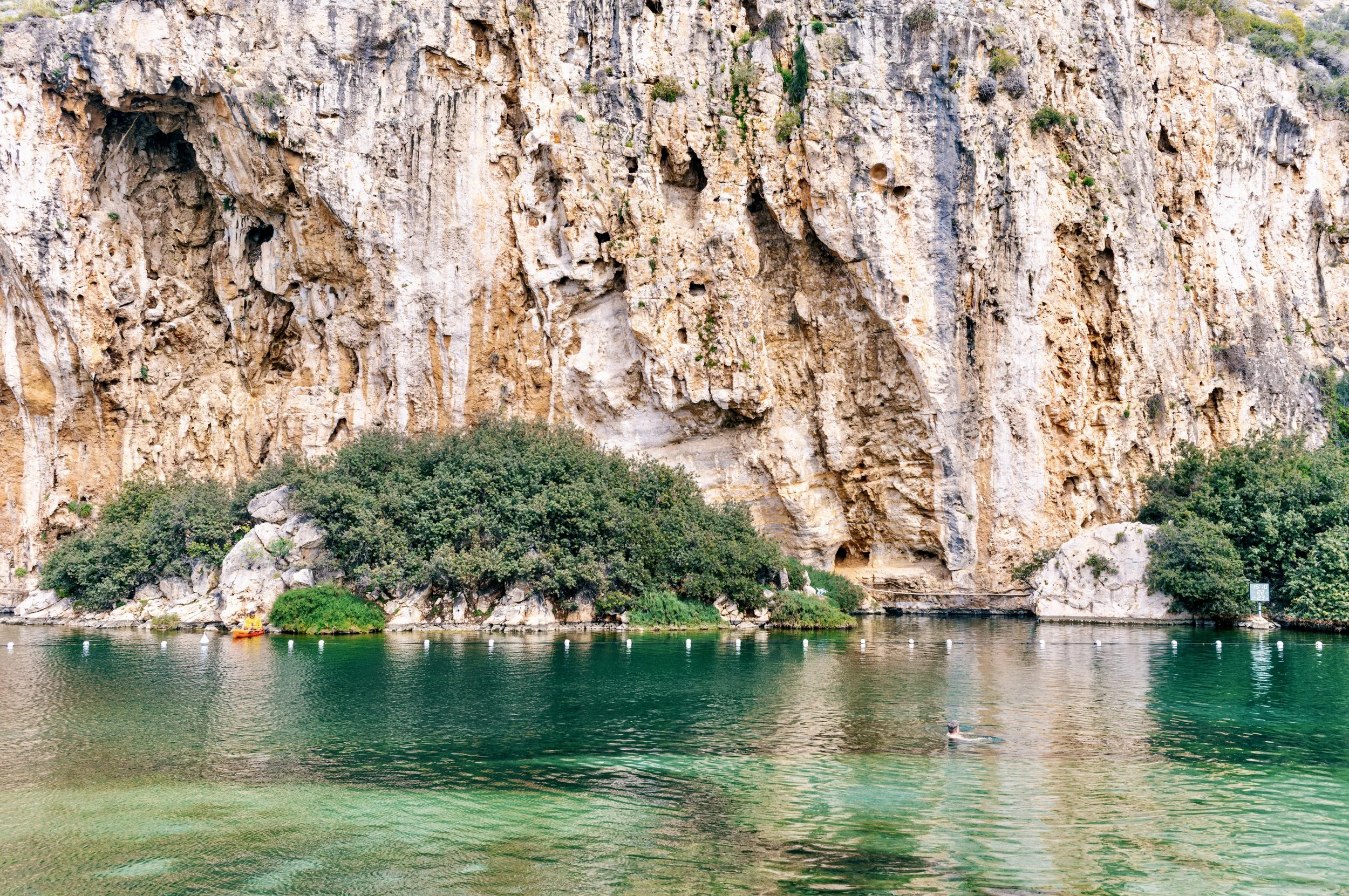
Vouliagmeni Lake
Shooting Athens With the Leica M11 and 28mm lens
I took my M11 with my Zeiss ZM Biogon 28mm and Summicron-M 35mm and for most of this trip stayed using the 28mm, which lately is my go to lens.
The 28mm was the right lens for Athens as the city's ancient architecture is big, genuinely, overwhelmingly big and a wider field of view lets you include context without having to step so far back that you lose the detail.
The columns of the Parthenon, the Caryatid figures on the Erechtheion porch, the narrow streets of Plaka — the 28mm holds all of it without the scene feeling compressed or the foreground cluttered. It's a lens that suits a city where the ancient and the modern exist in the same frame whether you want them to or not.
However, the perspective option in the menu setting really helps with the M11, as it corrects leaning lines in architectural. When tilting the camera up or down, buildings can appear to fall inward or outward, and this helps straighten things up in-camera.
The light in Athens in April is extraordinary, better than when I was in Rome last year. It is clear and directional in a way that northern European light rarely manages. Stone that has been standing for two and a half thousand years lit by that kind of afternoon sun is almost unfair as a photography subject.
The shot I'm most pleased with from the trip is the view of the Acropolis and the Parthenon from Philopappos Hill at dusk (although I do love The Erechtheion's Window image).
The hill sits to the southwest of the Acropolis and gives you an elevated view across the whole site, with Athens stretching out behind it. The 28mm lens really helped capture the full scale of the Acropolis against the city skyline in a way a longer focal length would struggle to do without losing the wider context. I also switched to the 35mm for slightly tighter compositions, pulling out more detail and isolating parts of the scene when I wanted a more focused frame.
I had been hoping for reds and purples in the sky, but they never quite arrived in the end. The nearby Pnyx, the ancient assembly hill, is also worth considering if you want a slightly different angle of this same iconic view.
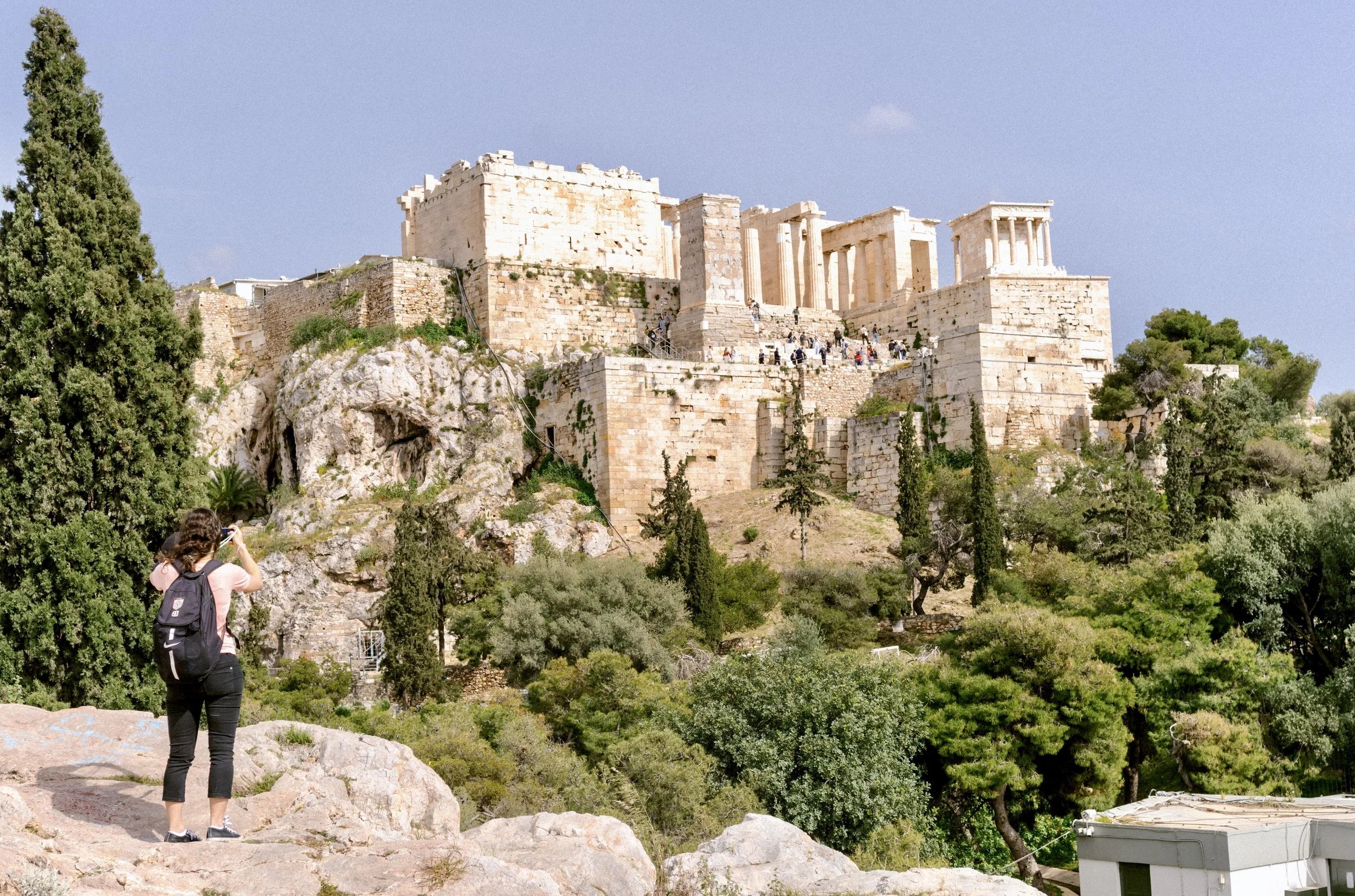
View from the Pnyx of the Acropolis
Photography tip: For the Philopappos Hill shot: arrive 45 minutes before sunset to find your position before the light changes as others will be there. The Acropolis is lit from below after dark which gives you a warm glow on the stone against the cooling sky that contrast between the warm lit marble and the sky on a good night is going to give best results.
Food
Where to Go and What to Avoid
Athens has a tourist trap problem around the main sites particularly in Plaka and immediately around Monastiraki Square, where menus are designed for people who are only there for a day and won't be back. If there are big signs up and people trying to drag you in to eat then the golden rule is to avoid! The recommendations below are the places I'd go back to without hesitation.
The Hill
ROOFTOP RESTAURANT · VIEWS OF THE ACROPOLIS · EVENING DINING
A must-visit, this was the best meal I had, be prepared to pay that extra euro but worth it. The Hill sits above the city with unobstructed views of the Acropolis from the terrace, which at night when the ancient site is lit from below and the sky has gone deep is one of the better dining settings I've experienced anywhere.
The food matches the view, modern Greek cooking that takes the classics seriously. Book ahead, ask for a terrace table, and time your reservation for just before sunset so you get the full transition from daylight to the lit Acropolis at night. This is the kind of meal you'll remember long after the price has faded.
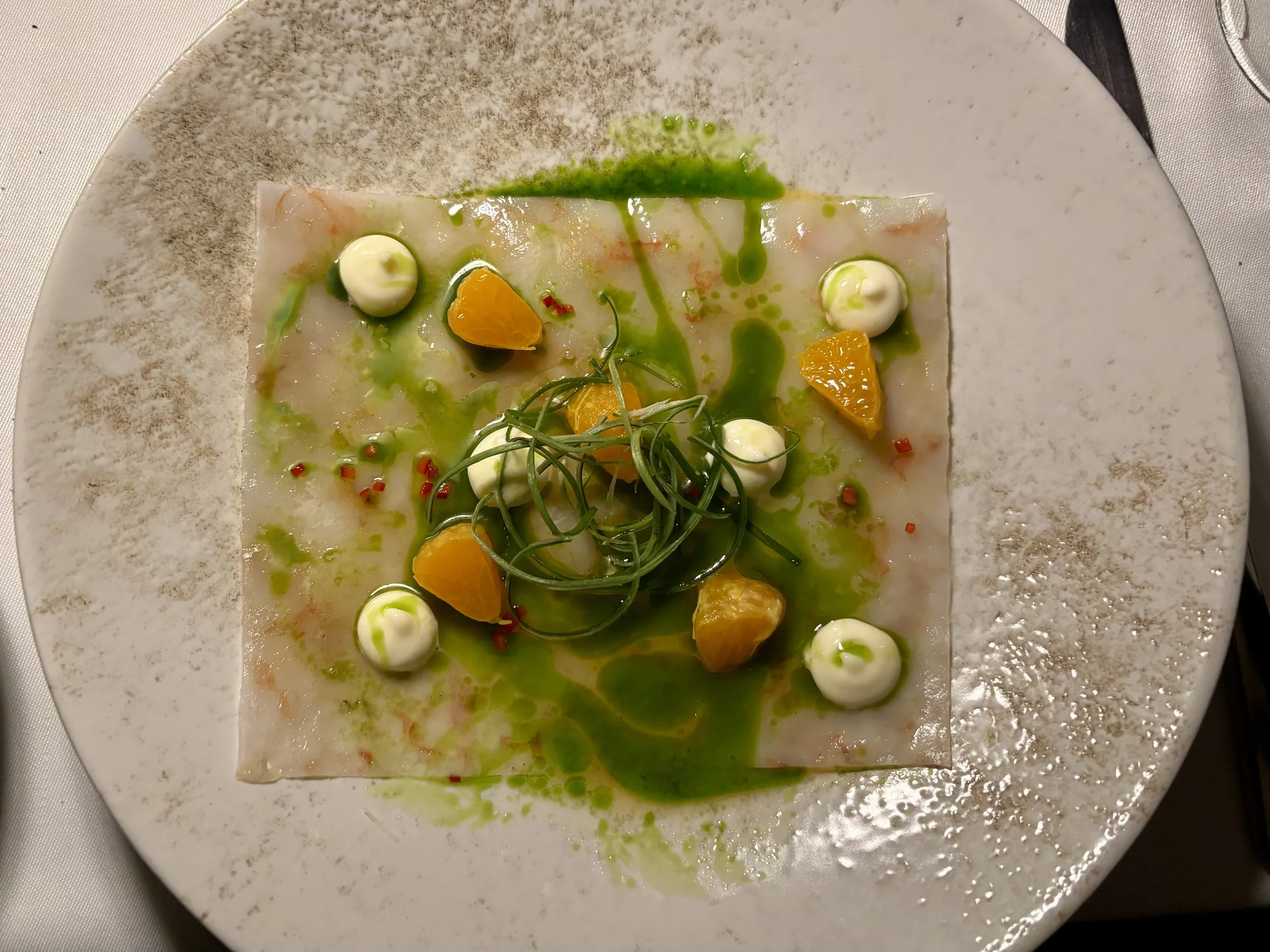
Shrimp Carpaccio

Calamari Stew
Picky Brunch & Specialty Coffee
BRUNCH · SPECIALTY COFFEE · ALL-DAY
Another must. Athens has a genuinely strong specialty coffee scene, better than many European capitals and Picky is one of the best expressions of it. The brunch menu is well thought out and the coffee is taken seriously in the way that Athens cafe culture tends to.
A good place to start a morning before heading to the Acropolis area, or to decompress mid-afternoon after a long day of sites. Relaxed, reasonably priced, and the kind of place that makes a neighbourhood feel like somewhere worth spending time in.

Moka

Tropical Yoghurt Bowl
Warehouse Assemblage
BAR · CREATIVE SPACE · PSIRRI NEIGHBOURHOOD
This was my favourite chilled spot, In the spirit of Psirri: creative, unpretentious, interesting. Warehouse Assemblage brings together the neighbourhood's character in one space, expect to have good drinks, an industrial aesthetic that doesn't feel forced, and a crowd that's actually from Athens rather than passing through it.
Worth an evening stop too rather than a just a quick stop. This is the kind of place that a neighbourhood like Psirri produces when it's doing what it does best.
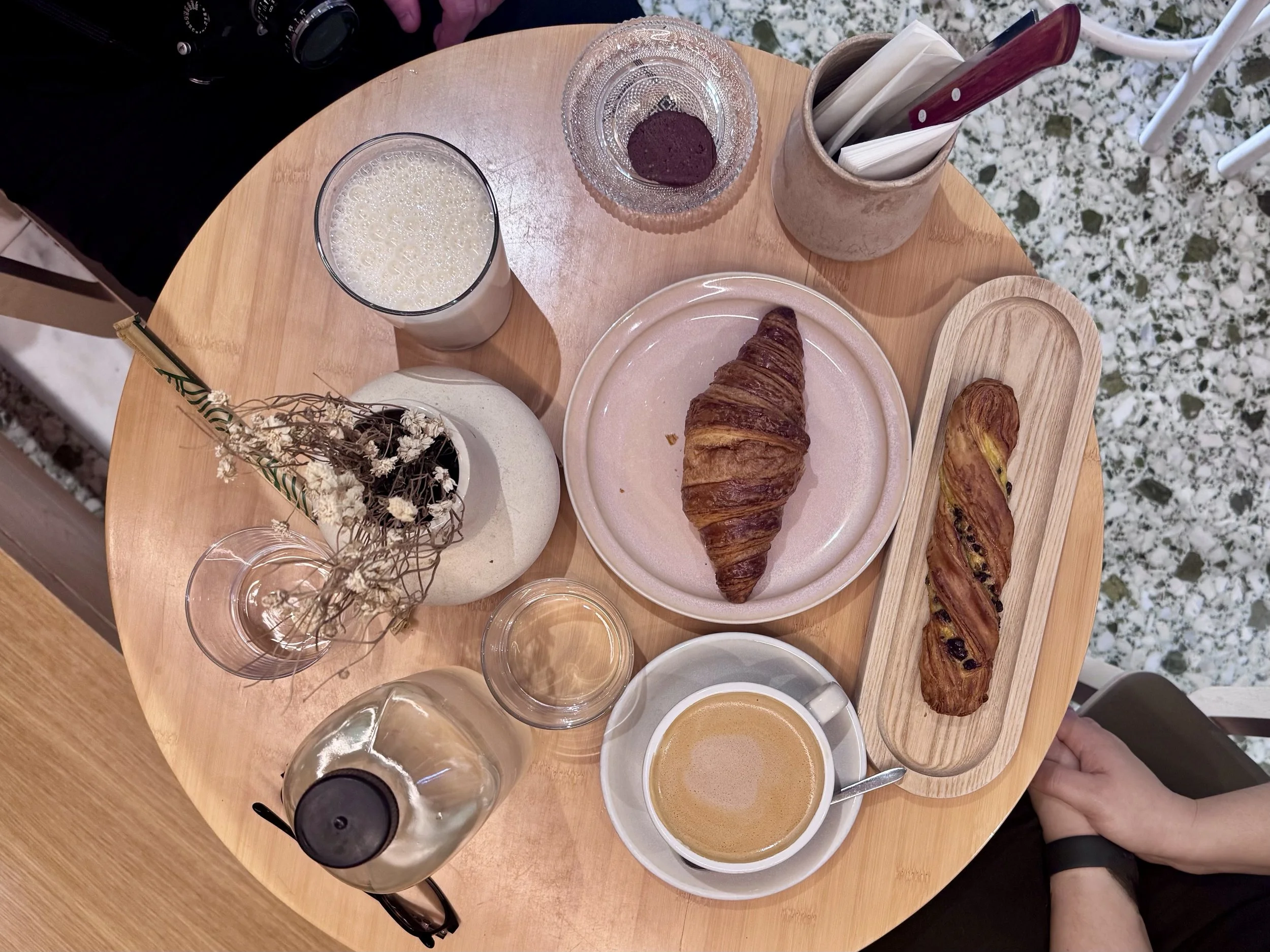
Pastries, Coffee and Smoothie
AbraOvata
LAKESIDE RESTAURANT · VOULIAGMENI LAKE · SEAFOOD & GREEK
Right at Vouliagmeni Lake, with fresh seafood, honest Greek cooking, and a setting that earns every penny. We had lunch here and it didn't disappoint, the seafood was fresh and the Greek salad was excellent.
Go hungry, order the seafood, and don't rush it.
The combination of the food and the lake views makes this one of the better meals you'll have anywhere in the Athens area. If you're spending the day at the lake (which you should be), this is your lunch.
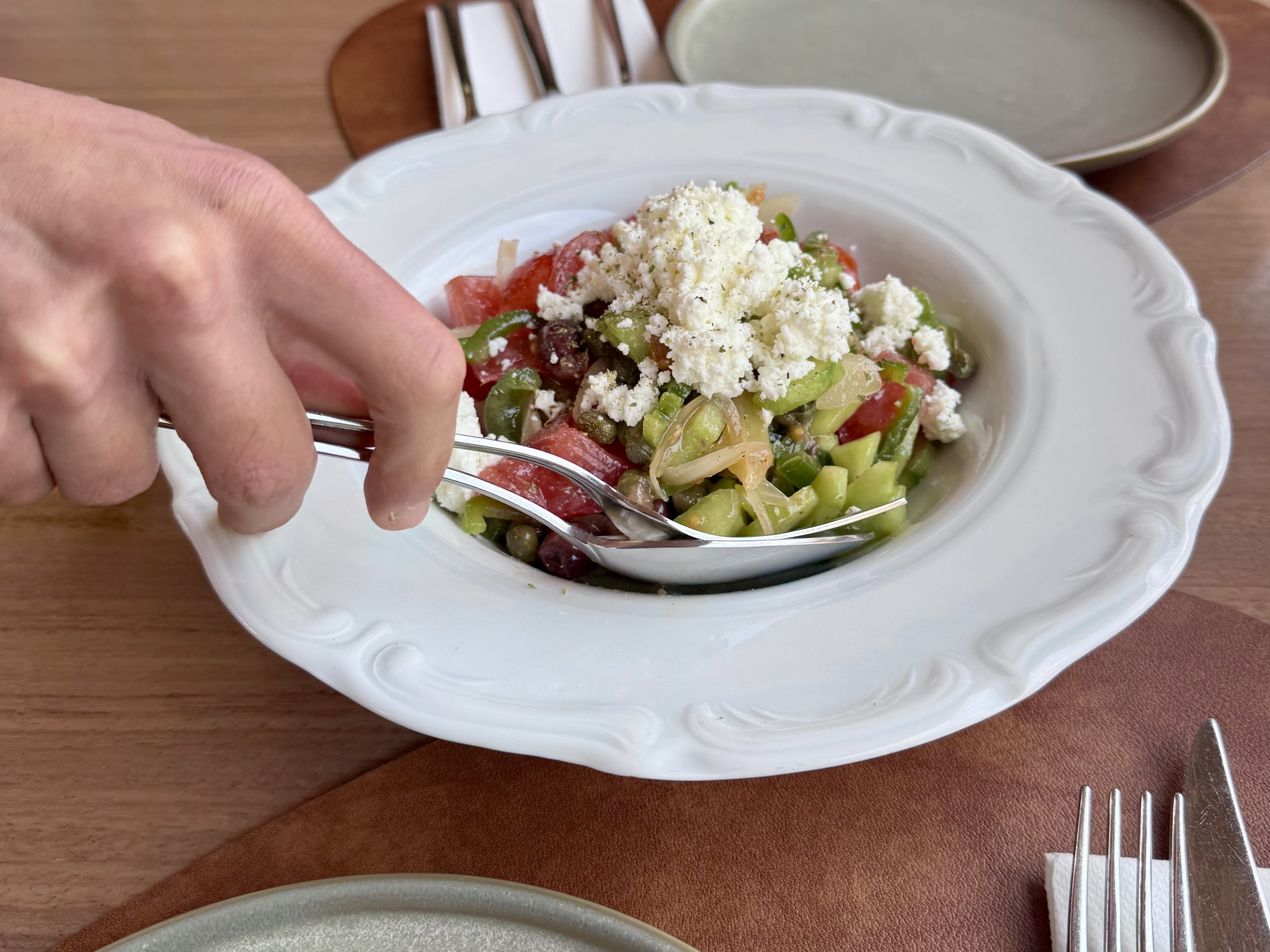
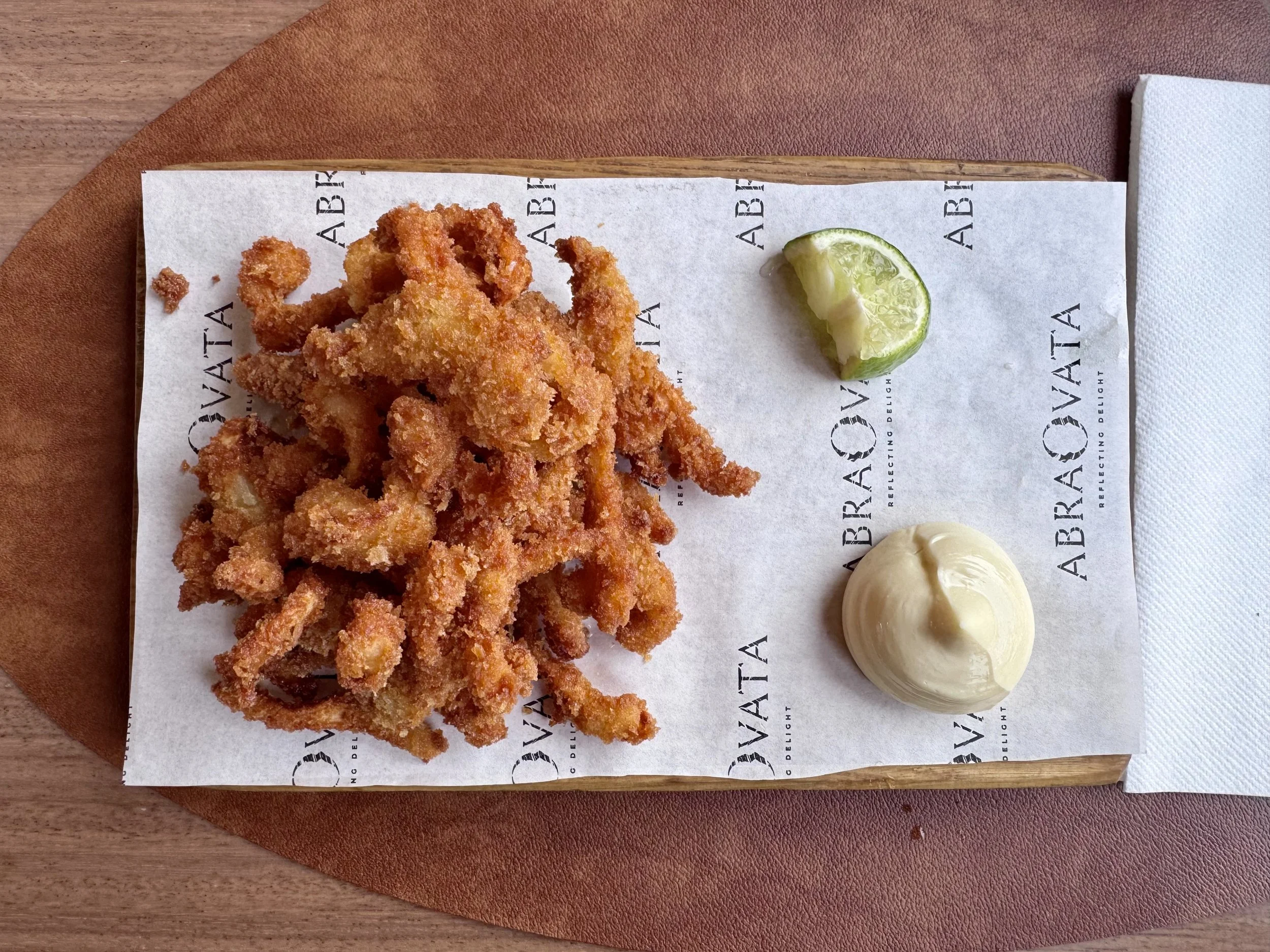
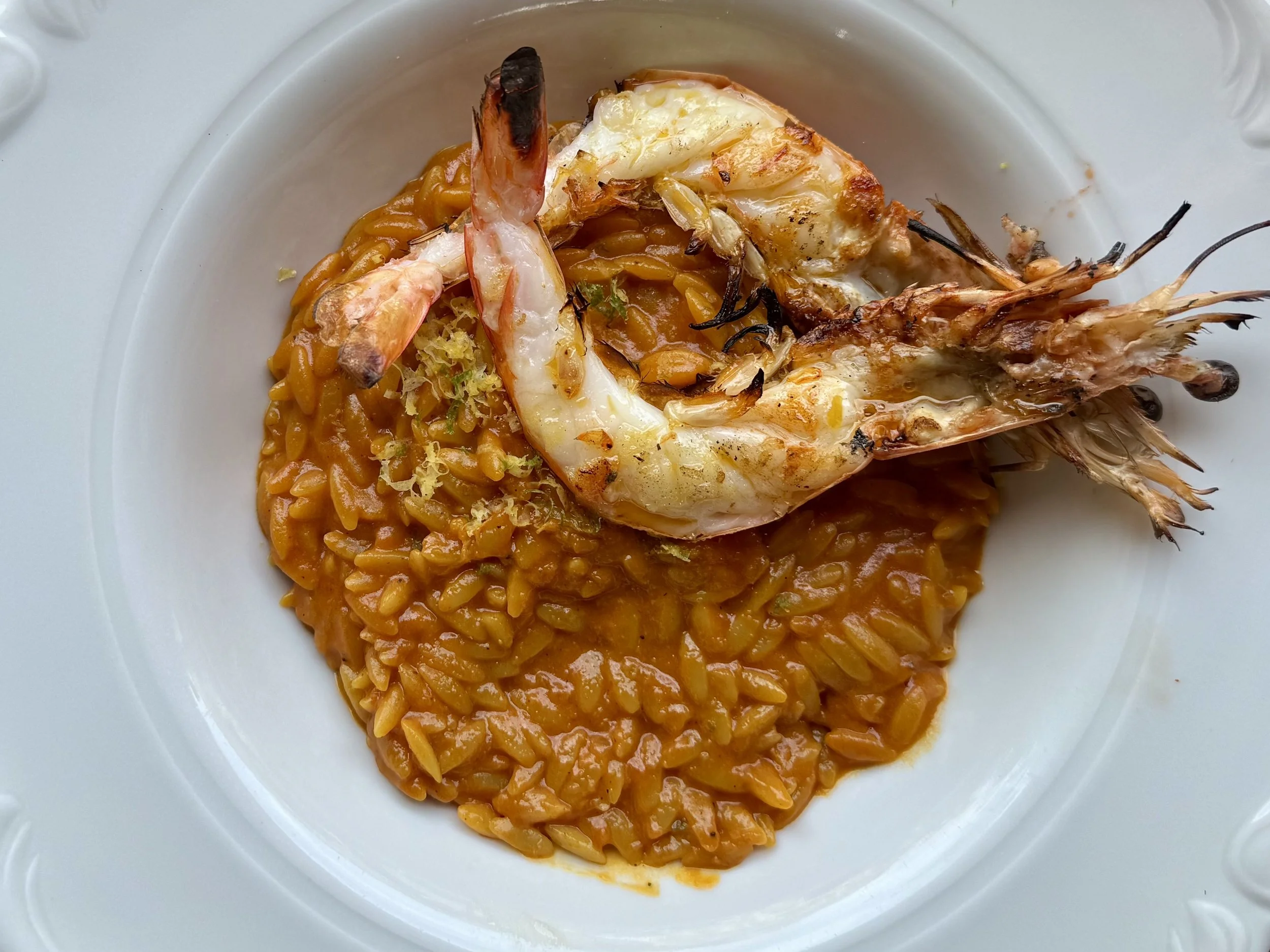
The Honest Bit
What Athens Does Less Well
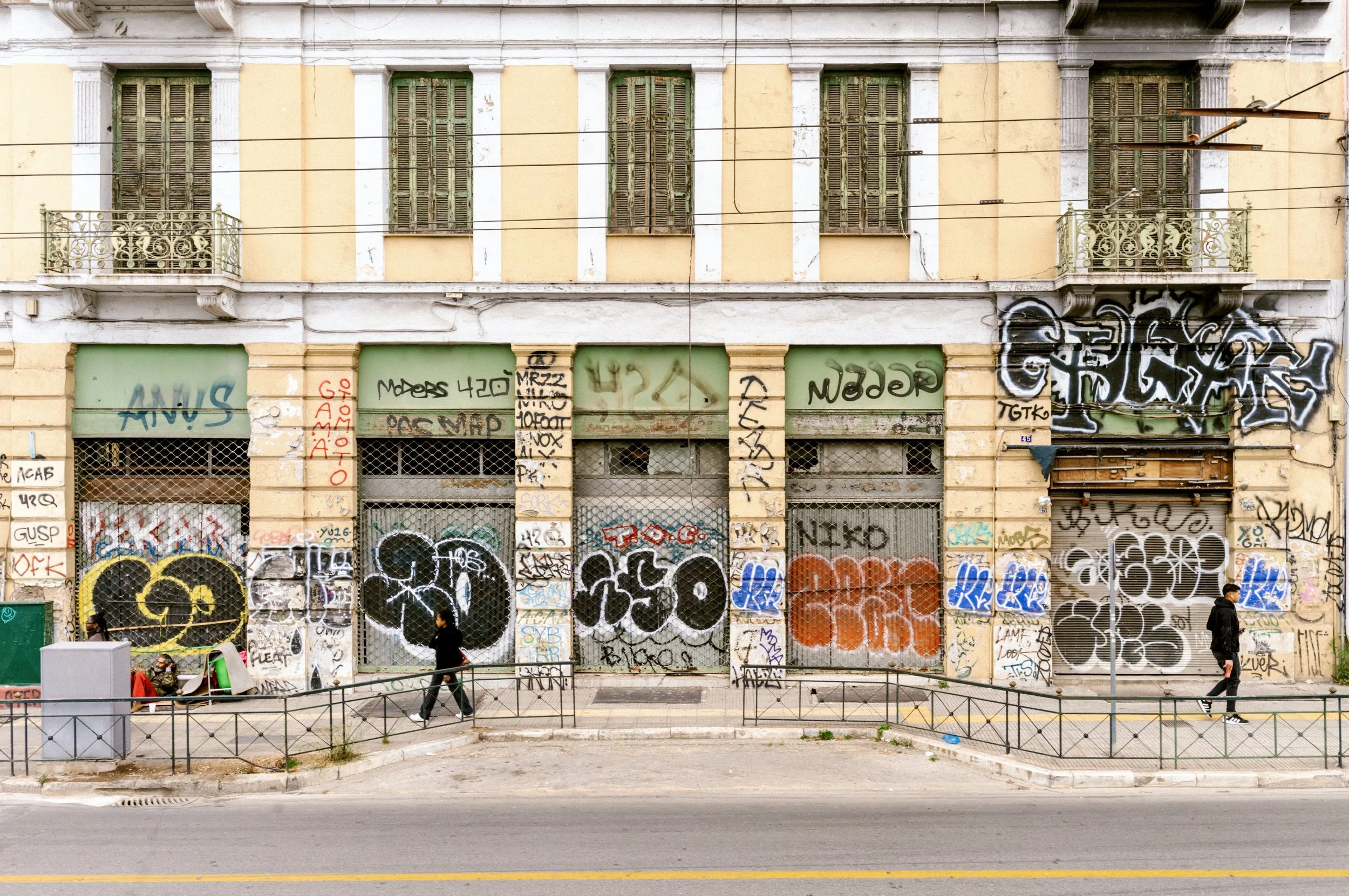
Graffiti on building
After you've done the obvious, the Acropolis, the museums, the historical sites, Athens can feel like a city that runs out of things to offer fairly quickly.
Some neighbourhoods, including parts of the route to Piraeus, show signs of neglect that the tourist areas paper over, run-down buildings, visible homelessness, and a rougher edge that's worth being aware of even if it doesn't affect safety for visitors in the main areas, and I recognise this isn't unique to Athens as it's visible in most major cities.
Athens is a city that clearly has the bones of something remarkable and in places like Psirri and around the ancient sites it delivers fully on that. But it's also a city that could do with investment in the areas between the highlights, you will see this if you get the Sights of Athens tour bus.
This isn't a reason not to go. It's a reason to base yourself well, plan your time carefully, and not assume every neighbourhood offers the same experience.
Day Trips From Athens
What I Wish I'd Done
I didn't manage any day trips on this visit and I regret it. Three in particular were on the list:
Hydra Island: A car-free island about two hours from Piraeus by ferry, known for its harbour, the donkeys that serve as the island's only transport, and a quality of light that photographers travel specifically to find. No vehicles means no noise, no fumes, and streets that have looked more or less the same for centuries.
Cape Sounion and the Temple of Poseidon: About 70km south of Athens on the tip of the Attica peninsula, with the ruins of the Temple of Poseidon sitting above the sea. The evening visit is the one to aim for, you can get trips on GetYourGuide for less than 20 euros . The temple at sunset above the Aegean is one of Greece's most photographed views for good reason.
Delphi: Is about two and a half hours northwest of Athens, the site of the ancient Oracle of Delphi and the sanctuary of Apollo. One of the most significant archaeological sites in Greece and genuinely worth a full day rather than a rushed half-day visit.
Final Thoughts
Would I Go Back?
Athens is a four-star city that contains some five-star moments. The Acropolis, seen properly (museum first, site second), Philopappos Hill at dusk for the view is everything a bucket list destination should be.
Vouliagmeni Lake is one of the best things I've done on any trip this year and I gave it half a day when it deserved a full one. The food, when you find the right places, is excellent. Psirri is a neighbourhood I'd happily recommend to people to base themselves in.
Would I go back? Not for a full city break, once the main sites are done, Athens doesn't have enough depth to fill another four or five days comfortably for me.
But I'd absolutely return for a day or two as part of a longer Greek trip where I would fly in, spend a night, hit the Acropolis and Vouliagmeni Lake properly, then move on to the islands, Kefalonia in particular is on the list. That version of the trip makes the most of what Athens genuinely offers without asking more of it than it can give.
⭐⭐⭐⭐
Four stars. Go for the history. Stay for the lake. Eat at The Hill.
HOW I'D STRUCTURE FOUR NIGHTS IN ATHENS
Day 1 — Arrive, settle in, explore Psirri:
Check in to Psirri, walk the neighbourhood, find Picky Brunch for coffee, explore the street art. Easy evening at Warehouse Assemblage. Get your bearings without an agenda.
Day 2 — Acropolis Museum, then the site
Acropolis Museum at noon (two hours minimum). Lunch nearby to fuel up. Southeast entrance (Dionysus Theater) for your afternoon site slot (book early morning or late afternoon if you can). Download Rick Steves Audio Europe before you go. Philopappos Hill 45 minutes before sunset for the view.
Day 3 — Greek and Roman sites, Parliament, The Hill
Ancient Agora in the morning. Temple of Olympian Zeus. Roman Agora and Tower of the Winds, Hadrian's Library. Syntagma Square for the changing of the guards (hourly, or full ceremony Sunday 11am). Dinner at The Hill but book ahead and ask for a terrace table.
Day 4 — Vouliagmeni Lake (full day)
Hop-on Hop-off bus or taxi to Vouliagmeni Lake. Swim. Lunch at AbraOvata. Chill and relax until the light changes. This day deserves protecting so don't half-do it.
Day 5 — Depart or extend to the islands
If extending: ferry from Piraeus to Hydra for a car-free island day, or head to Kefalonia. If departing: morning walk through Plaka, final coffee at Picky, done.
Follow along on Instagram @deanomooreo and let me know if you have been to Athens and did anything different?
My next blog will be on my week away in the South East of Mallorca visiting its pristine fjord-like coves (calas), white-sand beaches, and traditional fishing villages and Palma de Mallorca the sun-soaked capital of Spain's Balearic Islands.