Rome Travel Guide: A Traveller’s Guide to the Eternal City
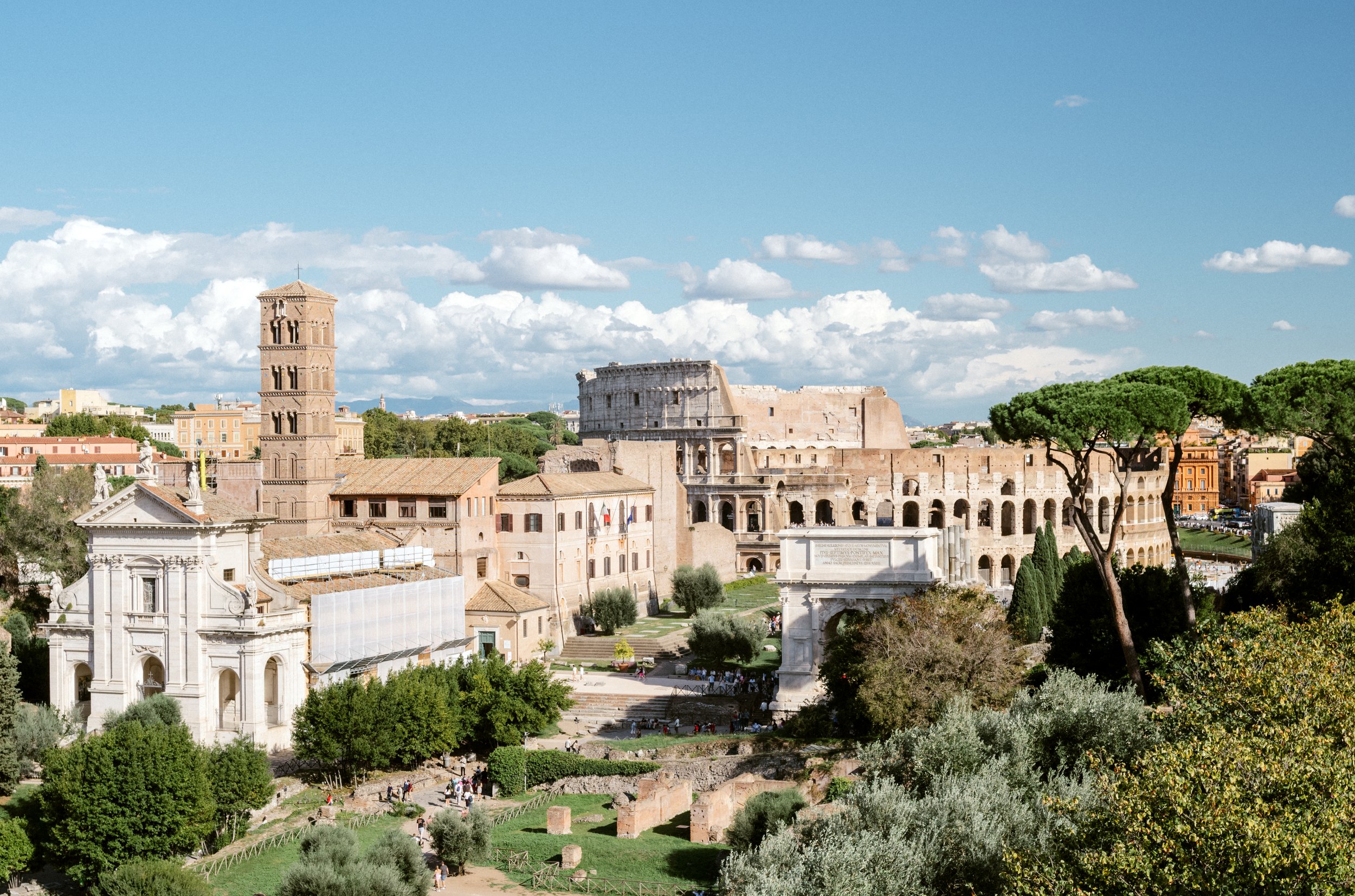
View of The Colosseum from Palatine Hill
Ancient Rome on Foot and Camera, Pizza and Alcoholic Espresso: Six Days Exploring the Eternal City
Friends, Romans, countrymen, lend me your ears!
This Rome travel guide will show you why Rome has always been one of those places that has sat high on my bucket list and not just because I’m a fan of the golden era of Hollywood epics (and yes, Gladiator absolutely had an influence), but because it ticked all boxes for me: history, art, food, scooters, and more recently, the inspiration of photographers like Stefania Mirabella and Eolo Perfido. Add to that countless espressos, some even alcoholic and you’ve got a city that lives and breathes character.
Why visit Rome, Italy? The simple answer is because it’s one of the few cities in the world where you can quite literally feel time fold in on itself. The cobblestones still echo with ancient footsteps, especially walking through the Roman Forum and round the Colosseum, the skyline is a living museum, and the light that spills between the ruins has a warmth that’s hard to describe, especially through a camera. Whether you’re there for the history, the food, or just to experience a slower rhythm of life, Rome has a way of reminding you to live la dolce vita.
Not to be controversial, but while Rome didn’t disappoint (I genuinely had a brilliant time), the Sistine Chapel was surprisingly underwhelming but this is something I’ll dive into more on the blog entry for Vatican City. Still, I’m glad to have seen it, because that’s what travel’s all about: forming your own view beyond the postcard image.
Going to Rome, my £275 trip budget didn’t stand a chance. Flights were £200, the apartment £773, and activities £242, totalling £1,215 for two people, before food or espresso stops. I combined my September and October trips to cover Rome and Vatican City before Japan in December so it was a longer stay of five nights and after 43°C heat in Marrakech, autumn felt like the smarter choice for Rome, cooler days, fewer crowds, and perfect light for exploring with the camera.
For a smaller-scale UNESCO city break closer to home, my guide to a day in Durham covers the Cathedral and Castle in the North of England. This entry of my monthly travel challenge covers my time in the Eternal City apart from Vatican City which is the next blog entry I’ll do.
The Short Read
Where I stayed:Airbnb Trastevere (15mins from Venezia Piazza on the tram).
Places Visited: The Colosseum, Roman Forum & Palatine Hill, The Pantheon, Explored Trastevere, Chiesa di Sant’Ignazio di Loyola, Trevi Fountain, Spanish Steps, Castel Sant'Angelo, Piazza Navona and Monument to Victor Emmanuel II. (See Vatican City post).
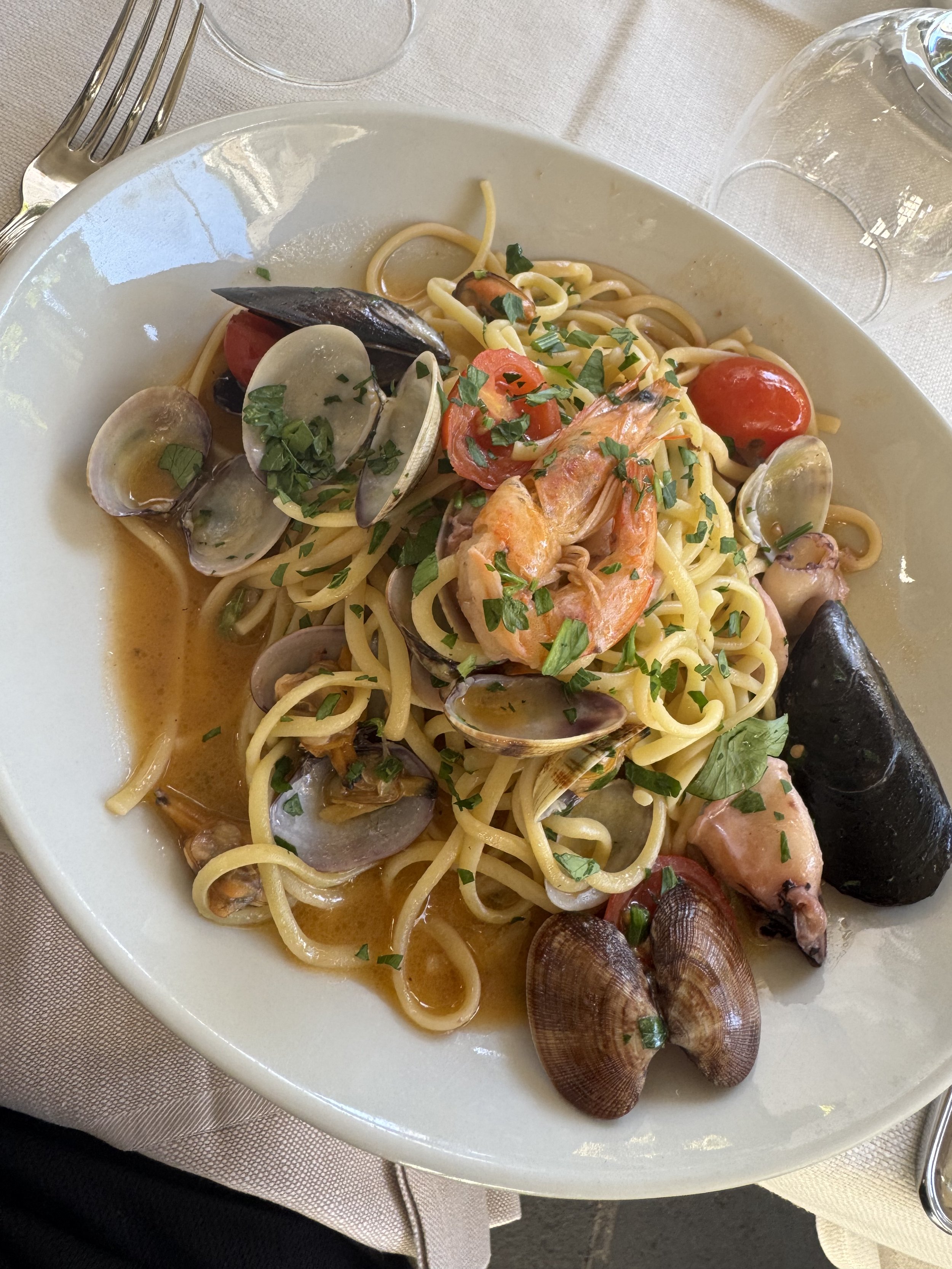
Quick Eating Recommendations:@appetitopizzagourmet,Fattorie Garofalo at Roma Termini, Mordi e Vai, @allanticovinaiofirenze@gelateriagiuffre and @Trapizzino
Restaurants:Restaurant angolo dell`aurora, Da Enzo al 29 , almororoma, trapizzino and armandoalpantheon
Camera Kit: Leica M11, Leica 35mm f/2 Summicron, Zeiss 28mm f/2.8 ZM and Urth CPL filter.
Final Thoughts: Rome exceeded all of my expectations, full of friendly locals, easy transport, incredible light, and endless photo spots through beautiful historic streets.
Buy food from local spots as they are great quality and cheaper than tourist trap restaurants. Bring a refillable water bottle to enjoy Rome’s clean spring water, plus a fan, a cap for shade, and good comfy shoes for the heat and uneven streets.
Ciao!
Would I go back: Yes and for longer as I love all the opportunities for street photography here!
Overall Experience: ⭐⭐⭐⭐⭐
Keep Scrolling for the Long Read and Pictures
Where I Stayed
Having an apartment in Trastevere as a base was exactly what I wanted for my Monthly Travel Challenge, great to walk around the neighbourhood, cafes, supermarkets, and very good transport links close by.
It really was a home from home in Rome!
B House, where I was staying has recently been renovated with a clean, modern feel, it’s a calm hideaway in one of Rome’s most atmospheric quarters, booking is very easy on Airbnb and for this apartment we were met by the Host who was very helpful and friendly throughout the whole duration of the booking. If you want to stay at B house for you trip to Rome the link can be found here.
A bit more on the Location, walk out the apartment turn left for 50 metres and as you cross the road you are at the tram stop. Get the number 8 tram to get to Venezia in 15mins, as soon as you step off you will see the Monument to Victor Emmanuel II. Then less then 500 metres walk will get you to Roma Trastevere Train Station with a direct line to the Aeroporto di Roma Fiumicino Leonardo da Vinci (FCO). Roma Trastevere will get you to Vatican City stopping at Stazione S. Pietro in 30mins followed by a short walk on foot.
So after a big day of walking and eating it was lovely to come home to a quiet, comfortable space that actually lets you switch off.
First Day of Wandering Through Rome
Flowers on sale at Campo de' Fiori
As I had a number of activities booked later in the trip I left day one open for a free wander to explore without having any expectations of going to specific locations, it was a good chance to see how the public transport system worked too.
Using the tram was very easy, tap on tap off with your phone and super cheap, from Trastevere to Arenula/Cairoli cost me 97p! insane compared to the UK prices.
I started wandering towards Campo de' Fiori (Field of Flowers) where you can find a bustling market filled with flowers, fruit, and local produce all watched over by the statue of philosopher Giordano Bruno (which you will see in the image below). I love places like this as there is a wide range of people doing a lot of different things, which makes for interesting photos.
Following this I walked past a church called Sant'Andrea della Valle before coming to Osteria Da Fortunata which is a restaurant where you can see ladies preparing pasta in the window.
So after wandering for a while something I did spot as I was walking about was the City Sight Seeing Tour Bus which I loved when I was in Berlin. So I decided to give it another go and see the city from a different view point and work out locations better.
Organised chaos would be the only way to describe the experience from the process of getting sorted with a street vendor for tickets, waiting for buses to turn up was lengthy at all stops, drivers weren’t professional: often jumping off and shouting at people! and then the bus stopped running an hour early (luckily at the Roma Terminal so I was able to get a direct train back). The complete opposite to Berlin.
However, it was good to see the sights quickly and work out where locations were ready for the next few days. I was able to jump off and see the Spainsh steps/Trevi Fountain and then back on to drive past the Colosseum different viewpoints and then chance to see Circus Maximus, the ancient stadium for chariot races at an elevated height to look down into the large green space to get a sense of the size of what this stadium would have covered.
I’m in Malaga and Seville in the next few days so will try again, fingers crossed for a better experience!
The Colosseum, Roman Forum & Palatine Hill
The Colosseum
The Roman Forum
So day two saw me head off to the Colosseum, Roman Forum and Palatine Hill. I was extremely excited and got the Tram to Venezia and then walked to Crown Tours to exchange my GetYourGuide voucher for fast track ticket entry to all of the above. This ticket costs £15.61 and it was simple and quick exchange with clear instructions to get to the fast track entry point. Tickets like this are also timed entry so make sure you get there at the right time.
Getting into the Colosseum was very quick on this ticket and I walked straight in after security checks (have your passport).
Once in the Colosseum you start to feel very small standing next to columns and arches, as you will see in the images below. The Colosseum is huge and after seeing the amphitheater in Pula, Croatia in May, I didn’t think it would be that much bigger but it is and it takes a while to walk all round taking it in. It’s crazy to think this building started construction in 72 AD and is 1,945 years old. It wasn’t till the 18-19th century that the Popes began protecting it and restoration projects started.
It can be a bit confusing which direction to go when it’s a busy time as everyone is moving in different directions. I’d recommend starting on the bottom floor walking round in a circle and going out on the partial landing to view the underneath of the arena and then making your way up to the next level.
There are multiple spots for taking photos, just take your time once you find a spot to shoot the image from and resist the pressure to move quickly for others, inside from the different levels you have lots of different shots you can take, you will see my 4th image below (slightly out of focus) is the view point of where the emperor would sit during the games.
Outside, due to the fallen section you can create shots that focus on the shape it creates or the shape and detail on the arches, if you want to get the full Colosseum in the frame make sure you have a wide lens, I had a 28mm and it wasn’t wide enough even with moving as far back as I could.


Rome City Skyline from Palatine Hill
The Roman Forum and Palatine Hill are two of the most historically significant sites in the city of Rome. Wandering around these sites literally feels like walking through history as it really gives you the sense of Ancient Rome, where the marble columns of the social heart of ancient Rome still stand, emperors, senators made public speeches, held trials and worshipped gods and goddess’s.
Something that really stands out is how big and grand the Temple of Saturn, Arch of Titus, and the House of the Vestal Virgins would have been, which you can see in some of the images below where you see people standing or sitting next to the structures.
Just above the Forum is Palatine Hill, which is one of the seven hills of Rome and the birthplace of the city. According to myth, this is where Romulus and Remus were found and where Romulus later founded Rome. This then became the exclusive residence of emperors and aristocrats due to the views over the Forum and the Circus Maximus below.
The sights from Palatine Hill are stunning and you can see all the skyline of Rome’s history from the hill.
Top Tip: Book your tickets before going to Rome as my timed entry ticket was only available for 12.30pm as I left this late to book. This meant that I was taking images in the harsh light due to the time, so had to use filters to support the shooting of images. If you want to shoot in better light go later in the afternoon/evening to get that golden hour light, so book ahead.
Whenever walking round these sites wear good footwear as it’s very uneven with the cobblestones and take a water bottle so you can refill at the water stations for free. It takes a while to walk around the sites so make sure you have eaten before going in or have a snack in your bag.


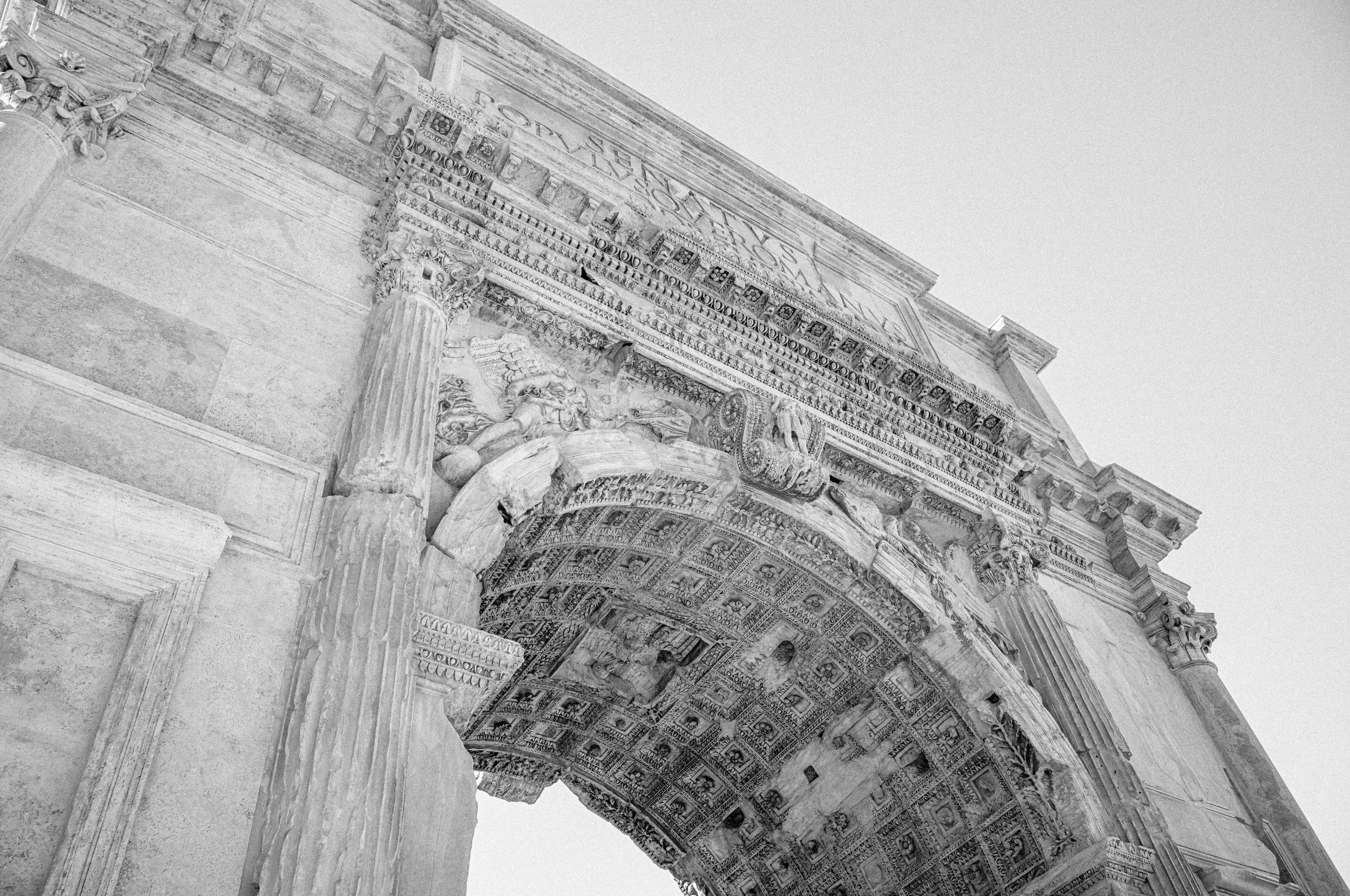


Spanish Steps and Trevi Fountain
Spanish Steps
Trevi Fountain on 28mm lens
I’m going to be honest at this point I’m not quite sure what the fascination is with the Spanish steps, it’s very busy and well its just some steps with a water feature at the bottom and a church at the top. I know a few movies like The Talented Mr.Ripley (great film) was filmed there but it’s not really enough to go see them.
Top tip: give the Spanish Steps a miss and spend time elsewhere.
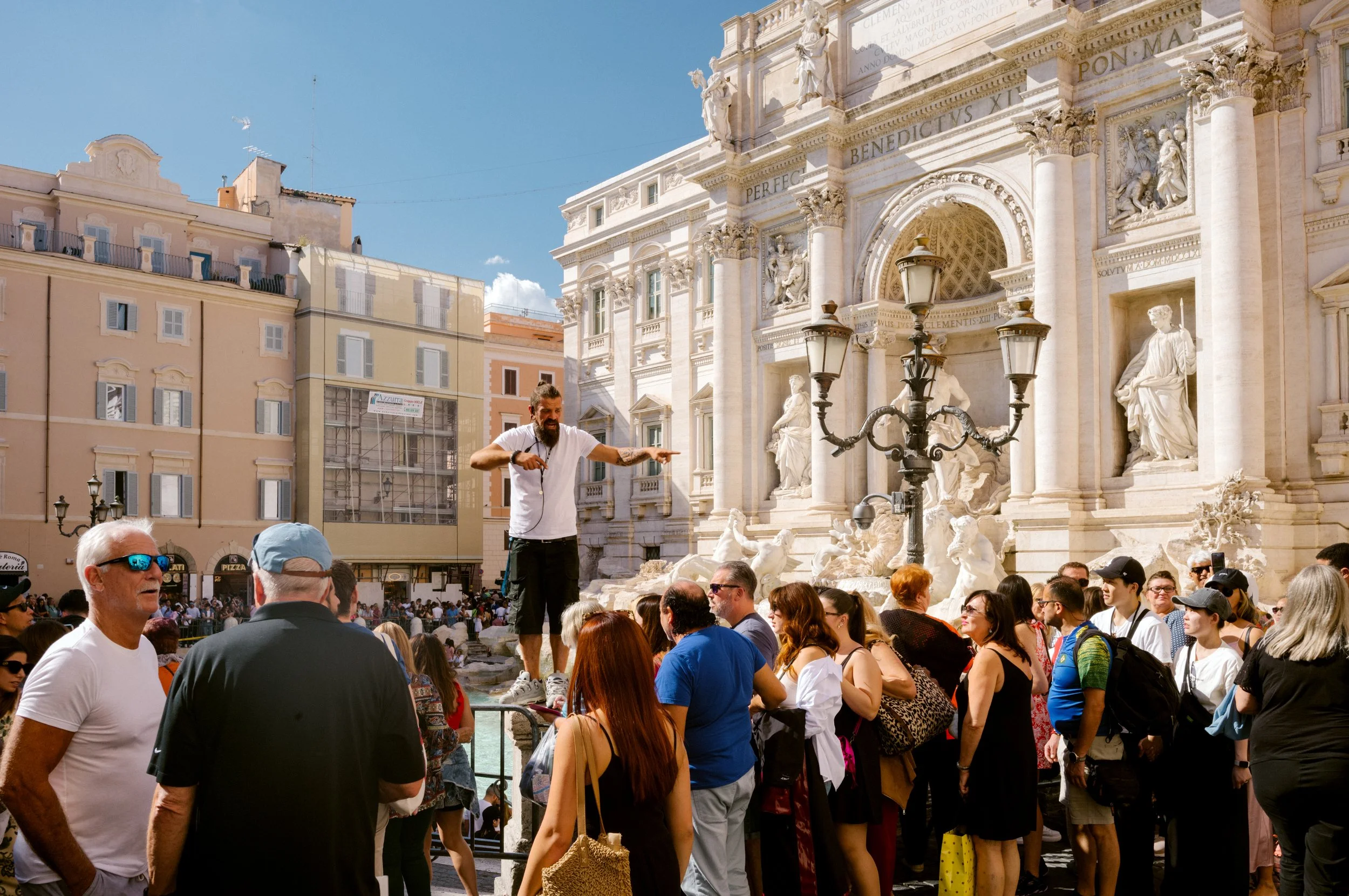
The Trevi Fountain however, is a masterpiece to marvel at and unless you are going at 5/6am expect it to have people there, if you scroll down to my street photography images the fourth image shows the guards trying to manage people during peak times.
Take a wide angle lens to get this shot as 28mm was very tight stood right back at the wall of the shops so use your phone or a wider lens.
If you want a different view point to see the fountain go to the first floor window in the United Colours of Benetton shop, normally a short queue but great for a selfie too.
Don’t forget to throw in a coin with your right hand over your left shoulder with your back to the fountain to ensure you return to Rome.
Shot from the first floor Window of United Colours of Benetton
The Pantheon
The Pantheon
The Pantheon Dome
The Pantheon, was a great experience, again booked via GetYourGuide with fast track tickets, costing £13.01 a ticket. As with the Colosseum getting in was very quick and there is no time limit once inside, although this is a quick visit 45mins max.
If you click on the video below of the Pantheon you will see the inside which is a vast circular space crowned by a perfect concrete dome with a central oculus that floods the room with natural light, there is a floor design for rainwater to drain away and prevent flooding.
It’s interior is also a perfect hemisphere.
The dome is the largest unreinforced concrete dome in the world. Only recently has it been discovered that the concrete used is actually self-healing so if cracks form, moisture reacts with lime, creating a calcium solution that recrystallizes to seal the cracks.
The Romans really did think of everything!
The beam of sunlight that enters through the oculus, glides across the dome and walls, acting as a natural sundial marking time and seasons inside the Pantheon. Which was an important part of the design for the Romans and their worshipping to the gods.
One of the reasons that the Pantheon has remained in such good condition is that throughout the centuries, many different individuals have used this as a place of worship. You will see around the walls are Corinthian columns, Christian chapels, and tombs of Raphael and Italian kings.
It is a very calm atmosphere in the Pantheon and felt very enlightening walking round and looking up at the dome.
I’d advise after you have had your visit here that you take the short walk to Chiesa di Sant’Ignazio di Loyola to view the chapel and its roof is just as good as the Sistine Chapel if not better so it’s a great spot to stop off at, see the video below.
Top tip: Donate a few euros (cash) even if you don't queue to use the Instagram famous mirror that looks up at the ceiling and a word of warning queuing takes hours.
Inside of the Pantheon
Chapel Roof Painting of Chiesa di Sant’Ignazio di Loyola
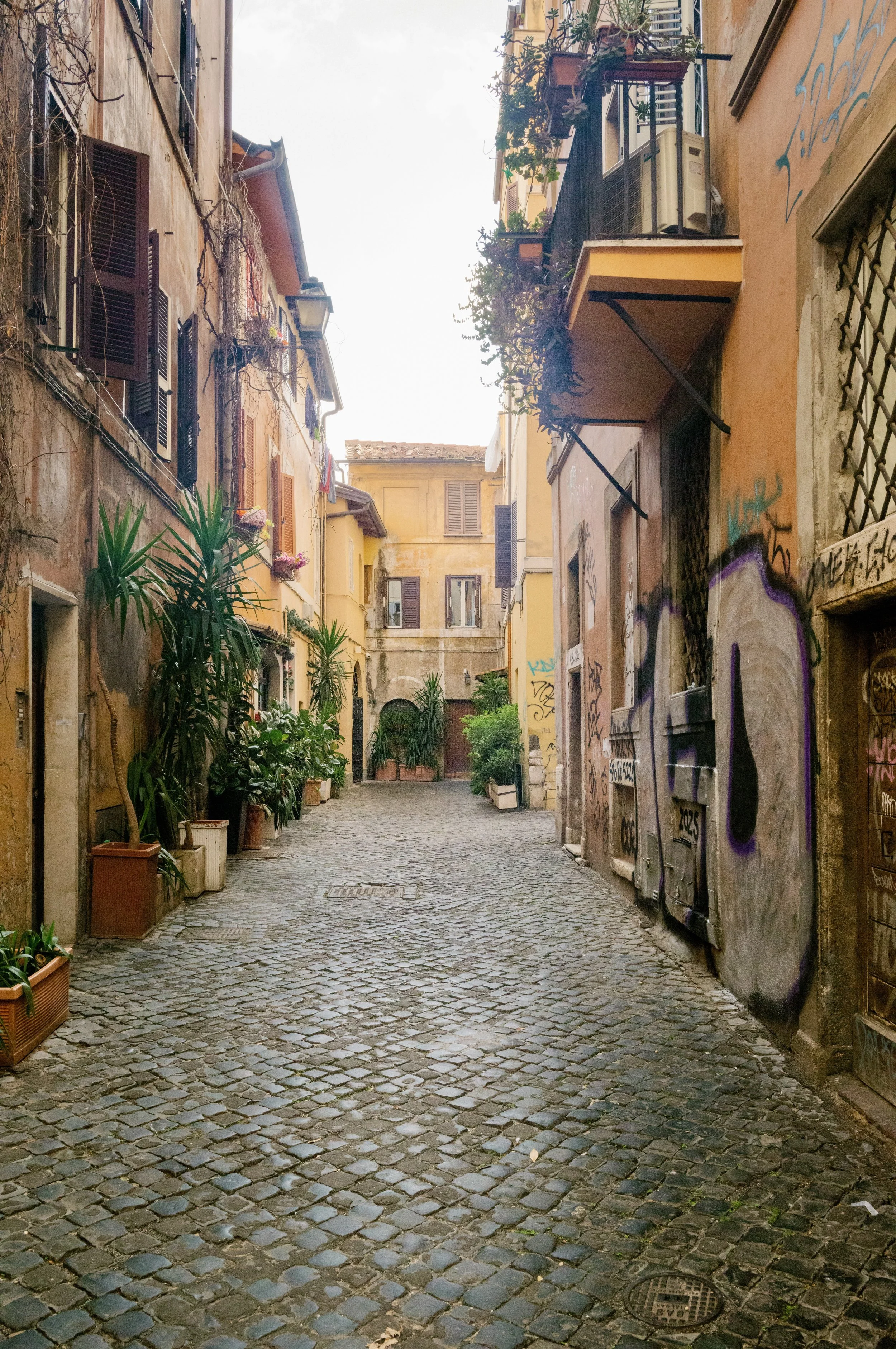
Getting Lost in Trastevere
Getting lost in Trastevere was one of the best things I did in Rome and honestly is something I wish I’d done more of during my visit.
My advice when wandering Trastevere is to have no plan, just experience the maze of cobbled streets and feel the magic that this old neighbourhood holds.
Evenings really see Trastevere come alive and you’ll pass ivy covered walls, cafés spilling onto the pavements where locals chat over espressos, and tucked away courtyards that seem to appear out of nowhere. Trastevere provides a very inviting atmosphere which is perfect for slow wandering and a long evening meal in a hidden trattoria that you have just discovered.




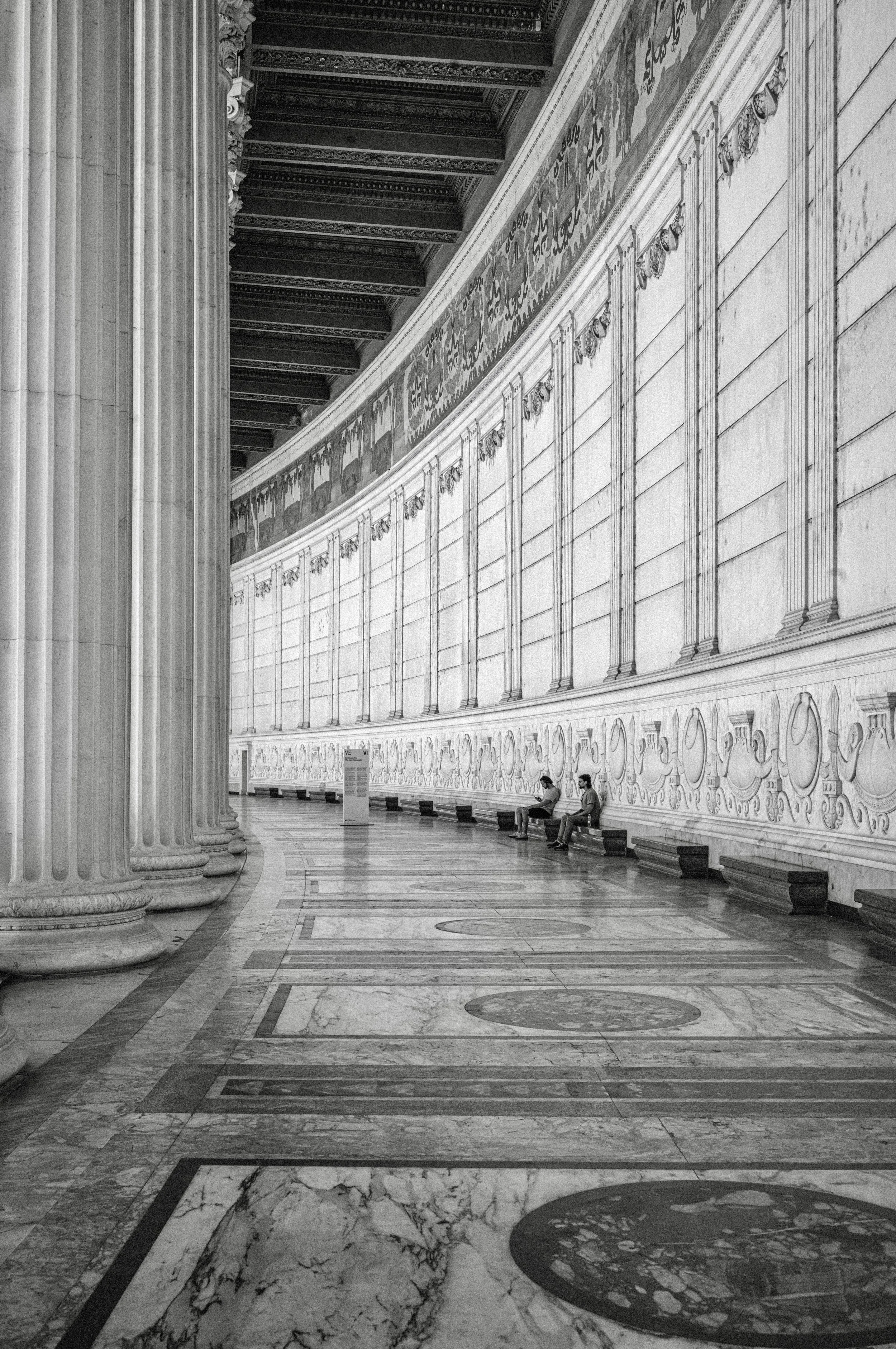
Monument to Victor Emmanuel II
Monument to Victor Emmanuel II
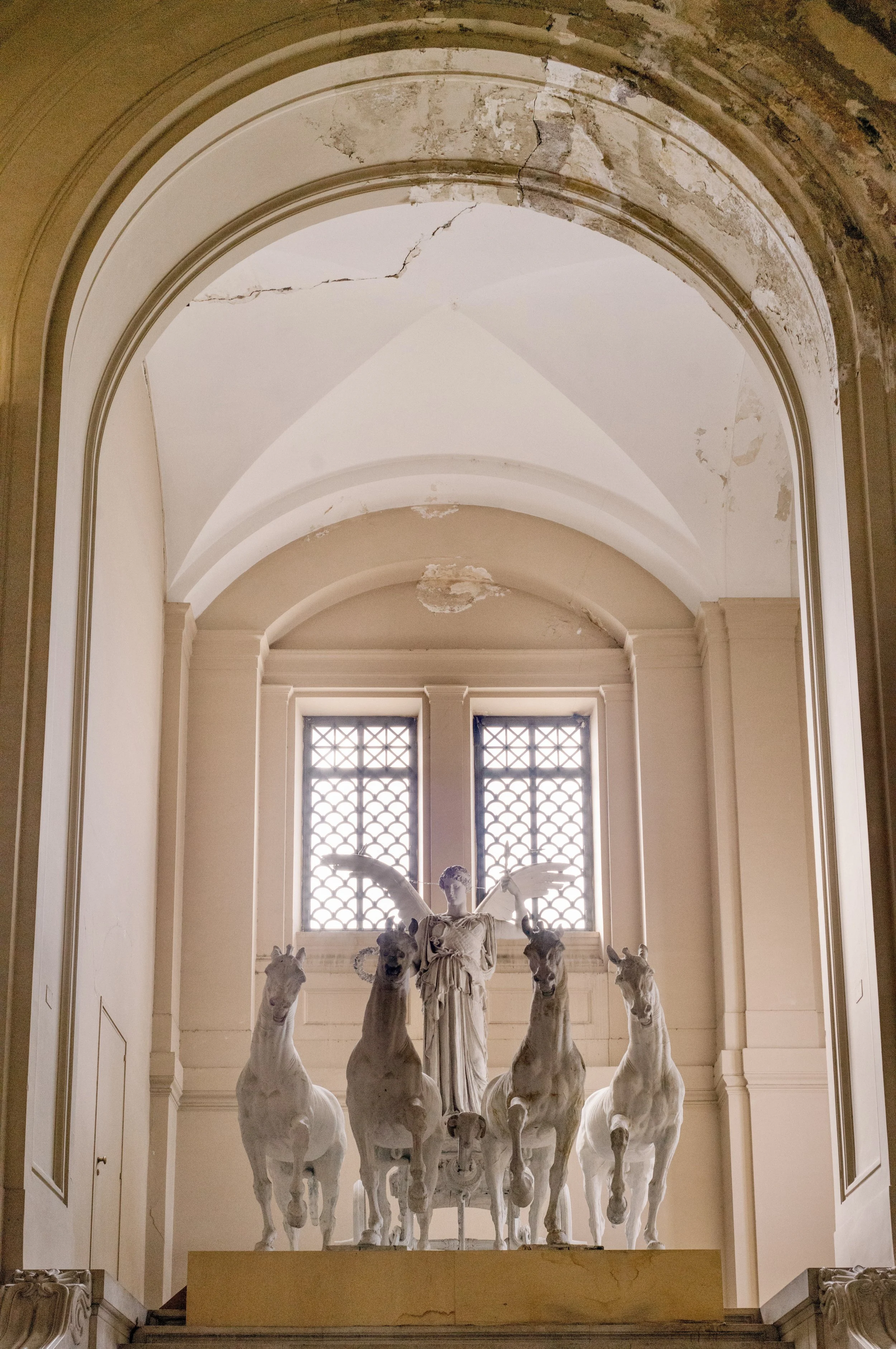
The Monument to Victor Emmanuel II is impossible to miss, you can see it from most spots and for me when I was jumping off the tram at Venezia it was directly opposite the stop.
The monument is a tribute to Italy’s first king, its scale and symmetry make it both imposing and beautiful, especially when the afternoon light hits the white stone.
The image above was shot on a 28mm lens and I was at the fence at the bottom of the steps to get this image, so a slightly wider lens would capture the edge of the monument more.
From the panoramic terrace, the views stretch across the city, you will see domes, rooftops, and the Colosseum in the distance. There is a great terrace bar where you can get some food and order an Aperol Spritz to just admire the views. This was one of my favourite experiences.
Entry to the site is free with security checks, but if you want to get to the panoramic terrace then a combined ticket for elevator up and museum is £11.45 which is worth it to see all of Rome.


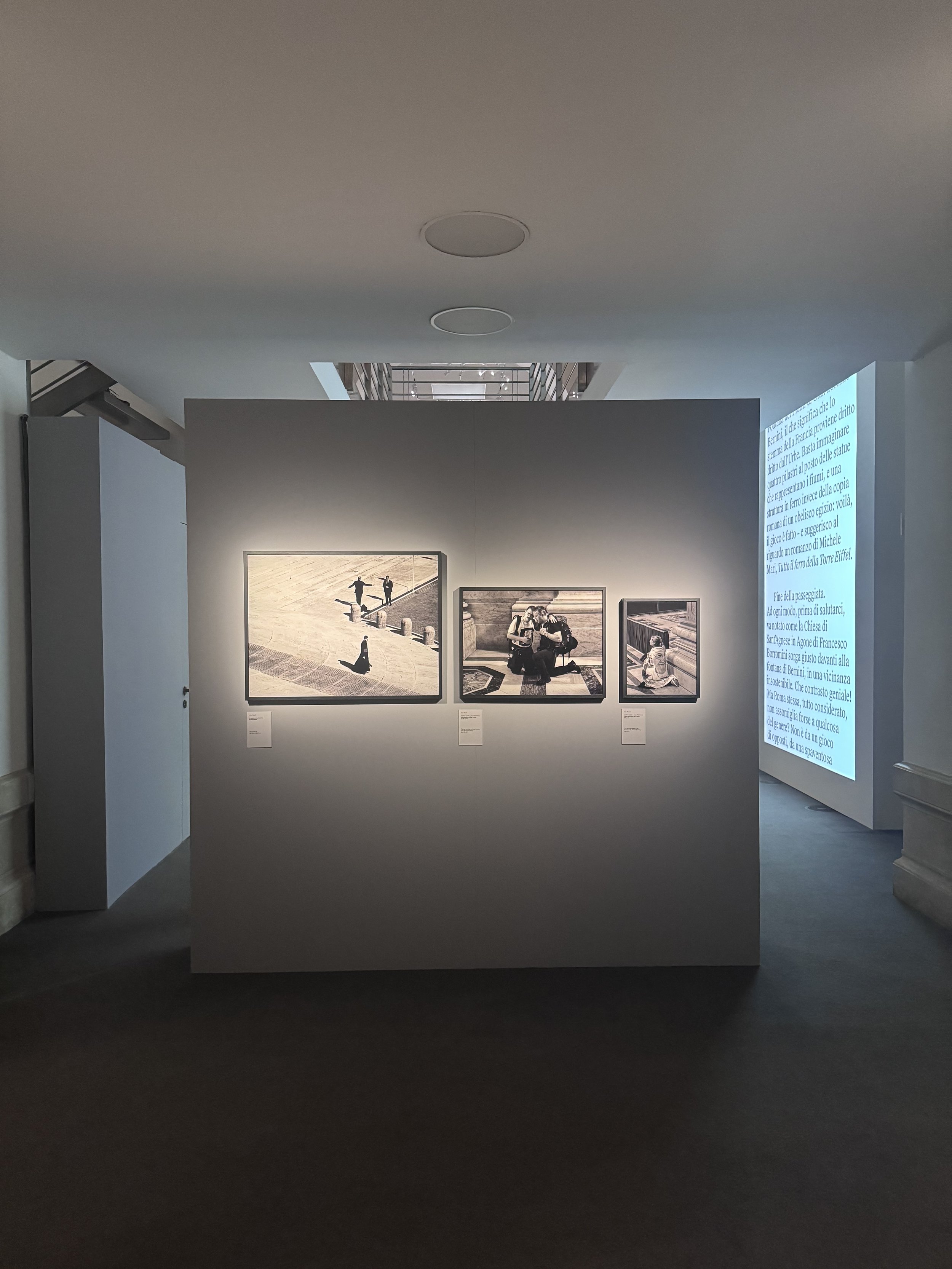
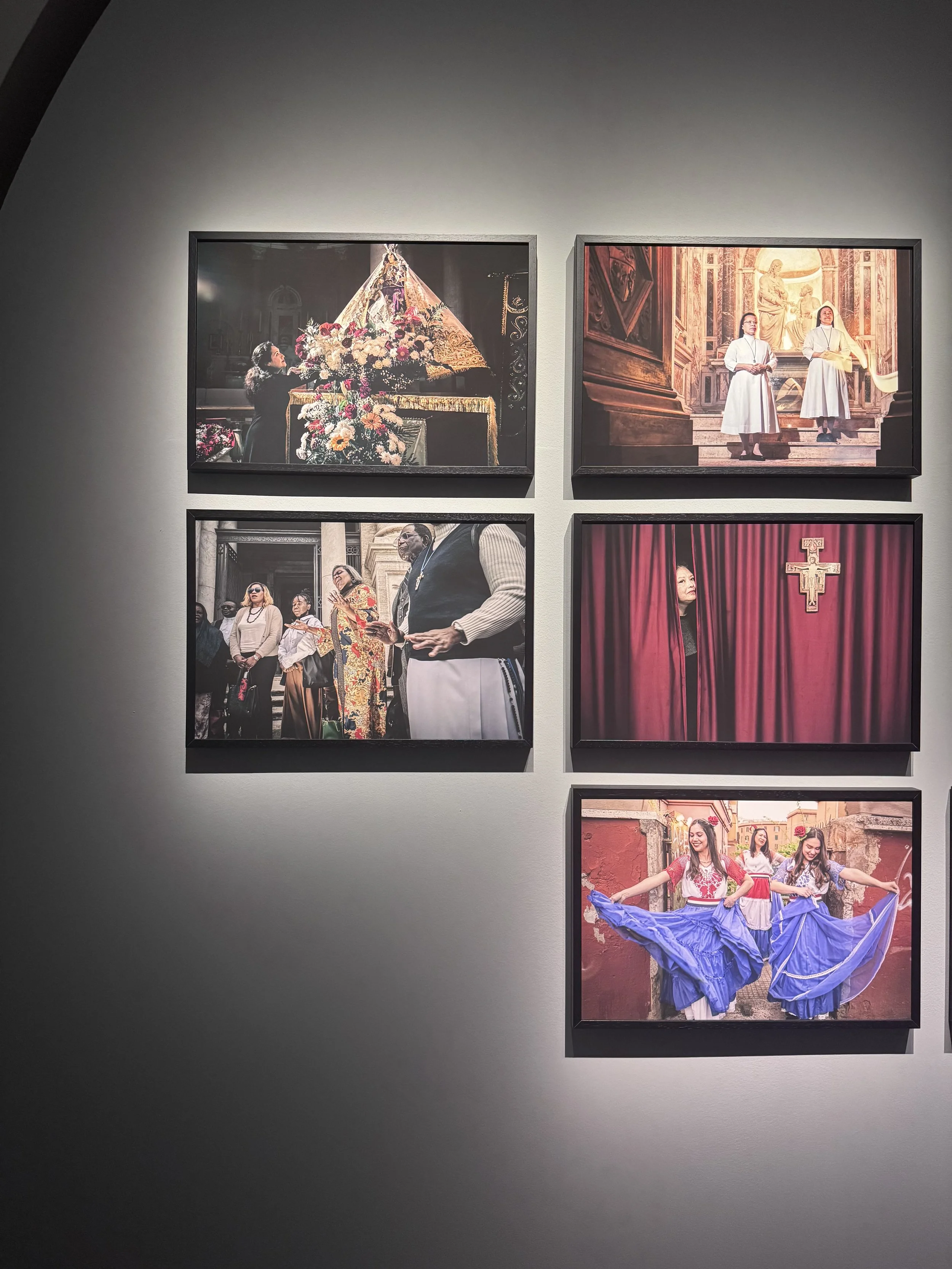
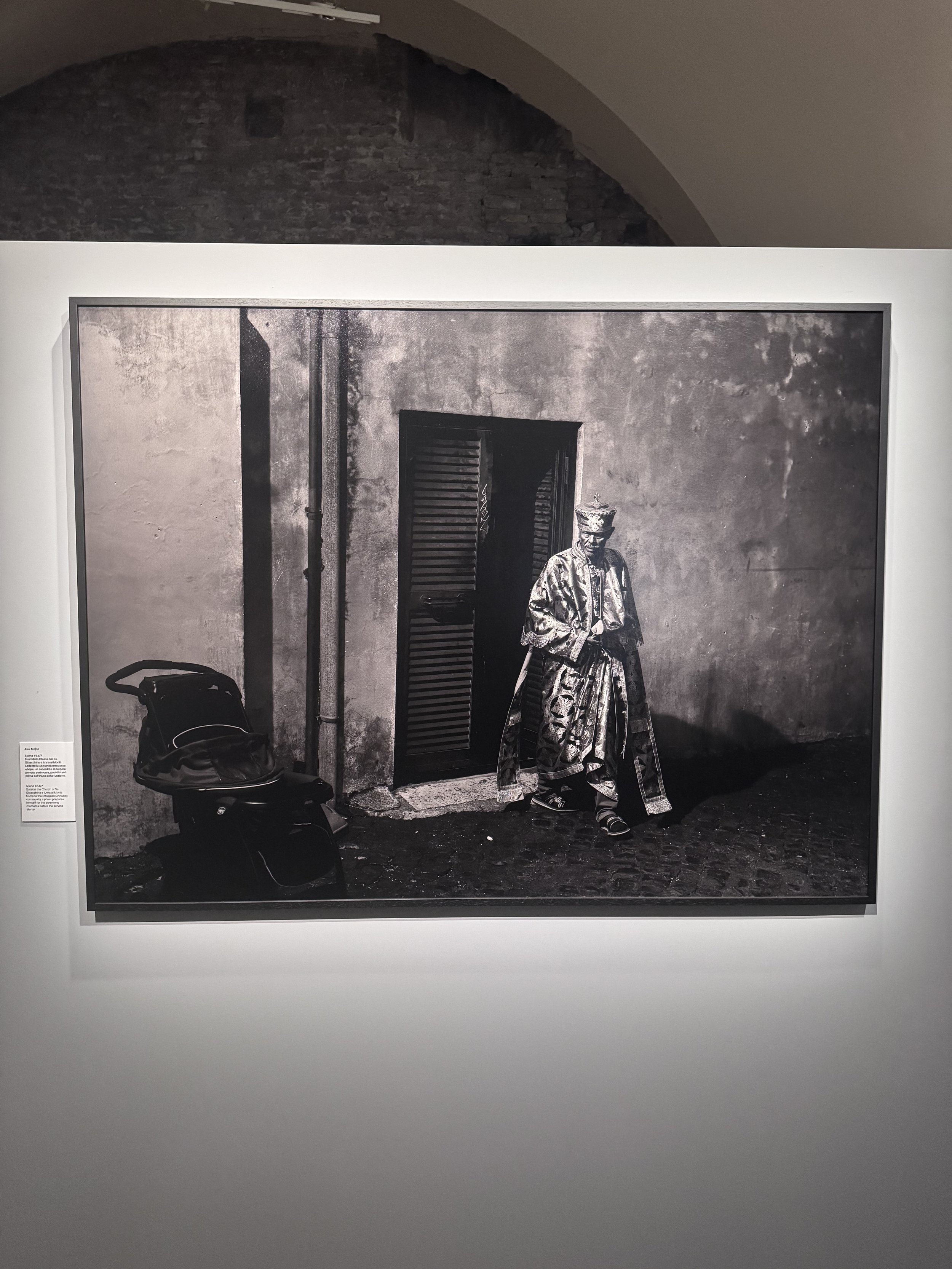
The Citta Aperta 2025 (Open City 2025) was on exhibition at the Monument to Victor Emmanuel II so was a no brainer to take some time out and appreciate a photographers work.
This exhibition has been running from 26 June and is due to finish in October 2025. There is also a display in the Palazzo Venezia gardens. It is part of the city’s Jubilee Year celebrations, featuring over 200 images by Photographers such as Diana Bagnoli, Alex Majoli, and Paolo Pellegrin. The images capture Rome’s people, faith, and transformation through powerful visual storytelling.
Below are some of my favourite.
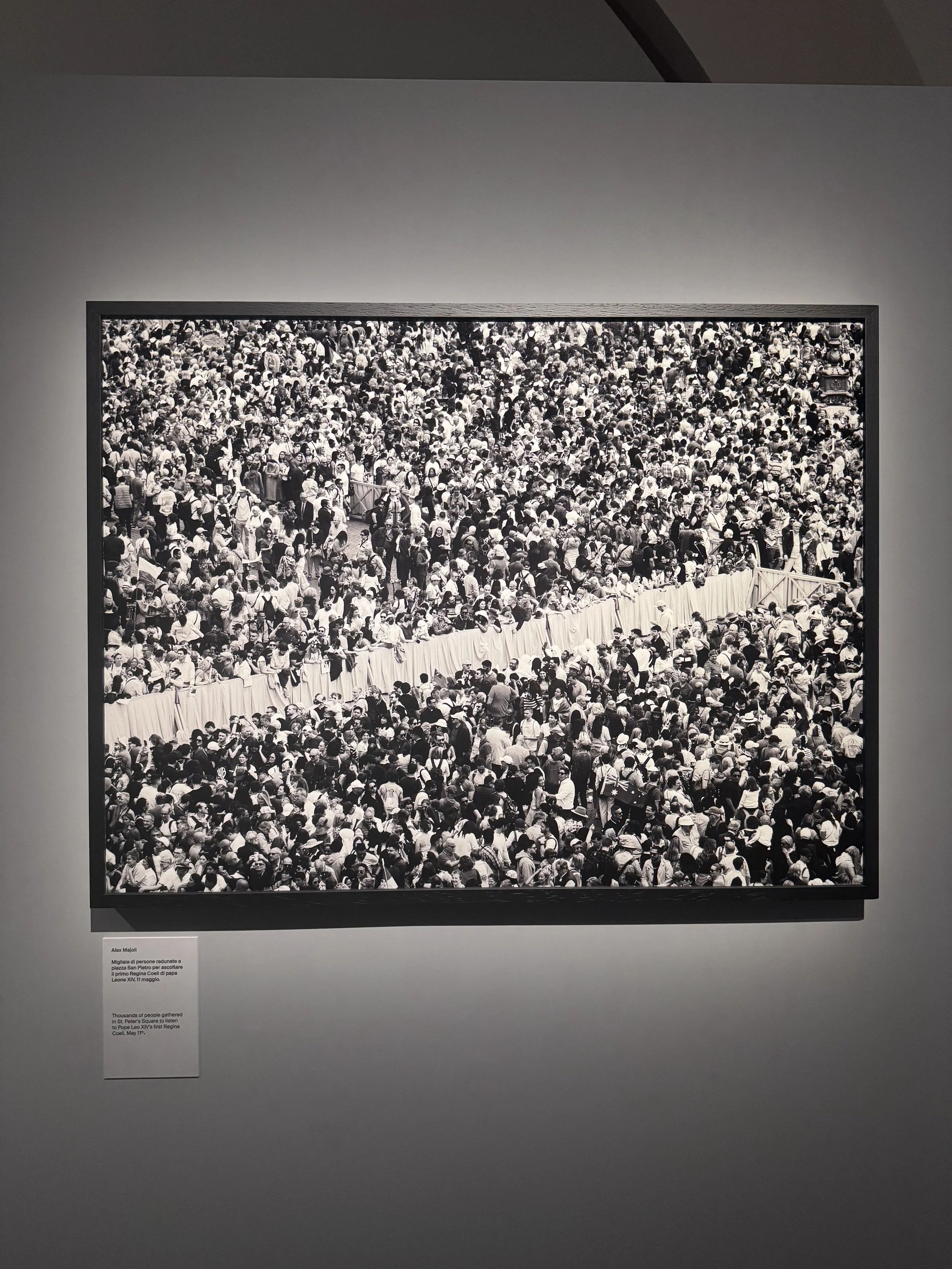
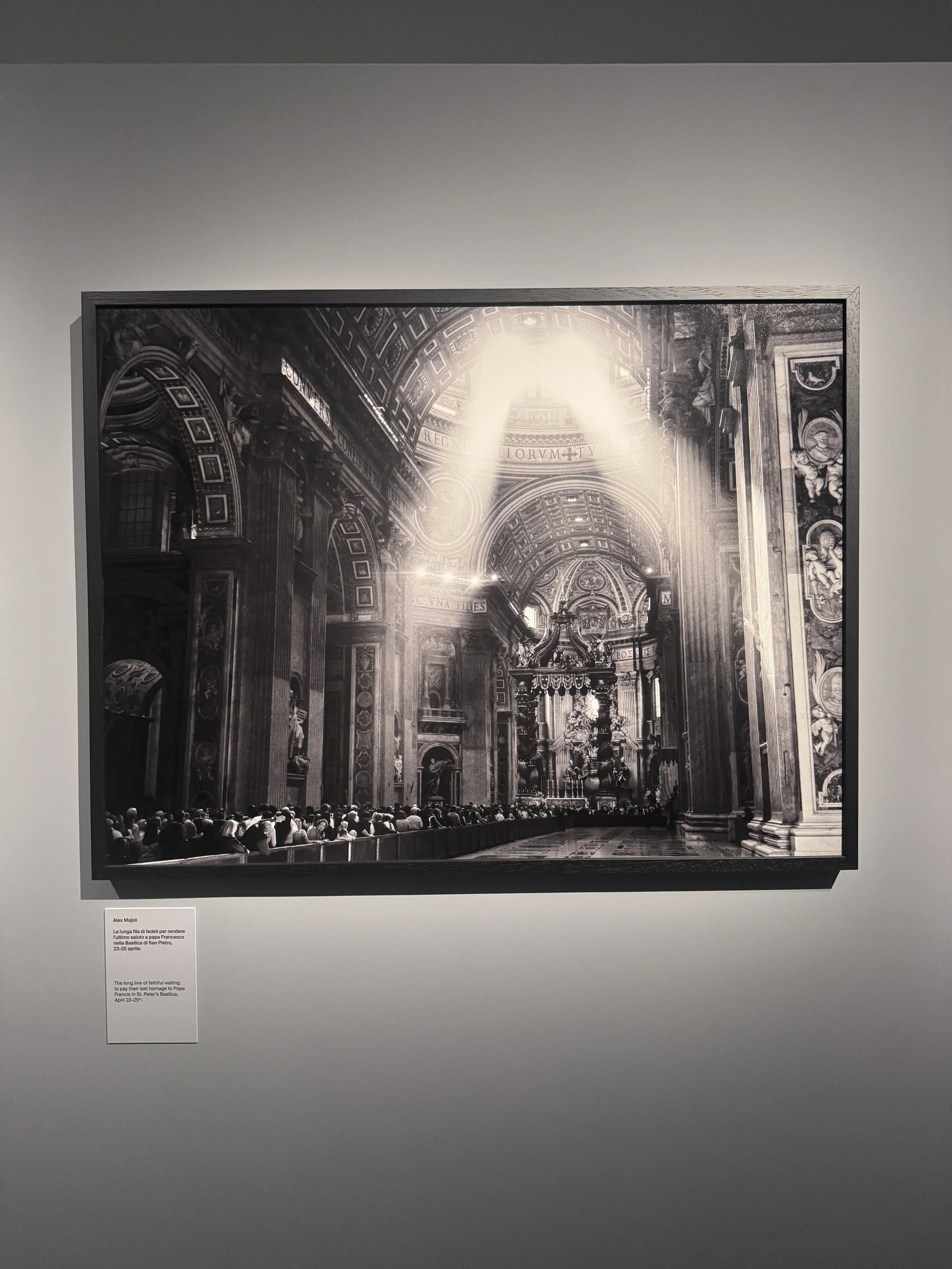
Città Aperta 2025 Photography Book
Other Sites to Visit in Rome
Piazza Navona is alive with artists, cafés, and the sound of water from Bernini’s Fountain of the Four Rivers, a vibrant contrast to its origins as Domitian’s ancient stadium, once filled with the roar of athletic contests and gladiator games.
Castel Sant’Angelo stands on the banks of the Tiber and legend has it that the Archangel Michael appeared here, lowering his sword to mark the end of a plague, giving the castle its name. You might recognise it from Angels & Demons.
The Temple of Hadrian was a site that I found accidentally, it stands tucked between modern buildings, its huge columns hinting at how Rome builds layer upon layer without ever losing what came before.
Finally Largo di Torre Argentina which are the ancient ruins famous for where Julius Caesar was assassinated. Now used a as a cat sanctuary.


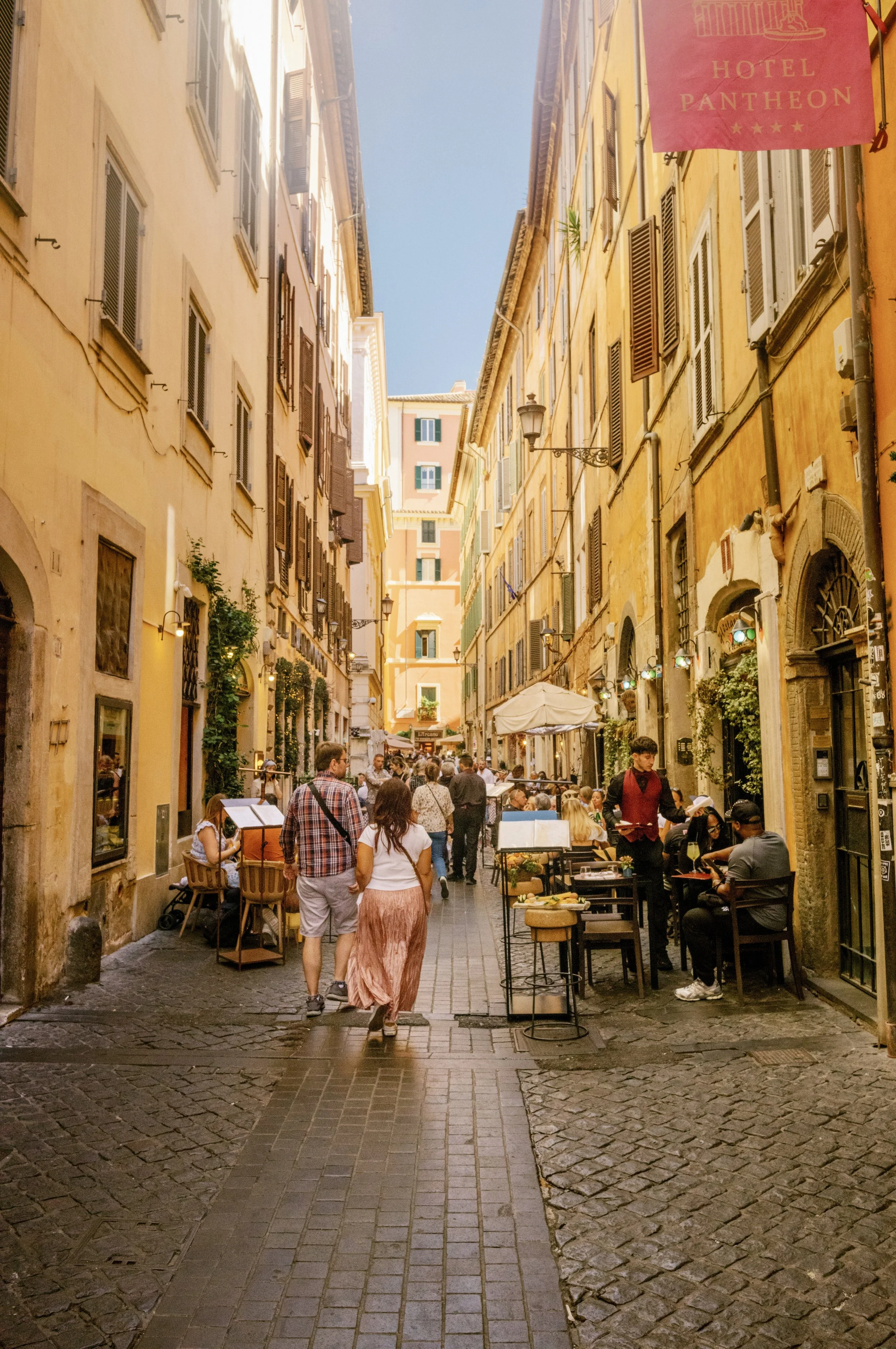
Foodie Highlights: Where to Eat
Angolo dell’Aurora is a relaxed local gem serving authentic Roman pasta dishes in generous portions, from creamy Cacio e Pepe to rich Amatriciana. Food here feels like proper home style cooking with great value and warm service away from the tourist crowds.
Da Enzo al 29 in Trastevere is always worth the queue, famous for its Carbonara and Tiramisù, with classic flavours and a lively, traditional trattoria feel.
Al Moro Roma, just steps from the Trevi Fountain, offers a touch of old school elegance with standout dishes like Spaghetti alla Carbonara and artichokes alla Romana.
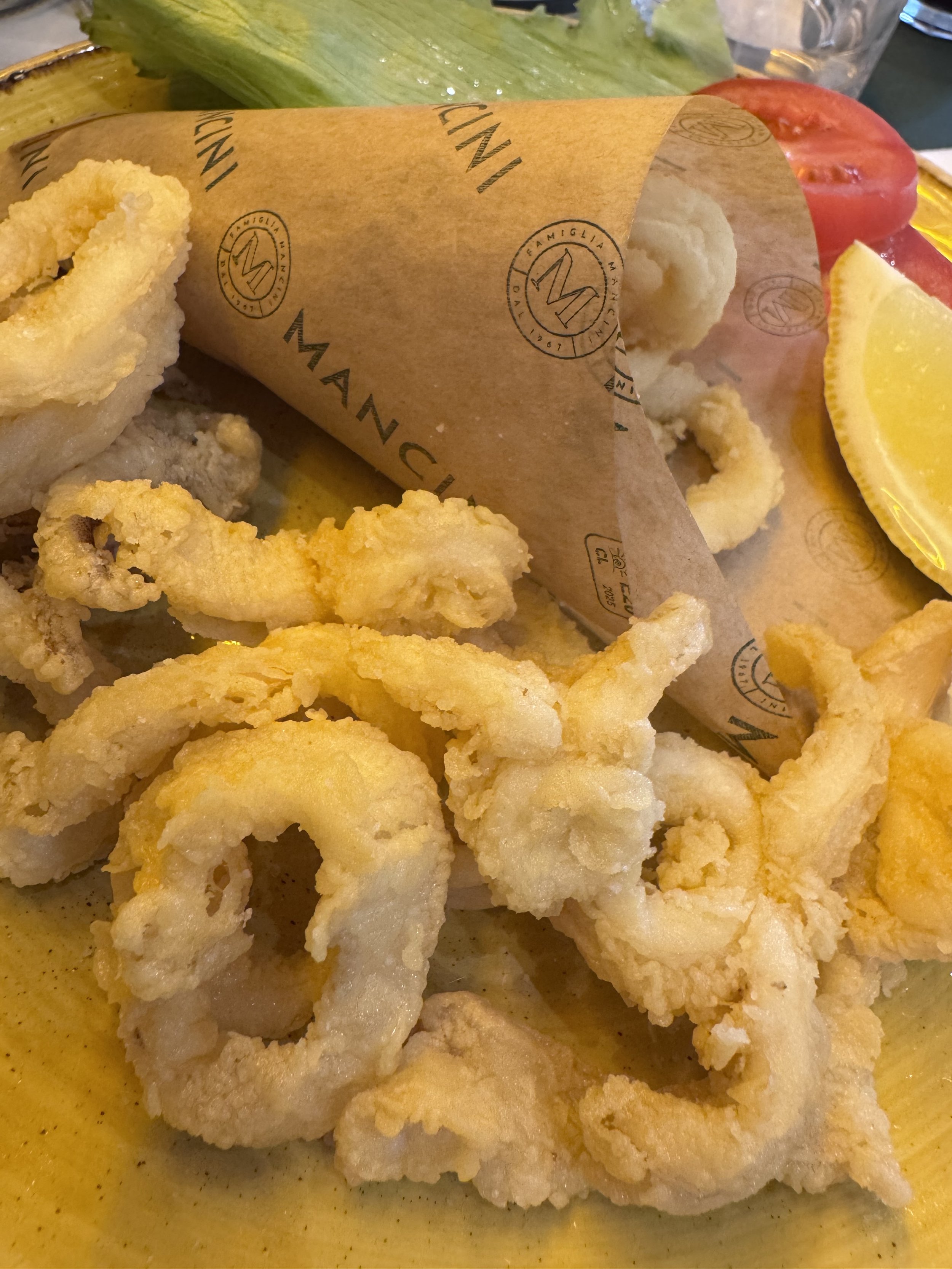
For something quick, tasty and budget friendly, Trapizzino is perfect, for around €10, you can grab a warm slice of pizza filled with meatballs, chicken cacciatore or eggplant parmigiana.
Armando al Pantheon, is a family run restaurant beside the Pantheon, where you will find Roman classics and local wines in an intimate setting, the Carbonara and Saltimbocca are both very good.
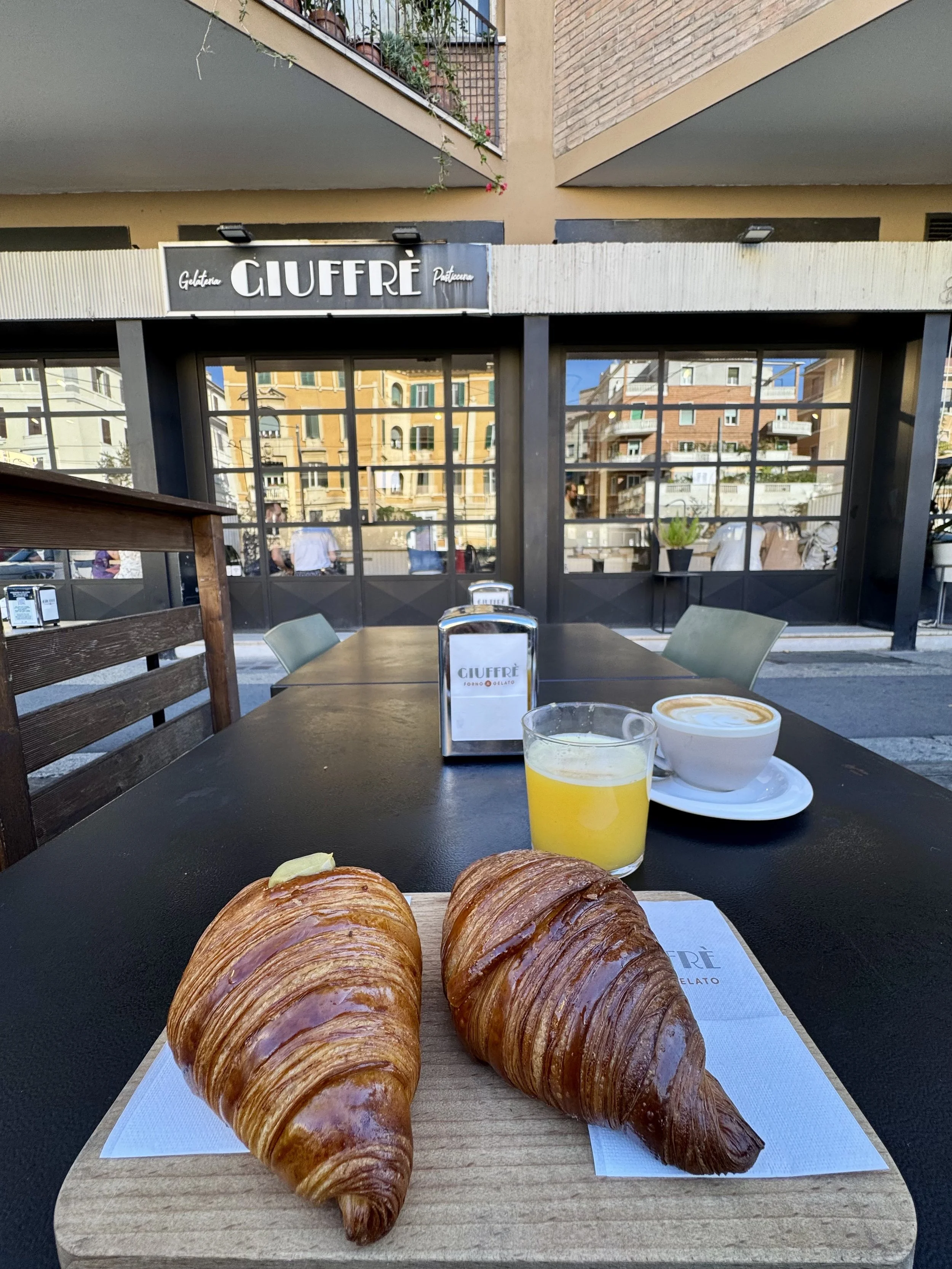
I was lucky to have Giuffrè Forno & Gelato opposite my apartment in Trastevere, literally the best pistachio cornetti and freshly squeezed orange juice.
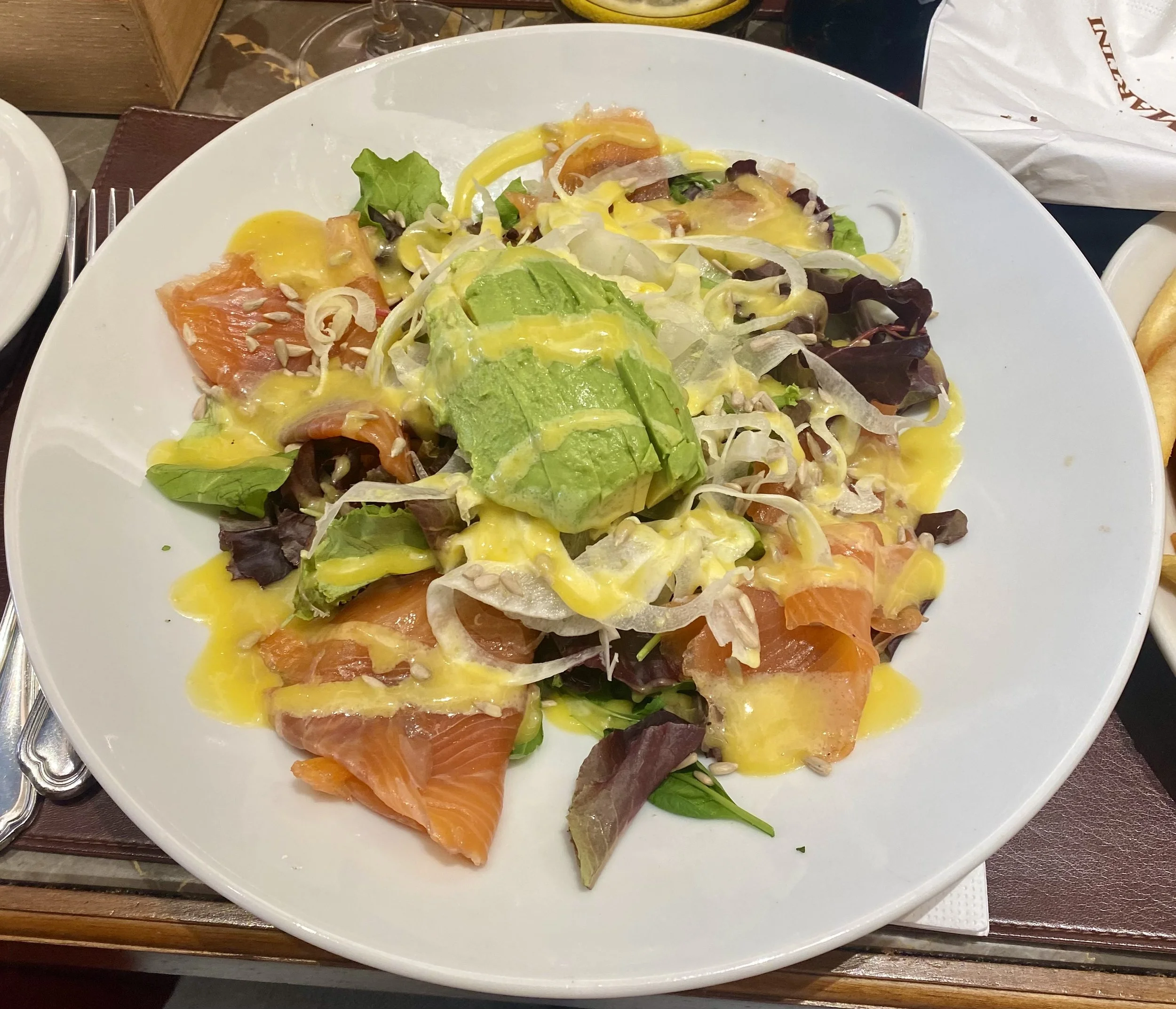
One restaurant that I went to was called Ristorante Caffè Martini & Rossi and it offers great views of The Colosseum especially if you chose to sit outside at. I was unimpressed with the Chicken Caesar Salad as the chicken was dry and service was slow.




Street Photography
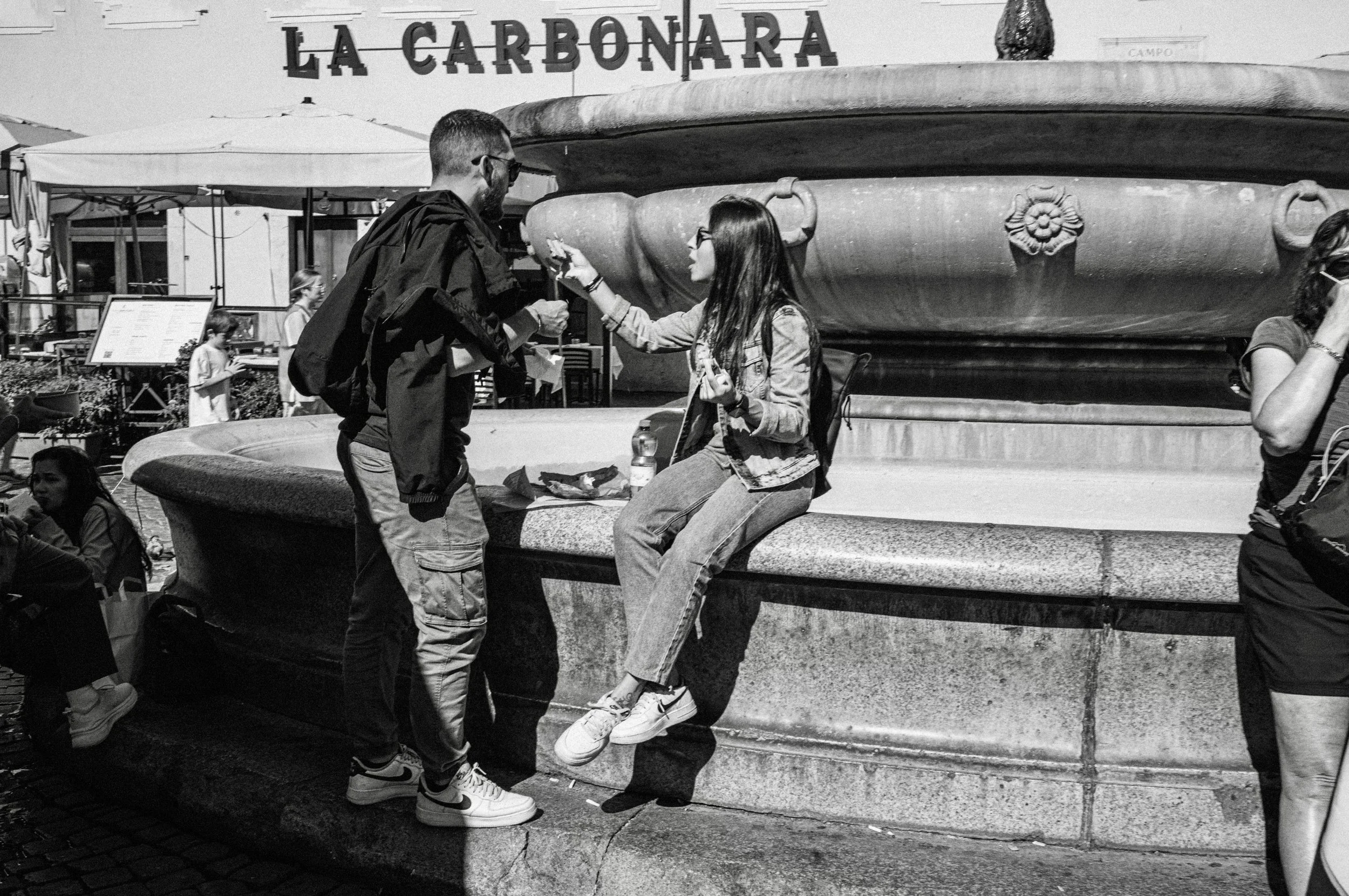
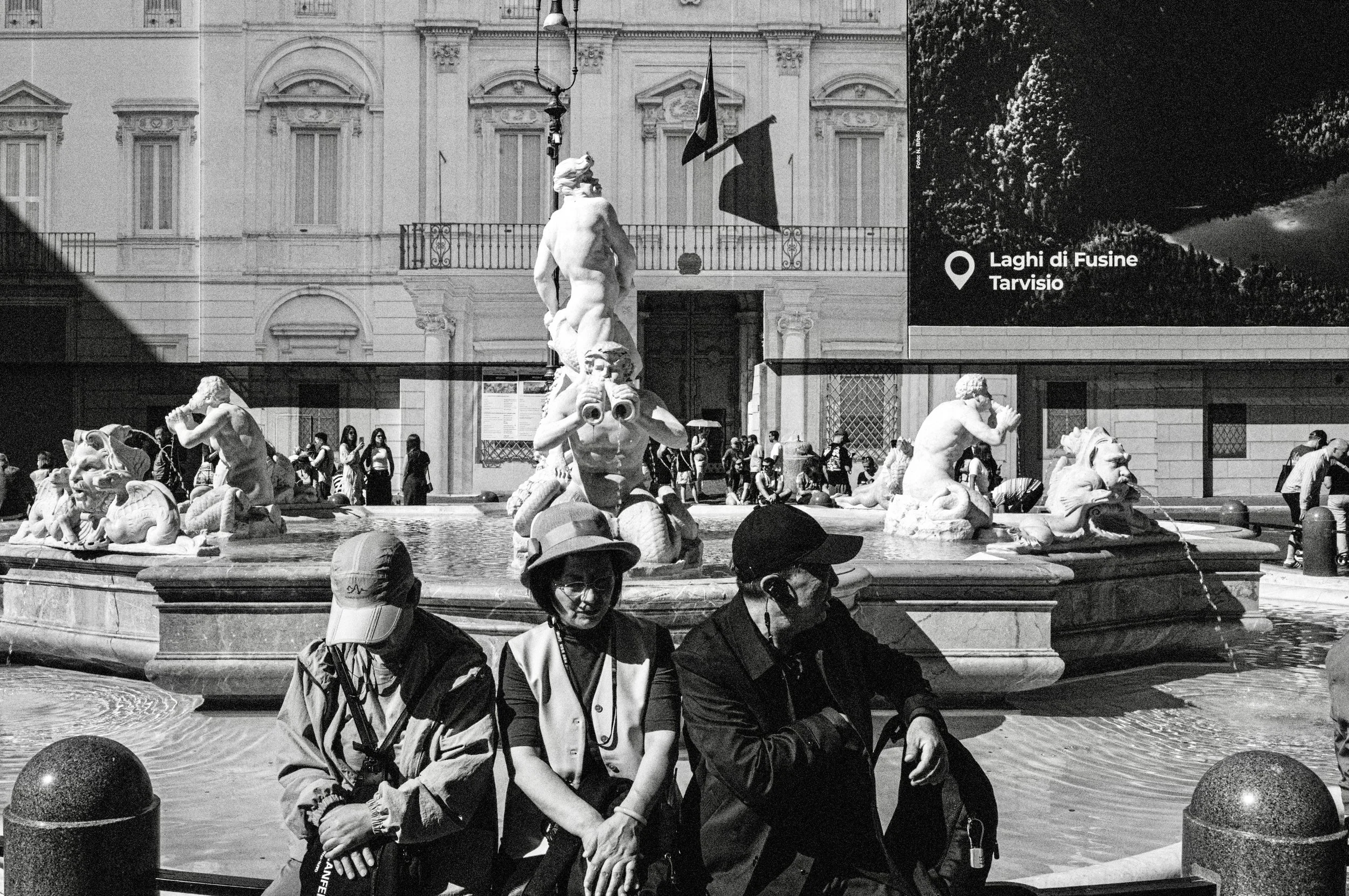
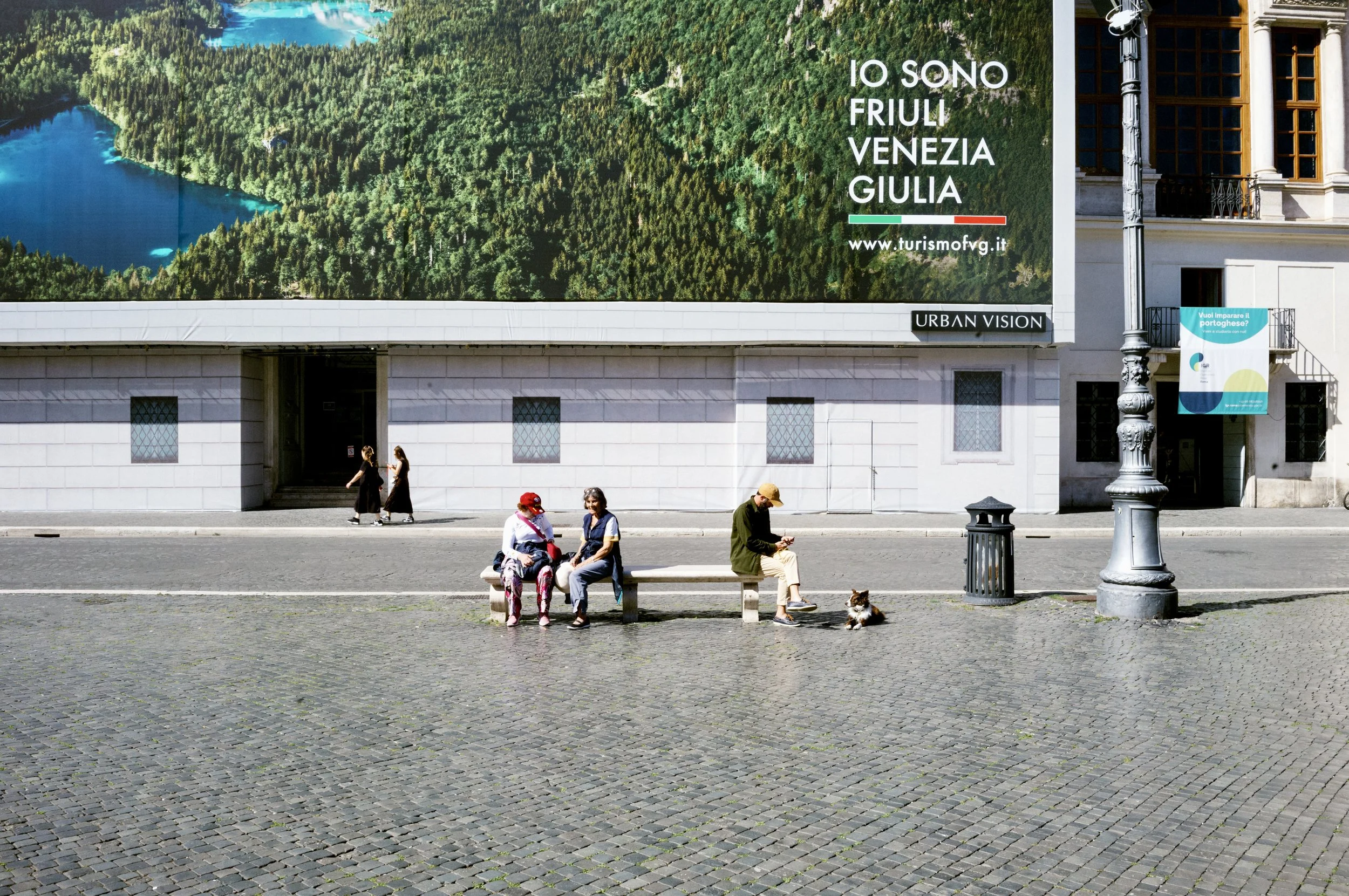
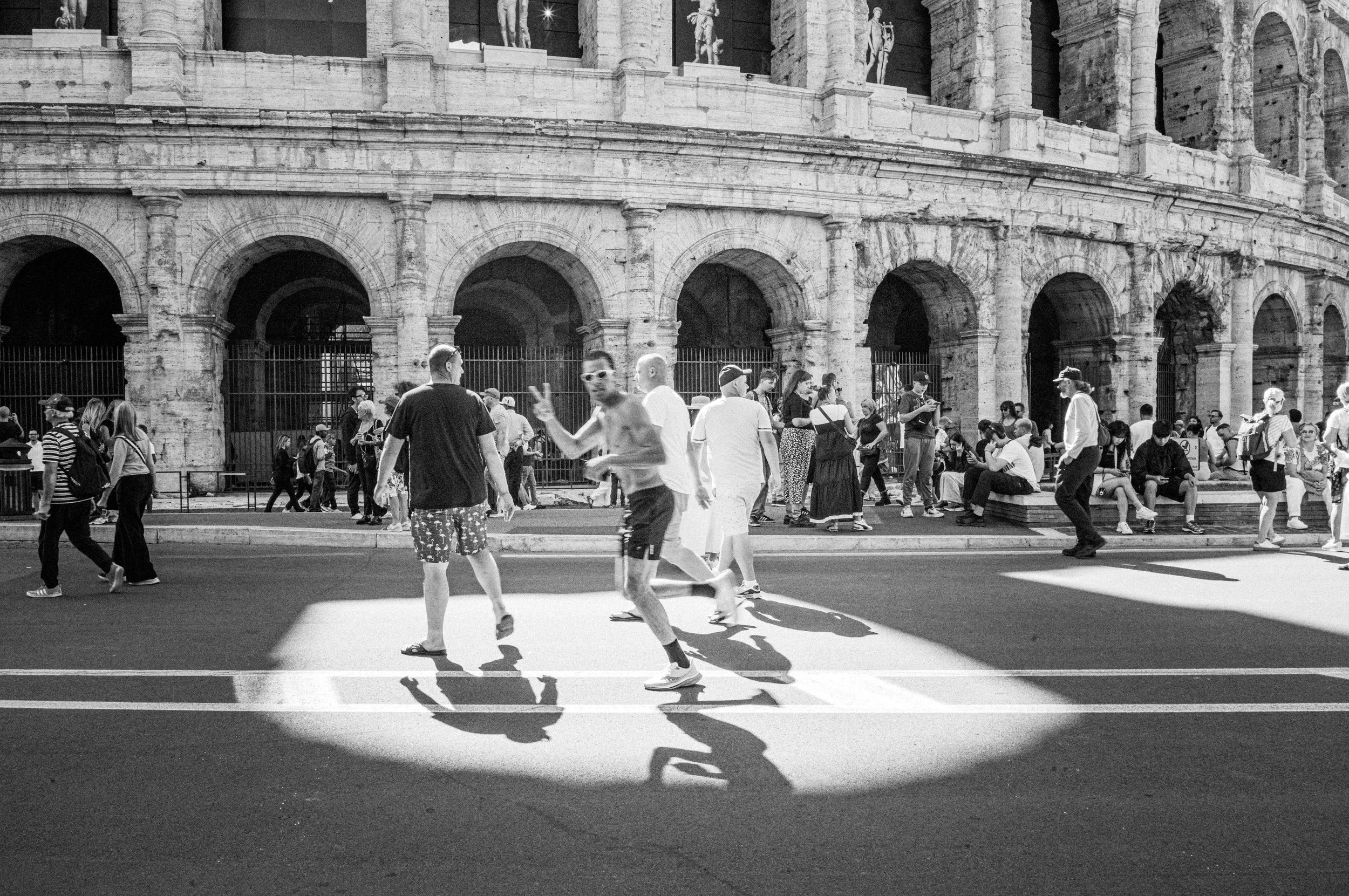
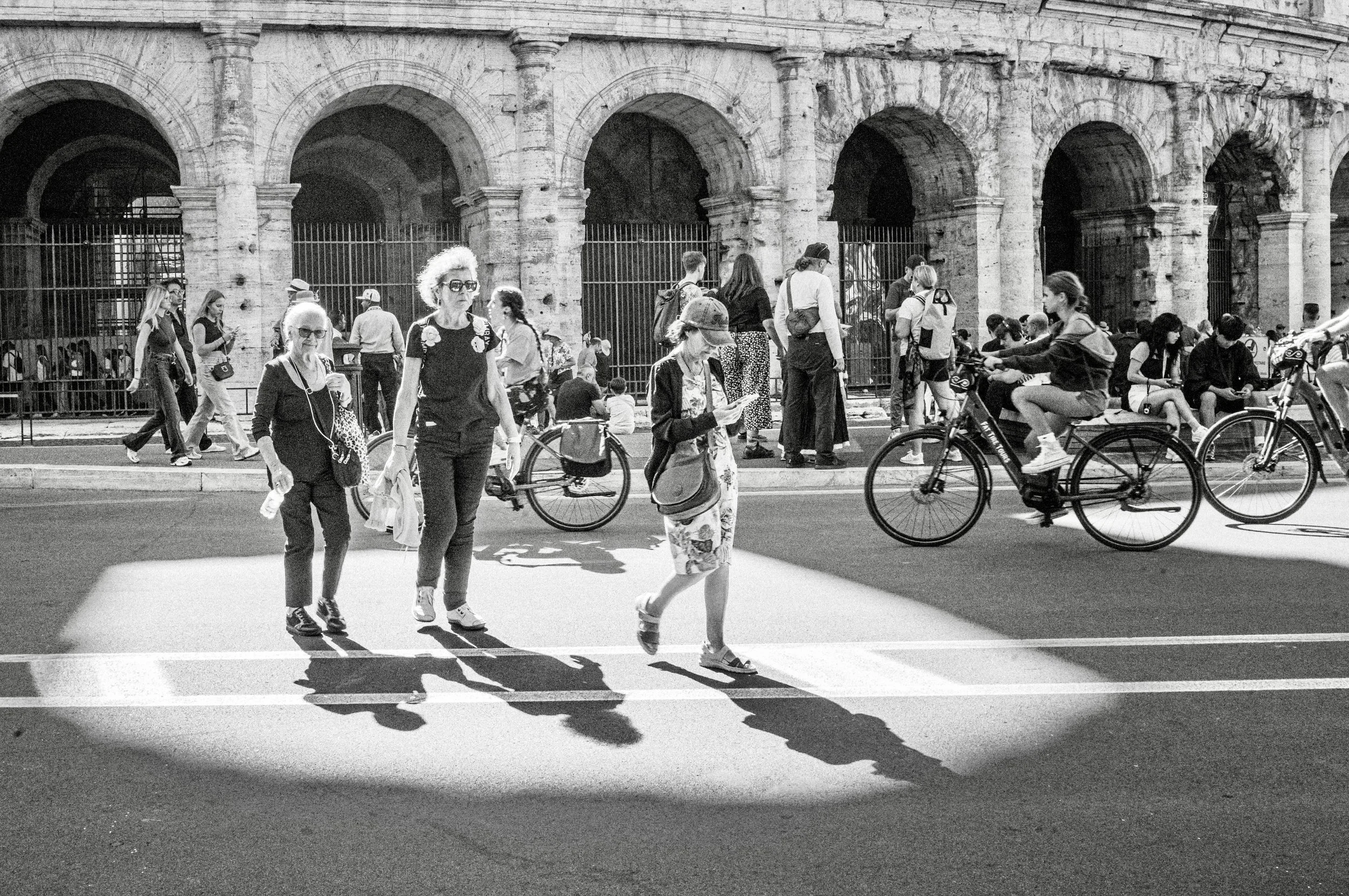
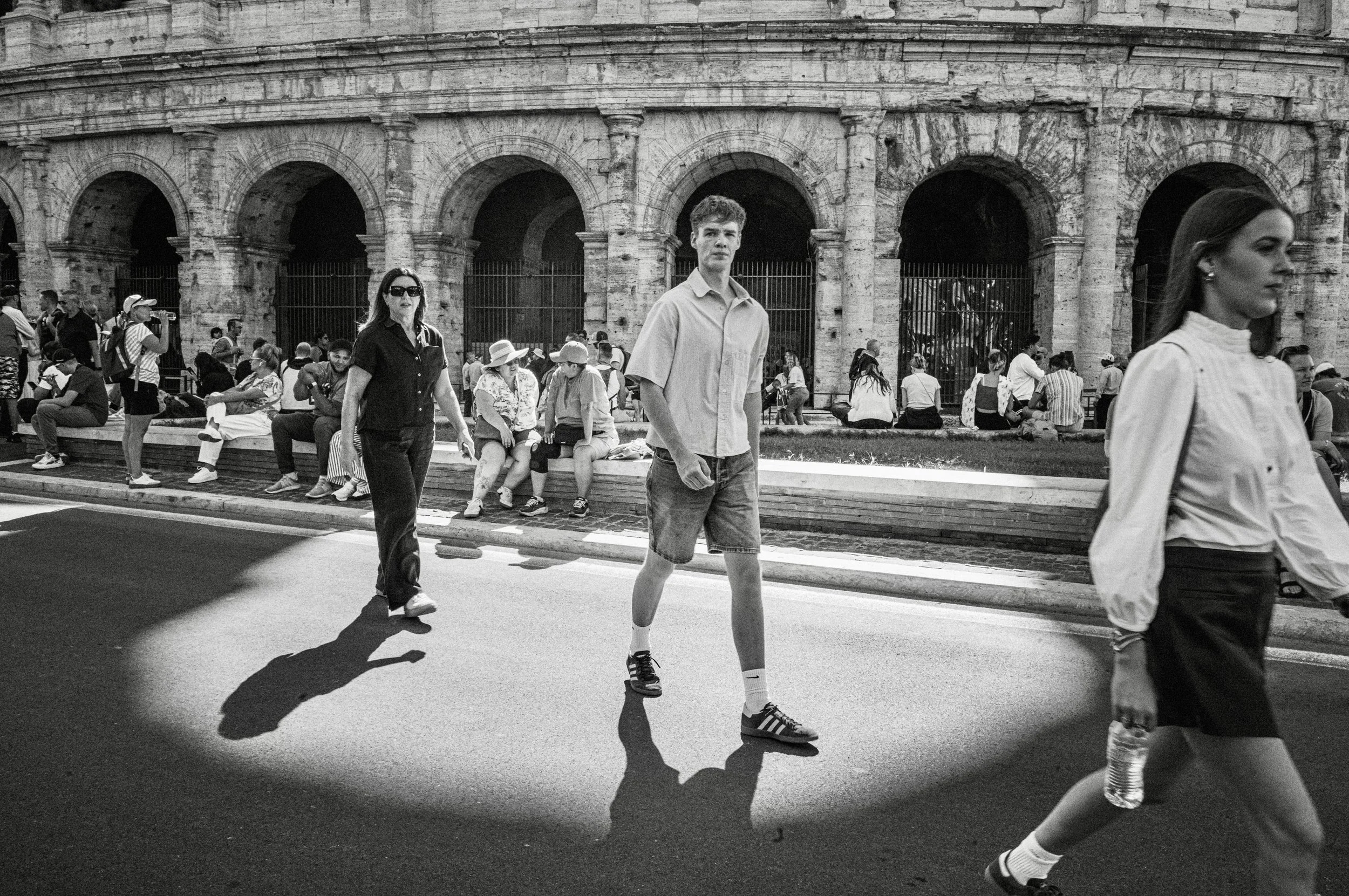
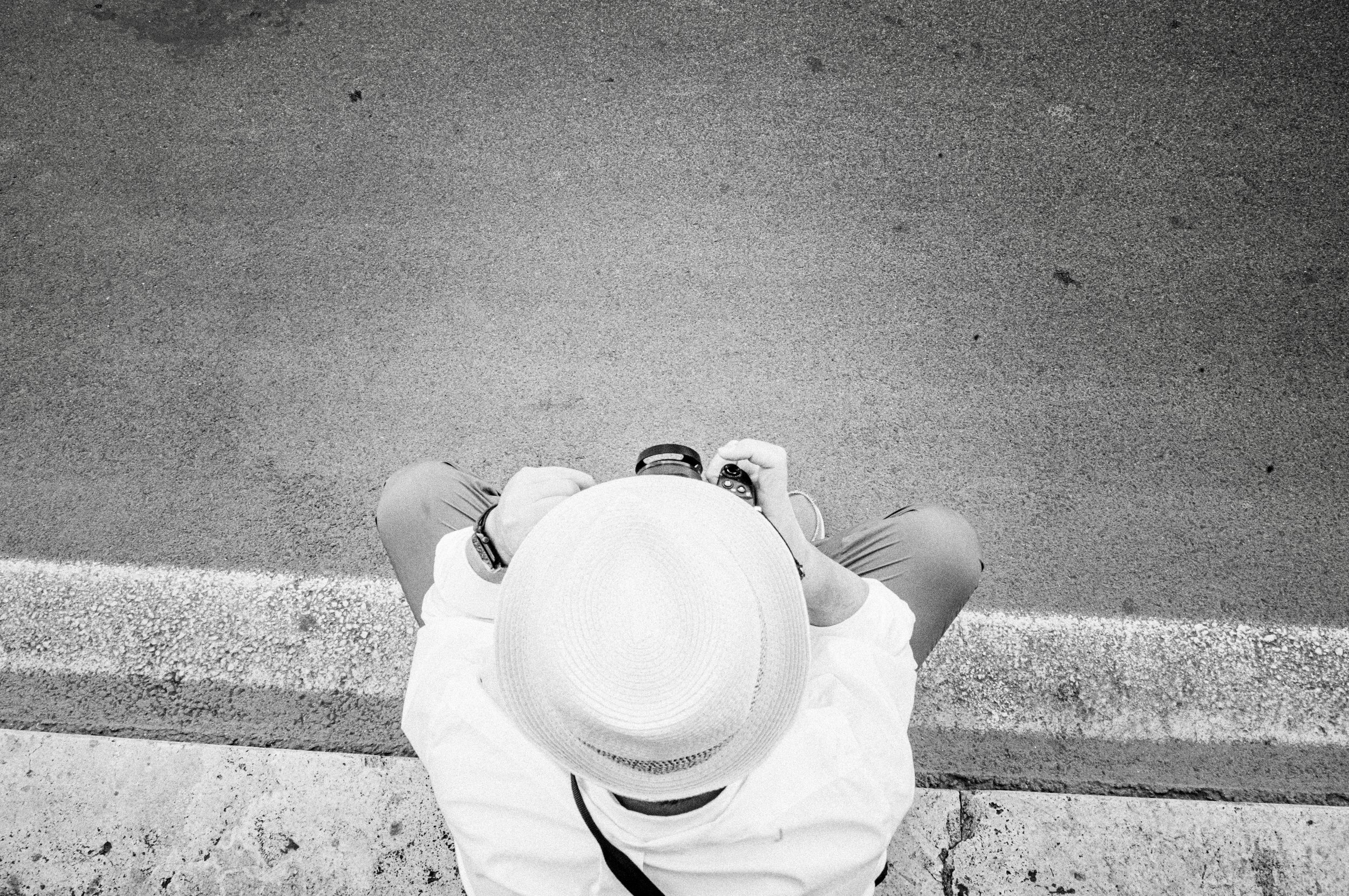
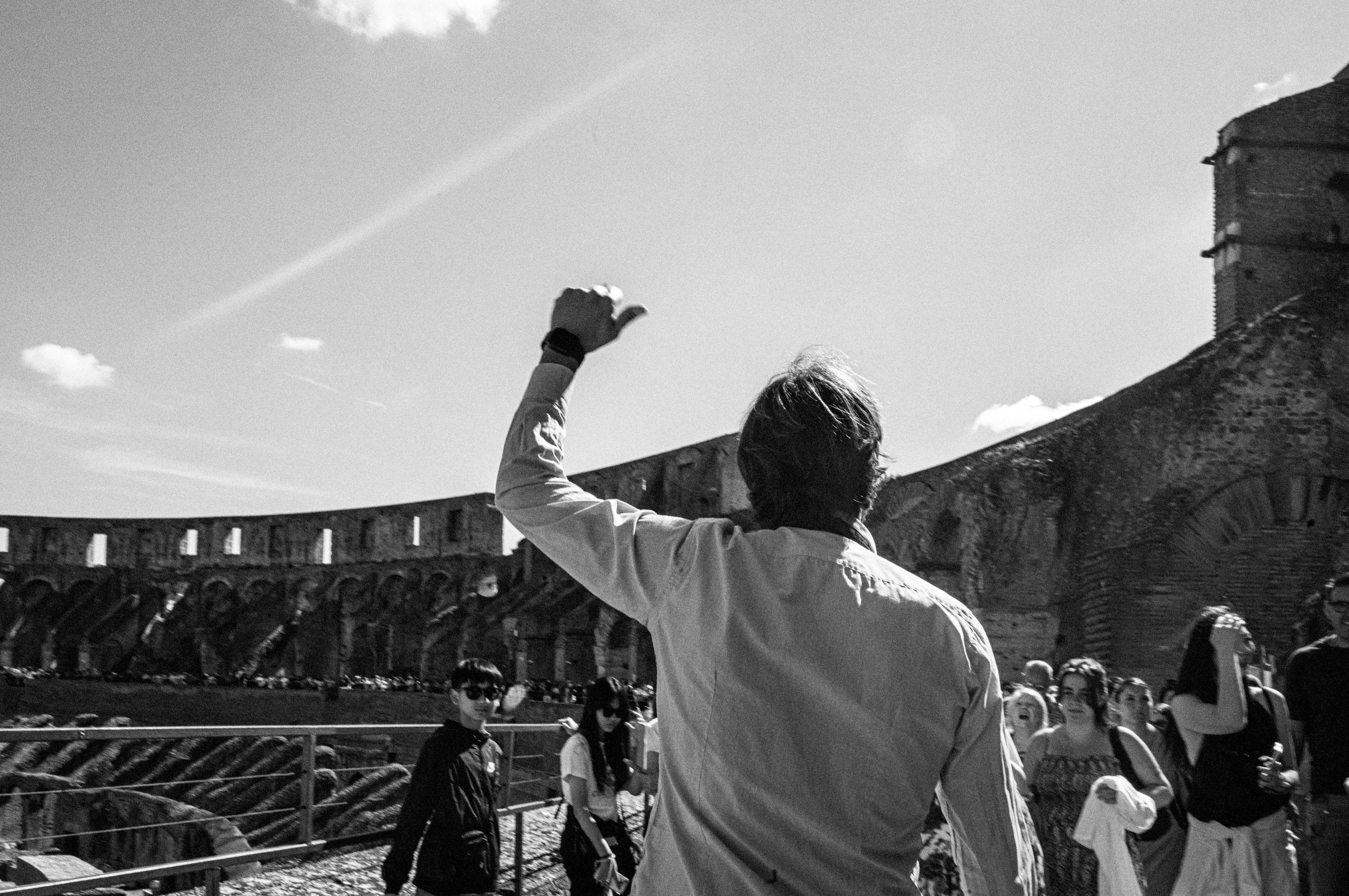
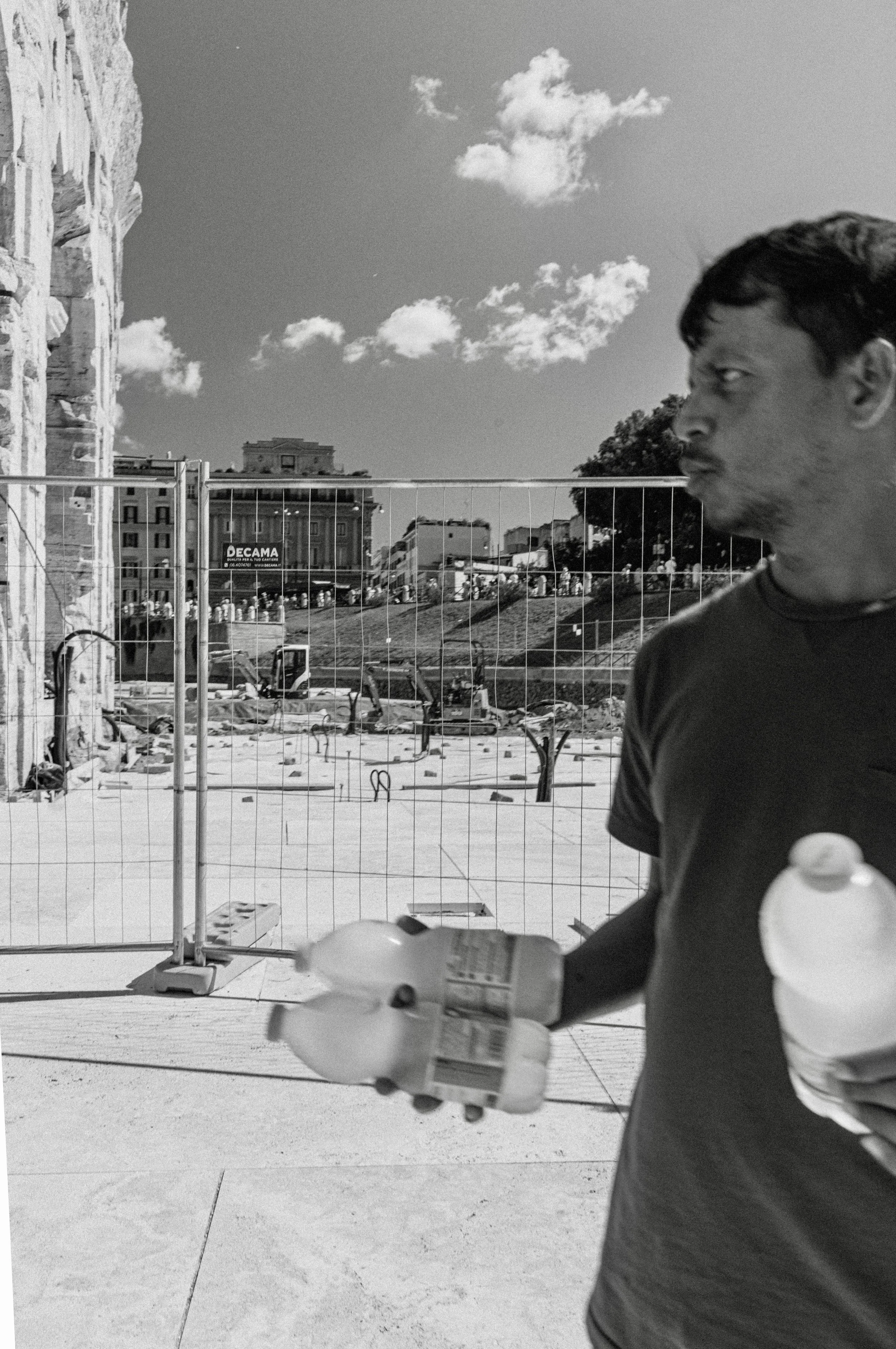
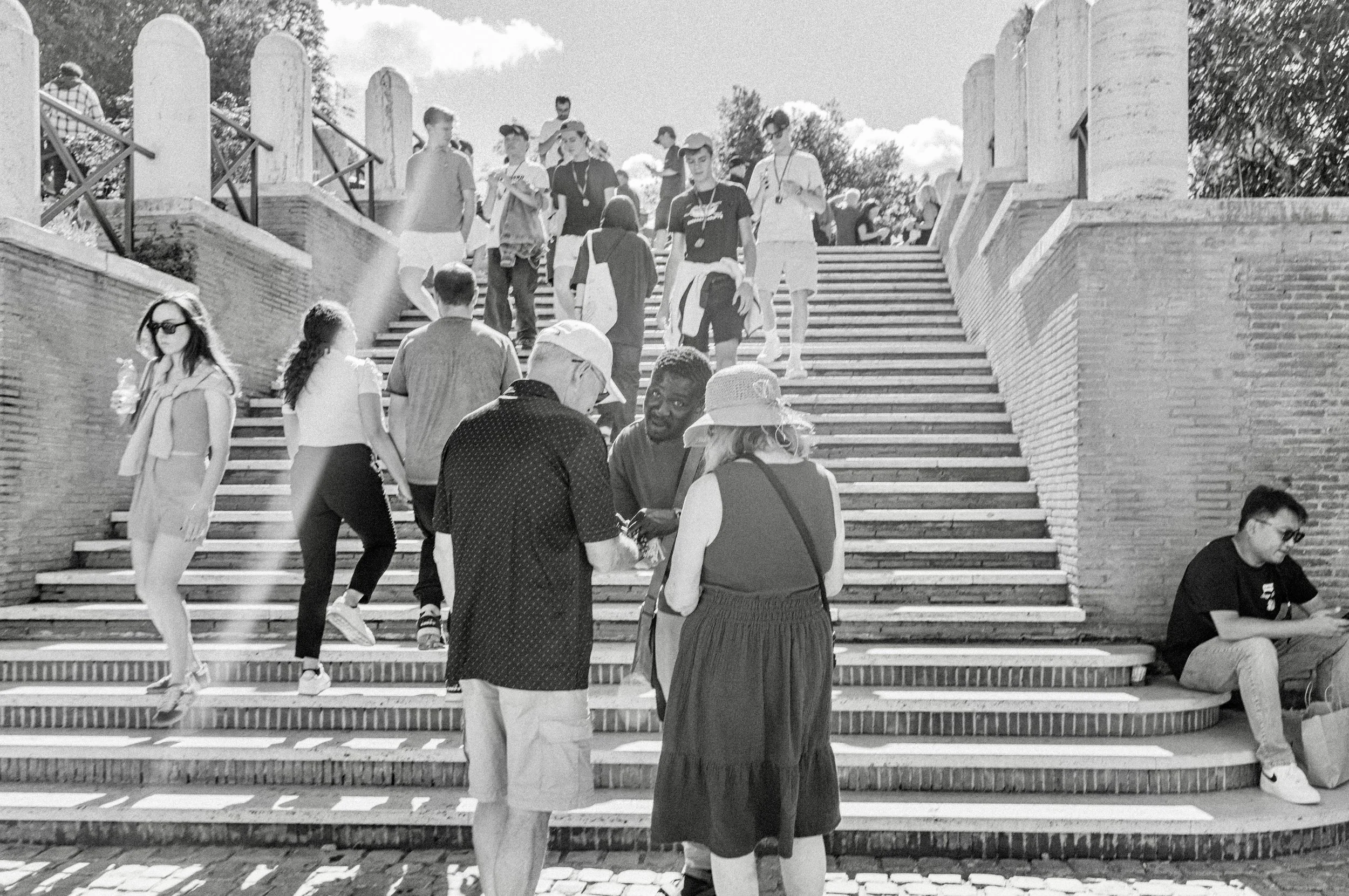
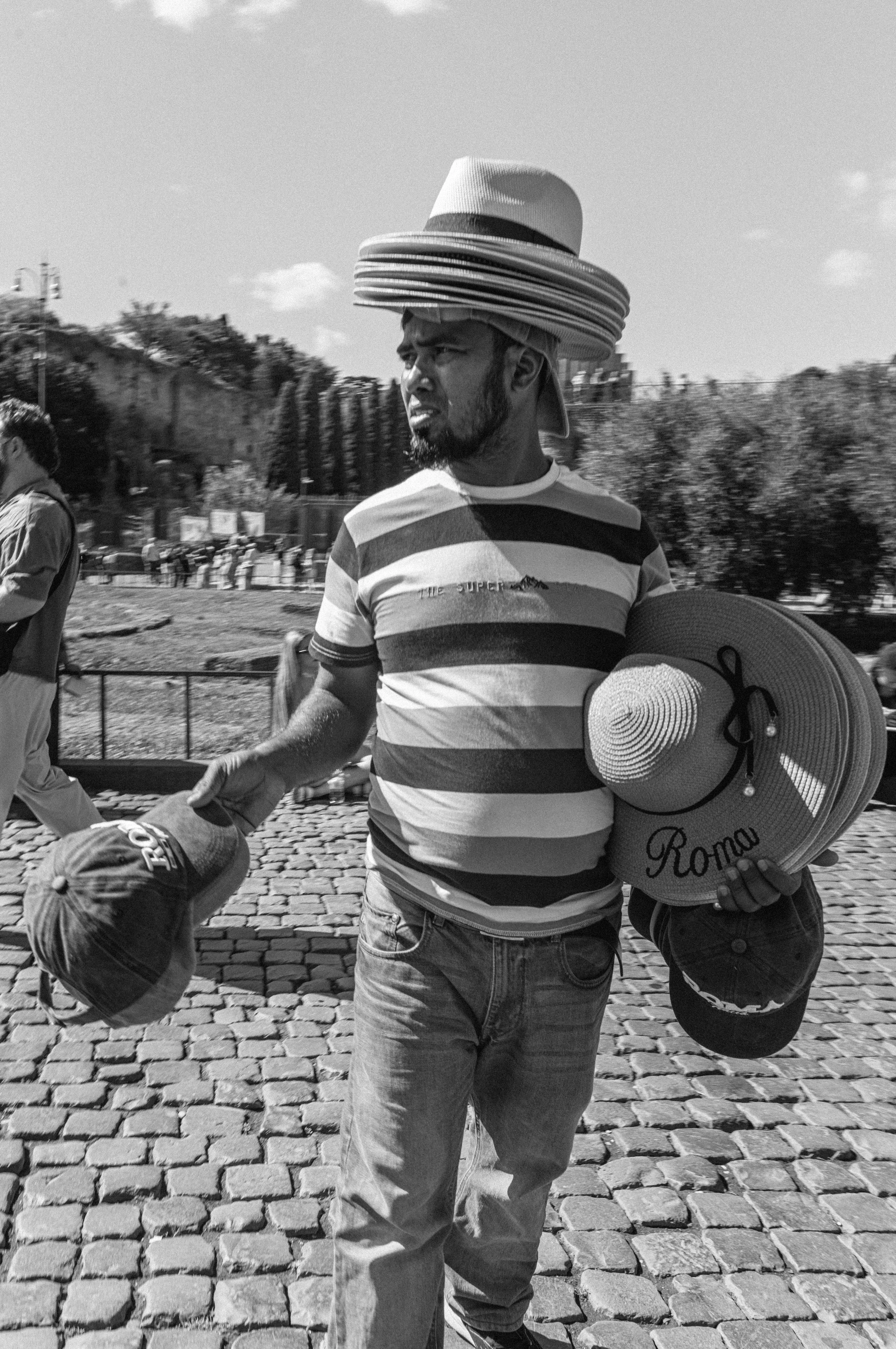
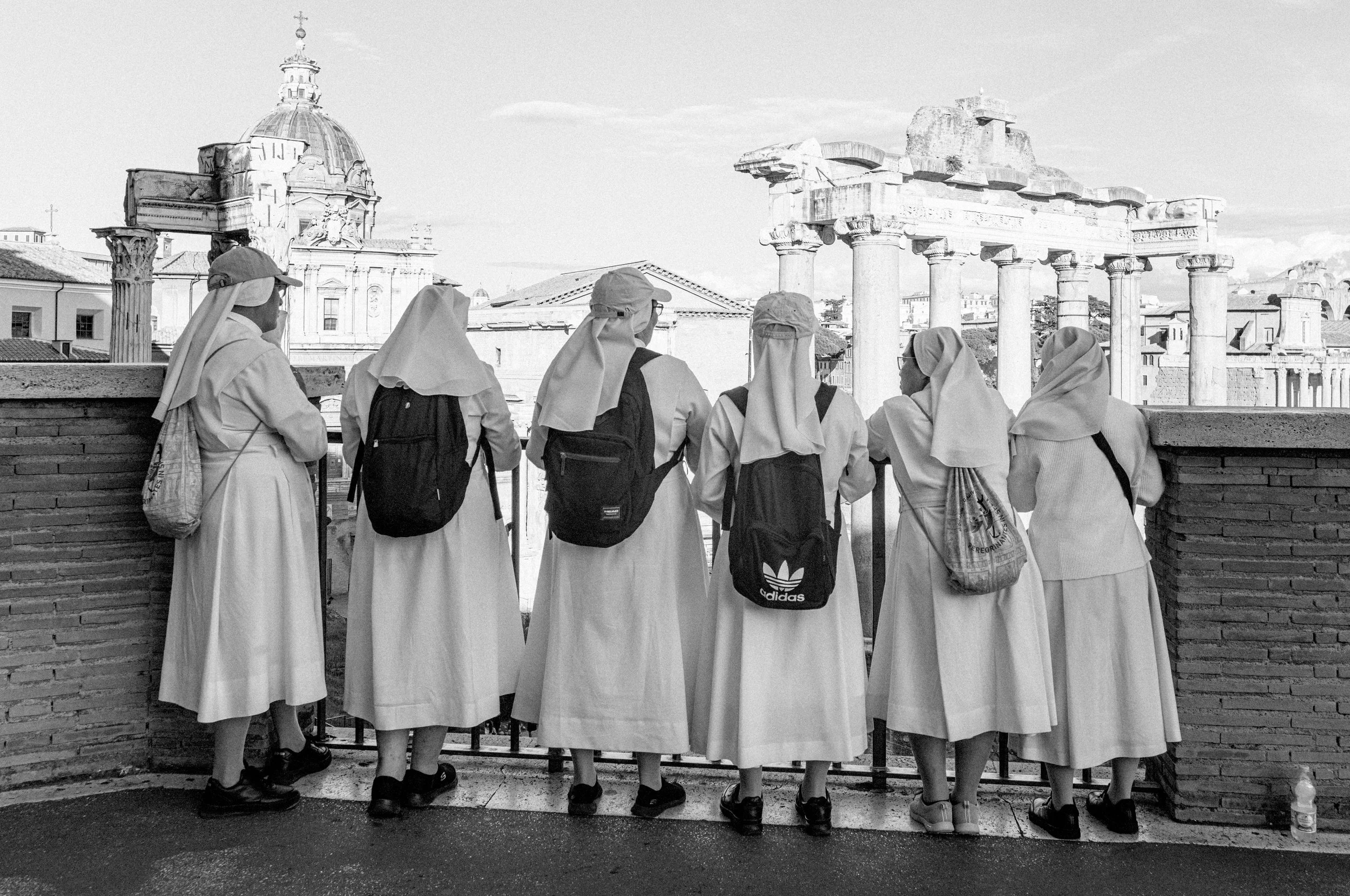
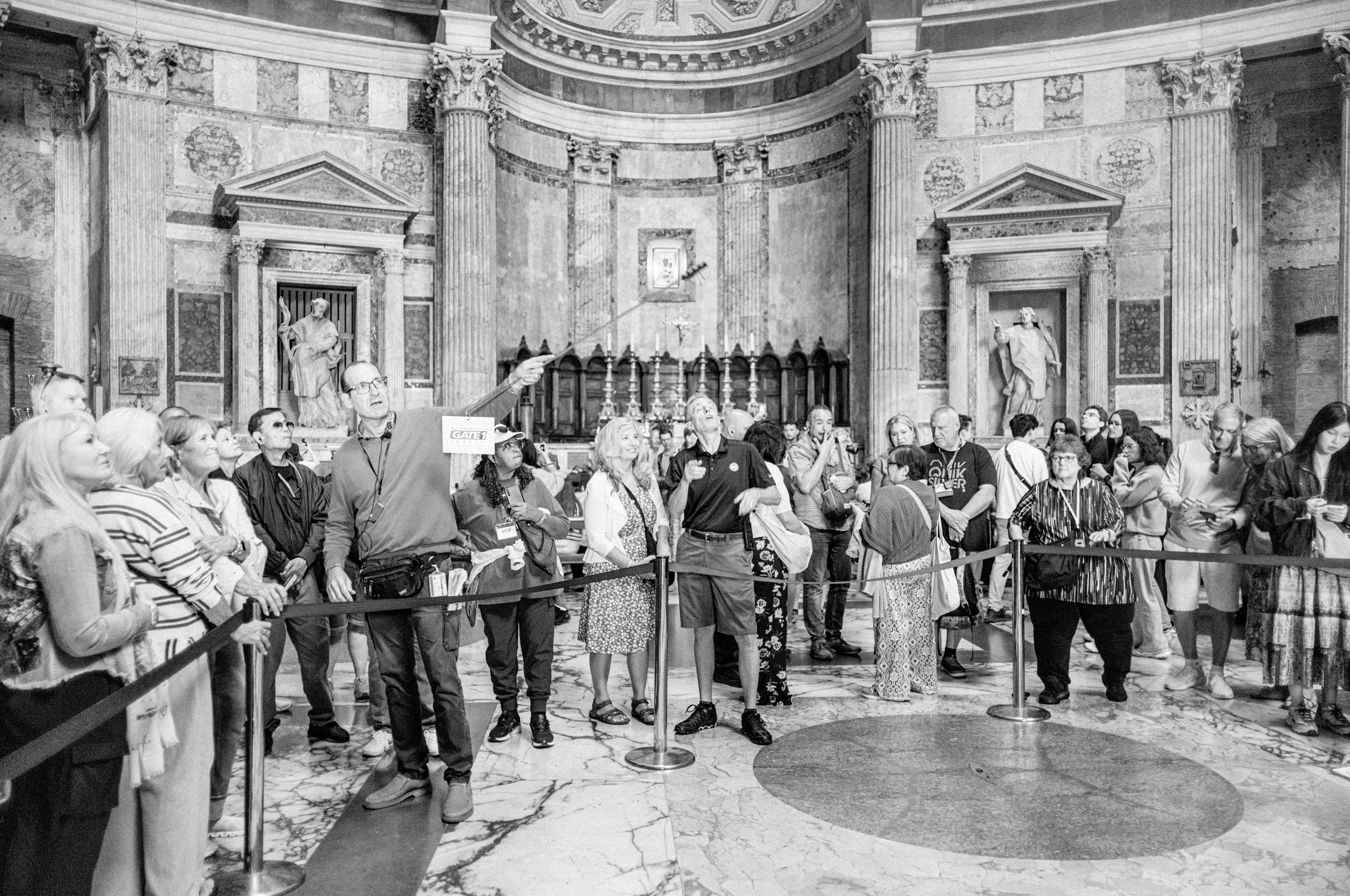
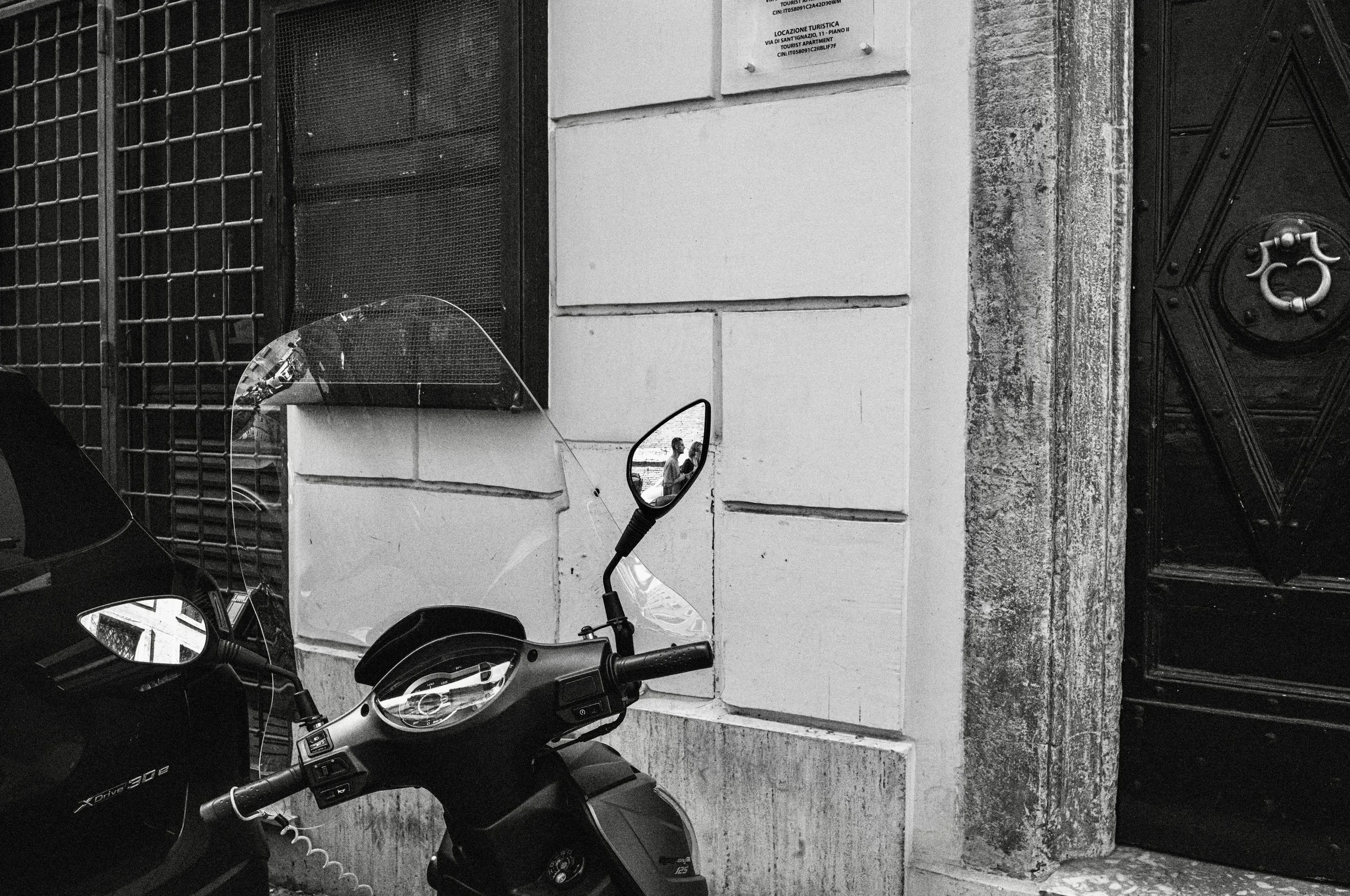
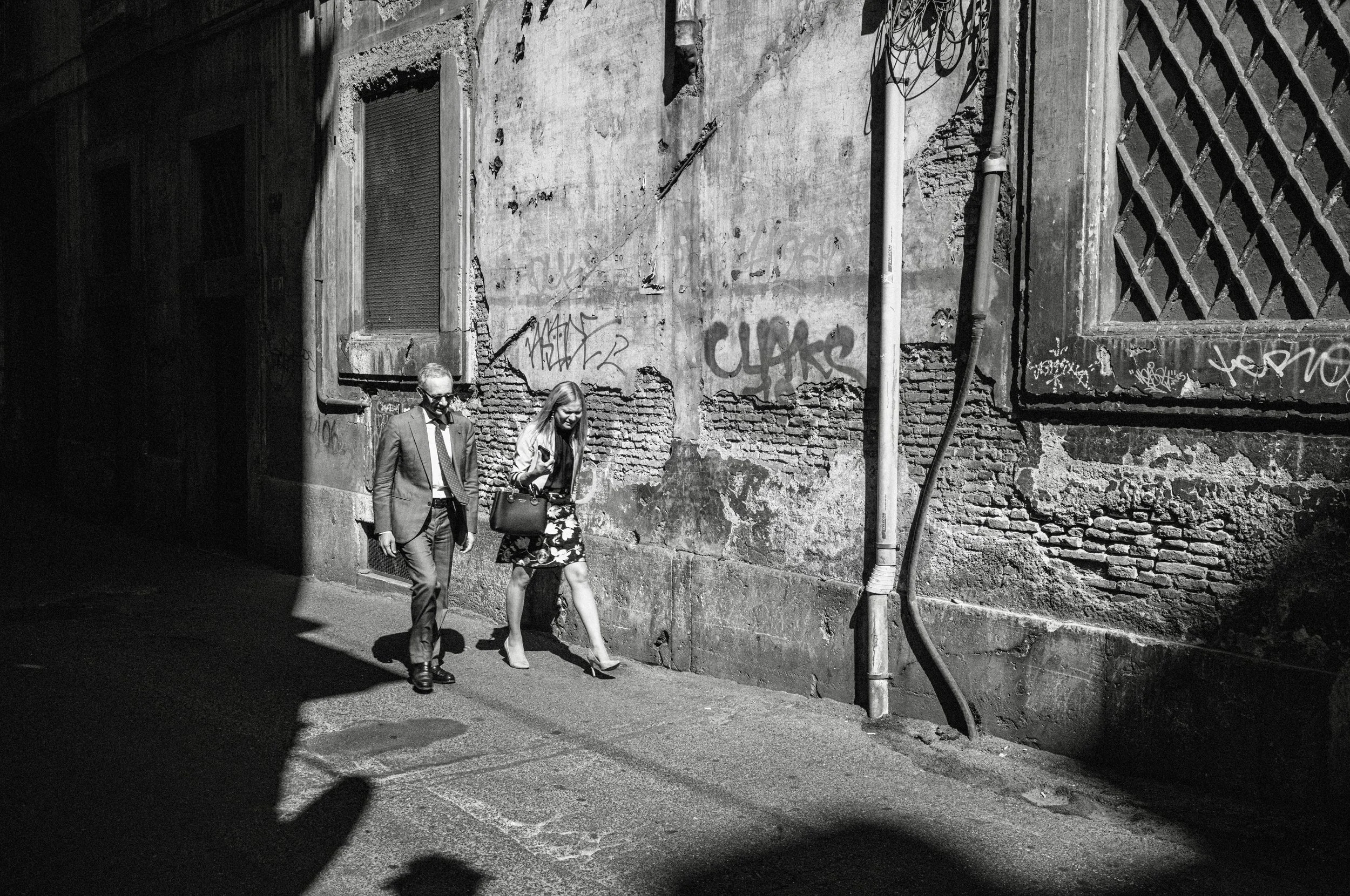
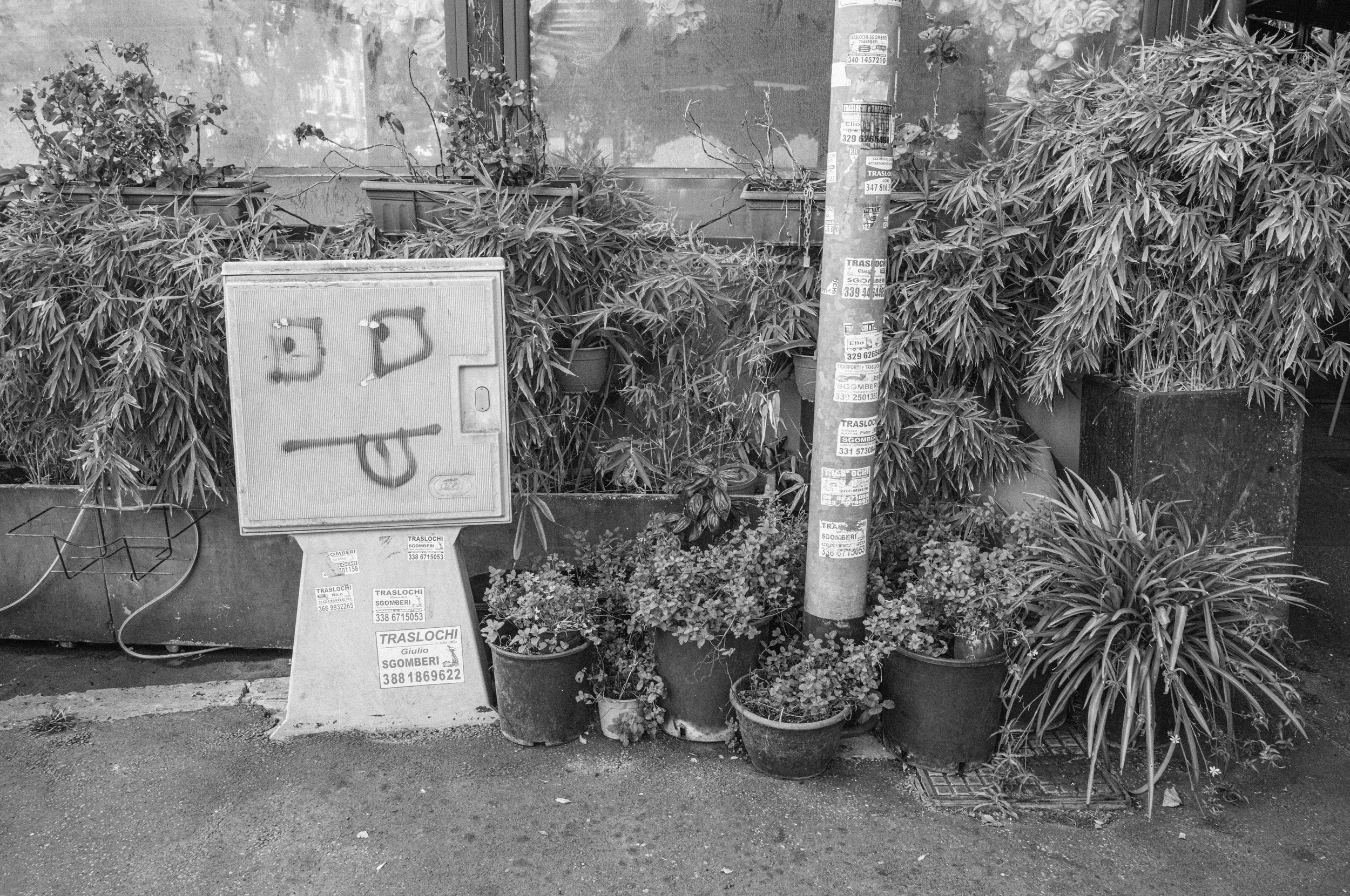
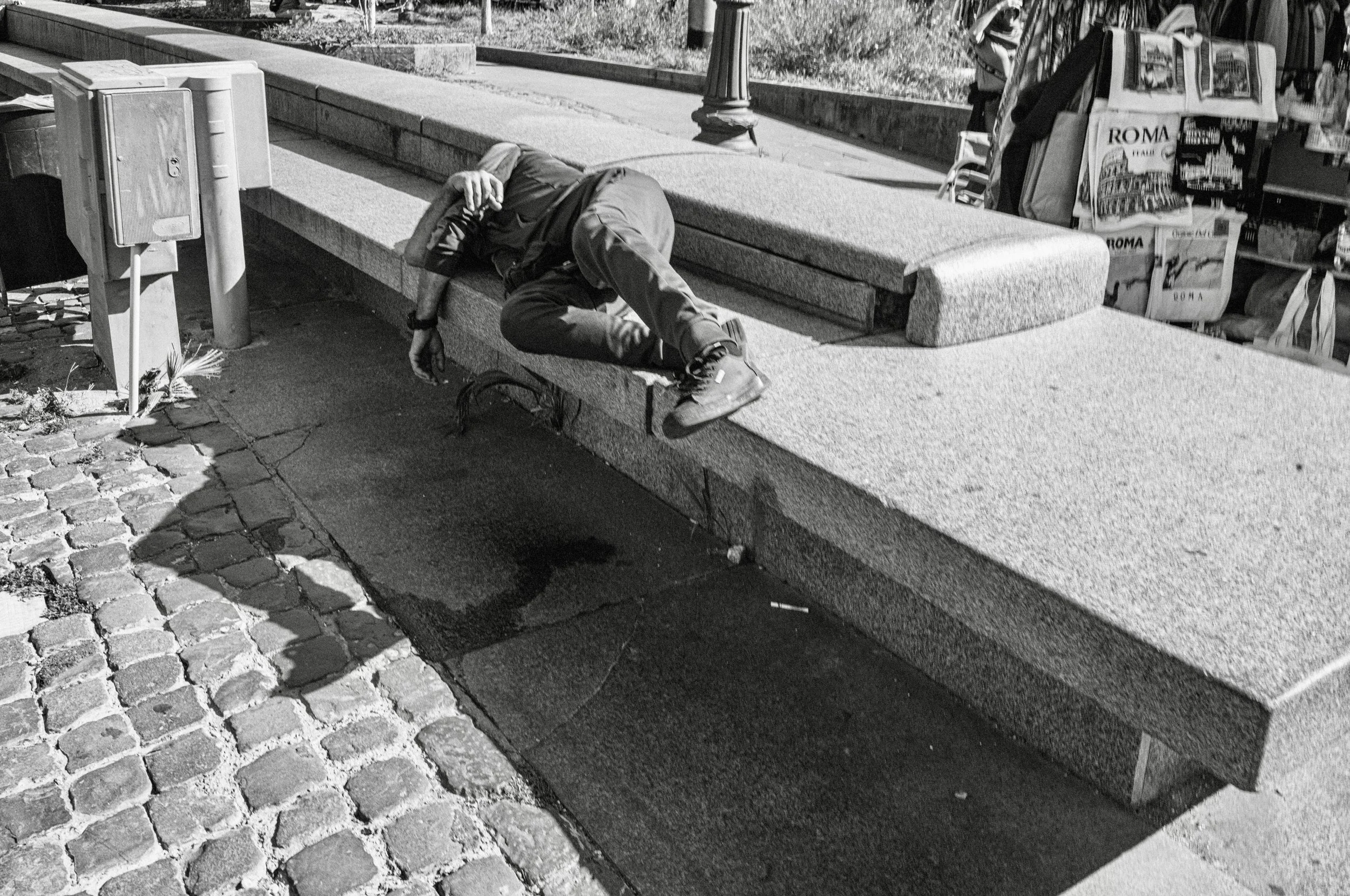
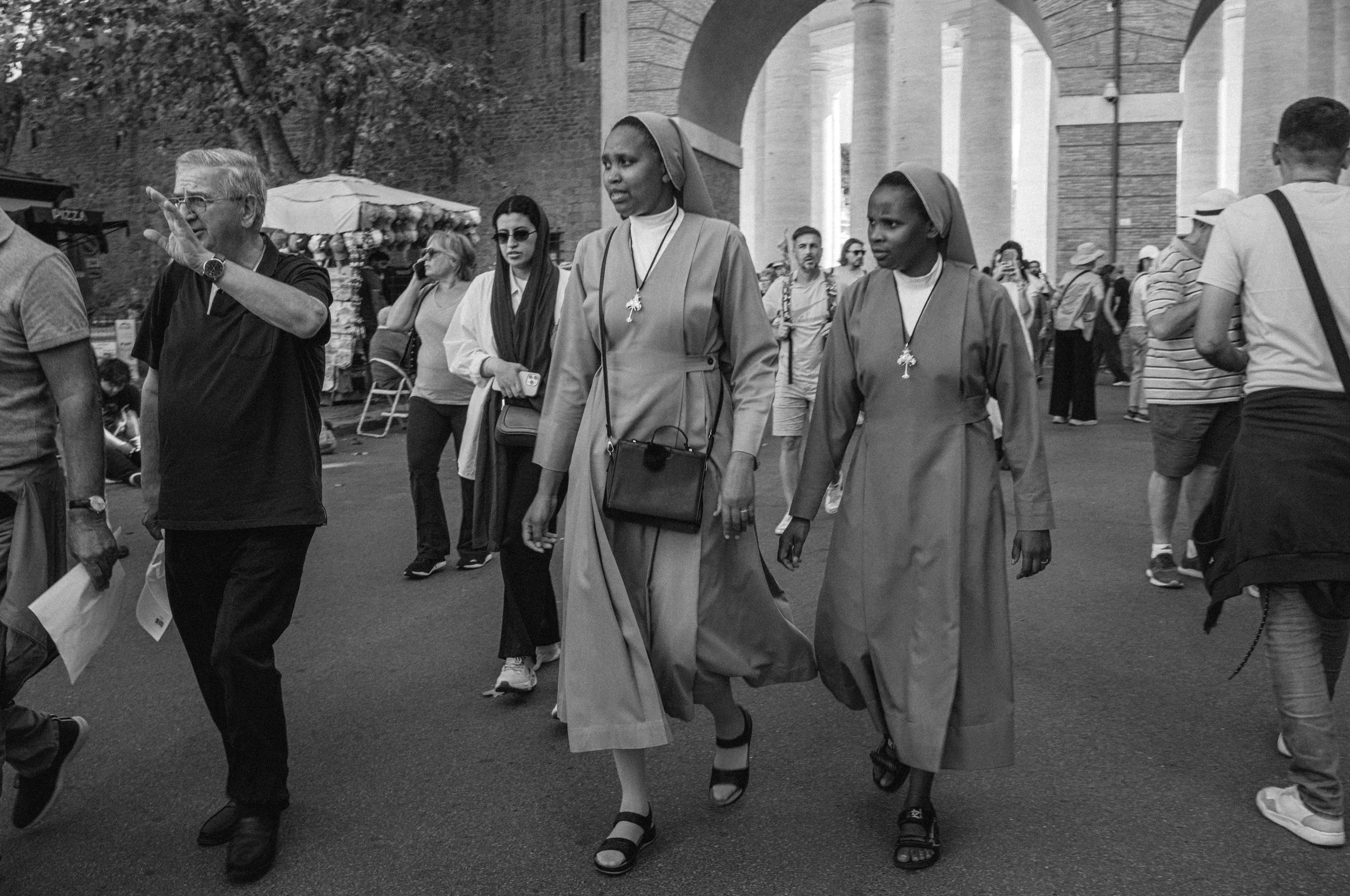
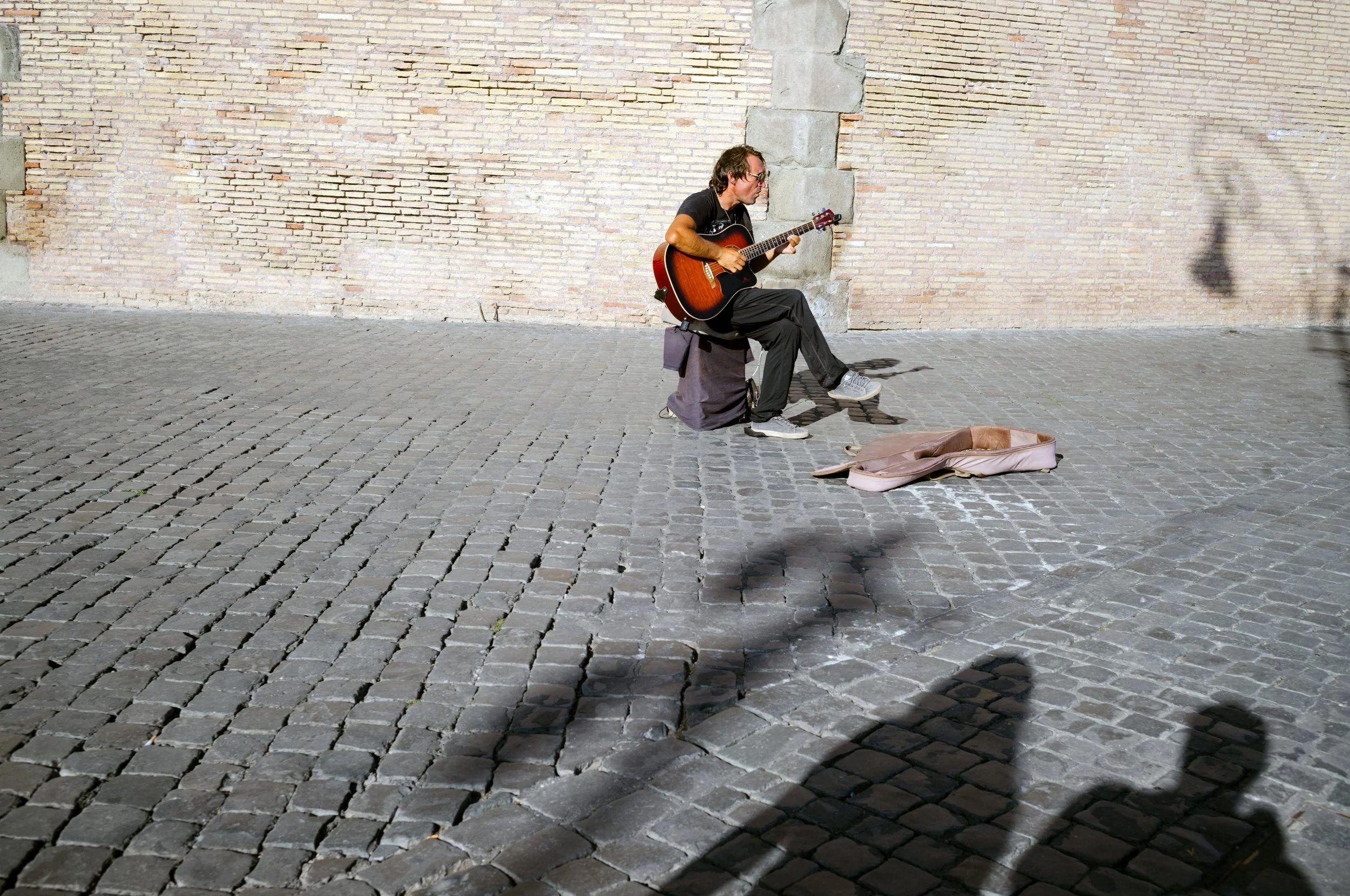
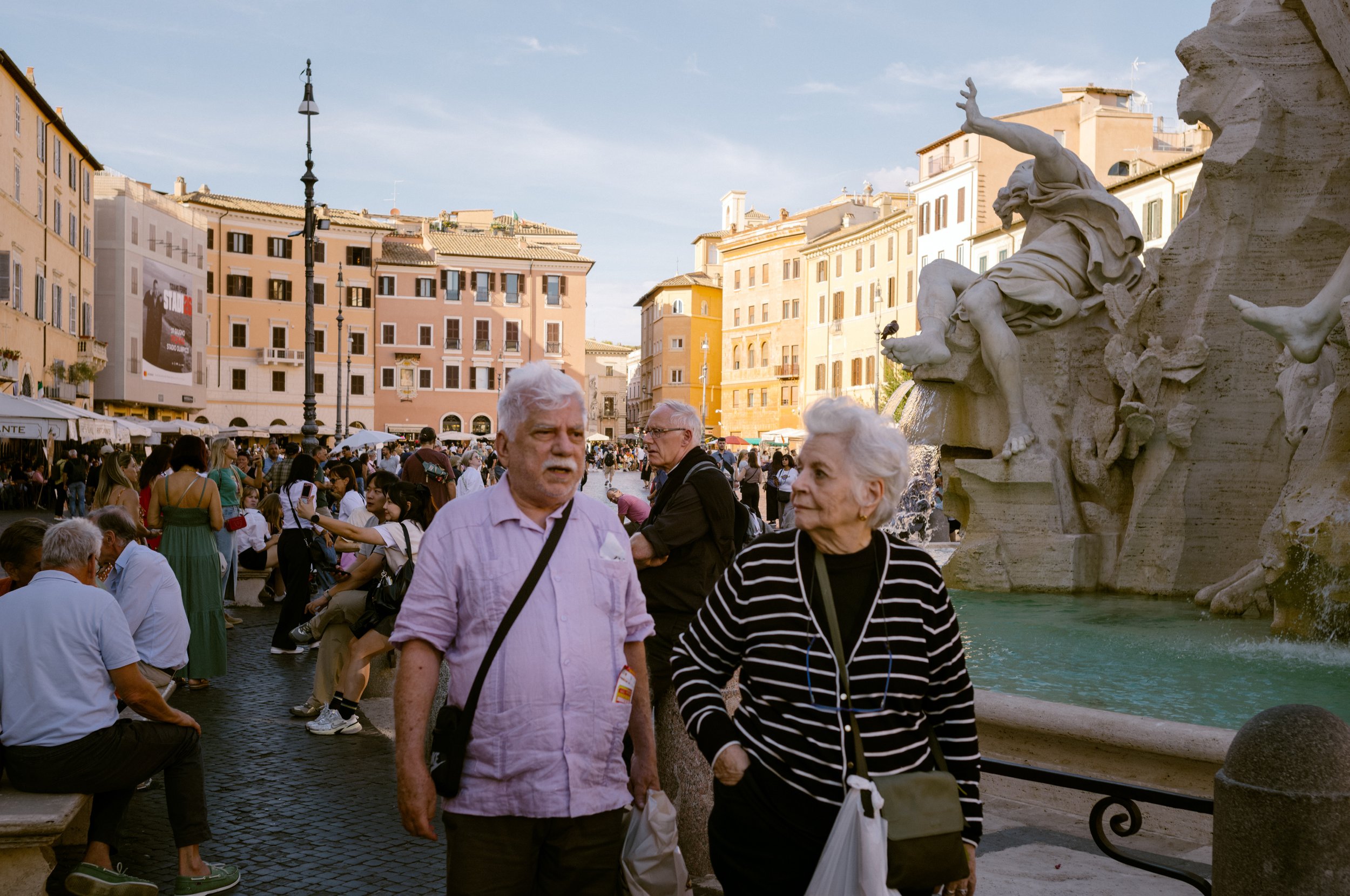
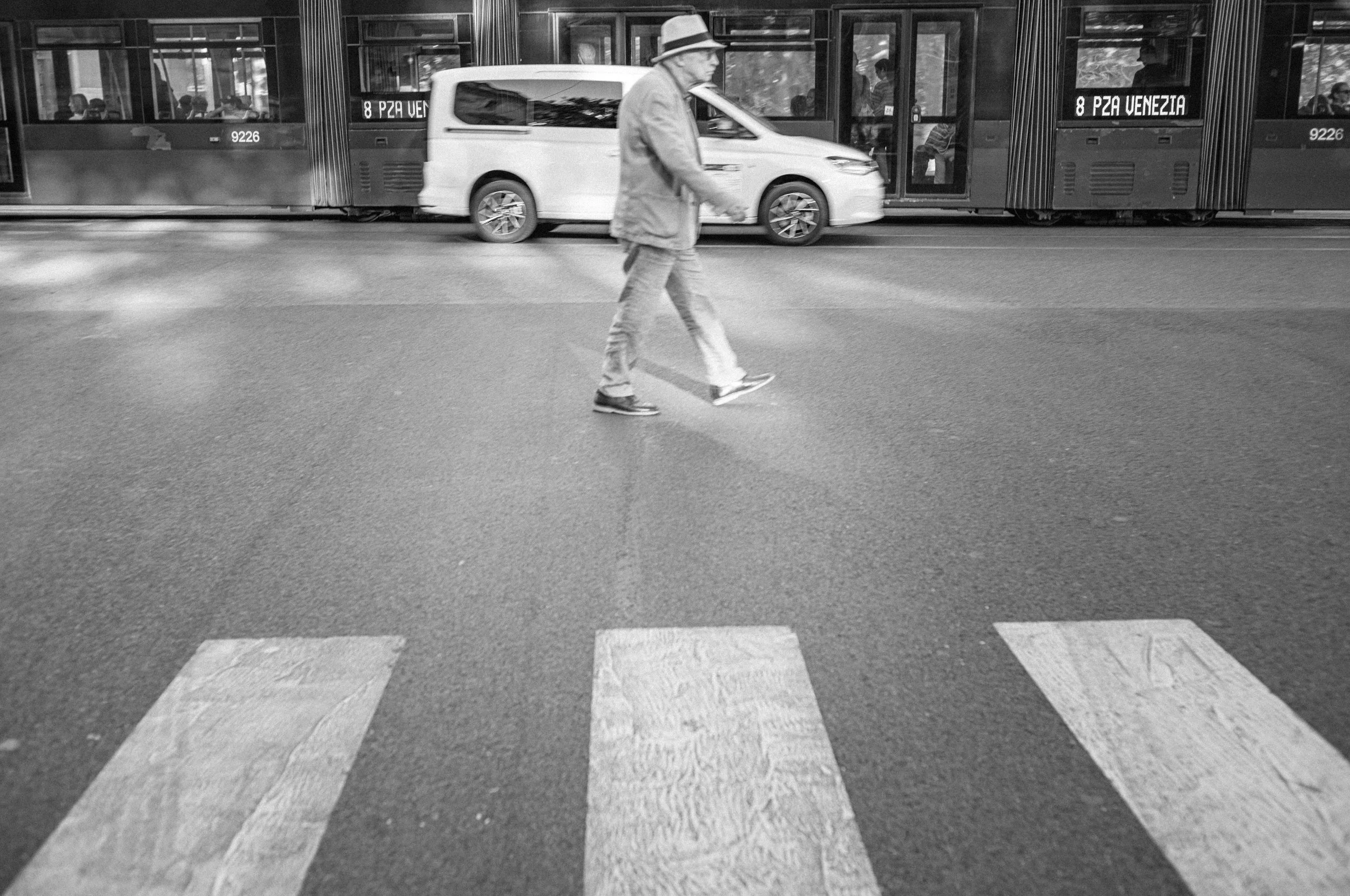
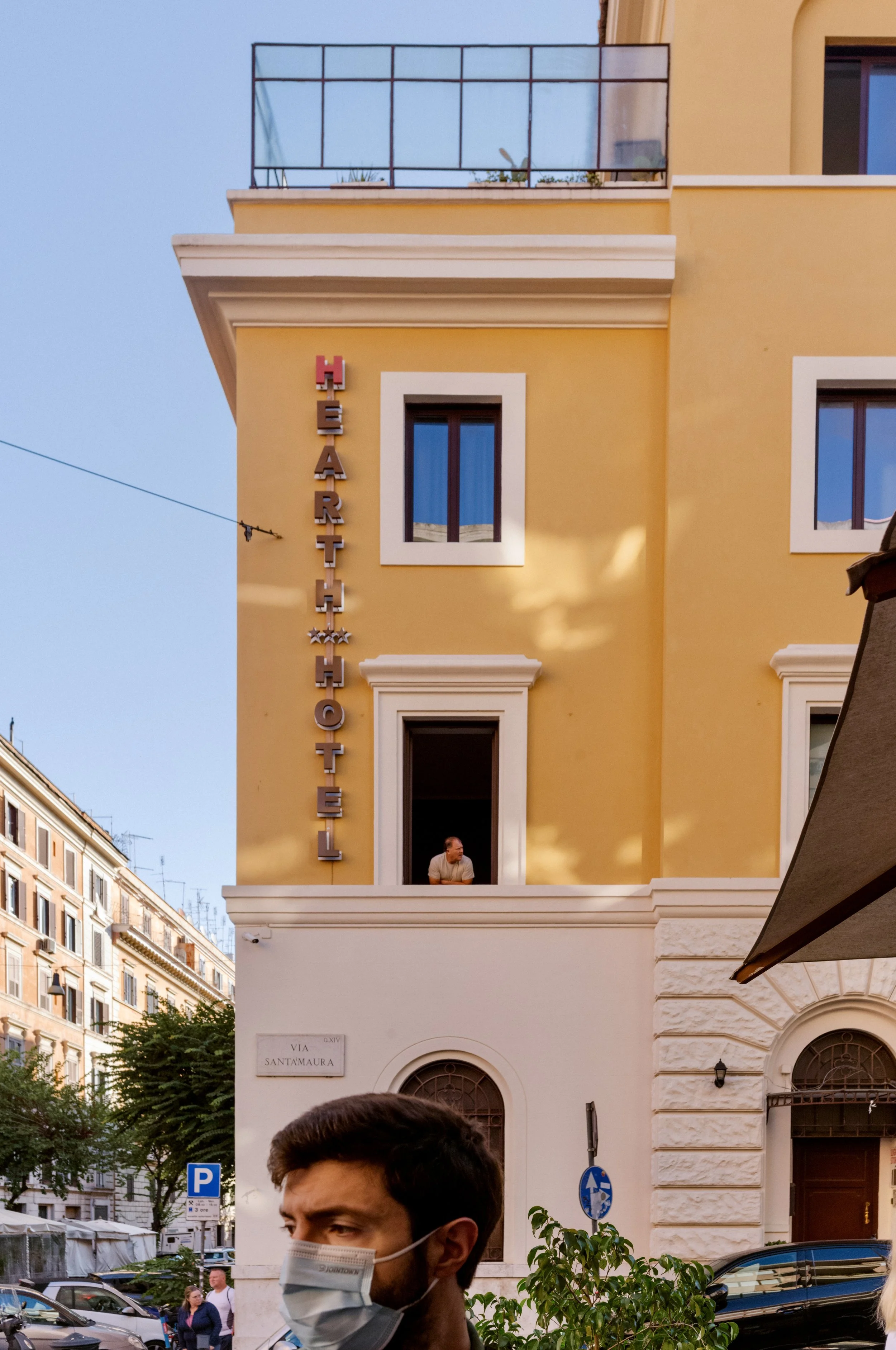
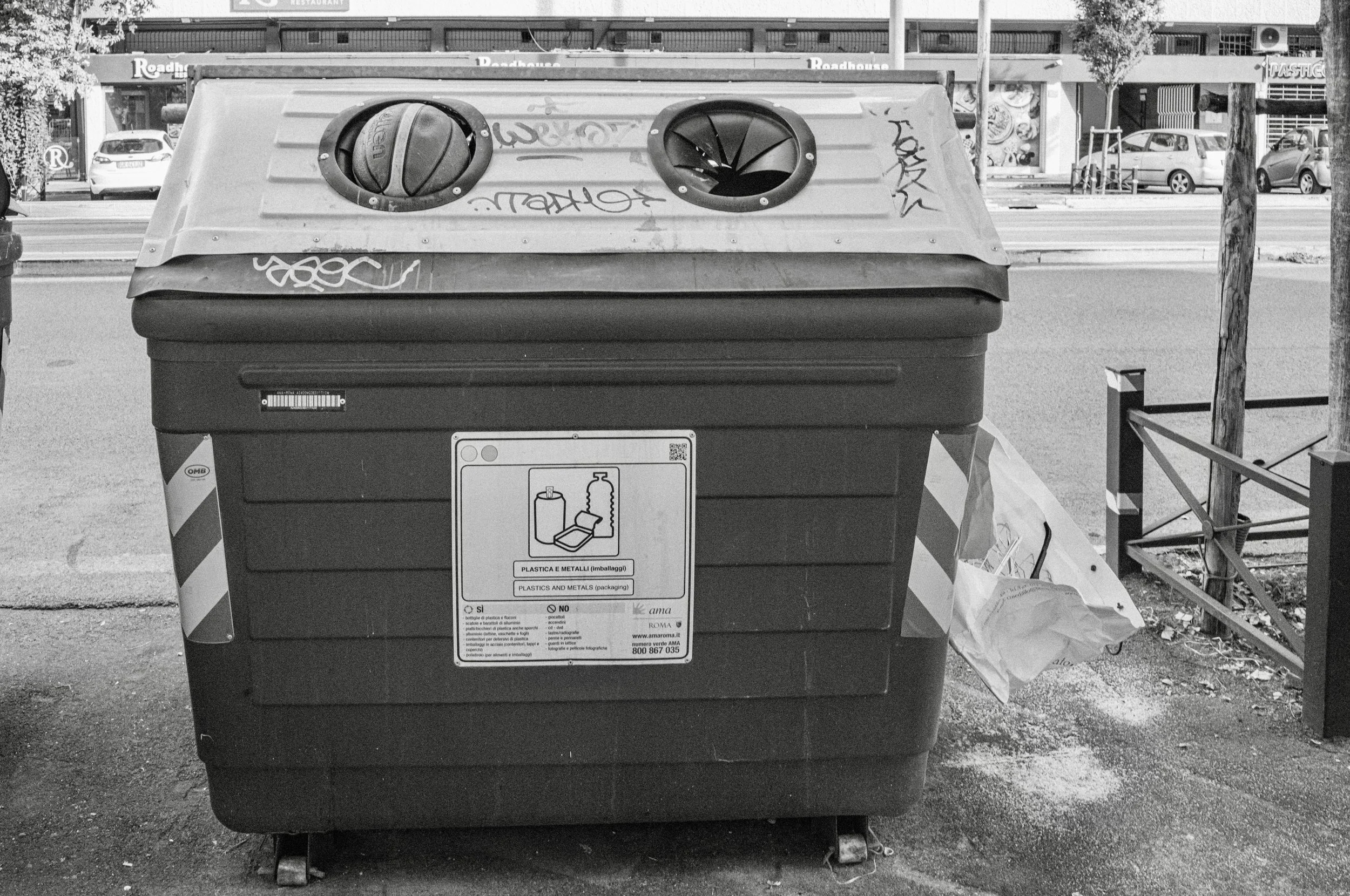
Using the Leica M11 for street photography in Rome was perfect as it handled the shifting light beautifully. I’ve become a real fan of rangefinders; I was worried leaving my DSLR system, but for street photography range finders make you see the frame differently, and with one eye free you stay aware of what’s happening around you, which is great if you’re in a busy environment like Rome or a protest. The M11’s dynamic range and colour depth captured everything from harsh midday sun to the soft golden light of evening with ease.
I tend to shoot auto ISO and shutter so I can focus purely on what’s in front of me (I can hear the purest screaming now). For this trip the 28mm Zeiss Biogon and 35mm Summicron were the two choices of lens to hand, but the 28mm really won me over as it was perfect for Rome’s grand spaces and tight café lined streets. It’s wide enough to tell the full story without losing intimacy.
Something else I’ve come to love using rangefinders is that manual focus isn’t a worry when you zone focus. At around f/8, you can keep everything from a few metres to infinity sharp which is ideal for fast moving street scenes. It lets you react instantly to light and movement, keeping your attention on composition and the story rather than the settings. You can shoot from different heights easily too when zone focusing which is why I have a 126cm strap so that I can easily move the camera from my face to shoot from the hip very discreetly.
The images below are a mix from all the days in Rome.
Final Reflections
Rome was amazing and much more than I expected, very friendly locals, super easy to navigate public transport, history, food, coffee, some of the best light I’ve ever seen, photo opportunities everywhere and some of the most scenic streets I’ve walked through.
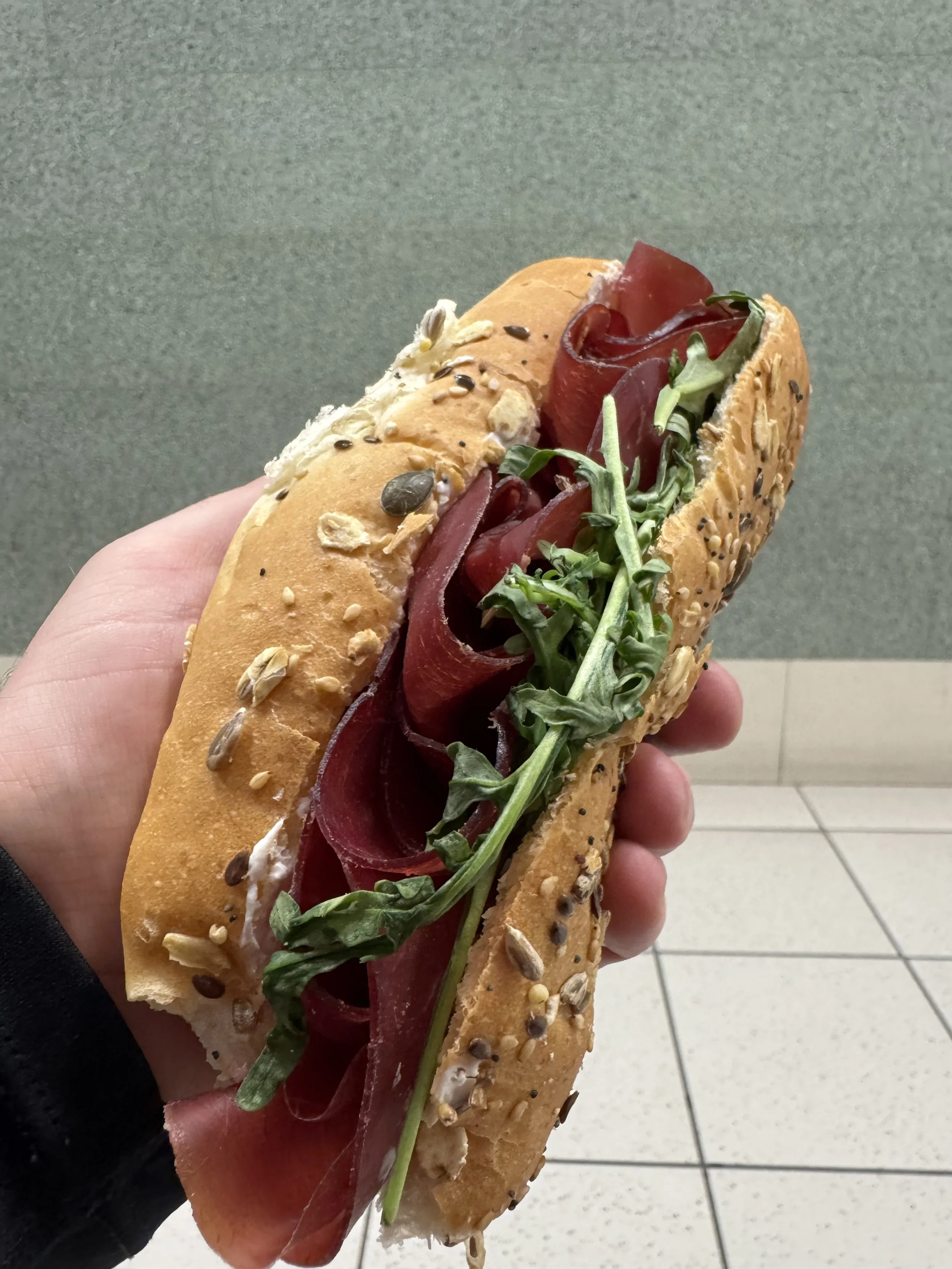
Don’t be shy to go to local supermarkets to buy food so you can eat in or make sandwiches as it’s good quality and fairly cheap as there are some tourist traps that will charge you good money for average meals.
Finally, make sure you have a refillable water bottle to take advantage of the excellent, clean, and perfectly safe to drink water that is sourced from mountain springs and delivered through ancient aqueducts, have a fan and a cap to keep cool in the heat and good footwear is a MUST as you will be walking on a lot of older sites which have uneven surfaces.
Ciao!
Make sure you follow along on Instagram @deanomooreo for more of my journeys.
I’d love to hear about your adventures in Rome if you have been or even if you are planning on going.