Vatican City Travel Guide 2025: How to Visit the Holy Doors, Sistine Chapel & St Peter’s
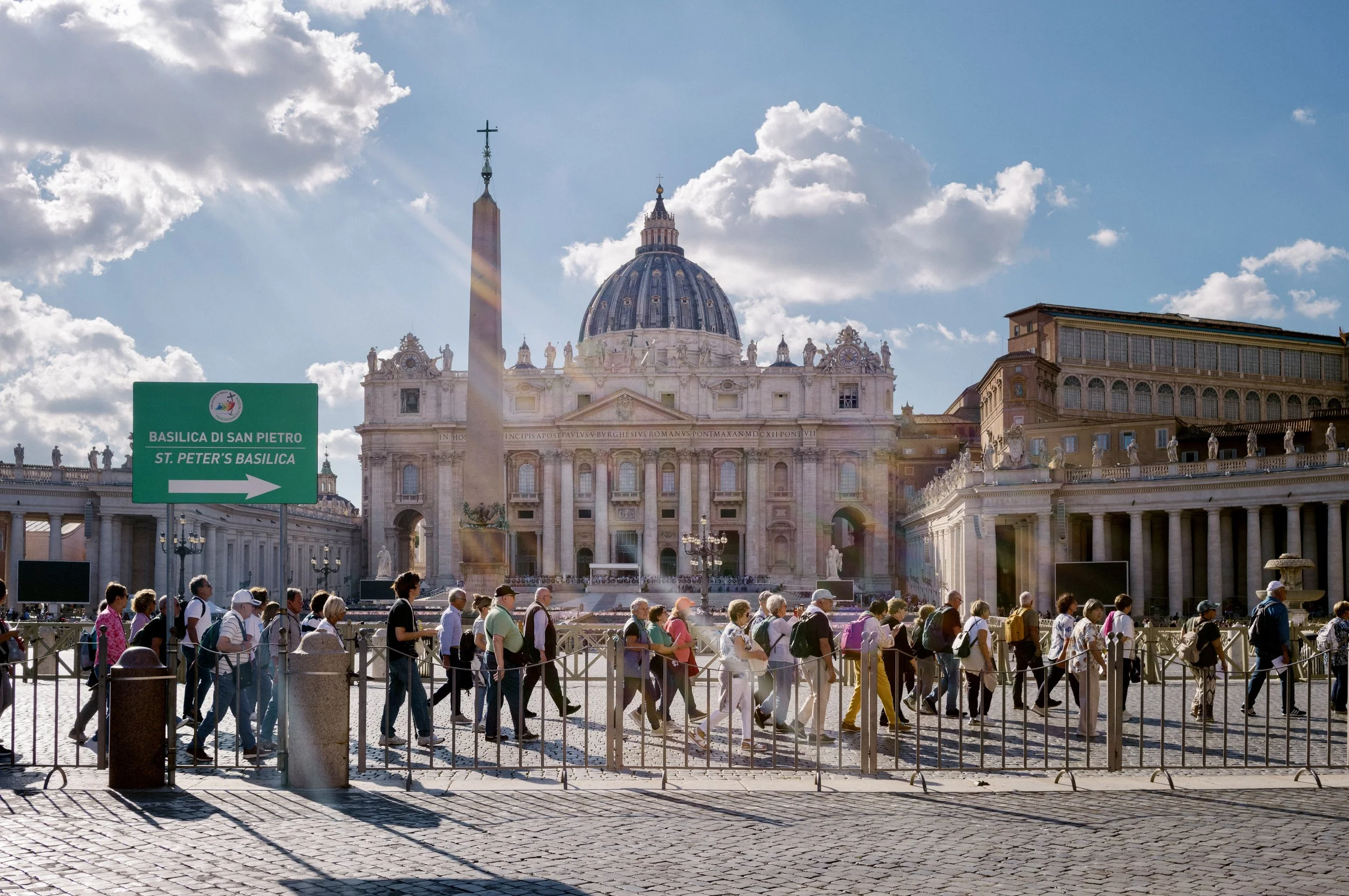
Pilgrims walking the route to St Peter’s Basilica to pass through the Holy Doors
The Vatican opens its Holy Doors only once every 25 years and stepping through them during a Jubilee is one of the most meaningful experiences any traveller can have.
Vatican City shouldn’t just be another stop on a Rome itinerary. It’s a destination that goes deeper, especially if you’re someone who values faith, history, or simply those rare places that leave you in awe. It’s even more special and meaningful this year as it’s a Vatican Jubilee, which only happens once every 25 years. A Jubilee year allows you to walk through the Holy Doors at St Peter’s Basilica. A privilege most travellers may only experience once in their lifetime.
That moment of quiet reflection, surrounded by centuries of devotion, was something I personally wasn’t willing to miss. But with the Jubilee comes huge crowds and seriously long queues, if you don’t plan ahead with fast-track tickets, you risk spending hours waiting instead of experiencing the reason you came. This entry shares not just what I saw, but exactly how I made the most of my time here, so you can do the same.
Why Visit the Vatican in a Jubilee Year
Every 25 years, the Vatican declares a Jubilee which is a Holy Year of forgiveness and reconciliation. During this time, pilgrims can pass through the Holy Doors at St Peter’s Basilica, symbolising renewal and the opening of one’s heart. This simple act holds deep meaning, and being able to experience it in person was profoundly moving for me and the faith I hold. It allowed time for prayer, gratitude, and personal reflection, something that went far beyond the sightseeing.
But a visit to the Vatican during the Jubilee also requires good planning. The crowds are immense, and ticket queues can take hours without preparation. Booking fast track tickets for both the Vatican Museums with access to the Sistine Chapel and access to walk through the Holy Doors is essential if you want to experience everything without stress, click on the links above to access the tours I when with Get Your Guide.
The Short Read
Travel Tips for the Vatican
Book fast track tickets for both the Museums/Sistine Chapel and if you walk through the Holy Doors
Dress appropriately: shoulders and knees must be covered and no hats
Arrive early for the Holy Doors and Basilica to avoid crowds (think about the timed ticket you buy)
Carry water and take breaks; it’s a long visit
Buy holy water from the gift shop, it’s meaningful and symbolic but don’t forget to get it blessed
Allow reflection time find quiet corners in the basilica to pause and take it all in
Expect crowds in the museums and chapel but move slowly; it’s worth it looking at as much as you can
Short Read – Final Reflections
The Vatican is unlike anywhere else, its scale, history, and meaning make every moment feel important. Walking through the Holy Doors during the Jubilee was a rare chance to pause and reflect, and I’m grateful I was able to experience it this year. Even the things I didn’t get to do only gave me more reason to return. Go prepared, book ahead, and give yourself time. Here, travel isn’t just sightseeing, it’s a personal journey.
Would I go back: Yes to explore more of St Peter’s Basilica.
Overall Experience: ⭐⭐⭐⭐
Keep Scrolling for the Long Read and Pictures
Getting There and Starting Out
It literally took me a 23min train ride and a short walk from Roma Trastevere station so you don’t necessarily have to stay too close to the Vatican, Prati or Borgo are also good choices for walking access if you do want to stay close.
I’d advise to start your trip to the Vatican early in the day, especially if you want to attend a morning service or walk through the Holy Doors before the crowds.
I’ve already mentioned above about the benefits of pre-booked fast track tickets but during the Jubilee year, this is more important than ever. Lines often wrap around the square, and being able to step straight in gives you space to breathe and take in the atmosphere.
What to See and Experience
St Peter’s Square Where Faith Meets Design

St Peter’s Square with the basilica and the central Egyptian obelisk

Close-up of the Vatican obelisk and surrounding colonnades in St Peter’s Square
Standing in St Peter’s Square can be quite daunting, especially when it’s very busy as it’s a big open space but also enclosed due to the colonnades on both sides. However, when I was there it was fenced off in the centre so it was not as busy as normal.
St Peter’s Square is framed by Gian Lorenzo Bernini’s sweeping colonnades, which were designed in the 17th century to embrace pilgrims arriving from all corners of the world. The colonnades are often described as “the maternal arms of the Church” due to wrapping round the square.
There are 284 Doric columns and when you stand at a marked stone near the centre of the square, the four rows of columns align perfectly, appearing as one, a clever illusion that shows the precision behind the grandeur.
At the heart of the square you will see the Vatican Obelisk, an ancient Egyptian monument over 25 metres tall, brought to Rome in 37 AD by Emperor Caligula and later moved 243 metres to its current position by Pope Sixtus V in 1586. It’s one of the few ancient obelisks still standing exactly where it was re-erected, and beneath it lies a relic of the True Cross, buried there as a symbol of faith.
From the square, every view feels cinematic, the symmetry of the colonnades, the glint of light on the dome of St Peter’s Basilica, and the songs of pilgrims and travellers gathering for blessings or reflection. Whether you visit for belief, history, or curiosity, it’s impossible not to feel the significance of this area.
As you stand looking up at the dome, the moment connects centuries of devotion and design proof that even the smallest country in the world can make you feel part of something far greater.
How to Walk Through the Holy Doors at St Peter’s Basilica
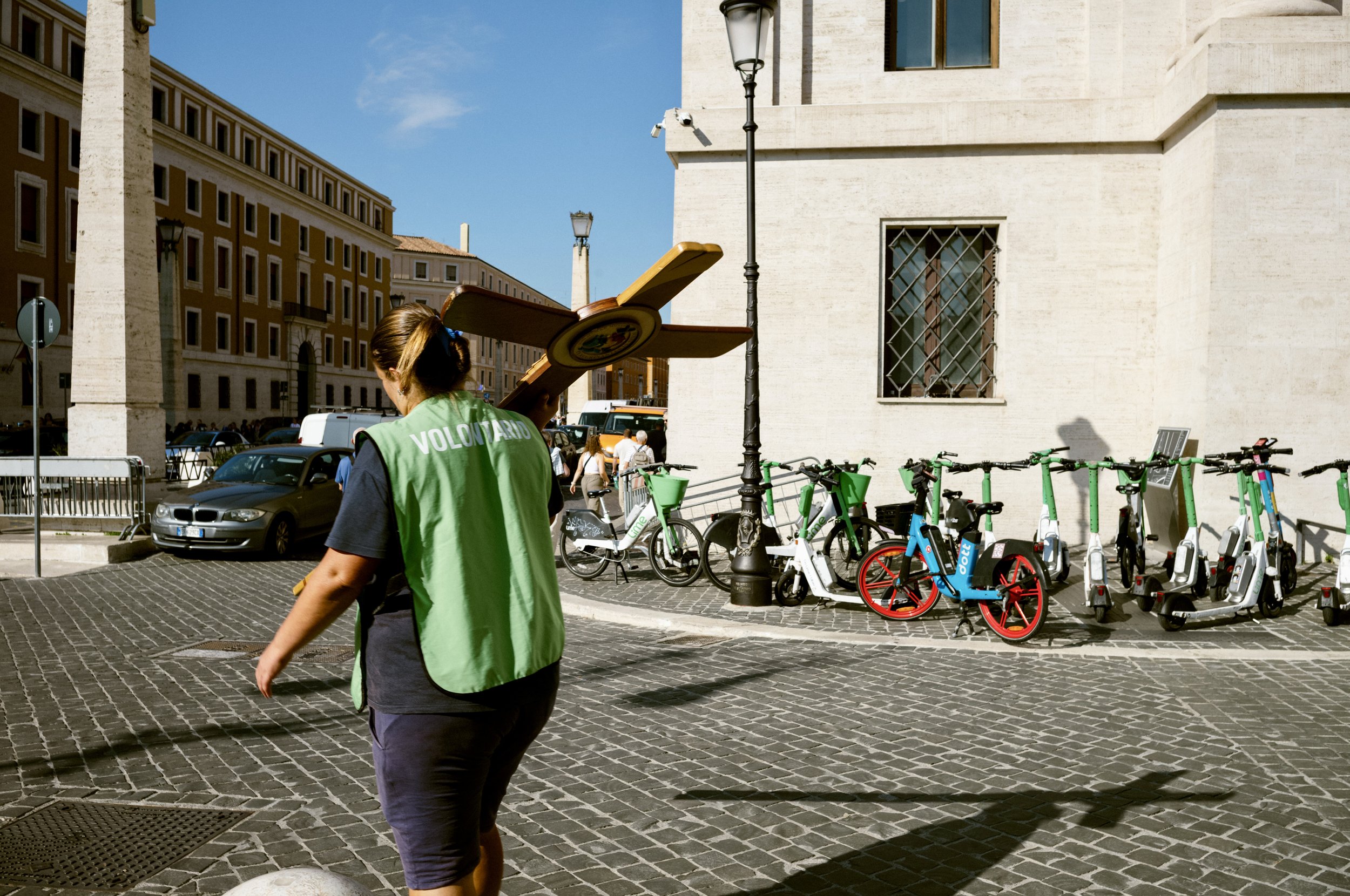
Cross bearer at the start of the pilgrimage

Taking the pilgrimage to walk through the Holy Doors
The Holy doors only open in a Holy Year. This Jubilee year, the theme is “Pilgrims of Hope,” and runs until January 6, 2026. So there is still time to experience something truly meaningful, even if you’re not religious.
Passing through the doors isn’t just about faith, but about how you choose to live afterward. I used my pilgrimage as a time to pray for peace, mercy, and to reconnect with what matters most. So I promised myself to be more forgiving, to help others, and to try to be a better example.
Walking through the Holy Doors was something I couldn’t miss.
Two fast track tickets cost £50.30 from Get Your Guide. We meet our guide just outside of Vatican City and had a history walk along the walls before stopping at the pedestrian area in Piazza Pia which is located between Castel Sant'Angelo and St. Peter's Basilica.
From there we joined the procession walking behind the cross bearer up Via della Conciliazione saying prays before breaking off at the end of the colonnades. You then go through a fast track security check and into an empty lane to get straight into St. Peter's Basilica.
At this point you walk through the Door of Good and Evil to the statue of St. Camillus de Lellis, turn right and walk back out the Basilica through the Door of the Sacraments before finally re-entrying via the Holy Doors.
Walking through the Holy Doors
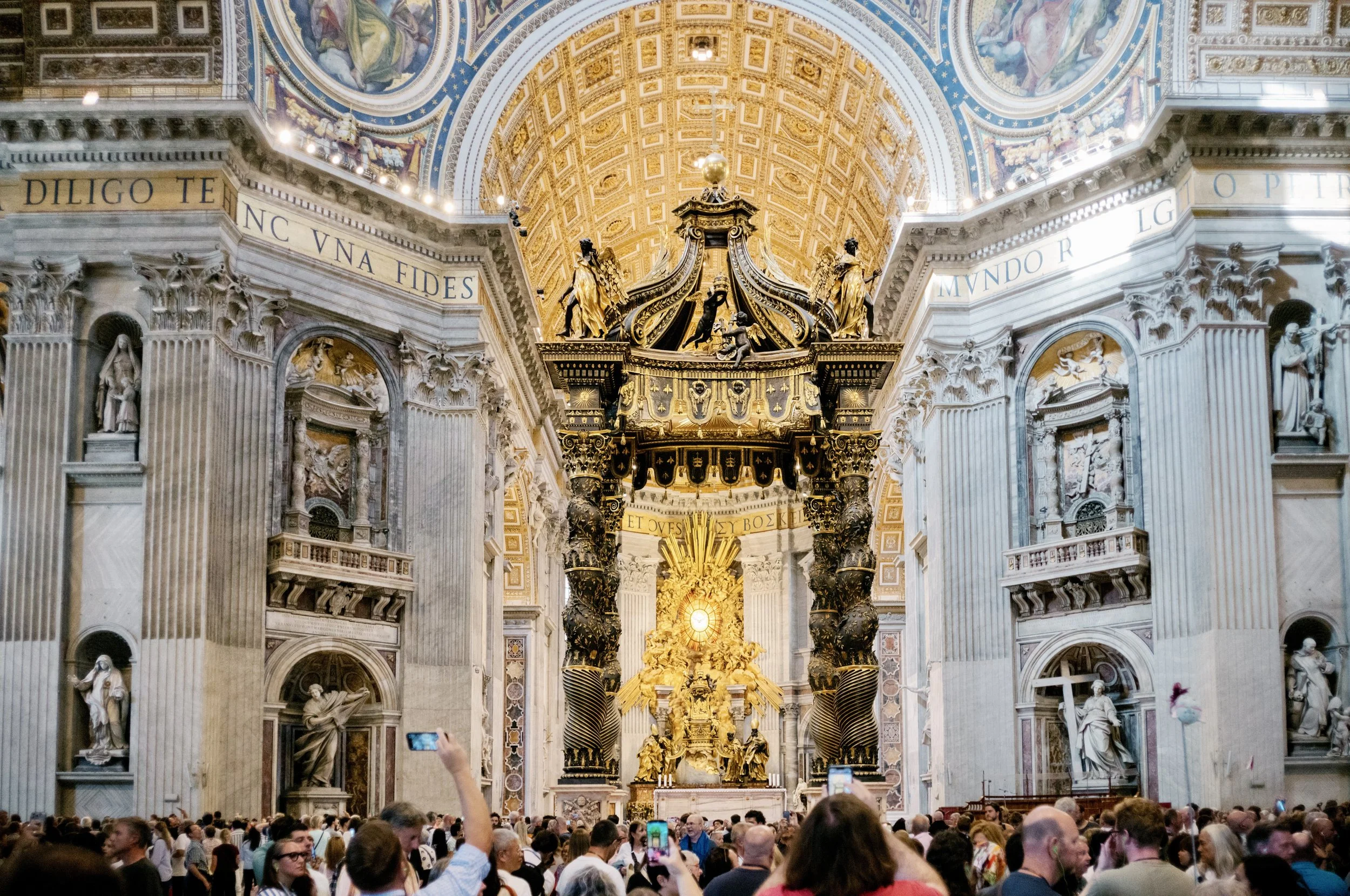
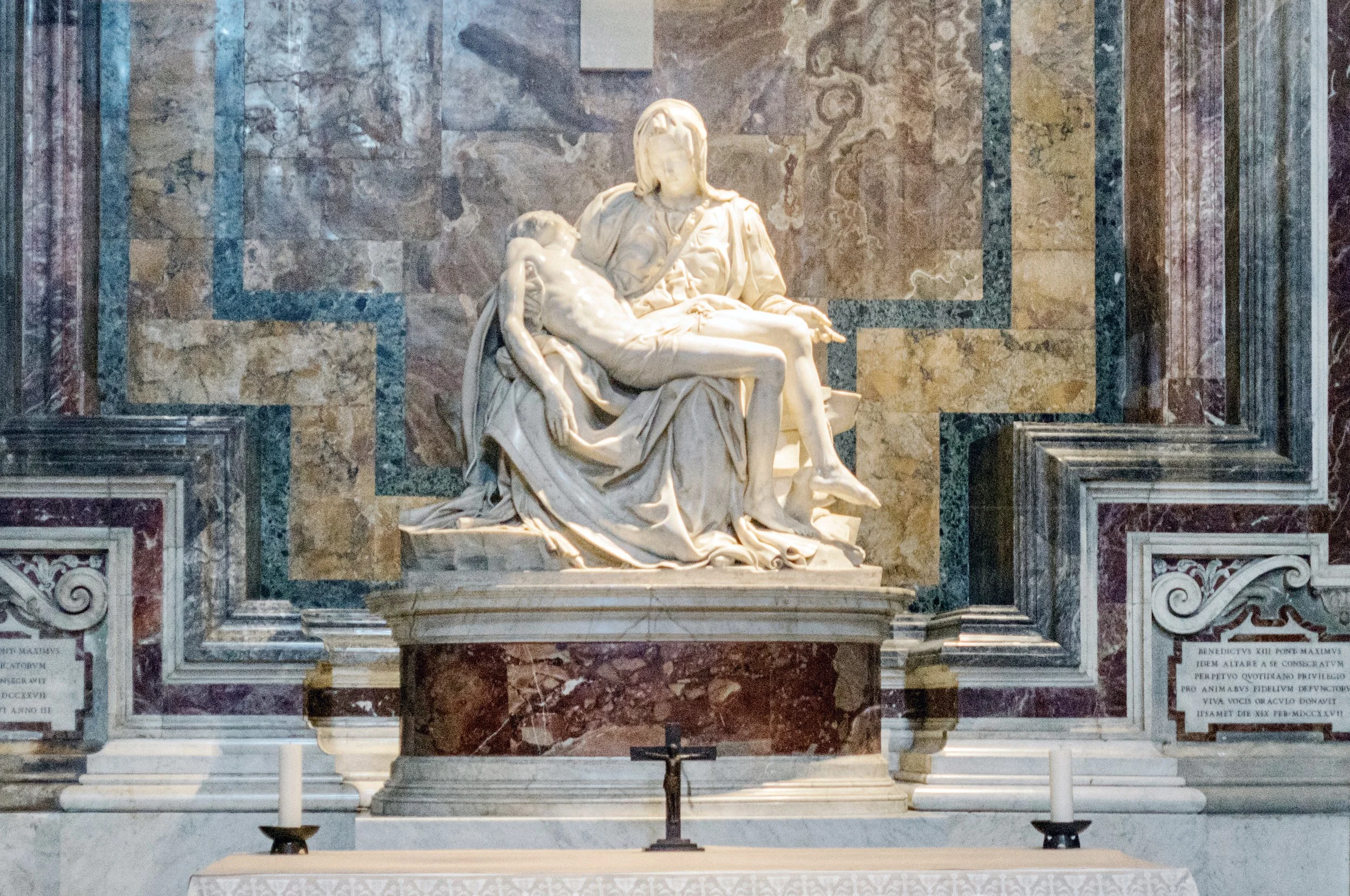
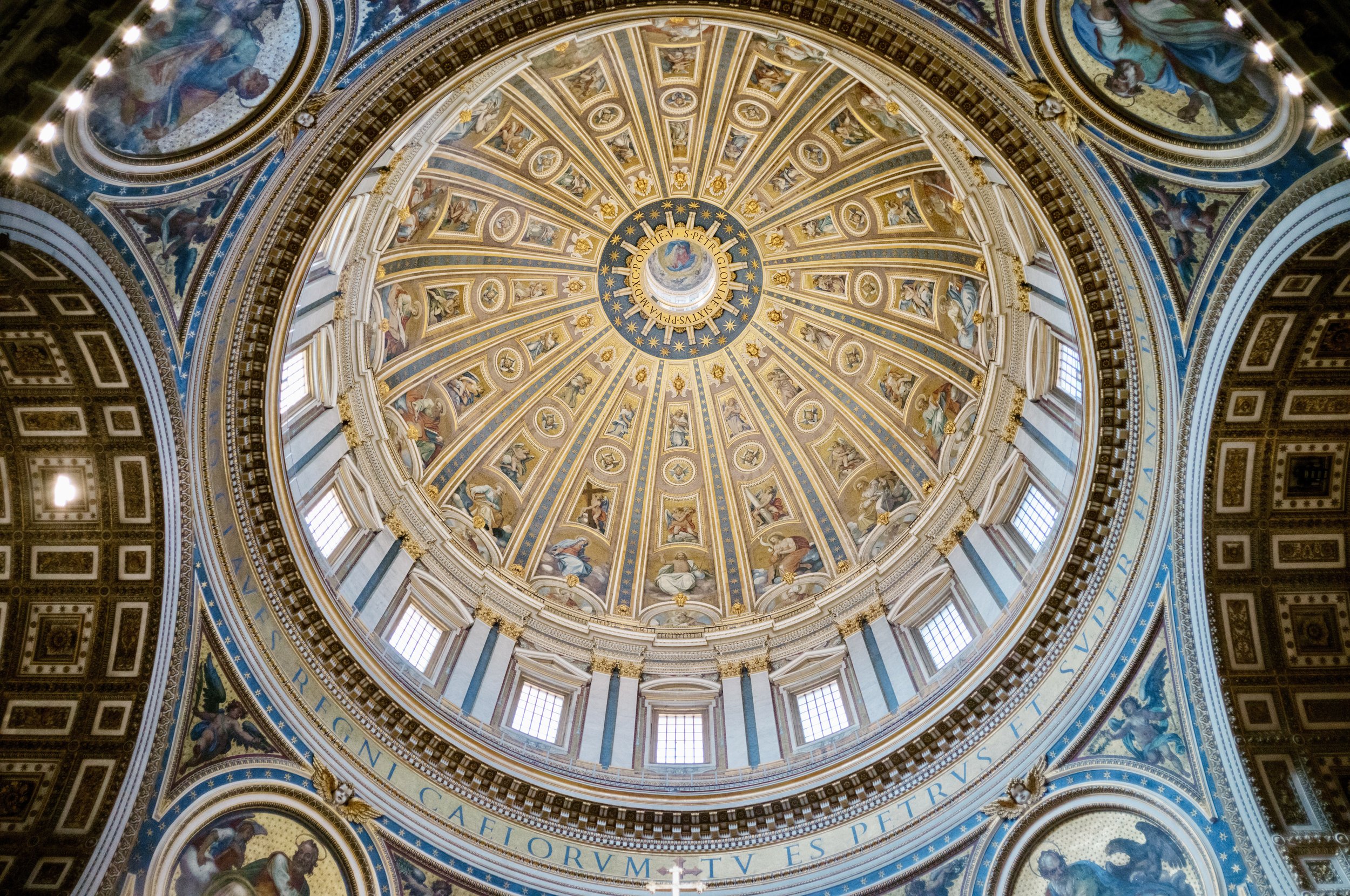
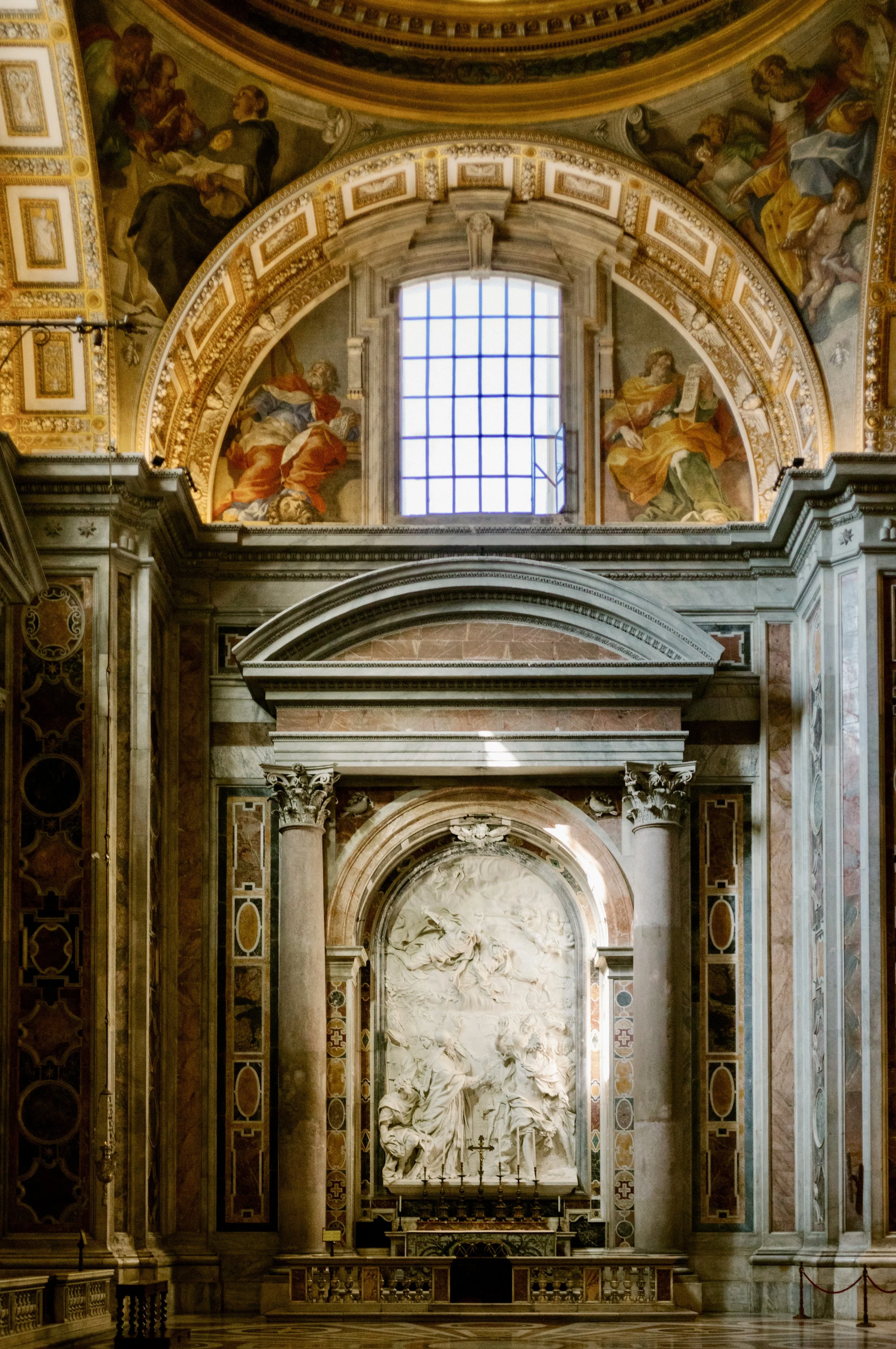
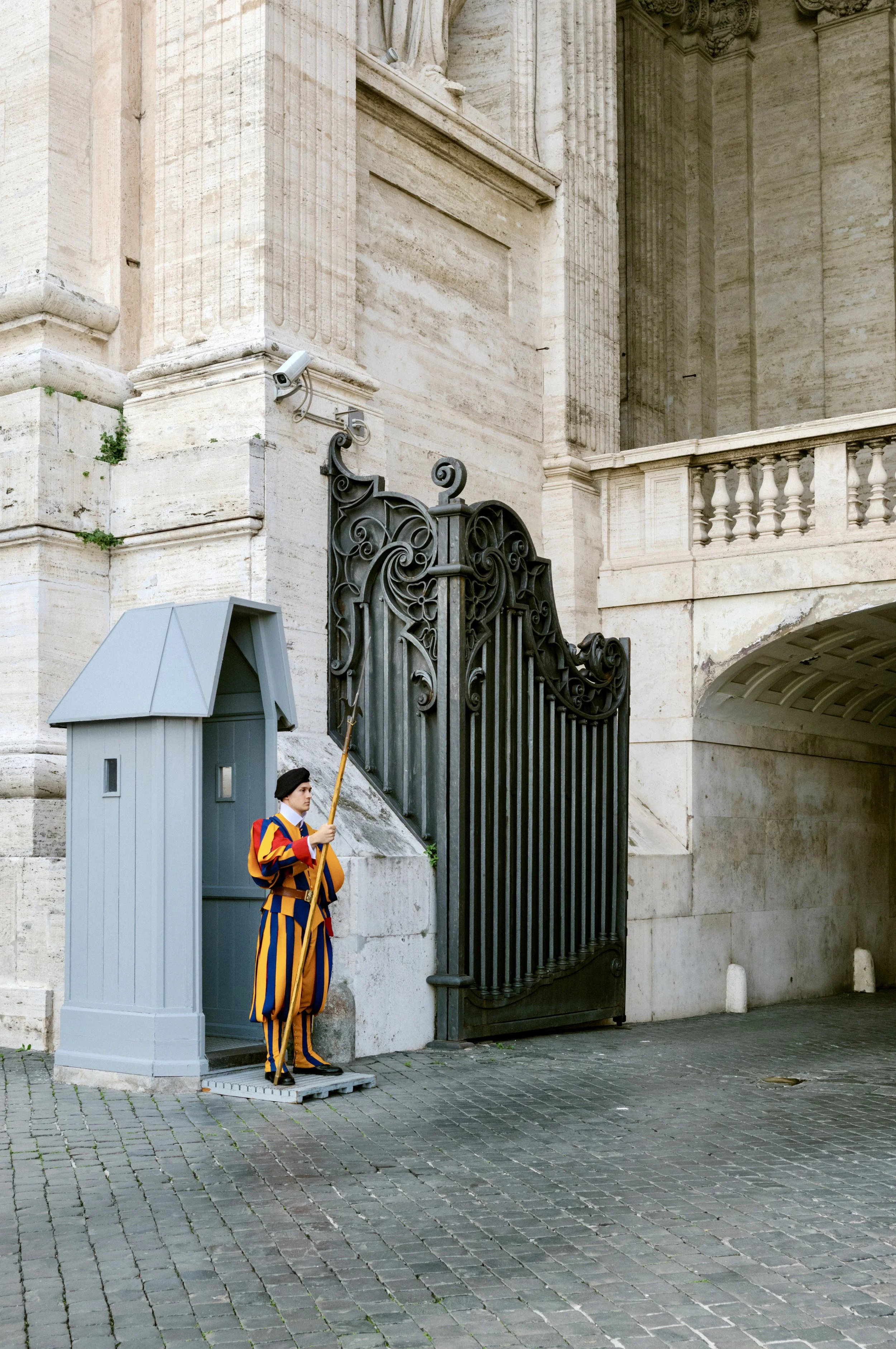
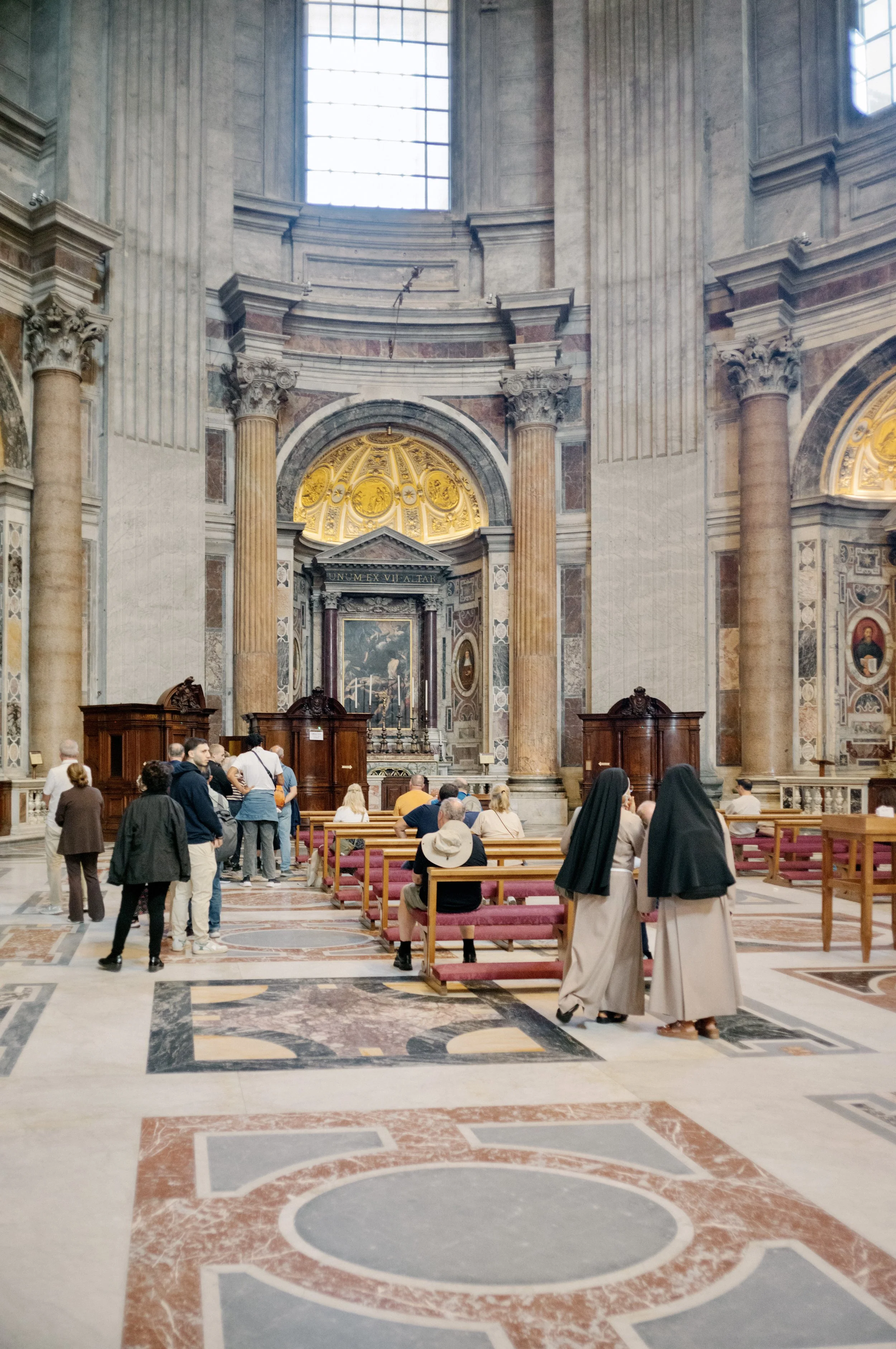
As you get through the Holy Doors and look to the right straight away you will see Michelangelo’s Pietà (see the second image above) which will immediately capture your attention. It’s hard to believe that he sculpted this at twenty four, the detail is insane. It shows Mary holding Christ at the point of which he was taken down from the cross. It’s the only piece he ever signed, and even behind glass it remains deeply moving when you contemplate on the topic being depicted.
Walking into St Peter’s Basilica is unforgettable. The scale, the artistry, and the sense of presence all combine into something beyond words. Beneath the high altar lies the tomb of Saint Peter, the first pope, and one of the holiest places in Christianity. There’s a lot to see as you walk round St Peter’s Basilica and there are things that I didn’t get to do as I was struggling to walk with very uncomfortable trainers and walking through Rome non stop for the last three days, so don’t make the same mistake I did and get trainers that are suitable for walking when in Rome or Vatican City as you will get your steps in!
Things I should have done but didn’t get round to:
Spend more time in the Chapels within the Basilica
Looked up more to see more of the frescoes in the domes
Explored the Necropolis to visit the tomb of St Peter
Gone up into the Dome which you can do via a lift or stairs
So just on the Dome St Peter’s, this is the number one activity I missed out on, from the top, you can see all of Rome, the rooftops, the winding streets, the Tiber, and the hills in the distance. Don’t make the same mistake make sure you add it to your list.
Before you leave, stop by the Vatican gift shop. You can buy a small bottle of holy water and have it blessed by a priest. It’s a beautiful tradition, and taking that bottle home feels like carrying a little piece of peace with you.
Just be warned the gift shop is busy and very small!
The Vatican Museums and Sistine Chapel
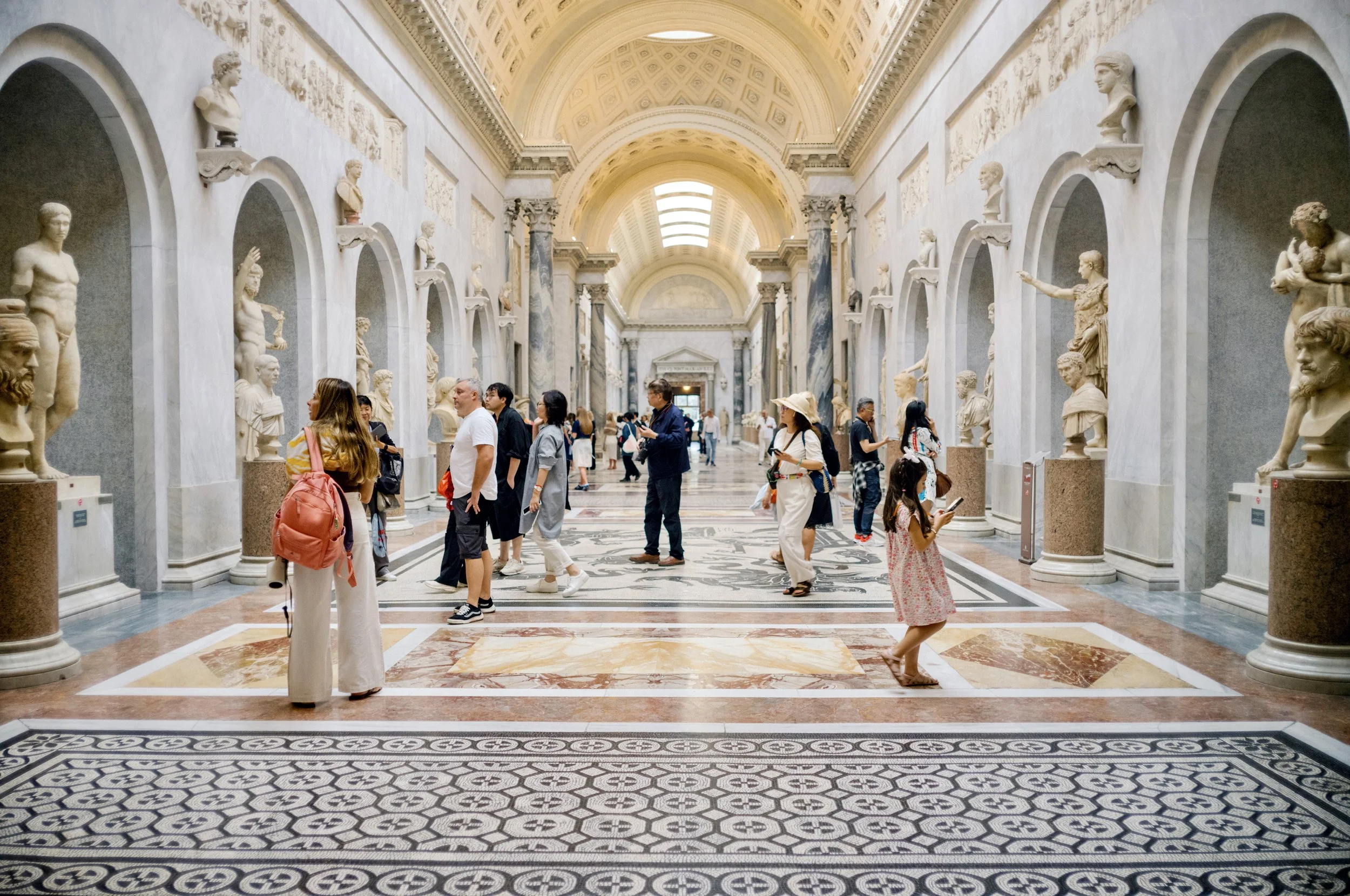
New Wing (Braccio Nuovo) of the Chiaramonti Museum
The Vatican Museums are immense, filled with centuries of art, sculpture, and history. From Raphael’s frescoes to ancient Roman artefacts, the collection is staggering. However, I’ll be honest: the experience can feel overwhelming. The sheer volume of people and the intensity of the space mean it’s sometimes hard to truly absorb what you’re seeing.
The Braccio Nuovo of the Chiaramonti Museum was one of my favourite spots and holds the Augustus of Prima Porta which is a colossal marble statue of the first Roman emperor in military attire addressing his troops, found in the villa of his wife Livia(Its the statue you can see on the right in the above image with his right arm raised).
Interestingly the floors you walk on are even older than you think as they are made from marble stripped from Palatine Hill and the Colosseum. So it’s also important to look down at what you are walking on as well as looking up into the ceilings.
By the time you reach the Sistine Chapel, where Michelangelo’s masterpiece covers the ceiling, expectations are high but the experience for me was mixed. The crowds, the noise, and security presence make it less intimate than imagined and felt very let down.
Photography and filming are banned in the Sistine Chapel because a Japanese company funded the 1980s restoration in exchange for exclusive image rights. Even though those rights expired, the rule remains to protect the frescoes and maintain the chapel’s sacred silence. The Sistine Chapel is magnificent and I am very pleased to have seen it but I’m not going to lie I spent 10 minutes in the chapel…..so you can see why I was let down.
You can book guides early in the morning for small private groups to have a very intimate experience but expect to pay over £400 each for a tour like this.
Booking fast track entry tickets for the Vatican Museums is non-negotiable, especially in a Jubilee year. Two tickets cost me £134.44. Queues can stretch for a very long time, and with timed entry you can glide past them, giving you more time inside the galleries and courtyards.
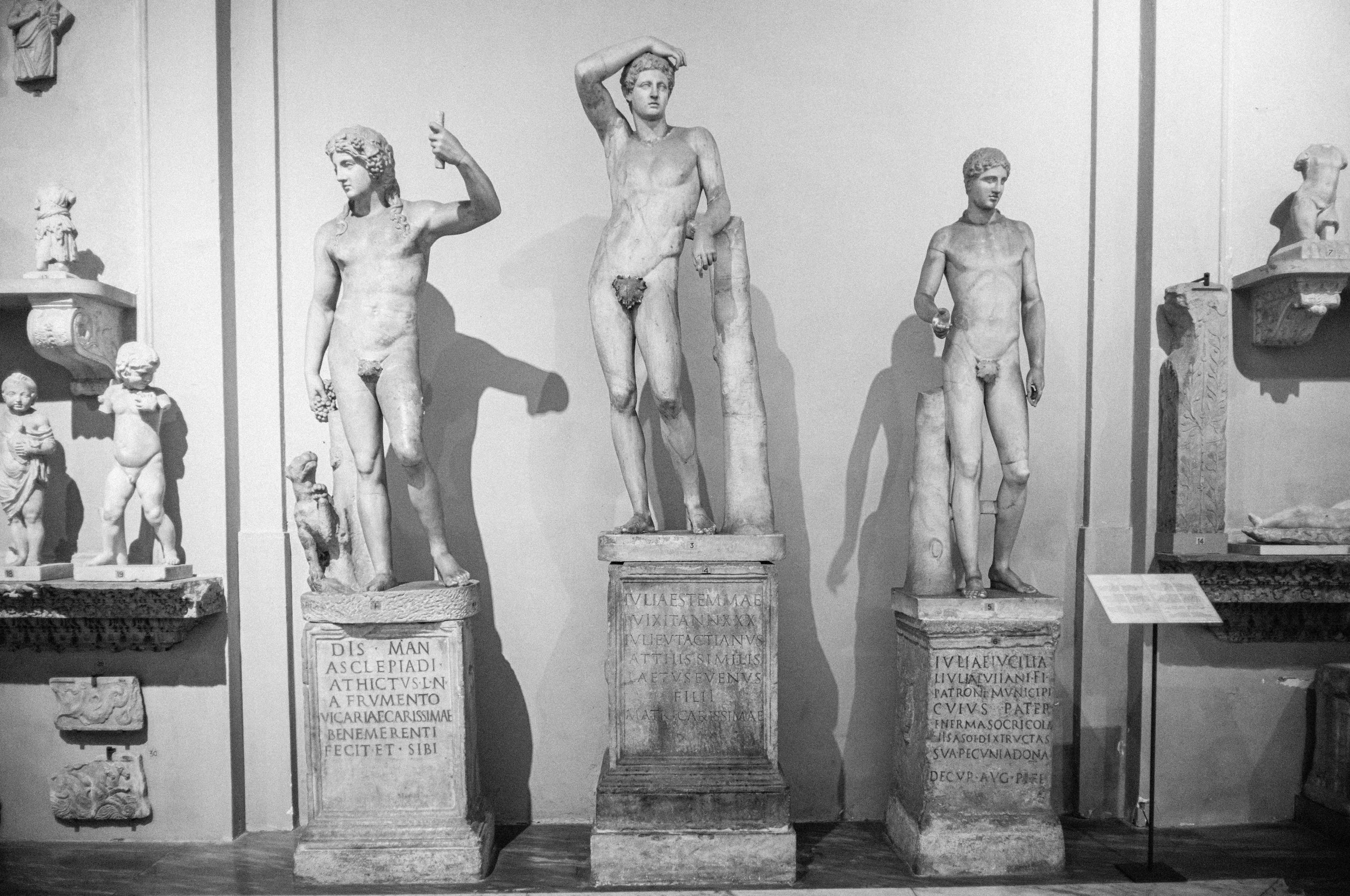
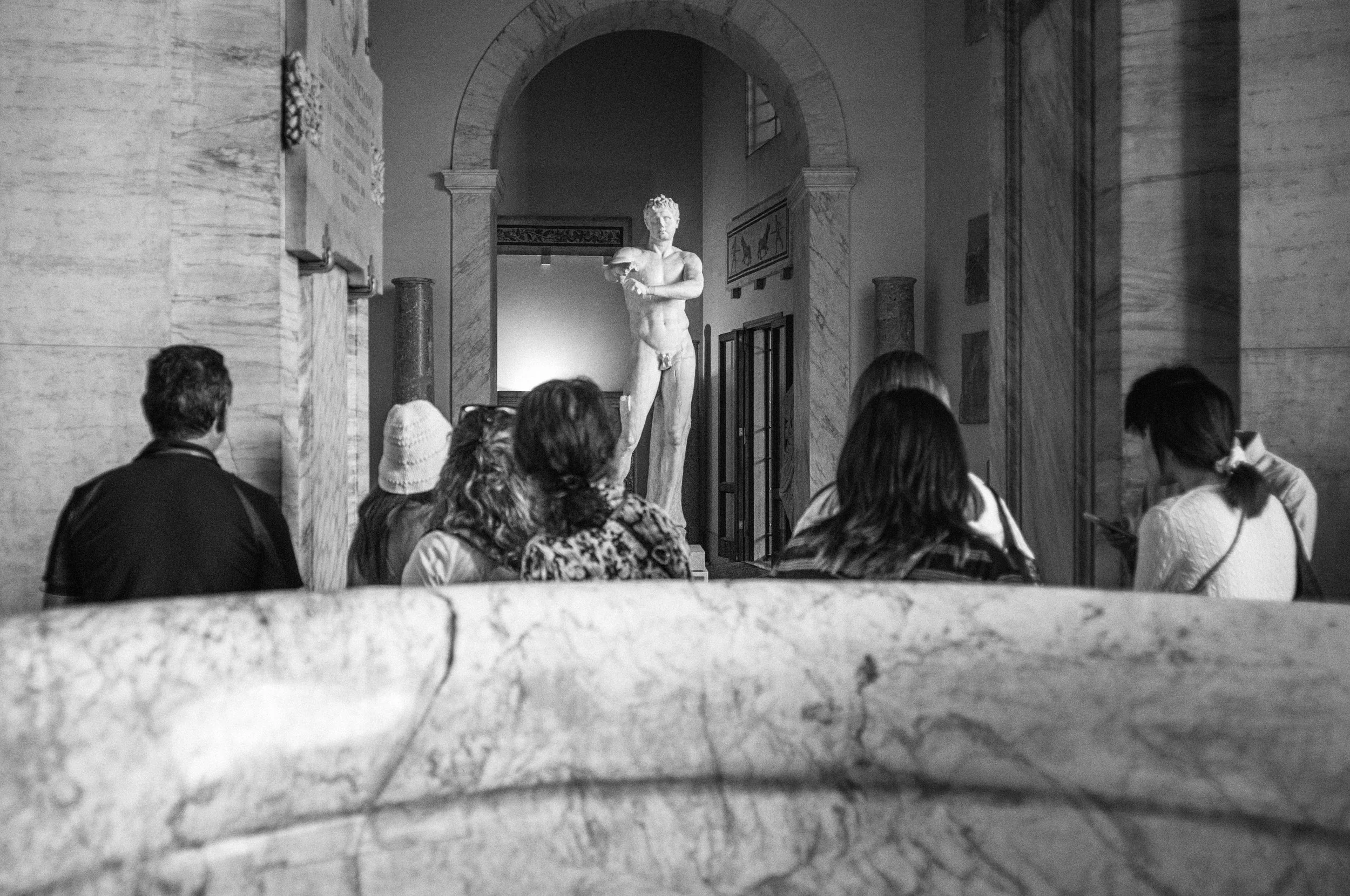
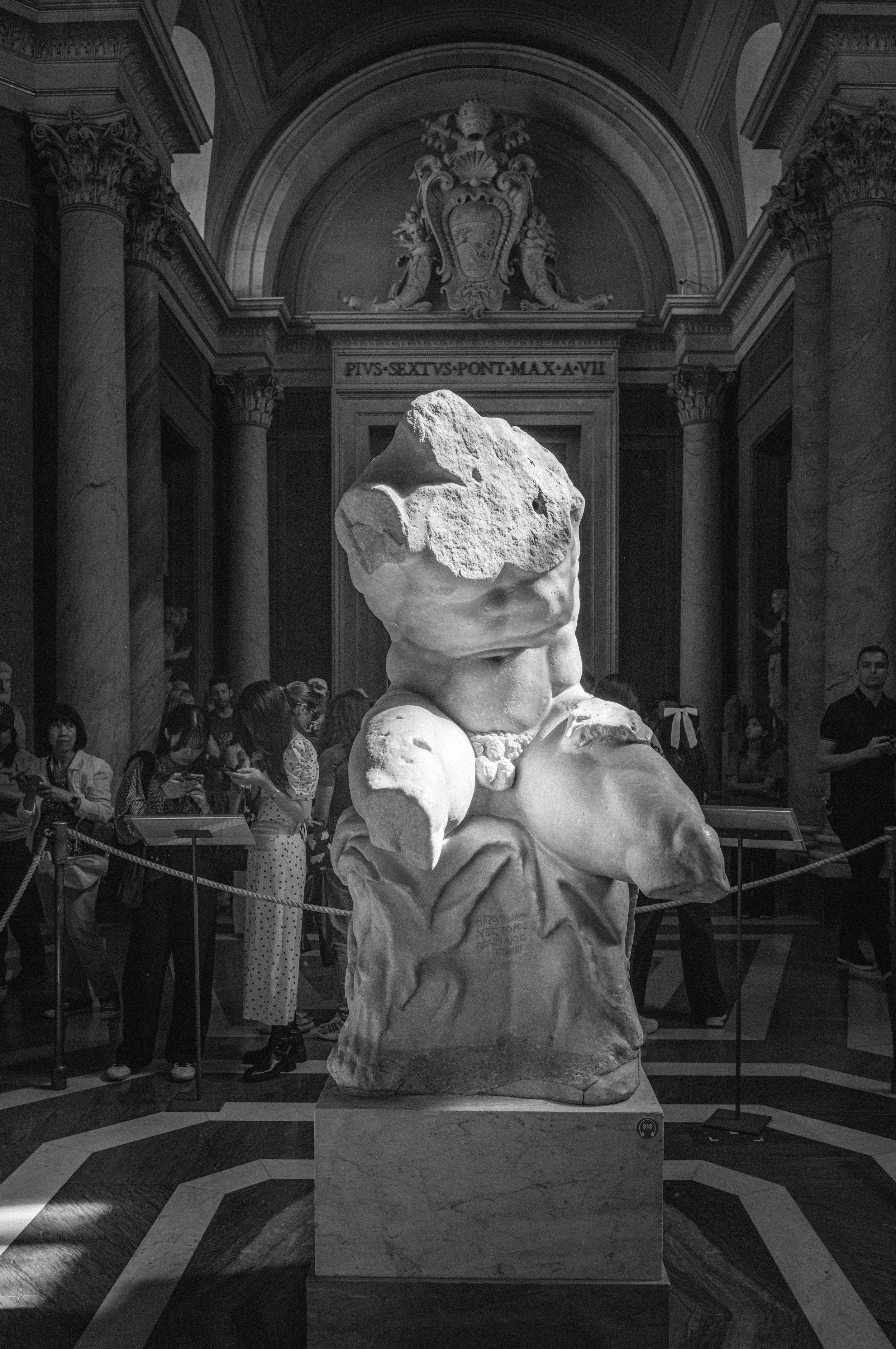
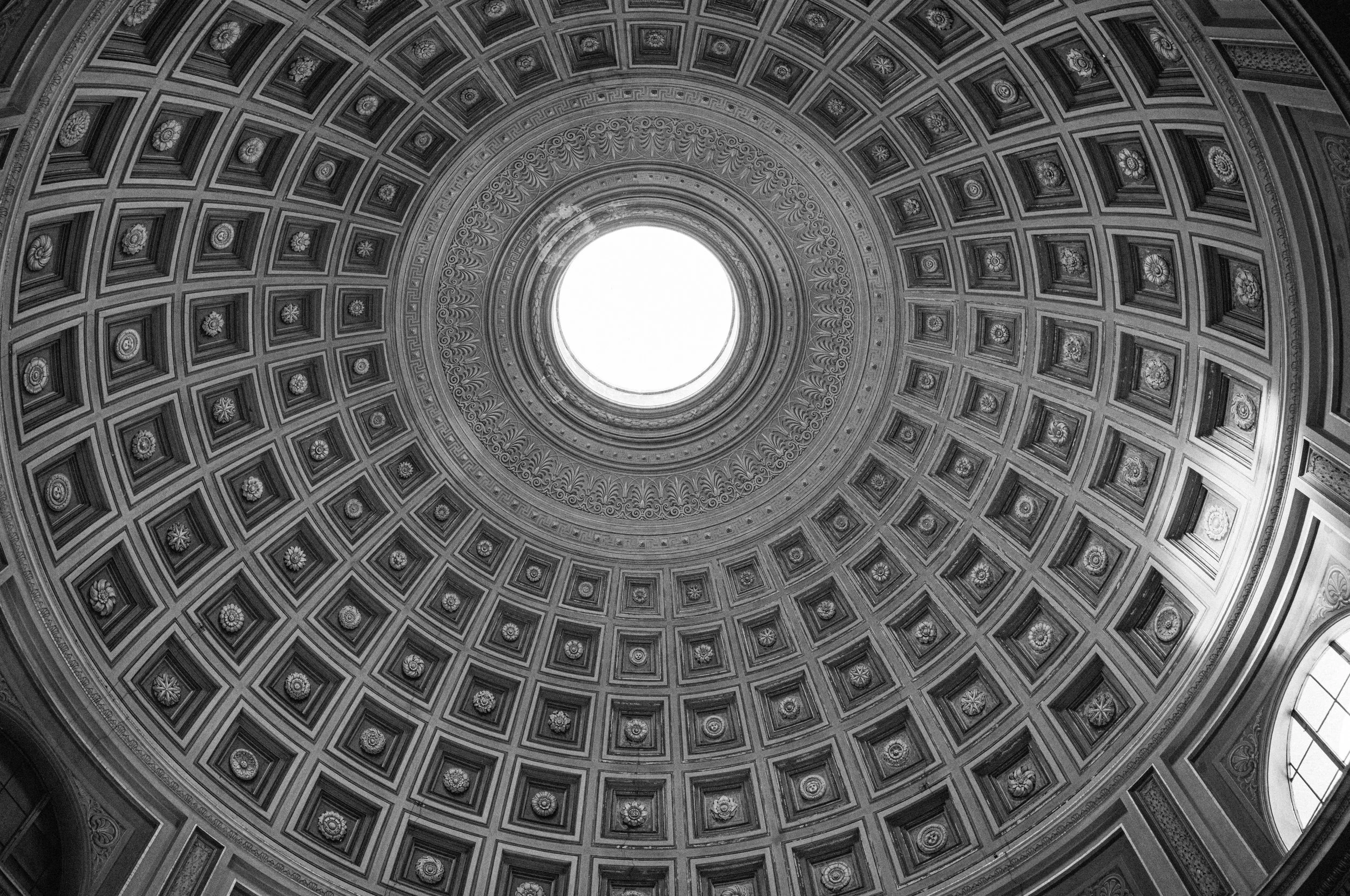
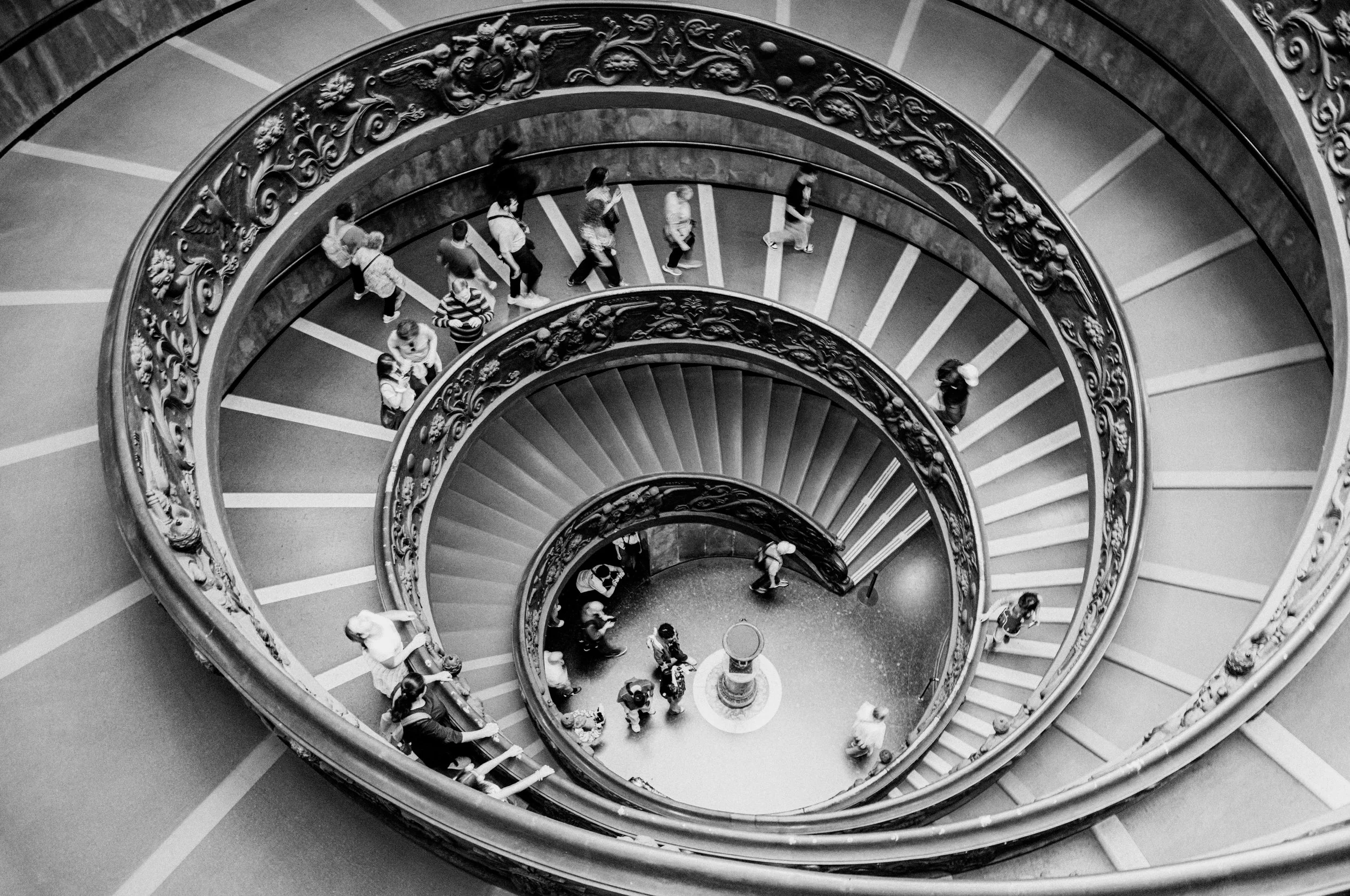

Coronation of the Virgin and Papal Ceremony Fresco
Final Reflections
It’s incredible how one place is so significant to so many and how moved you can be just being in the presence of a site and alongside others too regardless of holding faith or not. I had the same experience when visiting the Hassan II Mosque in Casablanca. Maybe you reflect in a more positive manner due to the importance of the site and the architectural magnificence as St Peter’s Basilica is a masterpiece that you can just keep looking at.
Walking through the Holy Doors, was a very special experience as the next Jubilee is in 2050 I’ll be much older so I’m glad I’ve done it this year. If you get to go during this Jubilee year, the Vatican offers more than a destination, it offers a chance to reconnect with yourself. Even the underwhelming moments in the museums or the missed dome climb became part of a larger reflection. I will go back next year for a weekend simply to spend more time doing the things I’ve missed out on.
If you’re visiting, come prepared, wear good trainers suitable for long walking, book your fast track Vatican tickets, and take your time. Let it move you, surprise you, and remind you why travel, especially to sacred places is as much about the soul as it is about the sights.
Save this guide before your visit and comment below if you have questions about planning your Jubilee pilgrimage.
Make sure you follow along on Instagram @deanomooreo for more of my journeys.