Hiroshima Travel Guide: Best Things to See & Best Hiroshima Itinerary (Peace Park + Miyajima)
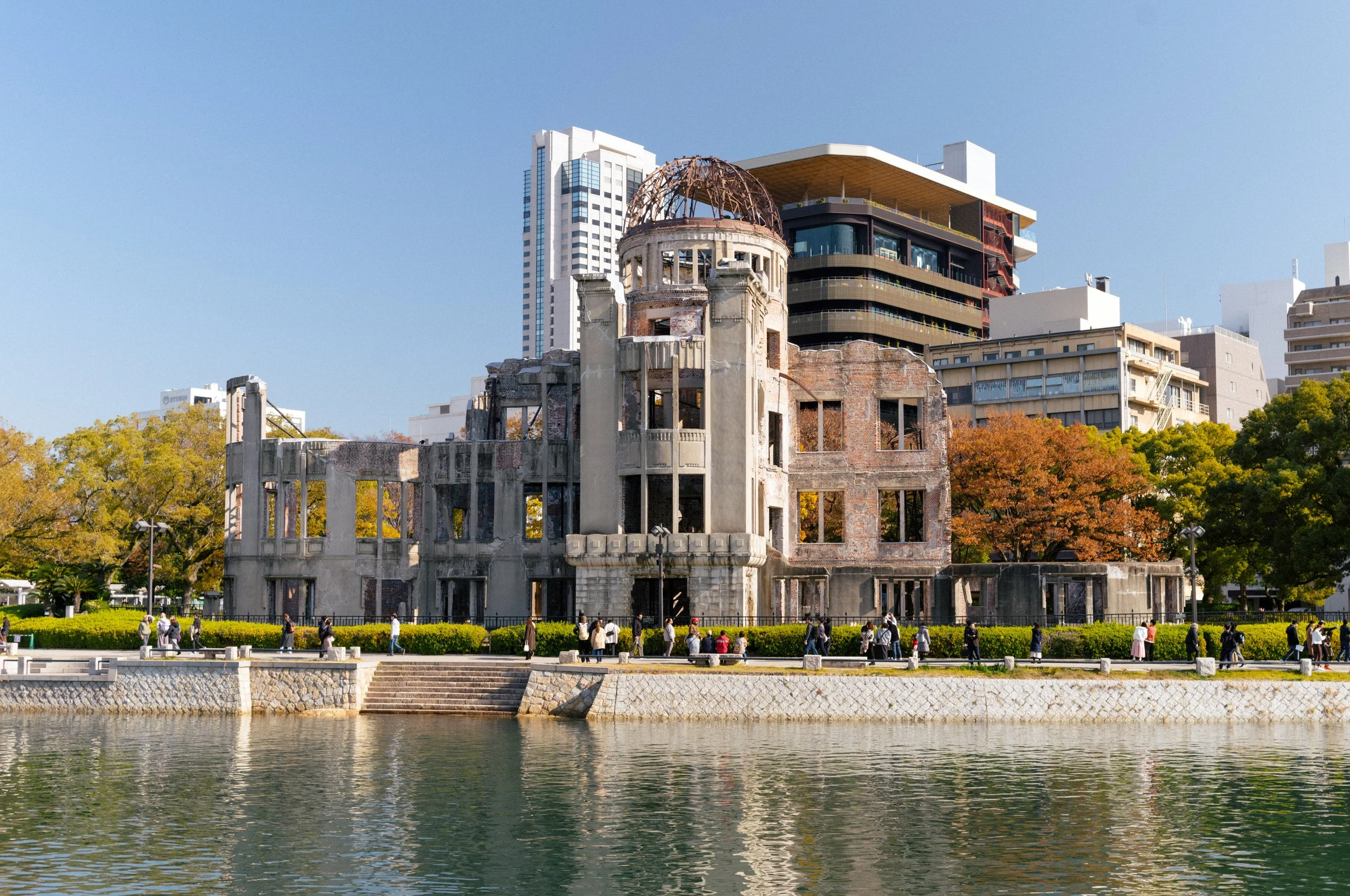
Atomic Bomb Dome
I arrived in Hiroshima in the dark, still adjusting after the long journey from Tokyo, and walked out of the station into a city that looked and felt completely ordinary, trams, vending machines, restaurants lit up, people heading home from work. It took a moment to reconcile that with what I knew about this place. That tension, between the ordinary, rebuilt, living city that Hiroshima has become and the history it will always carry, is what makes it unlike anywhere else I've been.
You feel it most when you turn a corner and the dome is just there, across the river, surrounded by the modern city that grew up around it. I had the M11 with me and I genuinely didn't know how to use it here. This is the post I found hardest to write, and the place I'd most urgently tell anyone to include in a Japan itinerary.
It became my favourite stop during my tour of Japan, and I quickly realised I’d underestimated how much time I planned to take in the Atomic Bomb Dome, Hiroshima Peace Memorial Park, and the Peace Memorial Museum.
It goes without saying of the significance Hiroshima holds in world history and that is without a doubt the main draw for going there (and an important one) but there is more to see, such as Hiroshima Castle, Miyajima Otorii Gate at Itsukushima Shito Shire, Orizuru Tower and Simose Art Museum.
Surprisingly, I found out that Hiroshima is a great city for coffee lovers, so if you are into coffee, then there are plenty of quality shops that sourced good coffees, have artisan barista skills and in-house roasting services, (interestingly Hiroshima spends more per household on coffee than any other city in Japan). Don’t miss going to Shimaji Coffee Lab if you want to enjoy a good Matcha Latte and cake!
In hindsight, I should’ve stayed one night in Tokyo to recover from the 13.5-hour flight instead of pushing straight on to Hiroshima. Ideally, I would’ve started in Tokyo, then travelled to Hiroshima, worked my way to Osaka, and flown home from there, especially as an hour delay with BA meant I missed my train to Hiroshima and had to buy another ticket.
Top tip: if this happens, you can take the next train in the unreserved car or amend your booking in the Klook app, which I’d highly recommend for train tickets and tours in Japan.
Something else I wasn’t planning on was that I ended up quite poorly shortly after landing which impacted the entire trip, seeing me canceling some tours and planned stops which was very disappointing.
Anyway…Hiroshima.
The Short Read
A direct train trip from Tokyo taking approximately 3 hours 40 minutes to 4 hours.
Don’t travel to Hiroshima straight after landing (sleep deprivation) stay in Tokyo first then travel to Hiroshima and fly out from Osaka.
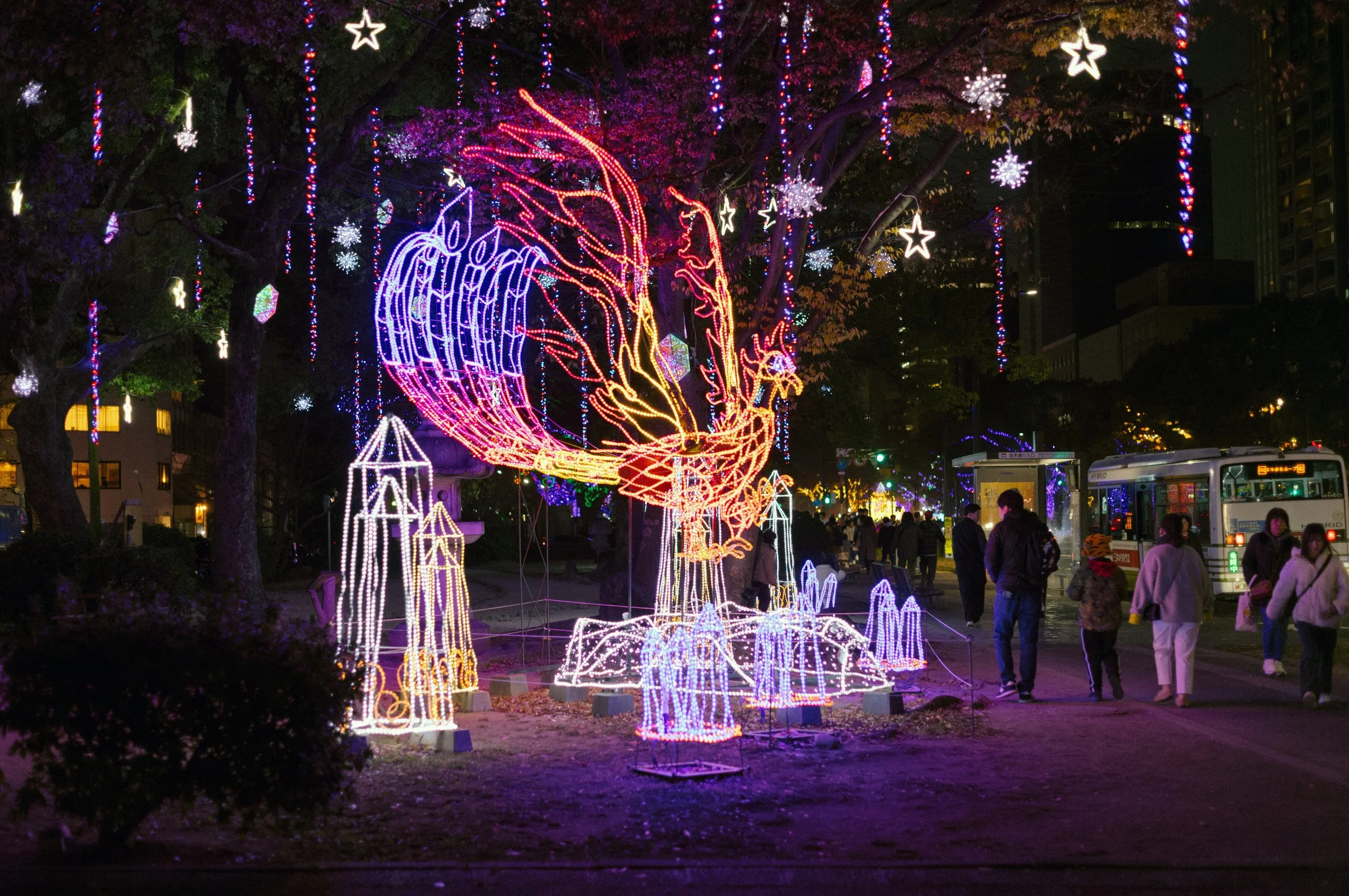
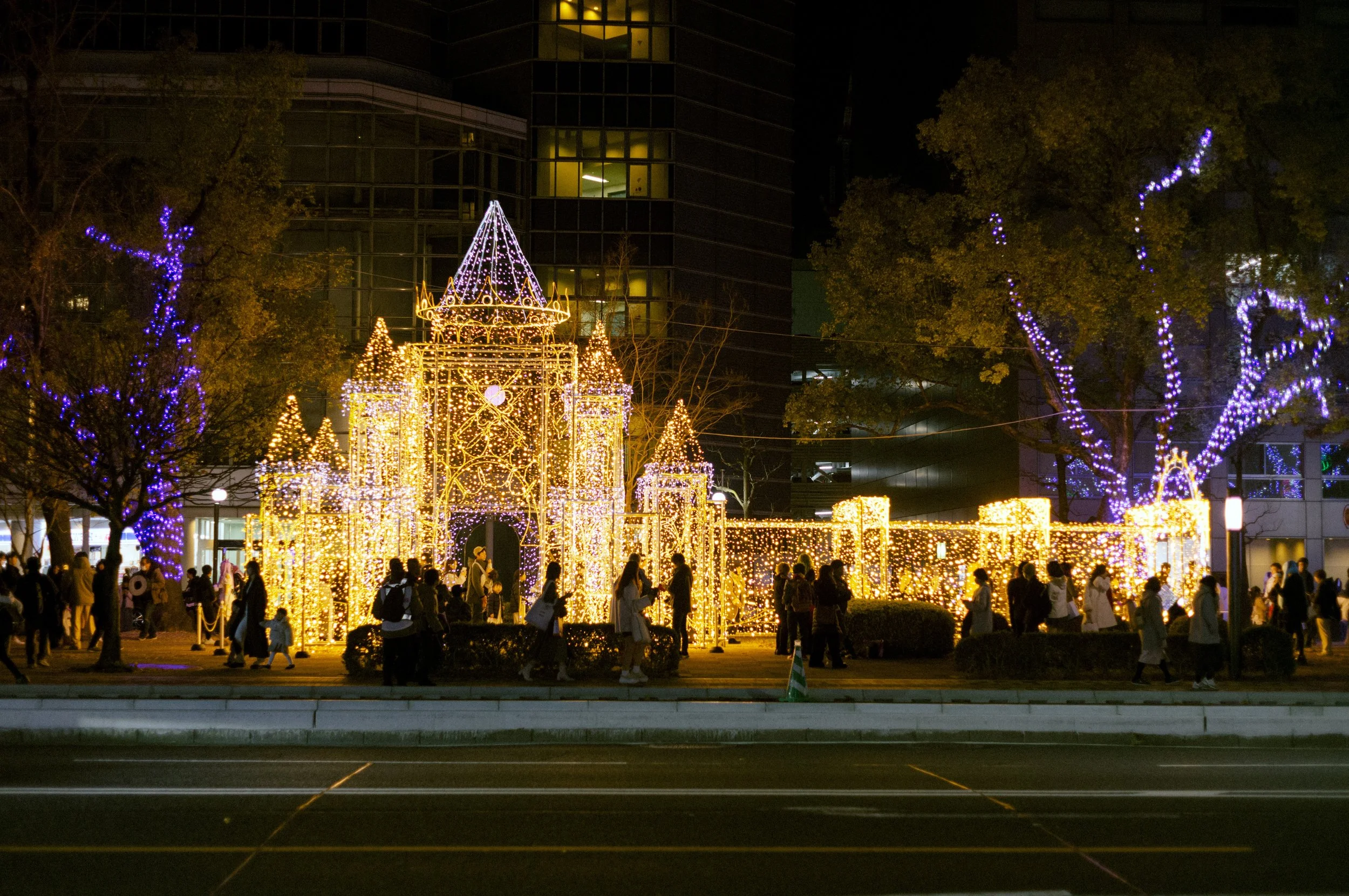
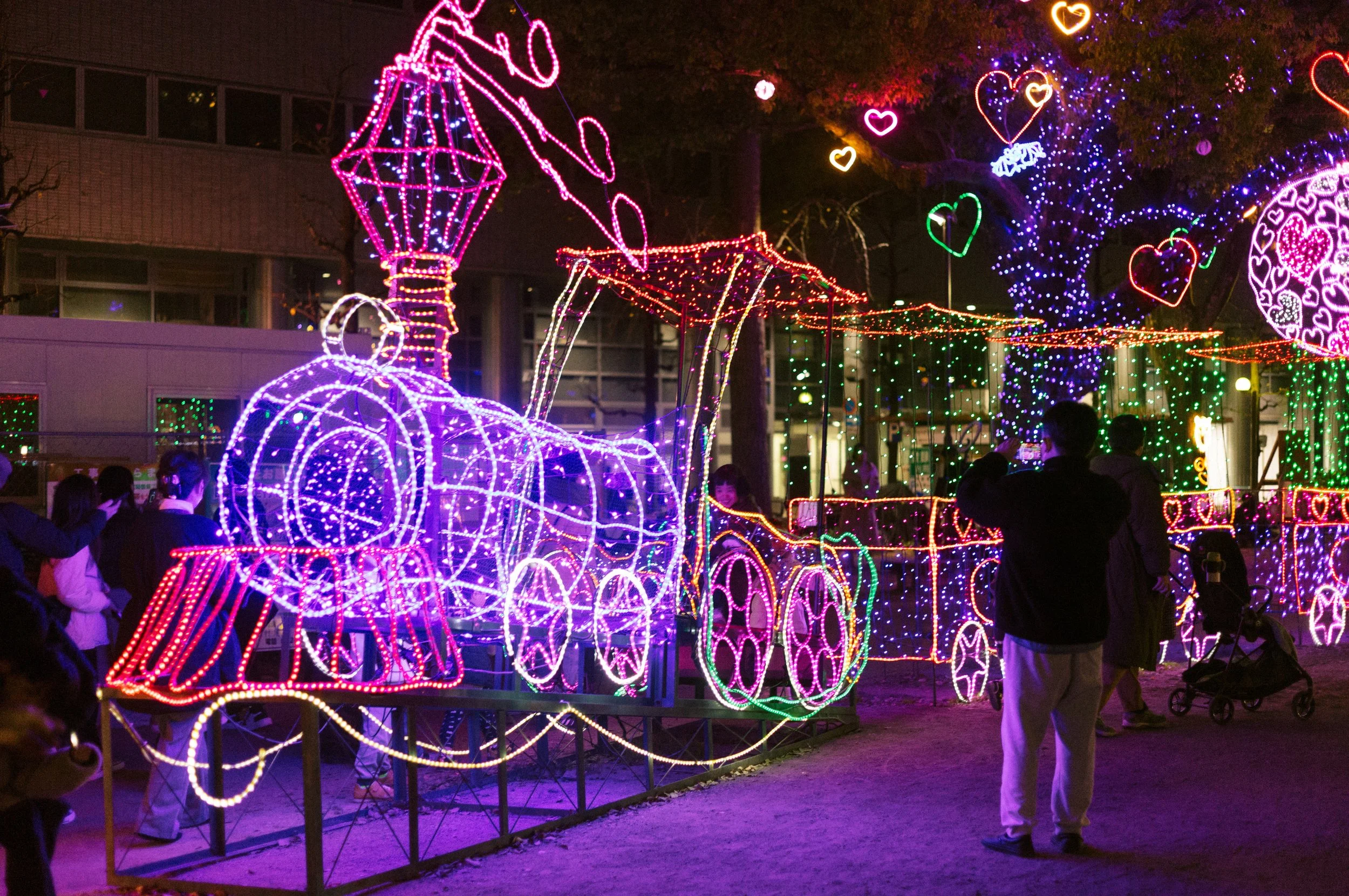
Of all the Winter illuminations I saw in Japan Hiroshima’s were the best.
The Atomic Bomb Dome, Hiroshima Peace Memorial Park and Museum are a MUST!
Hondori Shopping Street a lively covered shopping arcade in central Hiroshima, filled with shops, cafés, and entertainment.
Hiroshima Castle was over 400 years old but had to be rebuilt in the 1950s after being destroyed by the atomic bomb. It’s well worth visiting, especially if you haven’t seen other Japanese castles.
Places I didn’t get to visit but you should are go to Miyajima to see Itsukushima Shrine, Hiroshima Museum of Art, Shukkeien Gardenand Orizuru Tower.
Final thoughts: Prepared to be moved and have deep moments of reflection in Hiroshima but don’t miss out on making time to explore further than the WW2 history as Hiroshima has much more to offer.
Would I go back: I would return and use it as a stop over to get to Okinawa.
Overall Experience: ⭐⭐⭐⭐⭐
Where I Stayed
My whole Japan trip, bar one stay, was booked through Airbnb, and for Hiroshima I stayed in a private apartment for one night which cost me £50.41.
It was a self check in apartment that can sleep up to three guests, with a double bed and a sofa bed. It had a private bath and toilet, Wi Fi, air con, a washing machine, and a small kitchenette. It was also only an 8 minute Uber from the train station which cost ¥700, around £3.32.
The apartment was in Naka Ward, so it was perfectly placed for exploring. The Atomic Bomb Dome and Peace Memorial Park were about a 15 minute walk away, Hondori Shopping Street was around 12 minutes walk, and Hiroshima Castle was about 27 minutes walking or a 6 minute taxi ride. For Itsukushima Shrine you can take the train and ferry, or even get a boat directly from Peace Memorial Park.
Winter Illuminations
So, something I wanted to try see whilst over in Japan was the winter illuminations as I’d read that Illuminations are typically displayed between November and December, with some running longer into January.
These were the best winter illuminations I saw anywhere in Japan, unexpected in Hiroshima, which makes them better somehow.
The lit trees turning walkways into warm tunnels, the larger display structures catching people walking through them. I shot these on the 28mm lens at around f/2, ISO 1600, handheld, leaning into the slight movement blur in some frames rather than fighting it.
The M11 at high ISO in that kind of warm artificial light produces files with a quality to them that almost looks like a very fine grain. If you're visiting Hiroshima between November and January, make time for the illuminations after dark. At this time in the year it starts getting dark around 5pm so it fits naturally into the end of a day at the dome and the park.
The designs and colour of the illuminations were incredible and cover a good amount of area to explore, so if your are visiting with children this is perfect as it starts getting dark just before 5pm too.
The Atomic Bomb Dome and Peace Memorial Park & Museum
Atomic Bomb Dome across the Motoyasu River
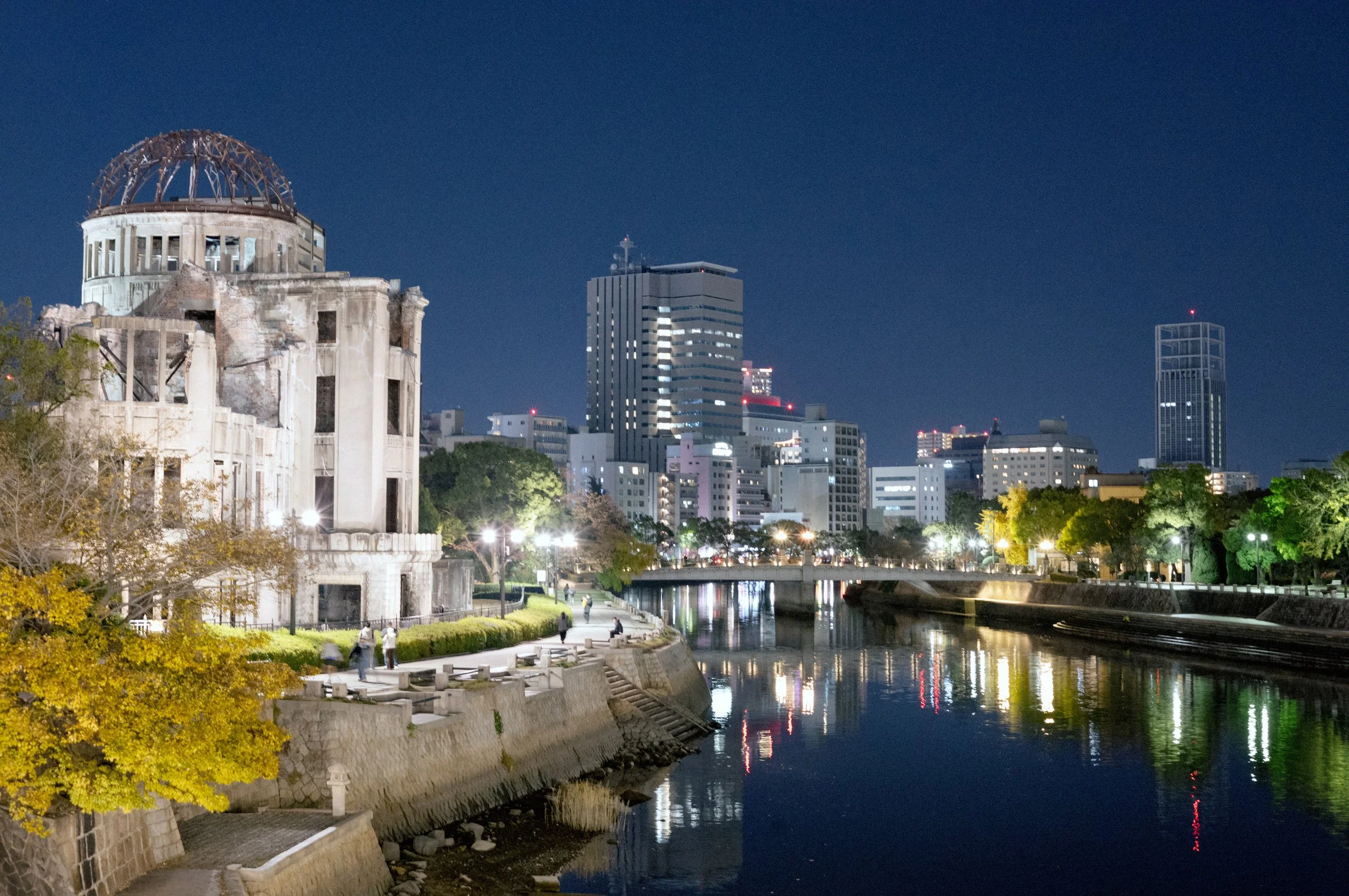
Atomic Bomb Dome at Night
So one of my main reasons to go to Japan was to visit the Atomic Bomb Dome and visit the museum as I am fascinated by history and its impact. It was one of the key locations I want to make images of.
It was one of the only building in downtown Hiroshima that remained standing after the atomic bomb in 1945, and knowing it was almost directly beneath the blast adds a heavy, quiet weight to being there. From across the river and on the bridge looking down you can frame the dome against the city that has grown around it, a powerful contrast between past and present that feels impossible to ignore.
Standing in front of the dome instantly puts you into a state of reflection, making you realise how fortunate we are to be living in the world we have today, despite all of its challenges and flaws. The Motoyasu River at the side of you is very quiet but the whole area when I was first there at night was very quiet which in a way deepened the reflection as I sat on the bench looking up at the structure.
It’s impossible not to feel a sense of overwhelm when you start thinking about the lives lost and the countless people who were affected both immediately and long after the bomb was dropped, and I genuinely hope with all my heart that something like this never happens again.
I still find it hard to believe that the dome was left standing in the way it was knowing that the bomb exploded about 600m above it. The people of Hiroshima have worked very hard to preserve the dome in its original state so it has a lasting impact on people to never forget the tragedy but also as a beacon of hope.
If you open up the image above on the left hand side (Atomic Bomb Dome across the Motoyasu River) and zoom in at the top of the dome you will see I was lucky enough to photograph two herons perched on the iron frame, a moment that felt quietly powerful in such a place. In Japanese symbolism herons are often seen as spiritual messengers and symbols of purity, mindfulness, and the space between worlds, which made seeing them there feel strangely fitting and deeply moving.
Just over the bridge is Hiroshima Peace Memorial Park, a space that is very open but still deeply emotional as you wonder round and see the different use of spaces with monuments.
It’s important to take you time at the dome, park and museum to pay attention to small details, light, and stillness, rather than rushing between the landmarks. I was tempted to walk round quickly and jump on a boat to Miyajima Island to fit that in too but it would have been too much in one day and wasted the experience of the visit.
Within the park there is a Peace Bell that visitors can toll, I manage to capture someone doing this (see video above) and you can hear the soft, echoing sound it makes within the area.
“Built in 1964 by the Society of Hibakusha and Victims of the Atomic Bomb for the Realization of the Hopes of Hiroshima, Peace Bell stands as a symbol of the ideological and cultural movement against war and nuclear weapons”. (peace-tourism.com).
The Children’s Peace Monument is especially moving, with thousands of colourful paper cranes left in memory of the children who lost their lives, and it’s another places where you just stand watching people interact with the monument for a while.
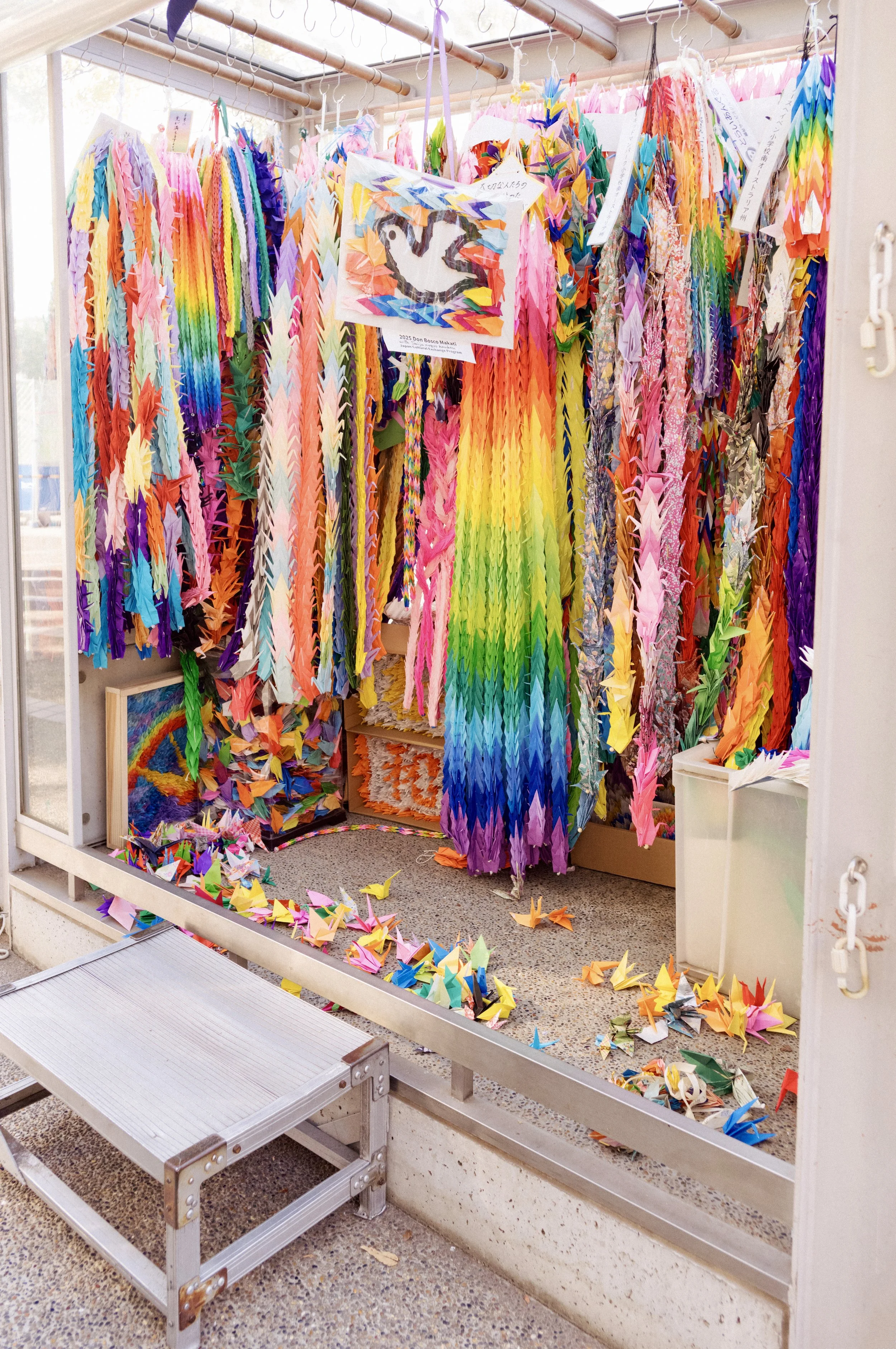
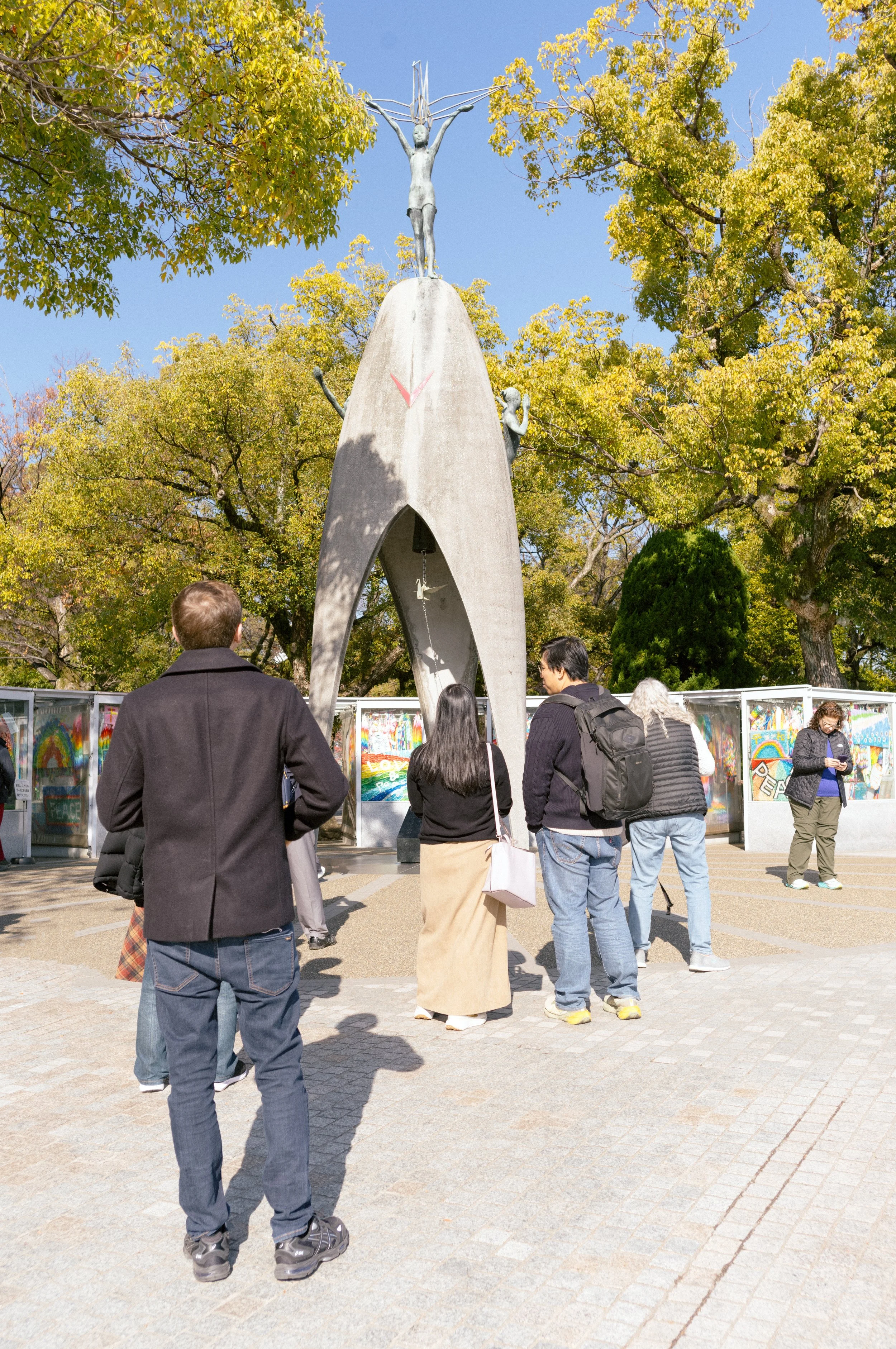
As you walk down the park towards the museum you will then arrive at this view point (see below). The route does feel very deliberate, almost like the city is gently guiding you this way before you step inside the museum (unless you enter the museum first then walk around the park).
Reaching this point, there’s a real sense that you’ve been slowly prepared for what’s ahead. It doesn’t make the experience easier, but it gives you space to centre yourself and to acknowledge the significance of where you are. The eternal flame burning in the park, lit as a promise for a world without nuclear weapons, quietly reinforces that hope.
This area was the spot that world leaders have chosen to visit in moments of historic importance, including Barack Obama, who came here in 2016 as the first sitting US president to visit Hiroshima.
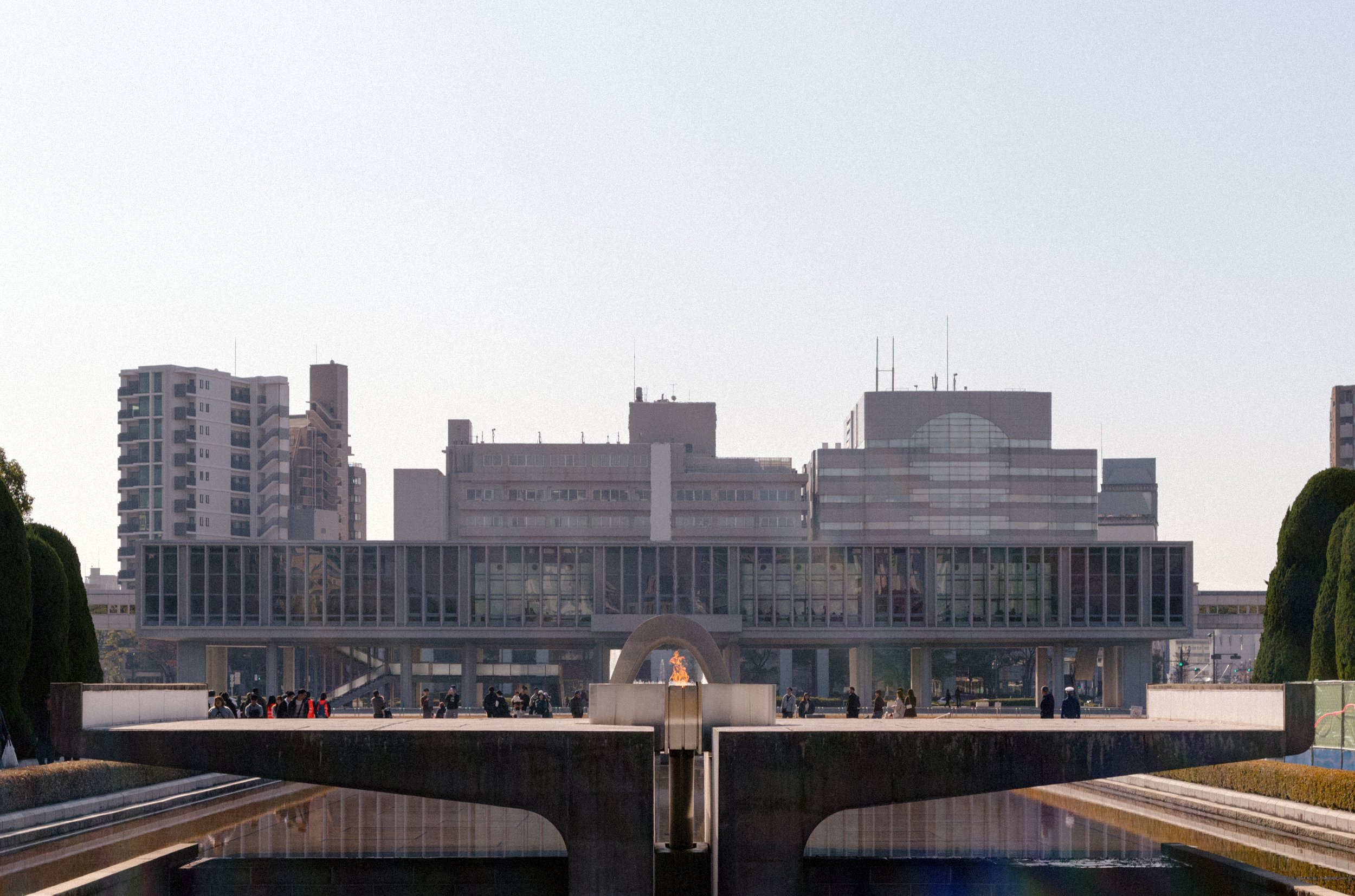
Peace Memorial Park View of Peace Memorial Museum During the Day
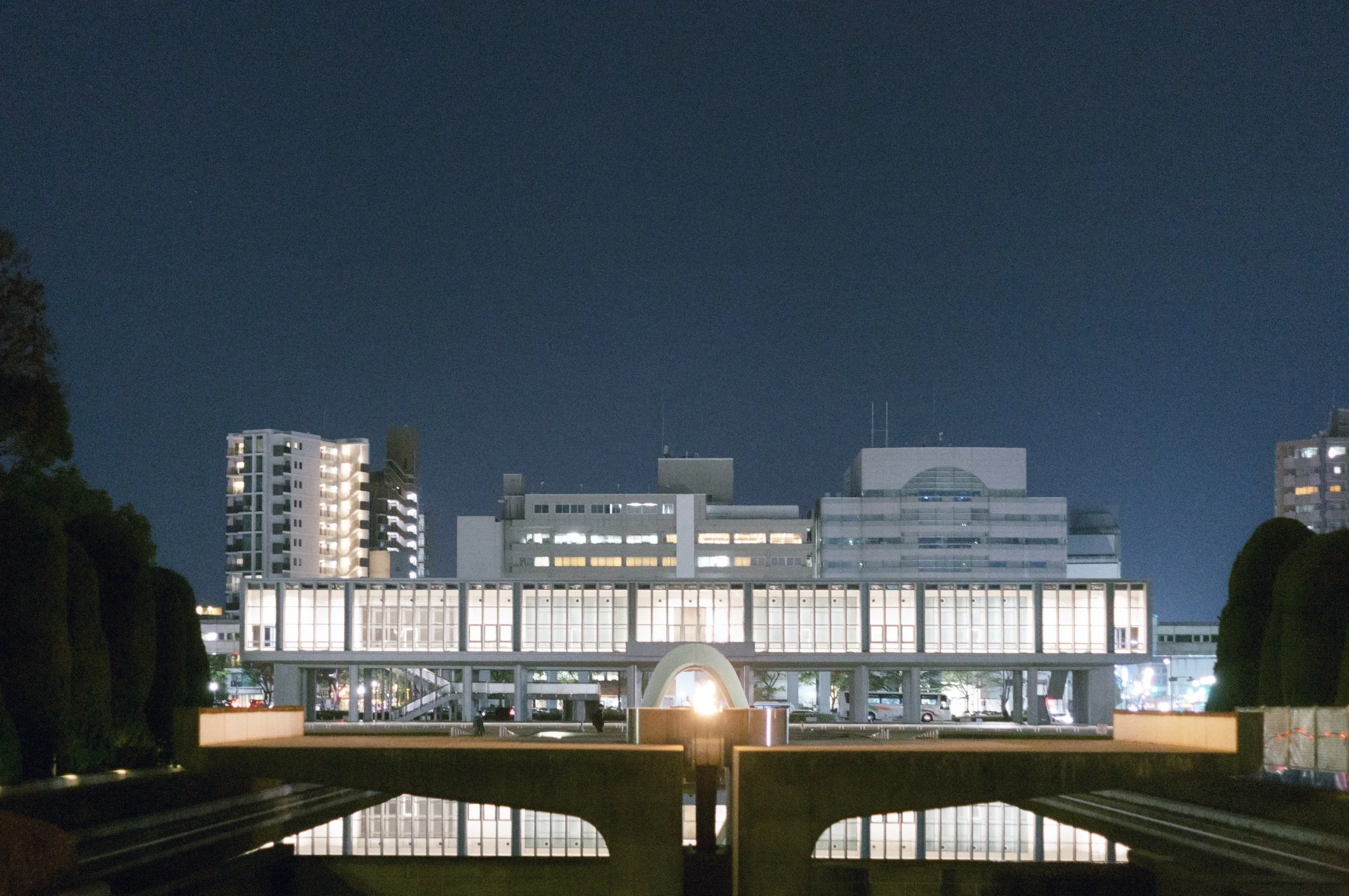
Peace Memorial Park View of Peace Memorial Museum at Night
Then it was time to start the tour within the museum, I was met by a huge image of Hiroshima before the bombing, before moving into a section called “A Lost Way of Life”, where another large image shows the aftermath with a CGI video of the bomb dropping and its impact.
I’ve placed videos of them below to watch.
Hiroshima Before The Bombing
Hiroshima After The Bombing
The Dropping of The Bomb and it’s Impact
Before the main exhibition, the museum shares this message:
“A single atomic bomb indiscriminately killed tens of thousands of people, profoundly disrupting and altering the lives of survivors. Through belongings left by the victims, A-bombed artifacts, testimonies of A-bomb survivors and related materials, the Hiroshima Peace Memorial Museum conveys the horrors and inhumane nature of nuclear weapons and spreads the message of ‘No more Hiroshimas’.”
Inside the main exhibition, the focus is on the devastation, radiation damage, and the experiences of victims and survivors.
It’s incredibly moving.
This is where the Human Shadow Etched in Stone is displayed, believed to be the flash burn of a person sitting at the entrance of a bank when the bomb exploded.
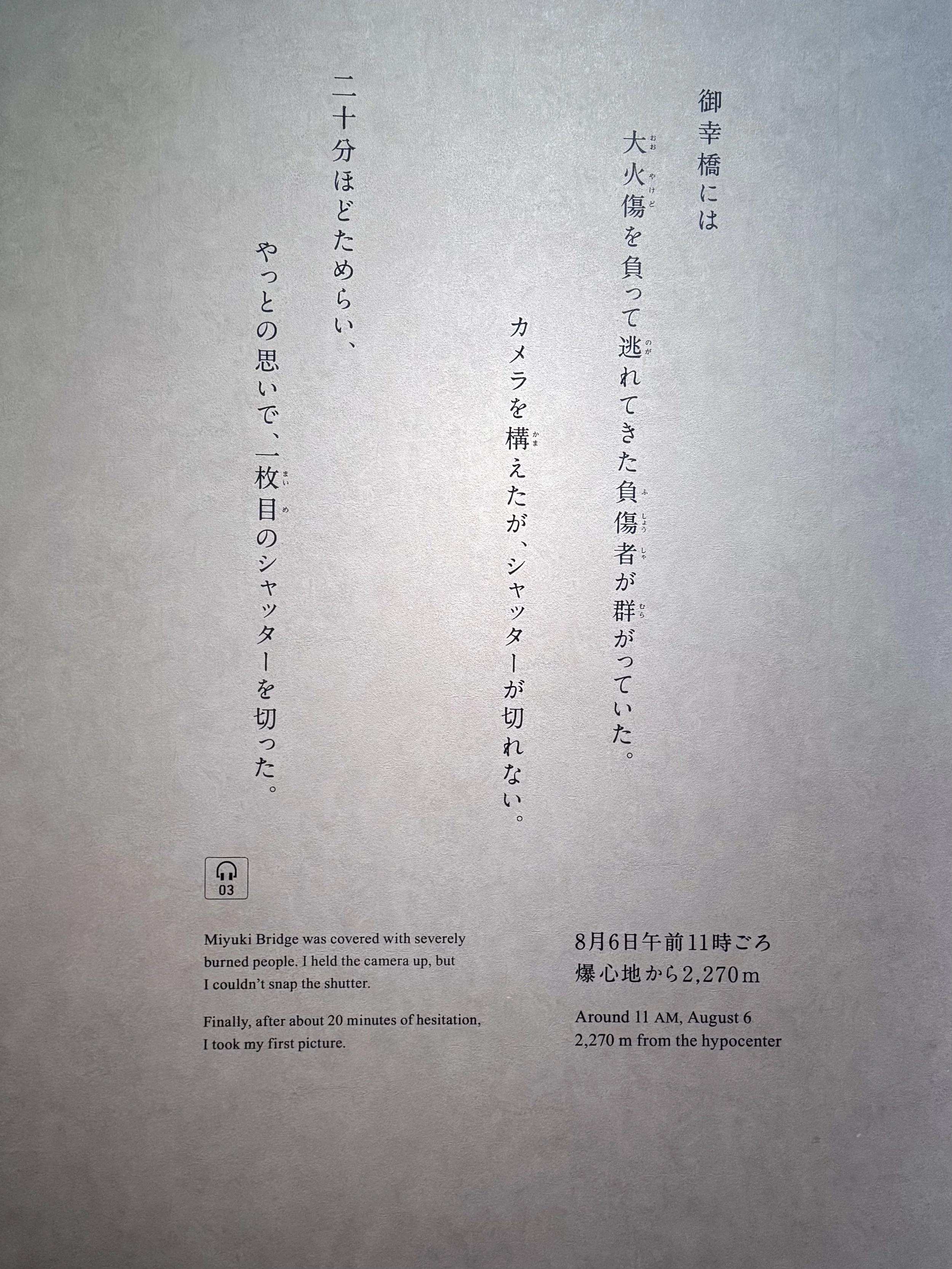
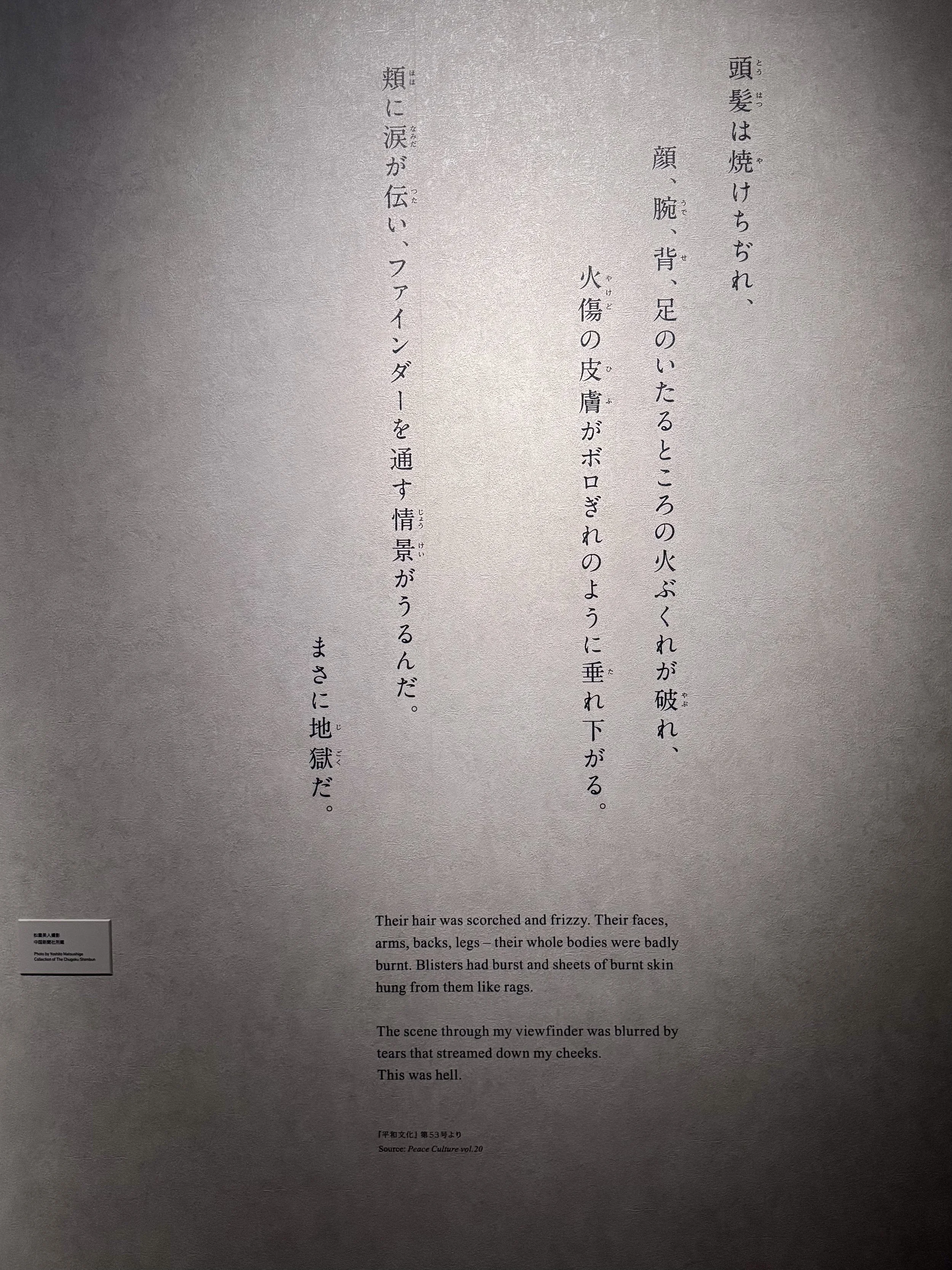
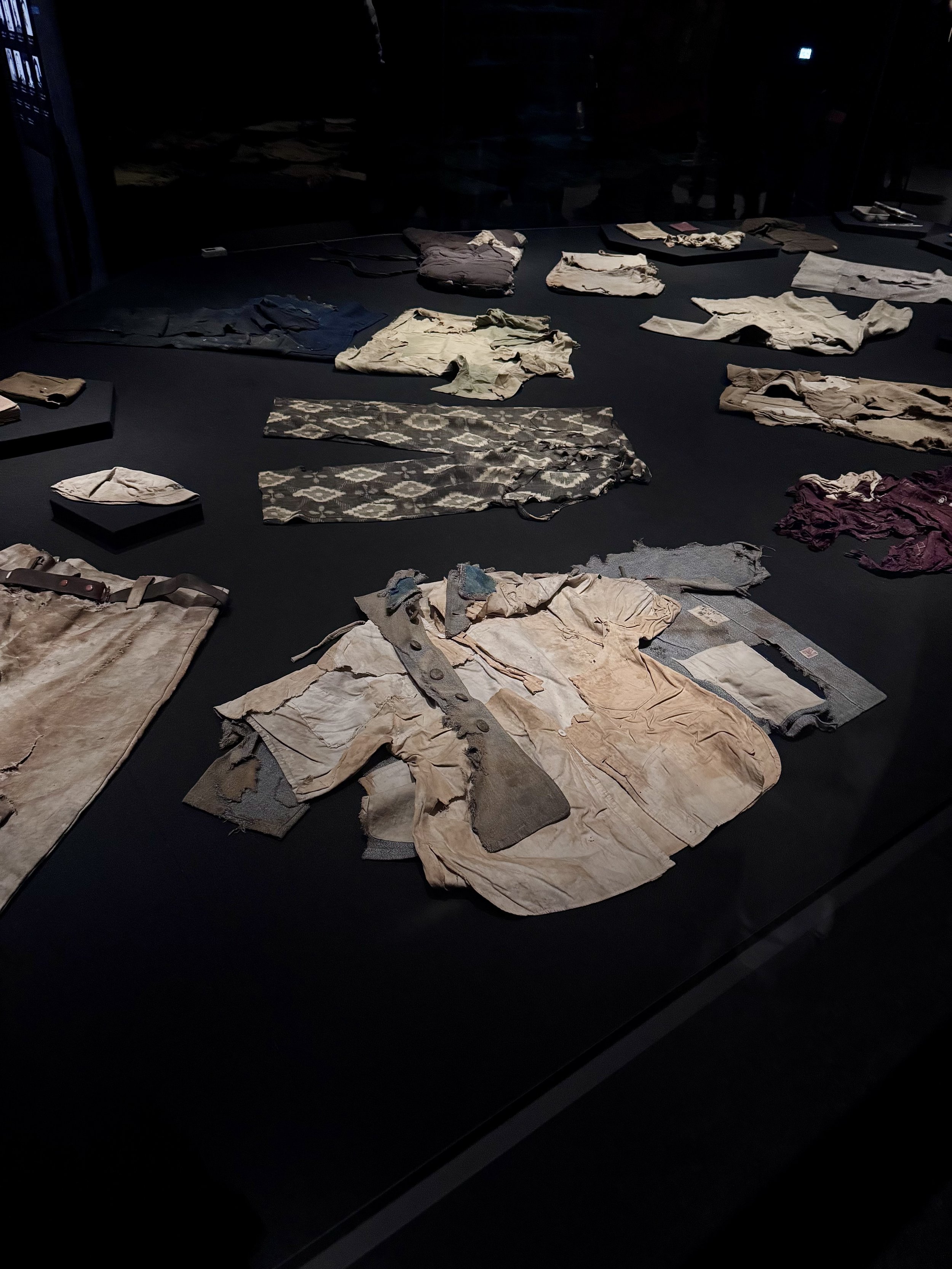
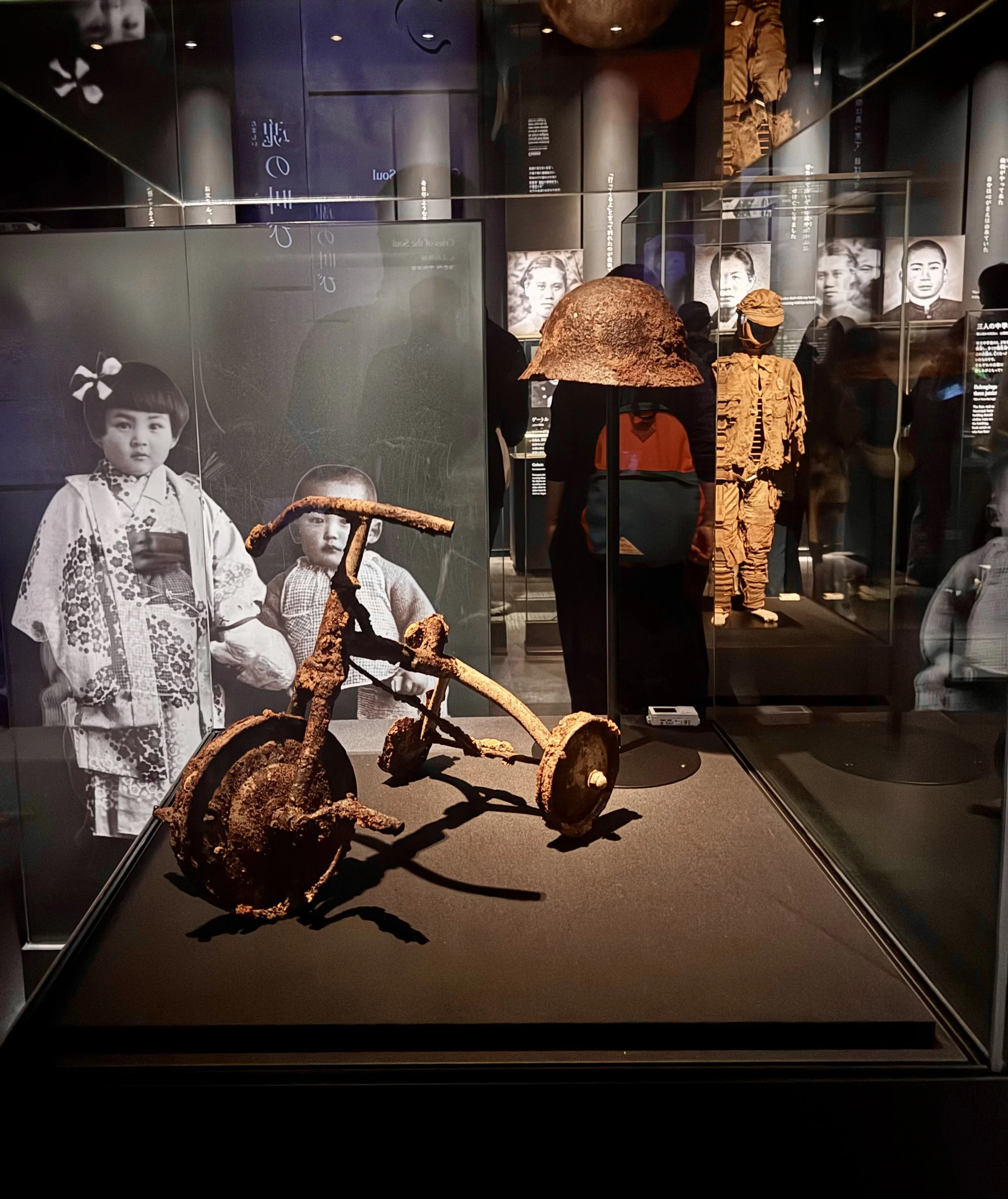
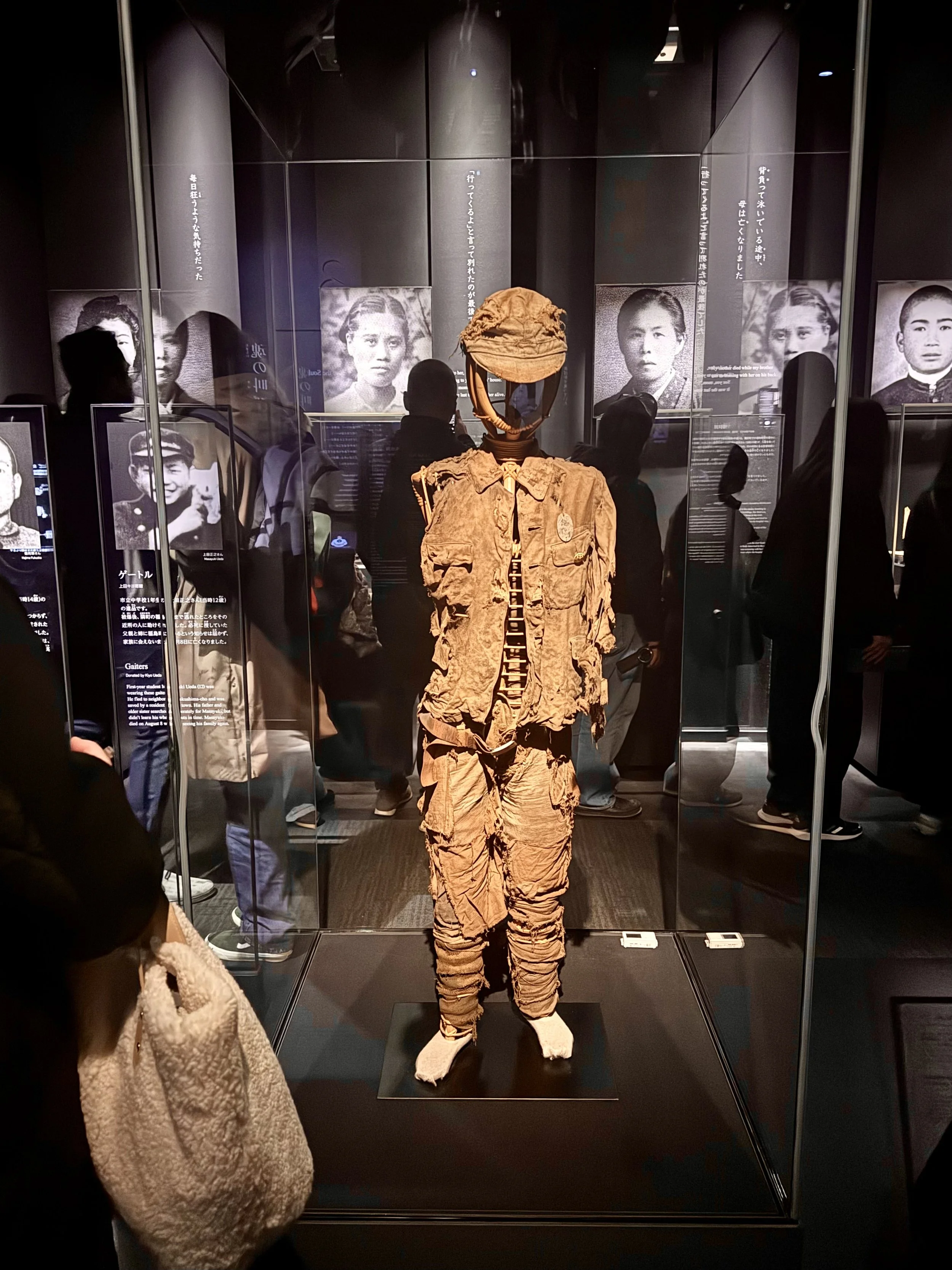
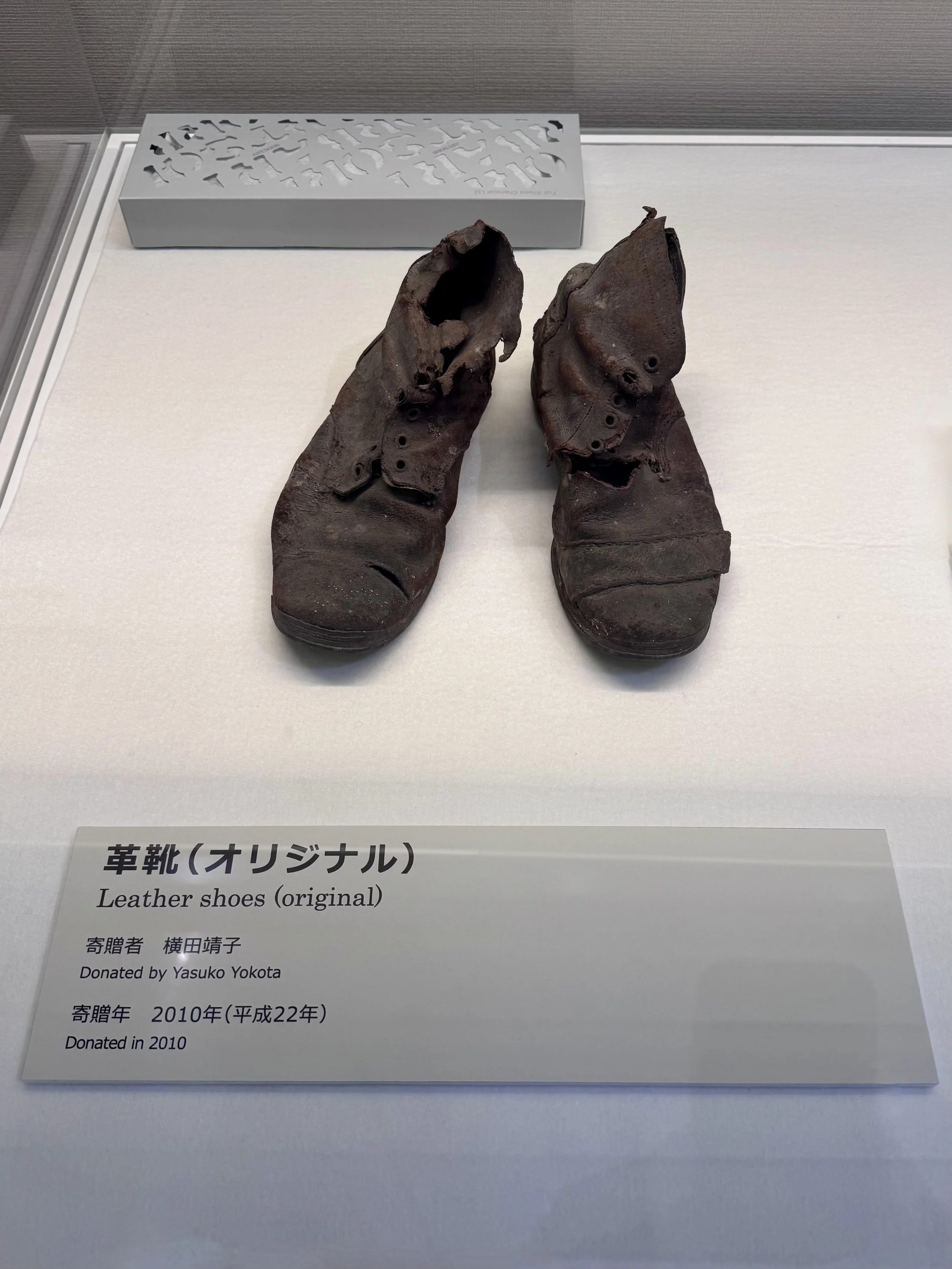
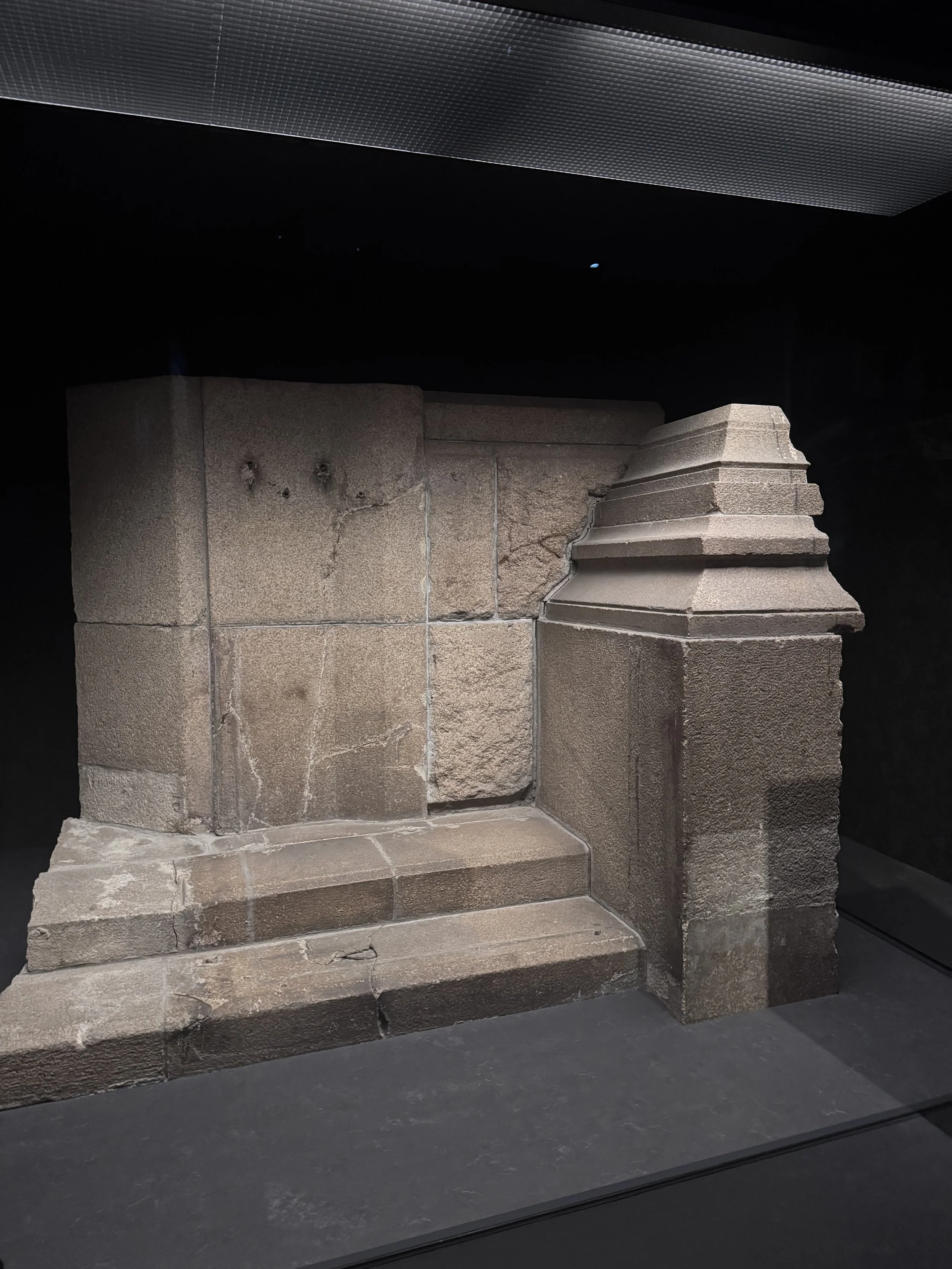
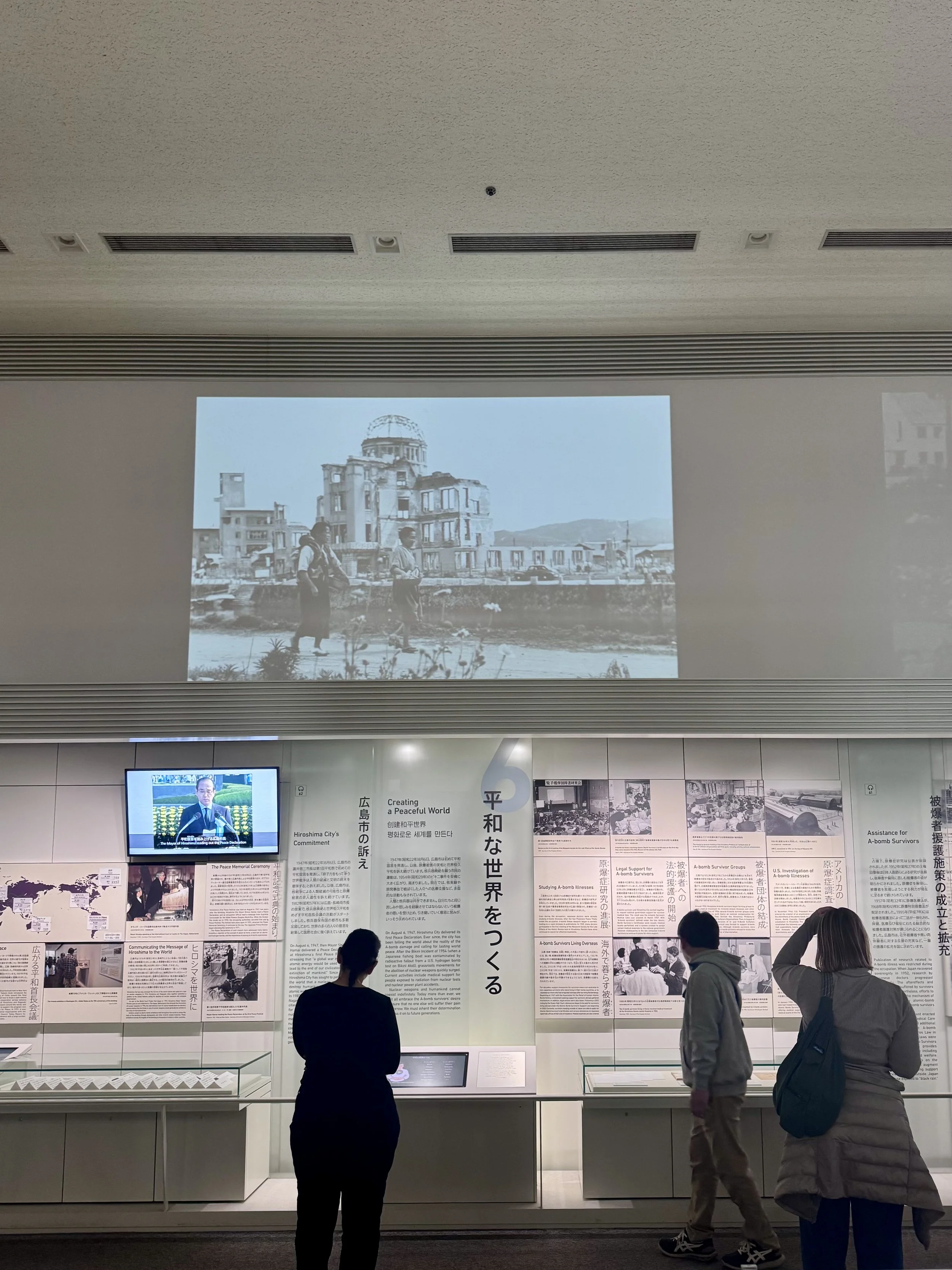
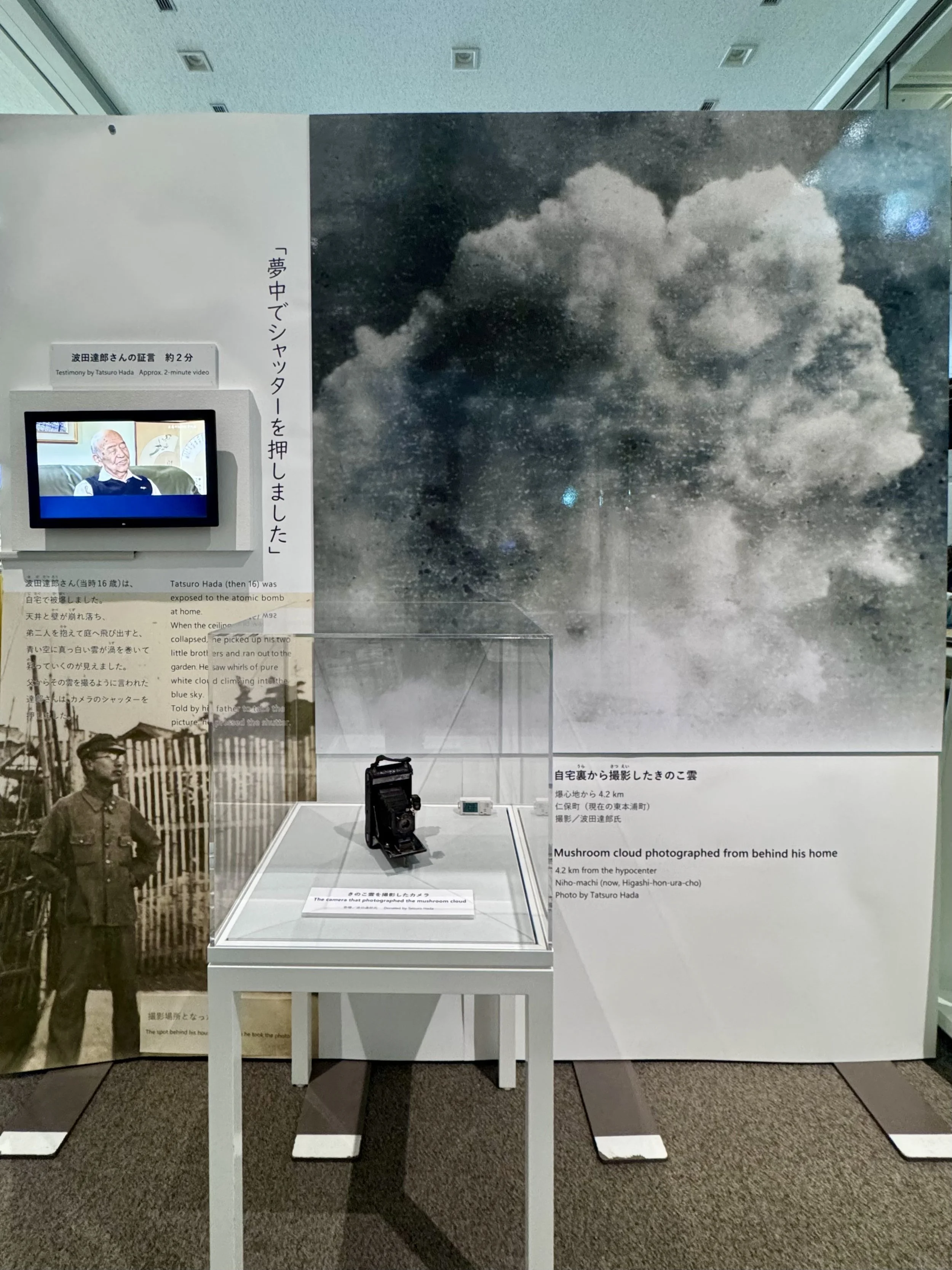
After this, there’s a gallery on the construction of the park, followed by a media centre where you can watch survivor testimonies, either in groups or individual booths. This was the hardest part. Hearing one woman describe entering the city to find her family, only to learn she had lost 13 relatives, was heartbreaking.
The museum then explores the dangers of nuclear weapons through interactive displays, before ending with Hiroshima’s reconstruction and its commitment to peace. Downstairs, there are more photographs and the camera used to capture the mushroom cloud image from the ground.
You could easily spend half a day between the park and the Hiroshima Peace Memorial Museum, and it’s time well spent, not just for photographs, but for understanding the story of the city, so take your time in Hiroshima.
Shooting the A-Bomb Dome and Peace Park With the M11
Standing in front of the dome for the first time, I lowered the camera. Not because of any rule, but because it felt wrong to be thinking about composition in that moment. So I sat on the bench across the Motoyasu River for a while and just looked at it. The photography came later, once I'd given the place some time.
When I did start shooting, the 28mm was the right choice followed by the 50mm for some tighter shots with the herons on the dome. From the Aioi Bridge looking toward the dome, the wider field of view includes the river, both banks, and the dome in one frame without feeling cramped. The shot that worked best for me was at dusk, when the dome was lit and the sky still held some colour in the west.
There were two herons perched on the iron dome structure at the very top. In Japanese symbolism herons are spiritual messengers, symbols of the space between worlds. I don't usually put weight on that kind of thing. But in that place, at that hour, it felt like something worth noting. That image is the one from Japan I'd most want to print large.
The eternal flame, the paper cranes at the Children's Peace Monument, the bell, the river. These are subjects that I found were rewarded with patience and restraint rather than quantity. I didn't try to cover everything. I picked three or four spots and stayed with each one.
The museum: put the camera away as much as you can as there are things inside that deserve your full attention without a viewfinder between you and them. I came out into the afternoon light afterwards and stood on the steps for a few minutes before I picked the camera back up.
Whatever you shoot in Hiroshima after the museum will be different to what you shot before it. That's not a photography tip. It's just what happens.
Hondori Shopping Street and Wider
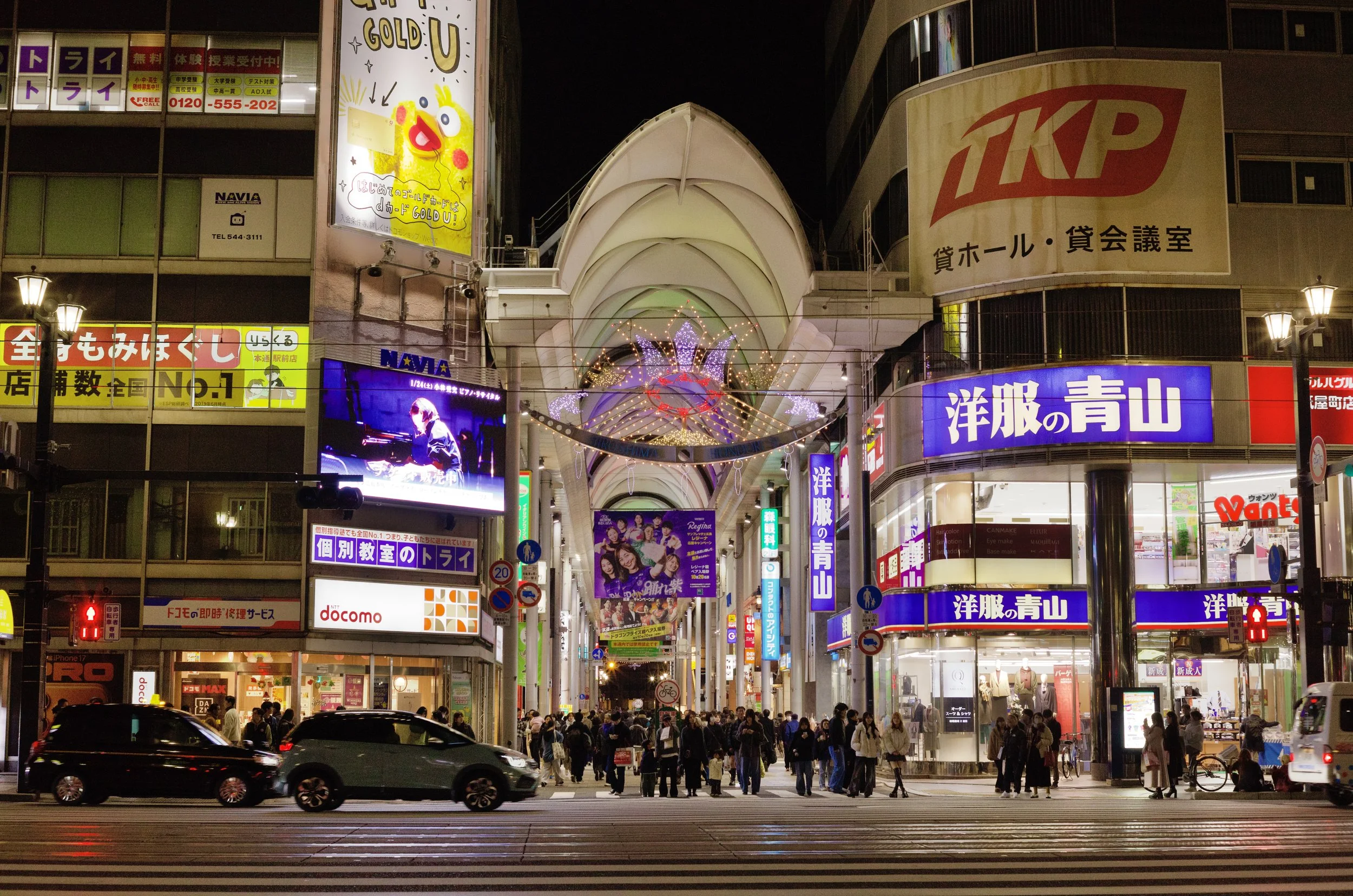
Hondori Shopping Street in the Evening
Hondori Shopping Street is a lively covered arcade in central Hiroshima, packed with shops, cafés, and entertainment, making it an easy place to wander as you explore the city. Although it’s largely pedestrian-friendly, you still need to keep an eye out for the occasional car passing through, but I found it especially useful for grabbing something to eat quickly between sightseeing stops, picking up essentials like a hat or umbrella, or escaping the weather for a while.
It’s also close to Okonomimura, Hiroshima’s famous okonomiyaki food hall, and you’ll spot plenty of places nearby serving Hiroshima’s other local specialty oysters, making this area a great base for tasting some of the city’s most iconic flavours as well as browsing for small souvenirs and soaking up everyday local life.
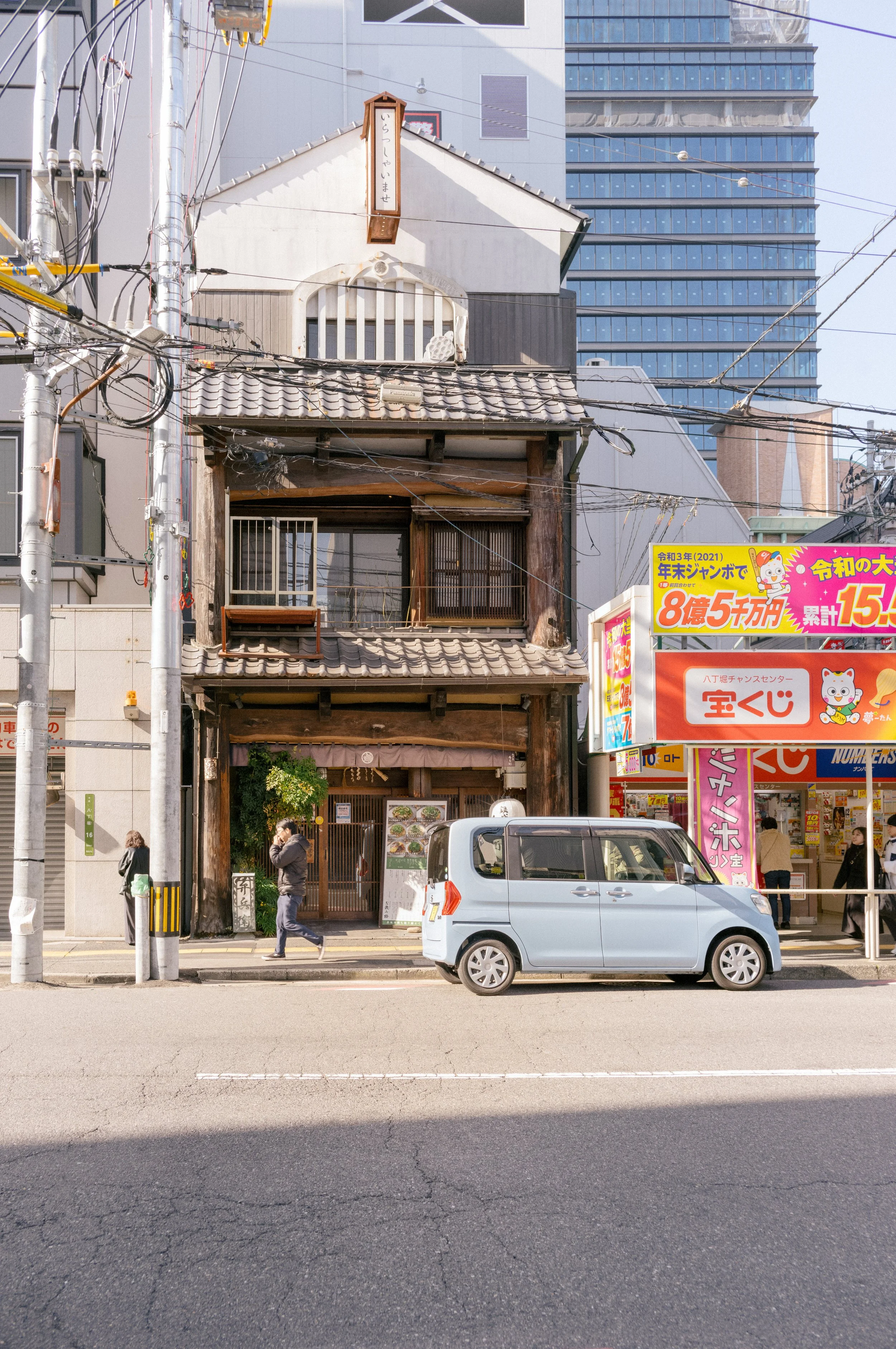
As I wandered further to explore something I began to notice was, how efficiently small spaces are used, creating striking contrasts that make the city visually fascinating. In the image below you will see buildings are stacked tightly together, with old wooden facades sitting beside modern glass and steel, all brought to life by bold, colourful signage. It’s busy, practical, and full of character, a visual contrast that somehow works beautifully.
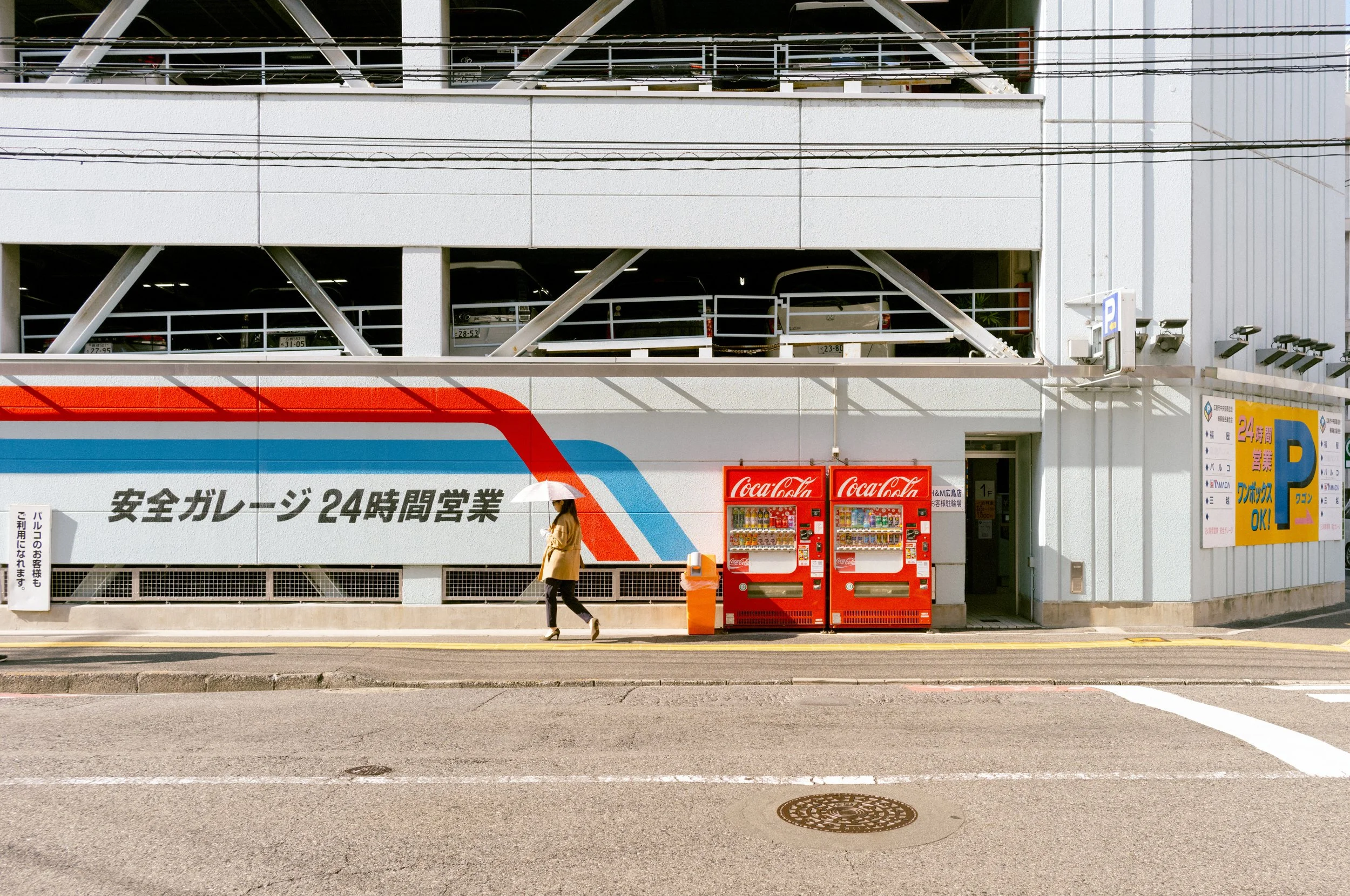
Something else you start to see very regularly are vending machines, everywhere on the streets. So staying hydrated is not a problem in Japan, just make sure you are carrying coins to use them, some will have a note changer built in. However, not all have bins by them so be prepared to carry your rubbish back to your hotel, although you will find bins at the train stations.
Hiroshima Castle
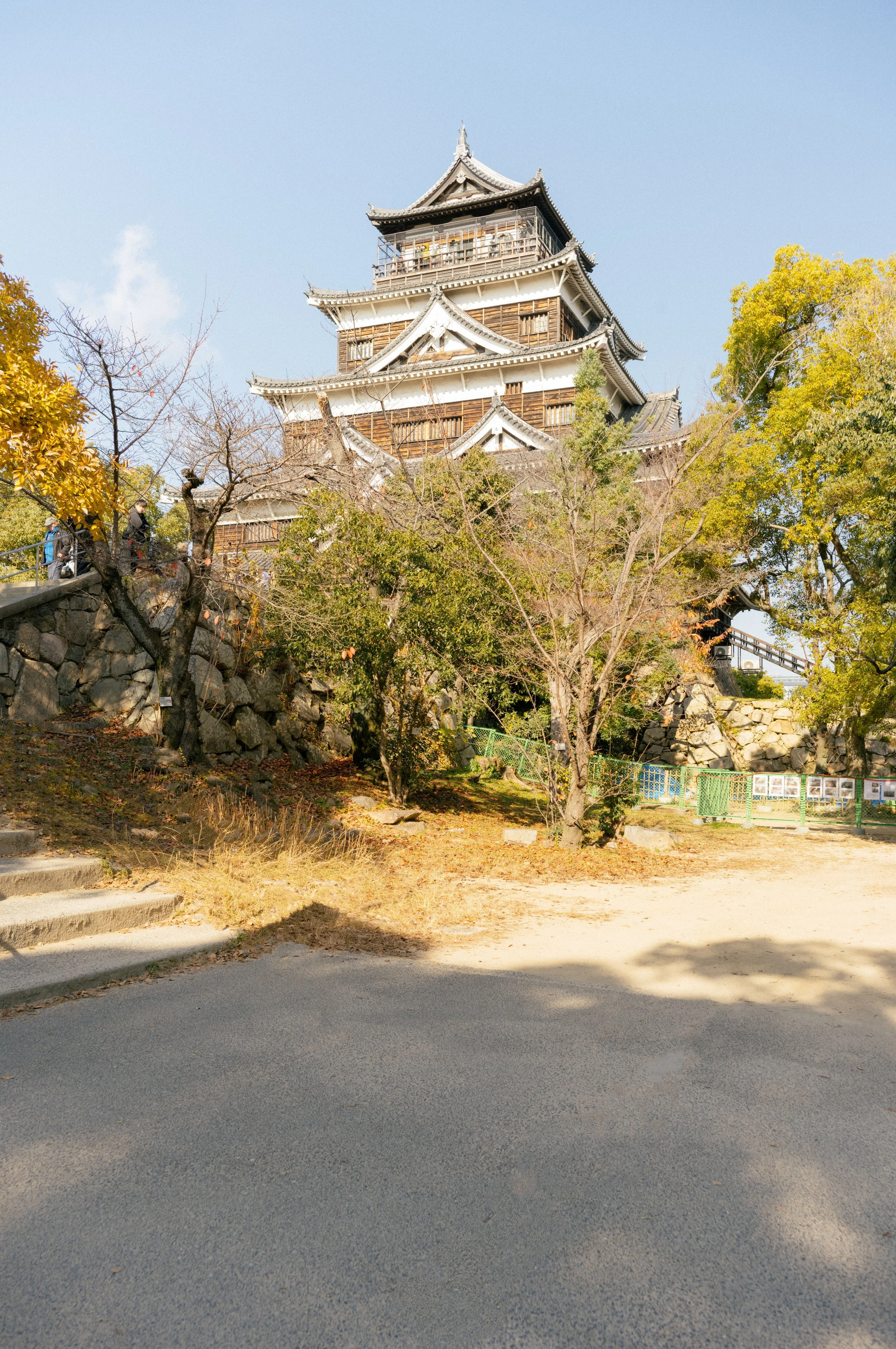
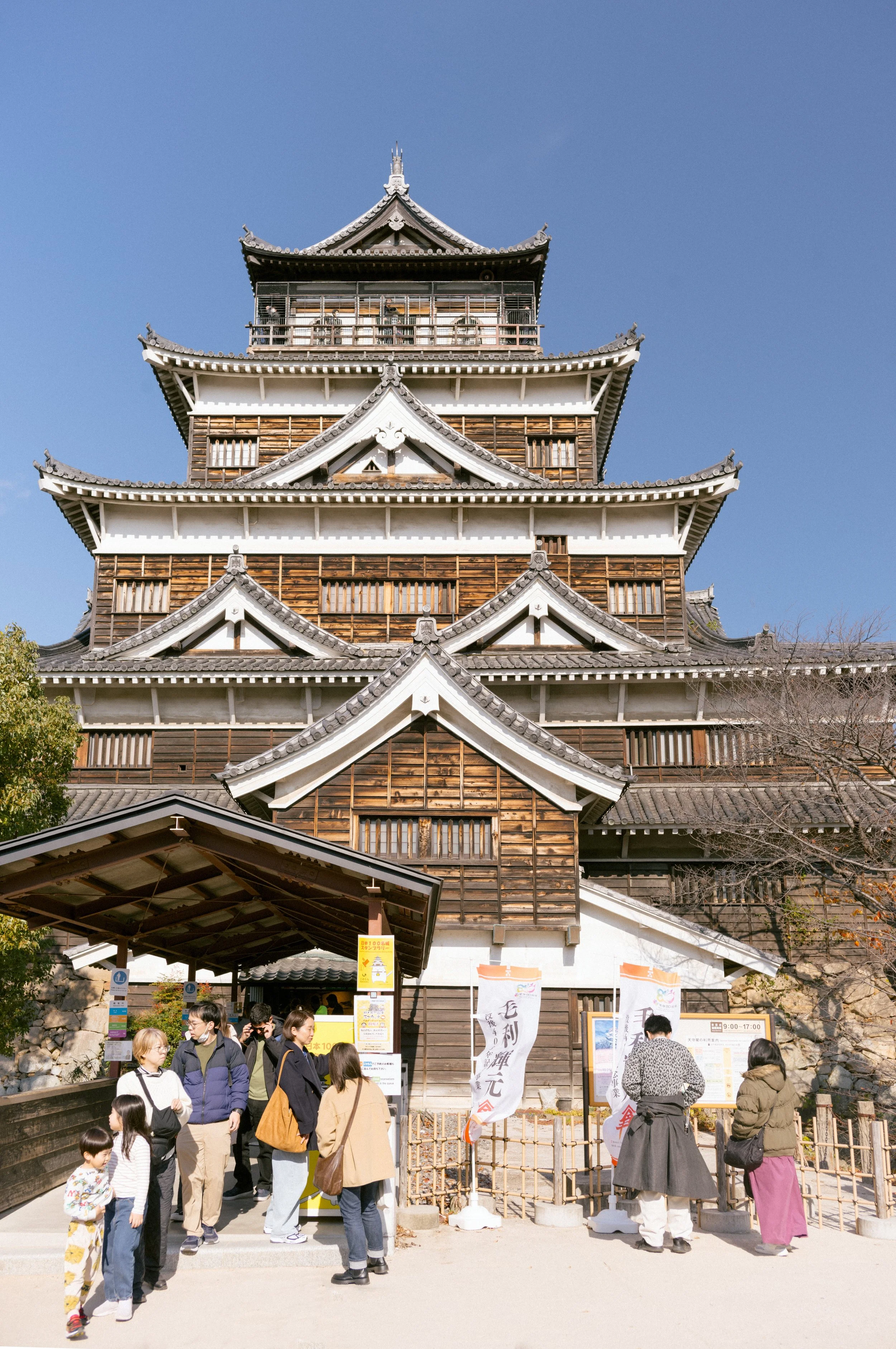
Hiroshima isn’t only a city of reflection, it also celebrates its history whilst constantly evolving. Stepping away from the memorials reveals a place where everyday life continues alongside the past, and there is no better place to visit for this than Hiroshima Castle.
I had a flying visit to Hiroshima Castle, I literally had just 10 minutes before dashing to catch my train to Osaka, so sadly couldn’t go inside.
Built in the late 16th century by the feudal lord Mōri Terumoto, it once stood at the heart of the town before being destroyed by the atomic bomb in 1945. Today, the reconstructed castle houses a museum on Hiroshima’s pre-bombing history and samurai culture.
Places I Didn’t Get to Visit But You Should!
There were a few places I didn’t manage to fit into this trip, but they’re all high on the list if you’re heading to Hiroshima. I wish I’d had time for the Hiroshima Museum of Art, Shukkeien Garden, and Orizuru Tower. Between them, you’ve got everything from world-class art and beautifully landscaped gardens to panoramic city views, and they all feel like the kind of places that would add a slower, more reflective layer to your time in Hiroshima, as well as plenty of moments worth capturing.
One regret from this part of the journey was missing Miyajima Island, where I’d planned to see Itsukushima Shrine and its iconic floating torii gate, this was the one place I really wanted to go but being poorly I had to let those plans go, my plan was to try get a image of the floating tori gate to be able to print off in a large size print.
It’s probably the big one, not just for how famous it is, but for the chance to experience a quieter, more spiritual side of the region and for the incredible photography around the shrine and coastal scenery.
Final Thoughts
Staying just one night in Hiroshima was a mistake, next time I’d stay for two night using the three days better as I’d hoped to properly visit the Peace Memorial Park and Museum without rushing too much, explore coffee spots like Sapta and Breath Hiroshima Point, and make it to all the places I’ve mentioned above plus maybe even the Simose Art Museum (The World’s Most Beautiful Museum in 2023).
Seeing the Atomic Bomb Dome is difficult to put into words but sitting on the benches across the Motoyasu River, looking at what remains, draws you into reflection on the fragility of life, the responsibility of human decisions, and why compassion, coexistence, and peace must always guide the future.
Being there and witnessing the impact is less about judgement and more about learning, recognising humanity must choose restraint, dialogue, and peace so history never repeats itself.
I do feel that every child and adult should visit Hiroshima if possible to understand the impact of what happened and what followed, to understand why remembrance matters, and why living together in harmony is a responsibility we all share.
But just remember that Hiroshima has much more to offer than just being the City of Peace.
How Long in Hiroshima: Two nights, three days. One night is not enough.
Night 1: Arrive, walk to the dome after dark. Sit with it before you shoot it. The winter illuminations are nearby if you're visiting between November and January, they start as it gets dark around 5pm.
Day 2: Peace Memorial Park in the morning, allow half a day for park and museum together. Don't rush this. Hiroshima Castle in the afternoon (I had ten minutes, give yourself more). Hondori Shopping Street for food. Shimaji Coffee Lab for matcha.
Day 3: Miyajima Island. Ferry from Peace Memorial Park or Hiroshima Port to Itsukushima Shrine and the floating torii gate. This was the one image I most wanted from Japan and didn't get, don't make the same mistake. Book the ferry ahead if you're visiting in high season.
Kit note: The M11 and 28mm was right for everything here except possibly Miyajima, where a slightly longer focal length might serve the torii gate better across the water. Shoot the dome at dusk metering for the structure. Put the camera away in the museum. Pick it back up on the steps when you come out.
If you’re planning a Hiroshima visit, drop your dates and interests in the comments as I’d love to help you shape the perfect itinerary. And if this guide helped you, share it with someone planning a Japan trip!
You can dive into my other travel guides from my Japan Trip covering Tokyo, Osaka, Kyoto and Things to Know Before Travelling to Japan.