Tokyo Travel Guide: Where Past, Future and Culture Meet – Japan’s Most Unforgettable City
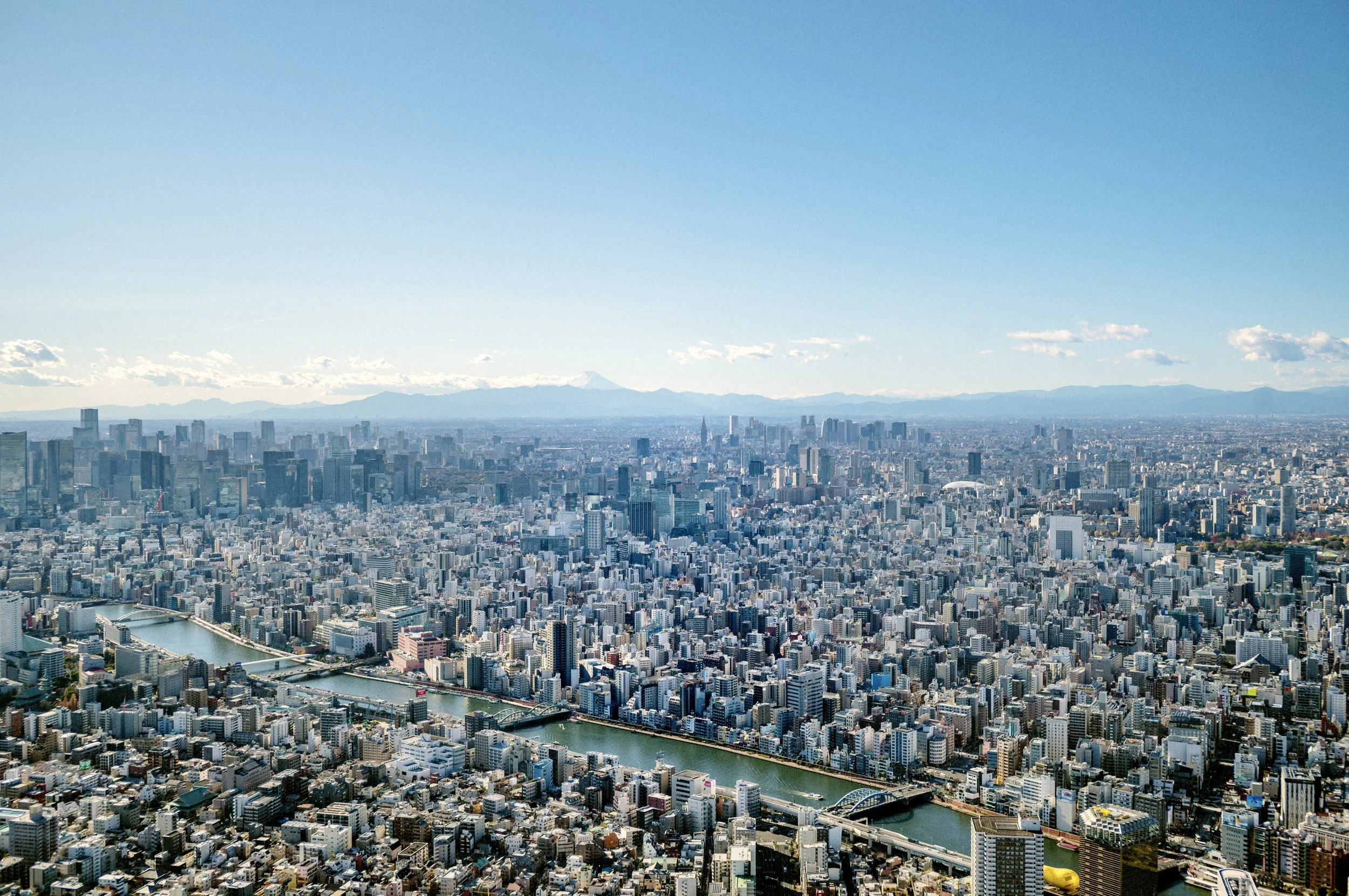
Tokyo City View With Mt Fuji in The Background
Tokyo is one of those cities that sounds overwhelming on paper, 14 million people, more neighbourhoods than you can count, and everyone with a different opinion on what you shouldn't miss.
What it actually feels like on the ground is something else. One minute you're standing at Shibuya Crossing watching 45,000 people flow past each other without a single collision, the next you've turned a corner and found a silent temple courtyard with incense smoke drifting through cold air.
I had the M11 round my neck for most of it, trying to keep up. This guide covers what made the biggest impression across six days, the places I'd go back to, the honest notes on what I'd do differently, and what it's actually like to shoot Tokyo with a rangefinder and a 28mm lens.
In this guide I share some of Tokyo’s most iconic sights, including Shibuya Scramble Crossing, Tokyo Tower, Tokyo Skytree, Tokyo International Forum, and the neon-lit energy of Shinjuku’s Godzilla Head and the famous 3D Cat billboard.
Whilst I was only apply to take in the views of Mount Fuji via the bullet train I was able to see it from the tip of the Tokyo Skytree. I had winning hands on experince at the Samurai & Ninja Museum (great experience), offering a mix of modern Tokyo and its deeper history.
During the trip I stayed six nights at The Square Hotel Ginza (£722), which I’d highly recommend for its location and comfort, and one night in a hostel in Ōta-ku (£54.19) which worked out as a great option for my early departures from Haneda Airport.
If you’re planning your own Tokyo itinerary, these are the places that stood out most from my time exploring the city and my last bit of advice is you will not regret it!
The Short Read
Where I stayed: I stayed five nights at the square hotel GINZA, which I would highly recommend (£722) and one night at a hostel in Ōta-ku (£54.19) again I would recommend for solo travellers who have early departures from Haneda Airport.
Camera Kit: Leica M11 and M6 TTL, Leica Summicron-M 35mm ƒ2, Zeiss 28mm f/2.8 ZM, Zeiss 50mm f/2 ZM and Pocket Osmo 3.
Mount Fuji: Didn’t make it due to illness, but caught a glimpse from the train as I passed.
Leica Store Ginza: Always worth a visit. Picked up a Leica Soft Release Button 8mm Chrome for my M series cameras.
Hijiri-bashi Bridge: Went for the shot and ended up chatting with other photographers. Great spot if you’re into trains and photography.
Tokyo Tower: Skipped the viewing decks (chose Skytree), but still a great photo spot with a nice walk around Shiba Park nearby.
Tokyo International Forum: Quick stop for architecture photography. Bonus was the Oedo Antique Market outside, worth a wander.
Shibuya Scramble Crossing: Absolute carnage, running, walking, stopping, posing, mario carts and everyday people all day every day!
Shinjuku Godzilla and The 3D Cat Billboard: Fun if you’re a fan. If not, it’s a quick look and move on.
Tokyo Skytree: The views are mind blowing, actually seeing the city in a 360 with Mt Fuji in the distance on a clear day goes as far as the eye can see!
Sensō-ji Temple and Samurai/Ninja Museum: Tokyo’s oldest temple and walking through Kaminarimon Gate into Sensō-ji is one of those classic Tokyo moments. The Samurai/Ninja Museum added a bit of fun with hands-on experiences (and yes, I won the ninja star throwing).
Food: I had big plans for food whilst here but ended up eating mainly at the hotel with one ramen at the Tokyo Skytree, I’ve mentioned some of the places I wanted to eat and try some coffee at are the end of the blog.
Other places worth visiting in Tokyo: This list could go on forever, but I’d wanted to go to the Imperial Palace, teamLab Planets TOKYO, The National Art Center and a day trip to Enoshima to see the coast (about an hour from Tokyo).
Final Thoughts: I did love Tokyo and just wish I was feeling 100% to do everything I had planned, so will be going back in 2027/8 for a few days as part of a longer trip to redo Tokyo/Kyoto and visit Okinawa before moving on to French Polynesia.
Would I go back: 100% to redo some missed experiences and try more coffee and food.
Overall Experience: ⭐⭐⭐⭐⭐
British Airway Flights
Just a quick note on the flights. I flew with British Airways in economy, which cost £777 return. While the seats were definitely more comfortable than what you would typically get with Ryanair, for flights of this length, around 13 hours outbound and 15 hours 25 minutes on the return, I personally would not choose economy again. By the later stages of both flights, the lack of space to properly stretch out became very noticeable.
One positive was the food and overall service onboard. Two meals were included with each flight and I selected the low fat meal option, which meant I received my food earlier as it counted as a speciality meal. Honestly, it was far better than I expected airline food to be, this was actually the first time I’ve eaten food served on a plane. The cabin crew were also excellent throughout the journey, regularly offering water and juice while reminding passengers that additional snacks were available at the back of the aircraft.
Where I Stayed in Tokyo
So I did debate on saving some cash and staying in a pod hostel in Tokyo but felt that I wanted to treat myself for the last leg of the tour.
So I stayed in Ginza, known as Tokyo’s premier luxury shopping, dining and entertainment district. It is famous for its weekend Pedestrian Paradise when the main streets close to traffic, as well as its mix of striking modern architecture and traditional establishments that have been there for more than a century.
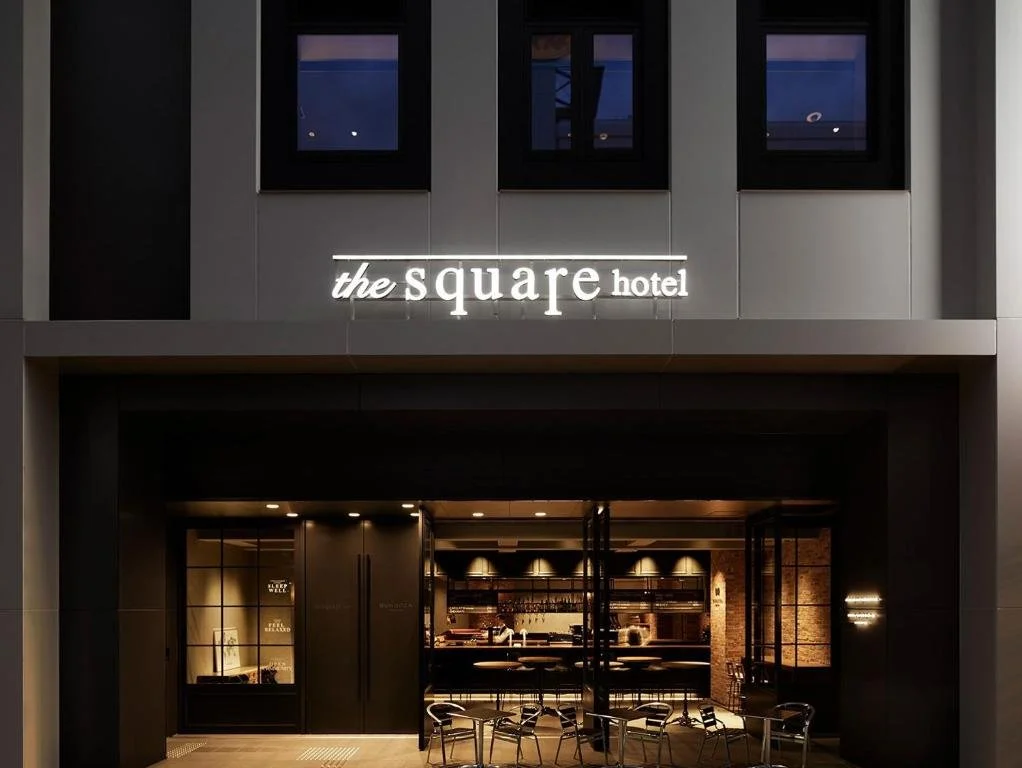
I stayed in the square hotel GINZA getting a Superior Double Room (Non-Smoking) on the 14th floor and it was an excellent base for exploring Tokyo. The hotel has a calm, minimalist design that fits perfectly with the modern feel of Ginza, and the location is fantastic with shops, restaurants and metro stations all within easy walking distance.
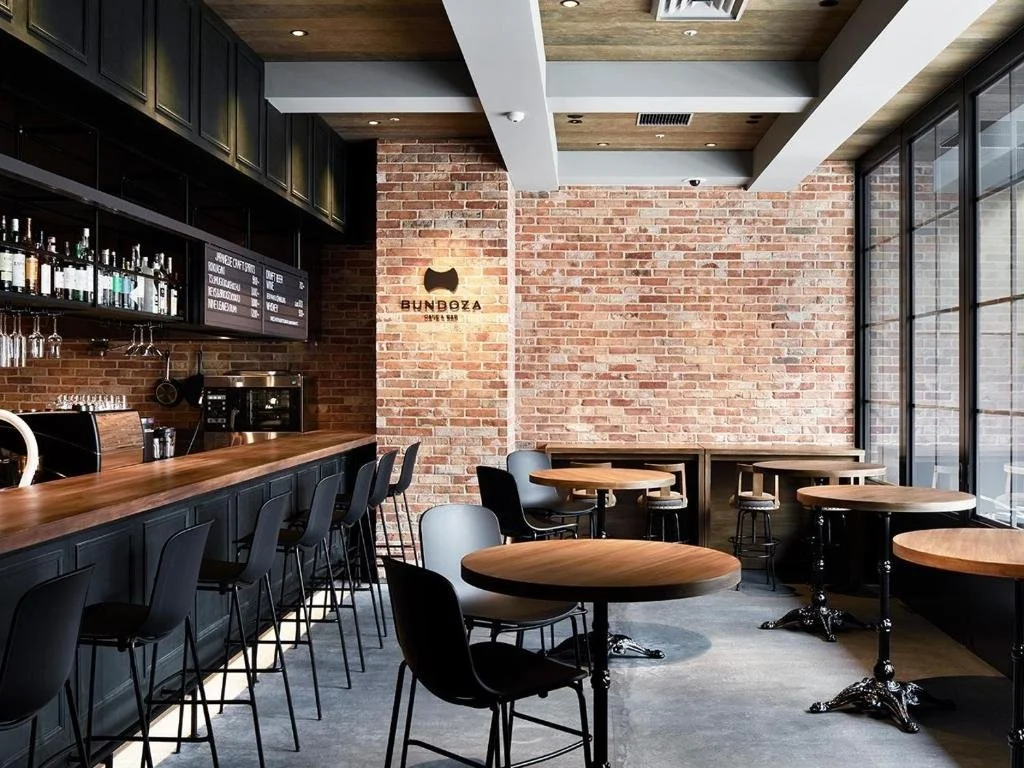
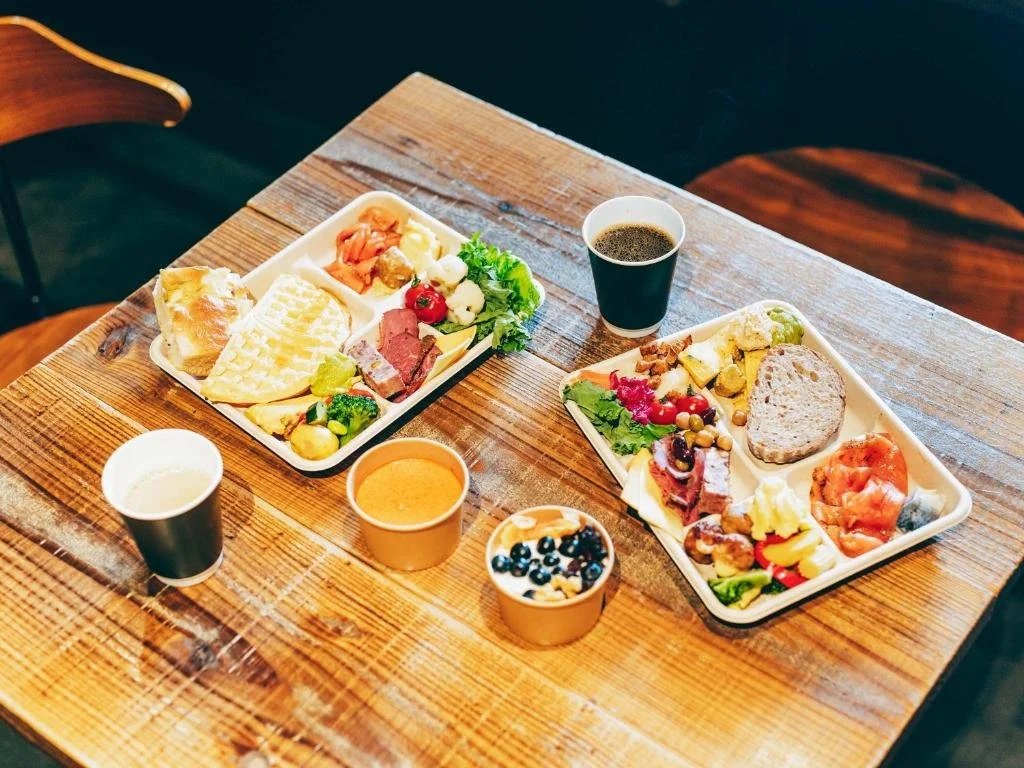
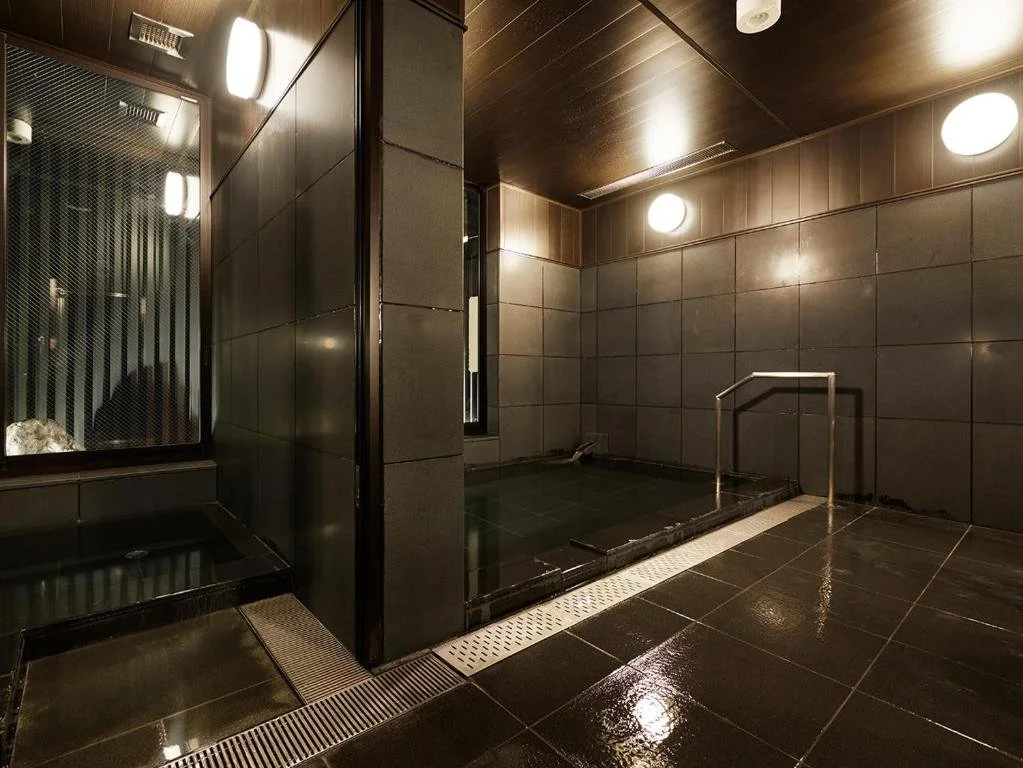
The room was very comfortable and spotless, making it a peaceful place to return to after long days exploring the city. The hotel also has a stylish café and restaurant space on the ground floor, which creates a relaxed atmosphere for breakfast or coffee, along with useful facilities such as a fitness room, public bath (tattoos need to be covered) and fast WiFi, making the stay even more comfortable.
Another fun bonus is that the hotel is just a short walk from Age.3 in Ginza, famous for its viral toasted and fried cream sandwiches, which I had planned on trying while I was there, but the queues were insane.
Interestingly, I was staying here during a 4.9 magnitude earthquake and although the building shook slightly, everything was safe, which actually gave me confidence in how solid the structures in Japan actually are.
This is a stylish, comfortable hotel in a brilliant location and somewhere I would happily stay again and highly recommend.
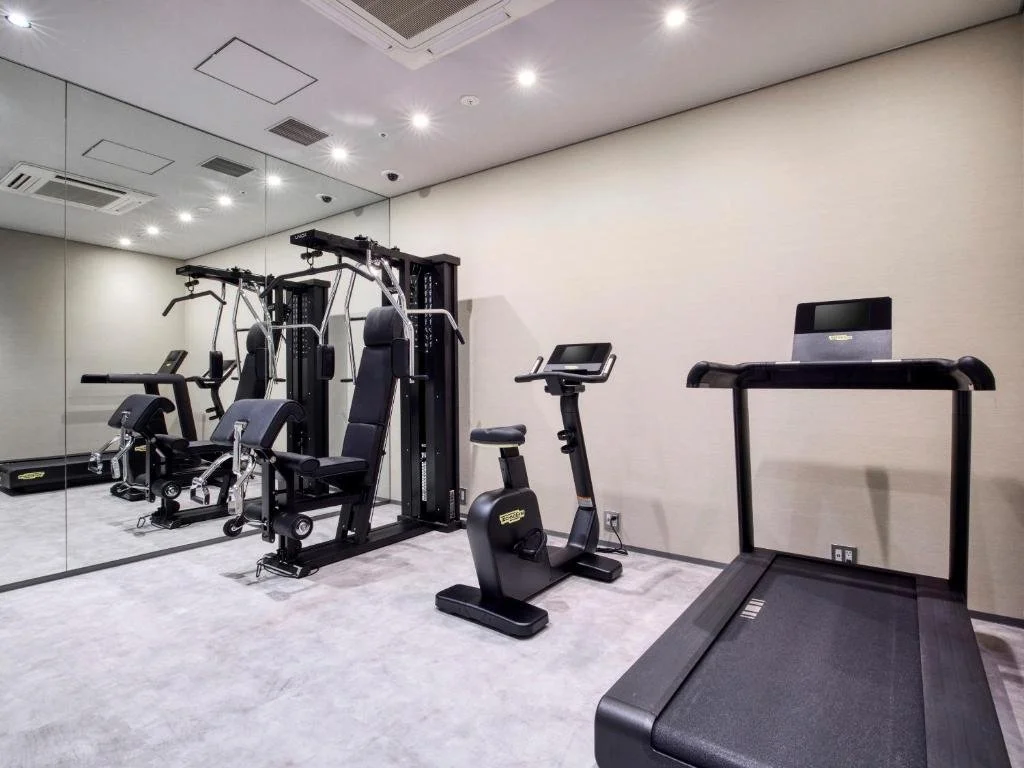
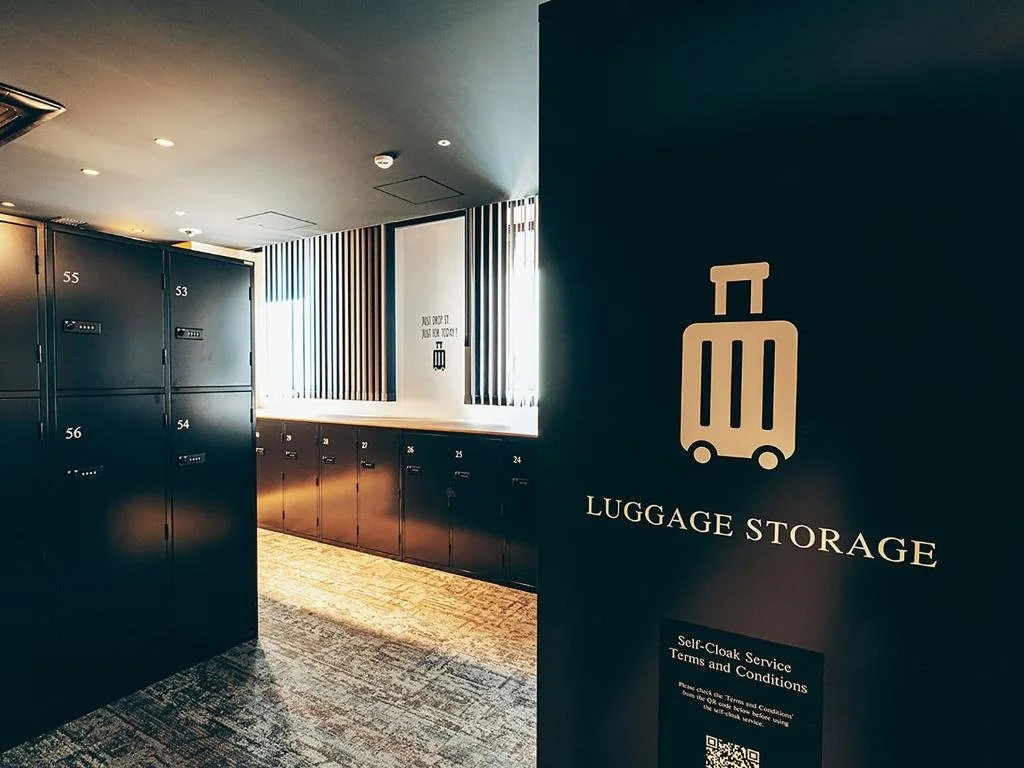
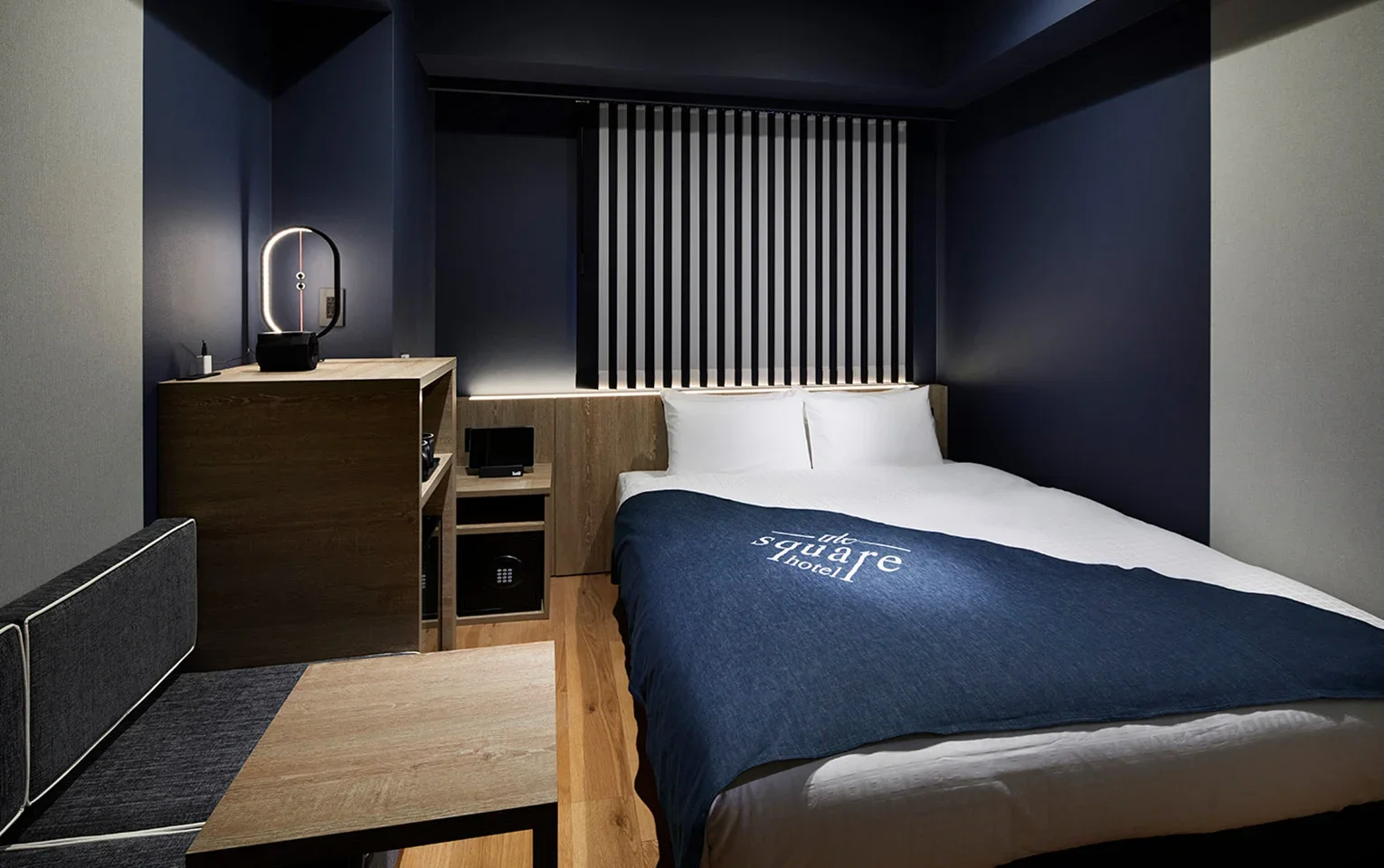
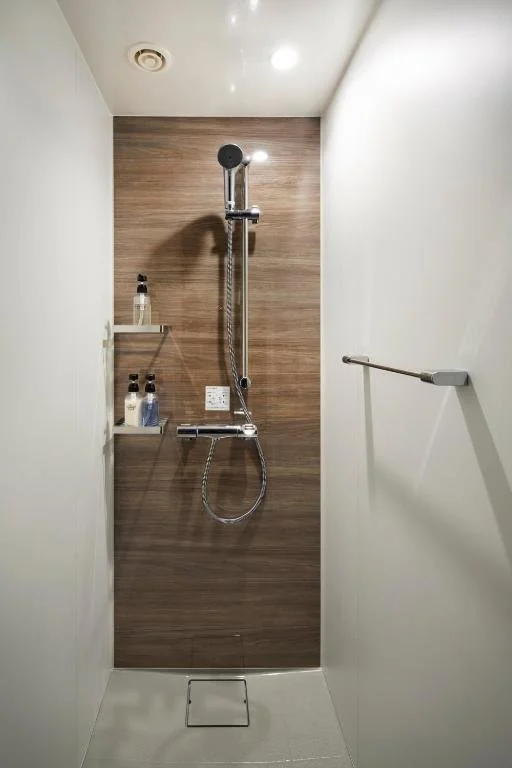
As a solo traveller staying in Ginza, I knew I had an early 9:35am departure from Haneda Airport, so for my final night I decided to stay closer to the airport to make the morning easier and less stressful.
I found a hostel in Ōta-ku for £54.19, which offered a private room along with access to a shared kitchen, laundry facilities, a terrace, rooftop space and WiFi. Check in at reception was quick and straightforward, and the self service checkout machine made leaving early in the morning incredibly simple. There is also a lift in the building, which made moving luggage up and down much easier.
The location turned out to be perfect. An Uber to Haneda Airport cost just ¥1,550, around £7.09, and the journey took only about five minutes, making it incredibly convenient for an early flight.
The neighbourhood itself is quiet, which meant I had a really good night’s sleep. The mattress was comfortable, the room was spotless and the shared bathrooms were also very clean and well maintained.
Another great bonus was the convenience of nearby shops. There was a FamilyMart directly across the road and a 7 Eleven just a short walk away, which was ideal for picking up last minute snacks such as DIY frozen smoothies, tuna mayo onigiri, a fluffy egg salad sandwich known as tamago sando, or even some Nanachiki fried chicken.
Overall it was excellent value for money and a very convenient place to stay, especially for solo travellers with early flights from Haneda Airport. I would happily recommend it.
Mount Fuji
So, something I was very excited about was seeing Mount Fuji. In fact it was my number one experience for Japan, so much so that I booked tickets on the bullet train to be on the Mount Fuji side twice (missing one trip as I missed the train) and then booking a full day tour that was meant to take me to Ladder Town, Oshino Hakkai, Lake Kawaguchi and Lawson Convenience Store. Sadly I had to cancel this with being poorly which I was gutted about and never ended up a photo, my aim was to print an image very large and have it hanging in my office.
The tour was booked on Klook and cost me £38.35 with pick up at Tokyo Station at 8am and drop off at 5pm, which I think is a bargain.
The video below is the view you get when on the bullet train to Tokyo.
Leica Store Ginza
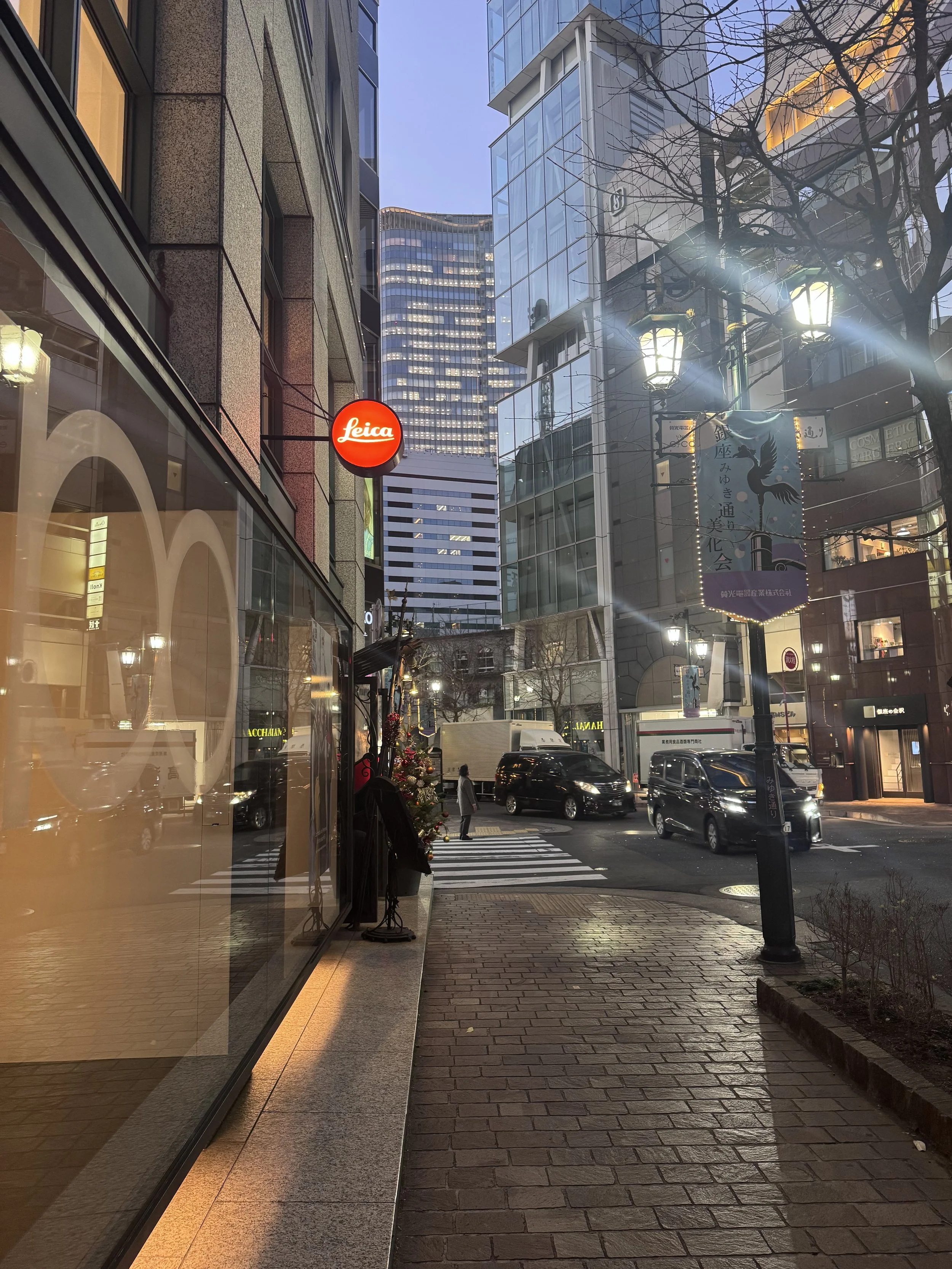
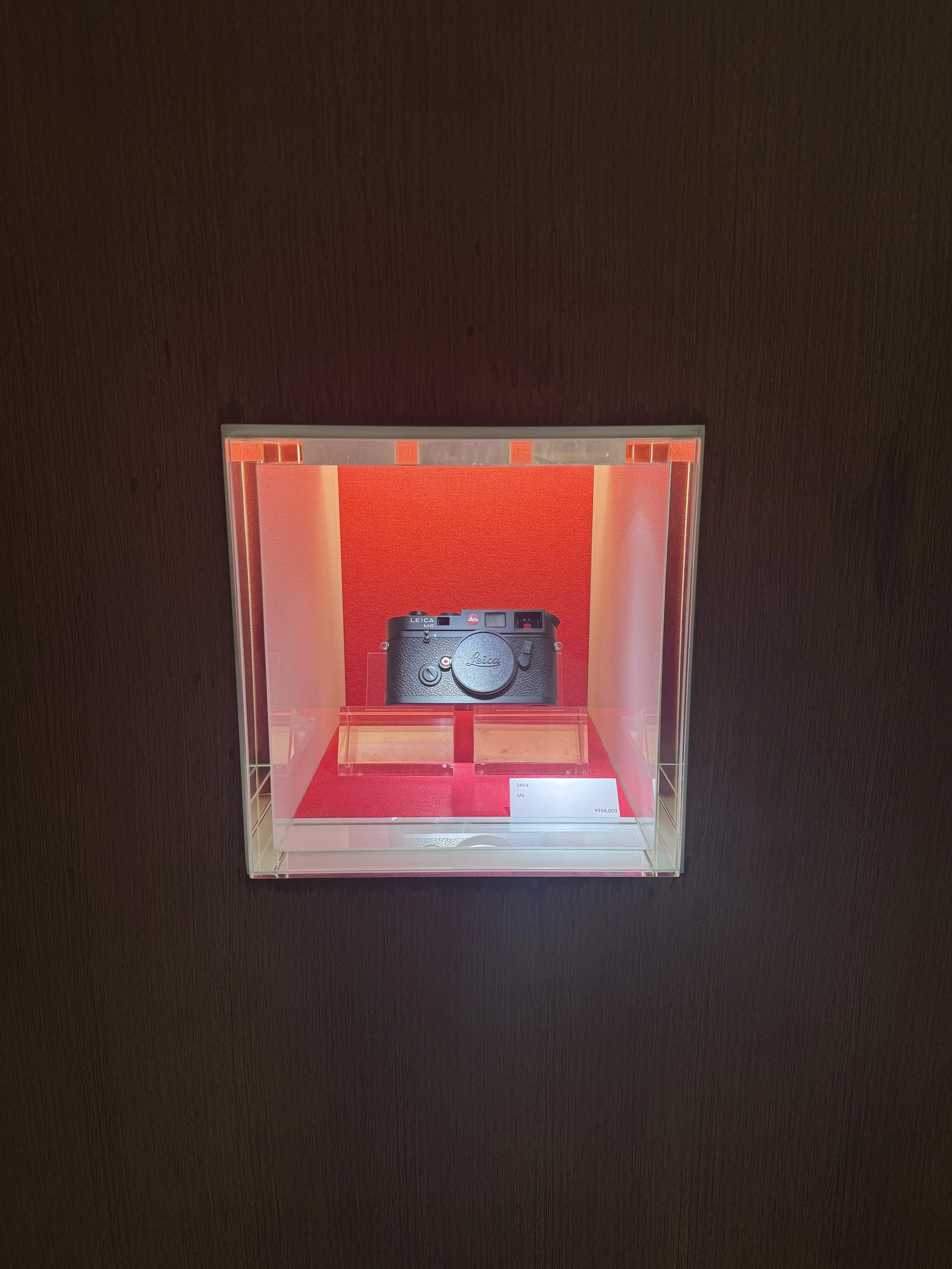
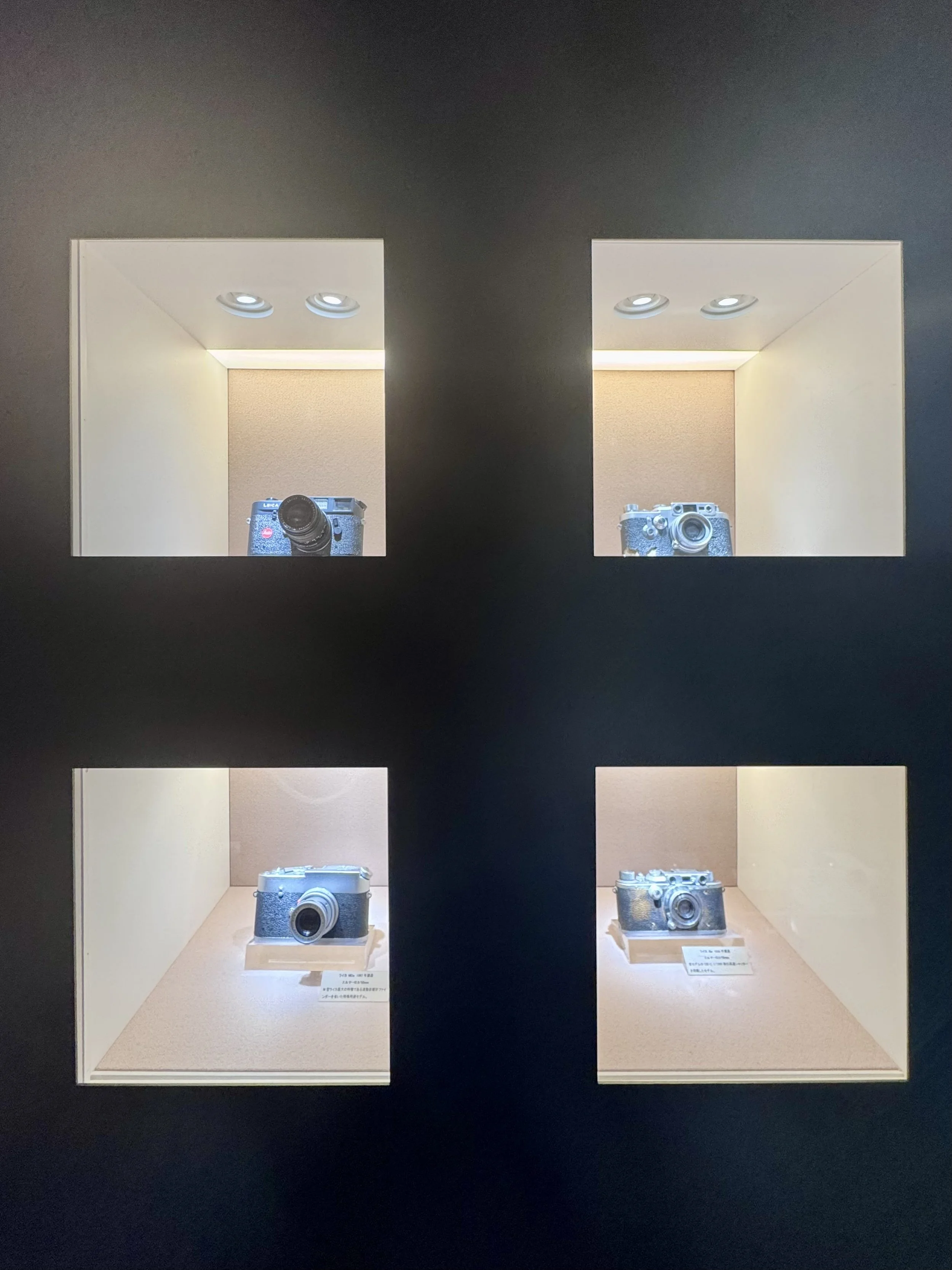
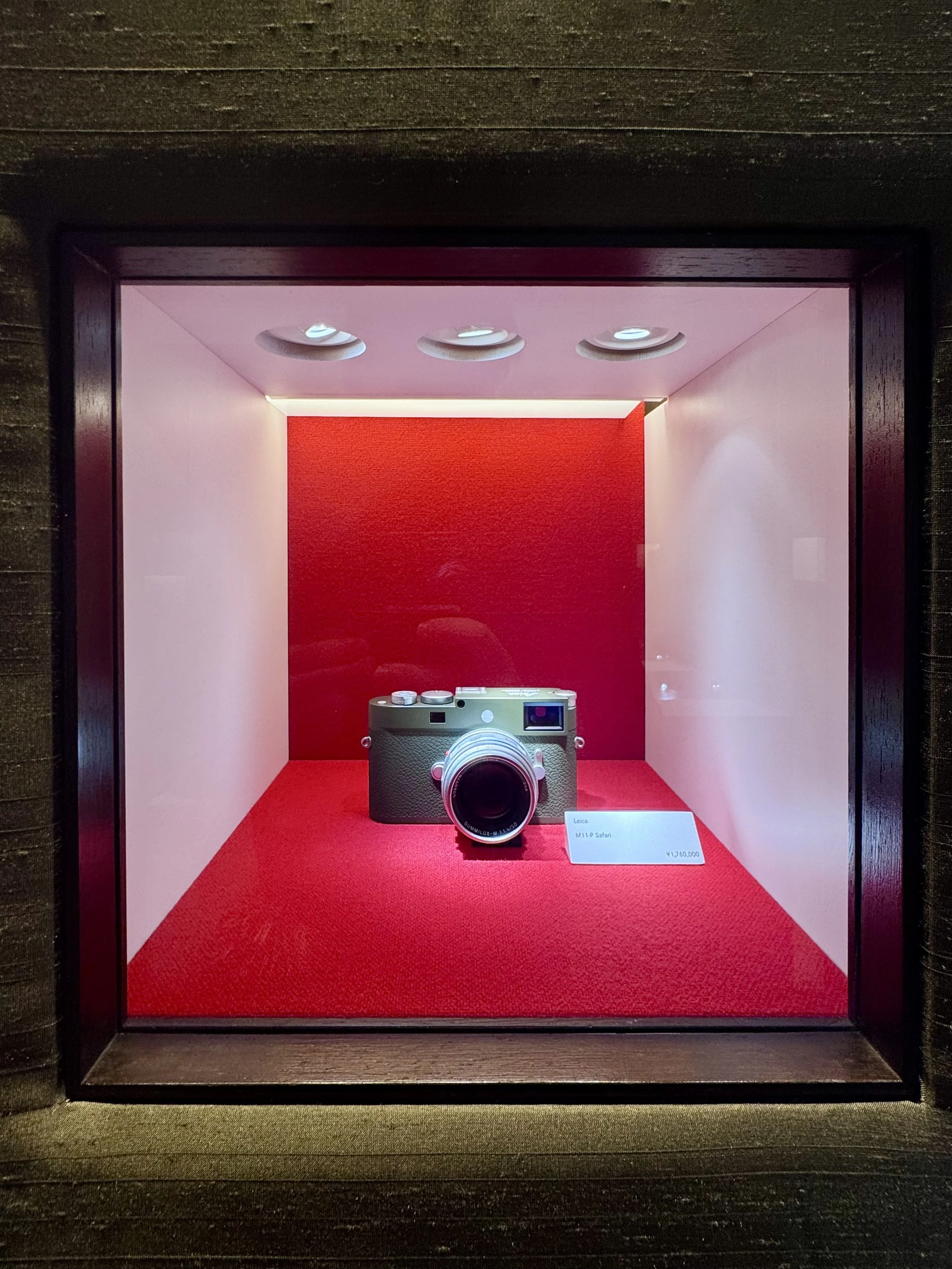
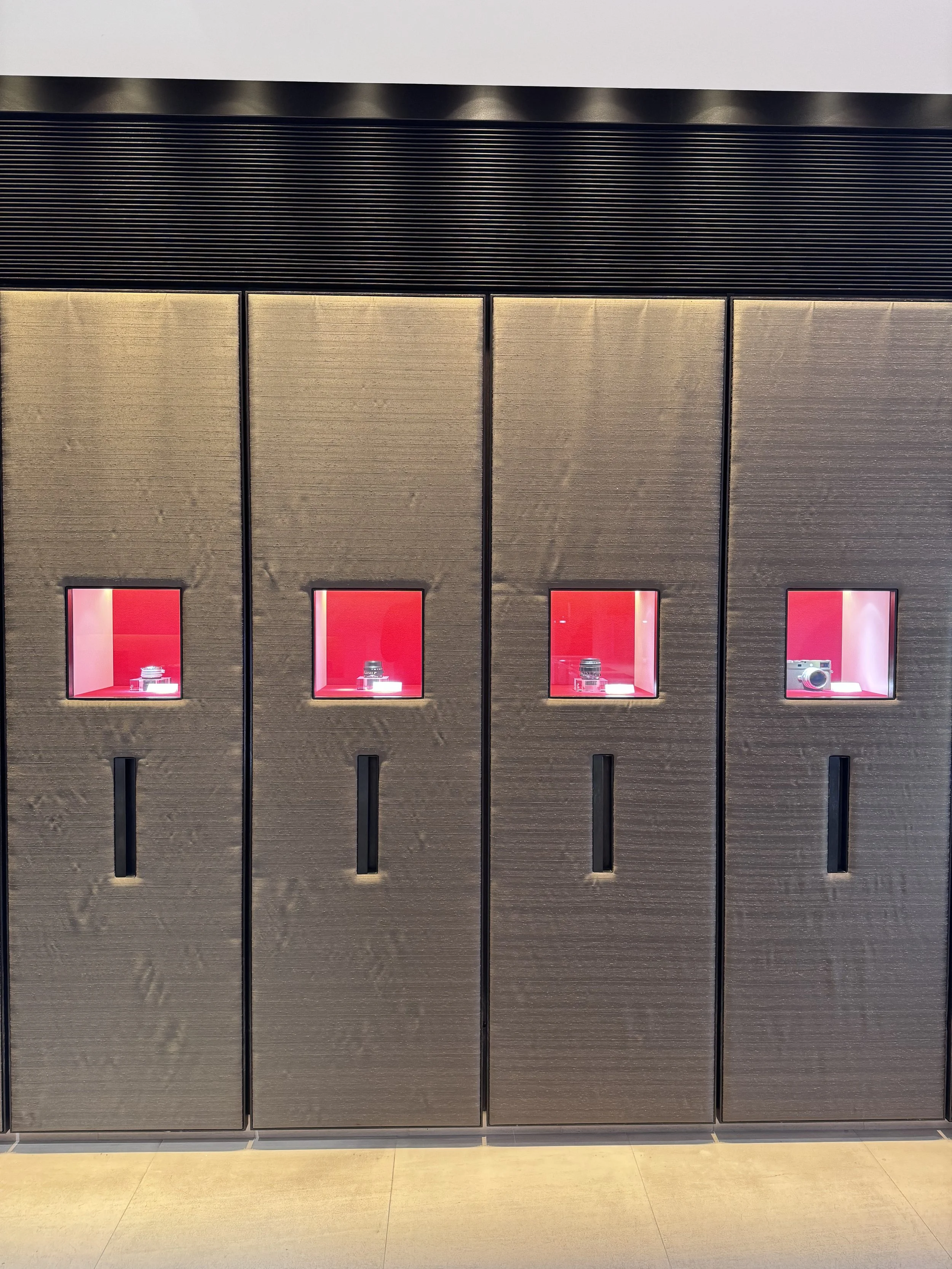
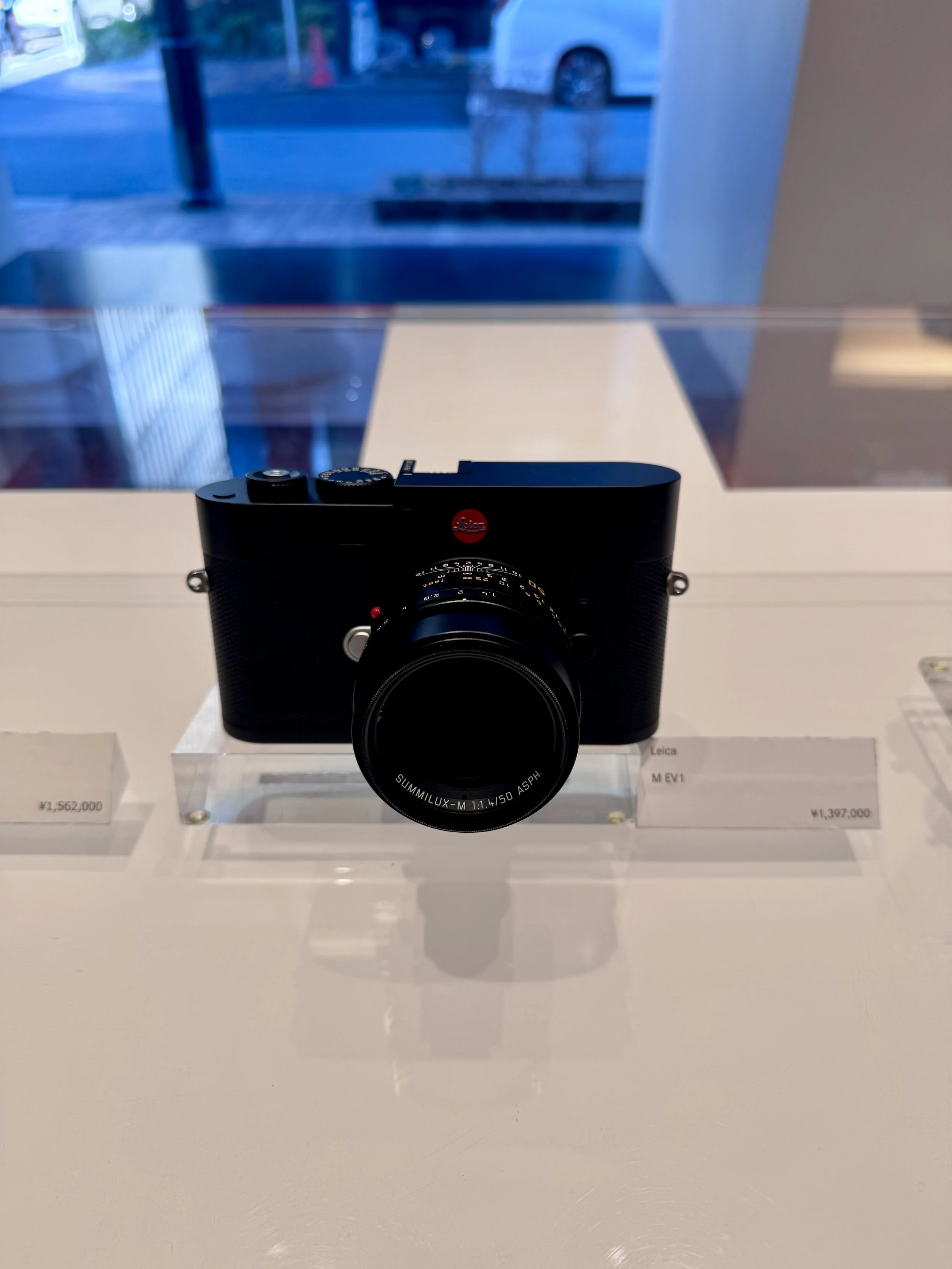
I try to go to all the Leica stores when I can, so was looking forward to the one in Ginza as there was also an exhibition on too.
The Leica Store Ginza is clean, minimal, and focused on the work as much as the gear. I got to see the new Leica EV up close which I’m still unsure about and would need to hire one to try before I buy, but what really stood out was Alan Schaller’s One OK Rock exhibition.
The exhibition is a series of high-contrast black and white images from live performances that capture movement, light, and intensity of a rock band into something precise and considered.
Shooting Tokyo with the Leica M11
I went to Japan with the M11 and my M6 but ended up only using the M11 as my only camera body, paired mainly with the Zeiss 28mm f/2.8 ZM for most of the trip. The 28mm became my default lens in Tokyo almost immediately, wide enough to include context and environment without having to step back five metres to fit a scene in, but not so wide that it starts distorting the edges. In a city this dense, that field of view felt right.
One thing you notice quickly shooting a rangefinder in Tokyo is that nobody cares. In some cities a Leica gets attention, people notice you lifting it, they shift or pose or ask what it is, it helps that I have a black dot over the red dot. Tokyo doesn't do that. People are in their own world at a level that gives you a lot of freedom. I got frames at Shibuya Crossing, at Sensō-ji, on the platforms at Ochanomizu Station, and most of the time nobody looked twice.
The honest frustration with the M11, and it's the same frustration I always have with shooting primes, is the moments where you genuinely need reach and don't have it. Standing on Hijiri-bashi Bridge watching three train lines converge, the 28mm was too wide for a tight composition of the tracks. The Summicron-M 35mm worked better there. Then at Arashiyama trying to photograph the cranes fishing in the Katsura River, even the 50mm wasn't enough with the 1.8x digital zoom. There were shots I could see clearly and couldn't reach. That's the prime lens trade-off tho, you travel lighter, you think harder, and occasionally you watch a frame walk away from you.
I also had the Osmo Pocket 3 with me for the first time on this trip. I'll be honest, getting used to it took a few days. The footage is smooth and the stabilisation is genuinely impressive for something that size, but building the habit of reaching for it alongside the M11 doesn't come naturally at first. The video clips from the trip aren't what I'd hoped for overall but that's on me, not the camera.
Hijiri-Bashi Bridge
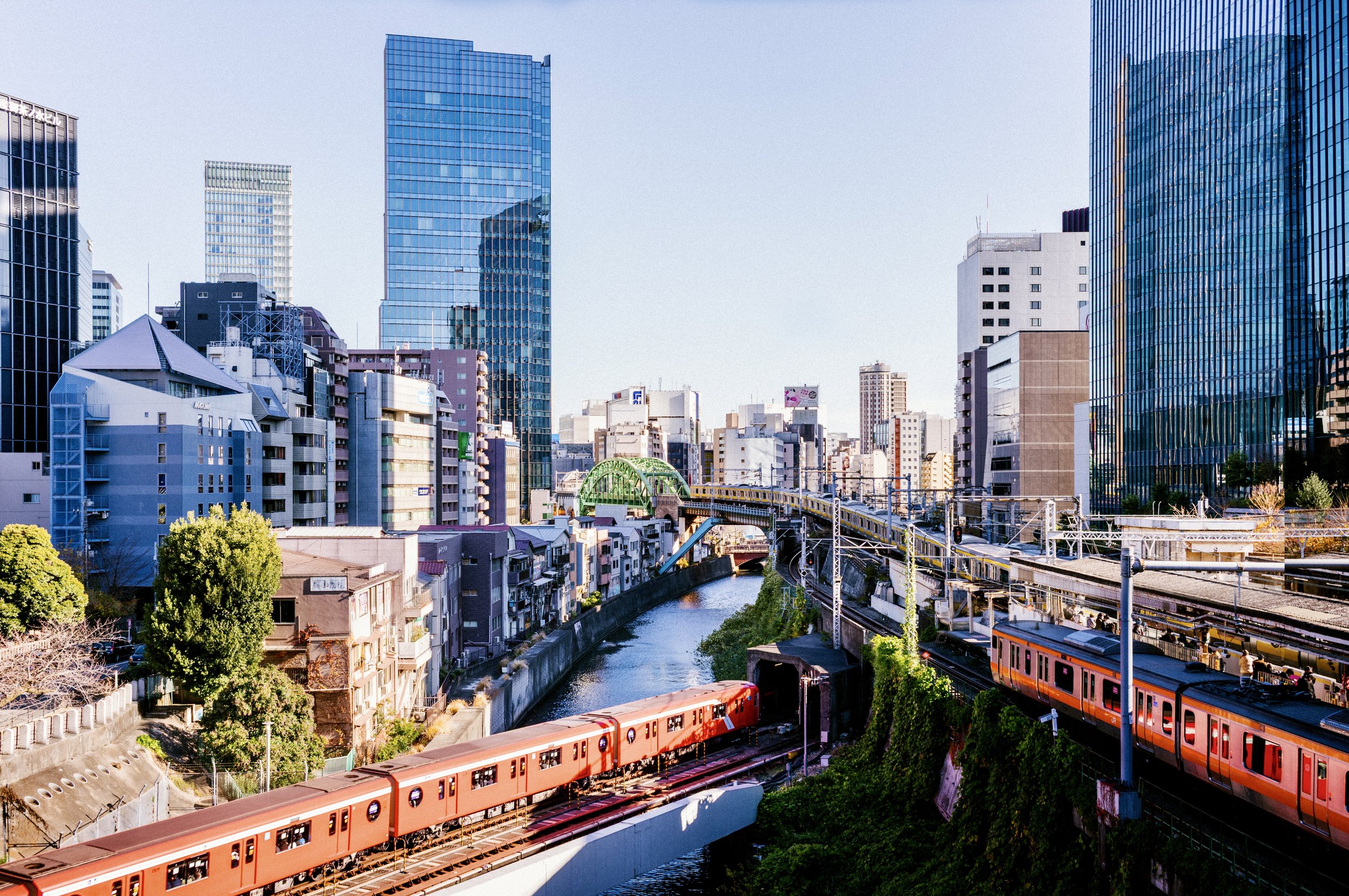
Hijiri-Bashi Bridge Trains
This view is not too far of a walk (less than 30mins) from the gardens of the imperial Palace and is one of Tokyo’s most famous train-viewing spots, which is on the Hijiri-bashi Bridge near JR Ochanomizu Station. If your timing is right or you’re willing to wait a while then you can see the JR Sobu Line, JR Chuo Line, and Marunouchi Subway Line trains crossing each other. Sometimes you can even catch a boat going down the canal too!
The bridge also features in the popular Japanese anime film “Suzume” 2022.
There were at least fifteen photographers on the bridge when I arrived, a mix of tourists and locals, all waiting for the same convergence. It's one of those locations where you arrive already knowing the image you want and then spend time trying to find the version of it that's yours rather than everyone else's. I ended up switching to the 35mm here as the 28mm I'd been using all day pulled in too much sky and not enough track.
The shot is about compression, about layers of train lines stacking up in the frame, and the tighter field of view does that better. Timing matters more than anything though, so have patience at this spot!
The JR Sobu and Chuo lines cross roughly every few minutes and occasionally the Marunouchi subway adds a third layer. You wait, you watch the signals, and when it lines up you have about two seconds.
Tokyo Tower
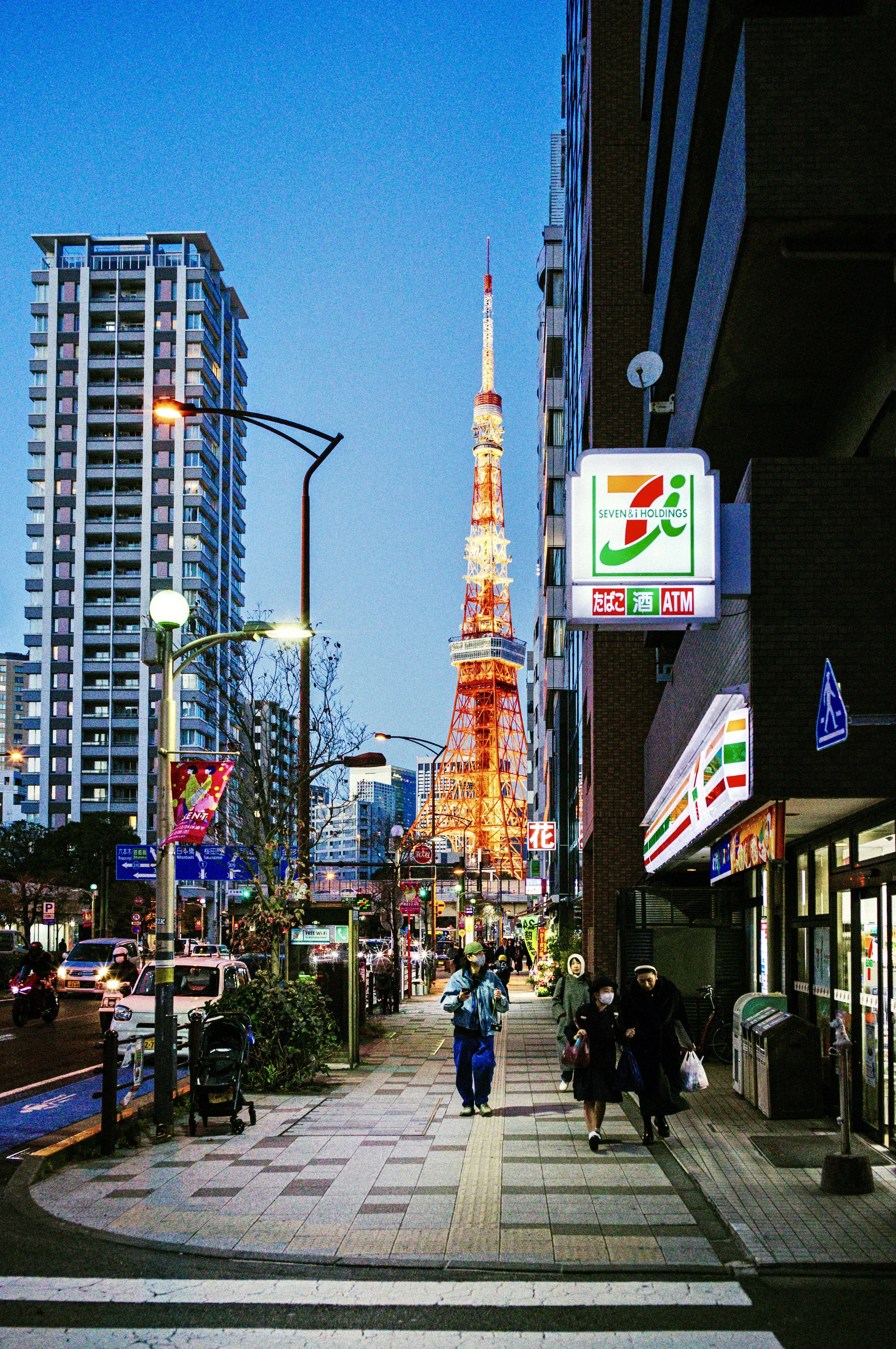
Iconic
7Eleven at the Tokyo Sky Tower
Tokyo Tower was built in 1958 as a symbol of Japan’s post-war recovery, inspired by the Eiffel Tower but quickly became something very much its own. It was once the tallest structure in Japan till the Skytree was built, it still stands as a quiet icon of resilience, progress, and modern Tokyo.
From this street, the tower rises perfectly between buildings, glowing warm as the city shifts into evening, this is when you will get the best pictures of it. It might honestly be one of the most beautiful city views in the world that includes a @7eleven , iconic, ordinary, and unmistakably Tokyo.
You can enter the Tower and go onto two different levels for views of the city.
Photography Tip: Head to the Shiba area just before blue hour via Onarimon or Shibakoen Station, it is a short walk from either. The best shot is when the sky is still deep indigo and the tower lights have just come on.
What I love about this frame is the 7-Eleven in the foreground. You could try to exclude it but that misses the point, the ordinariness of it against the tower is what makes it Tokyo rather than a generic city shot. On the M11 with the 28mm this is a one-frame decision: expose for the sky, let the street go slightly warm, and the colours do the rest.
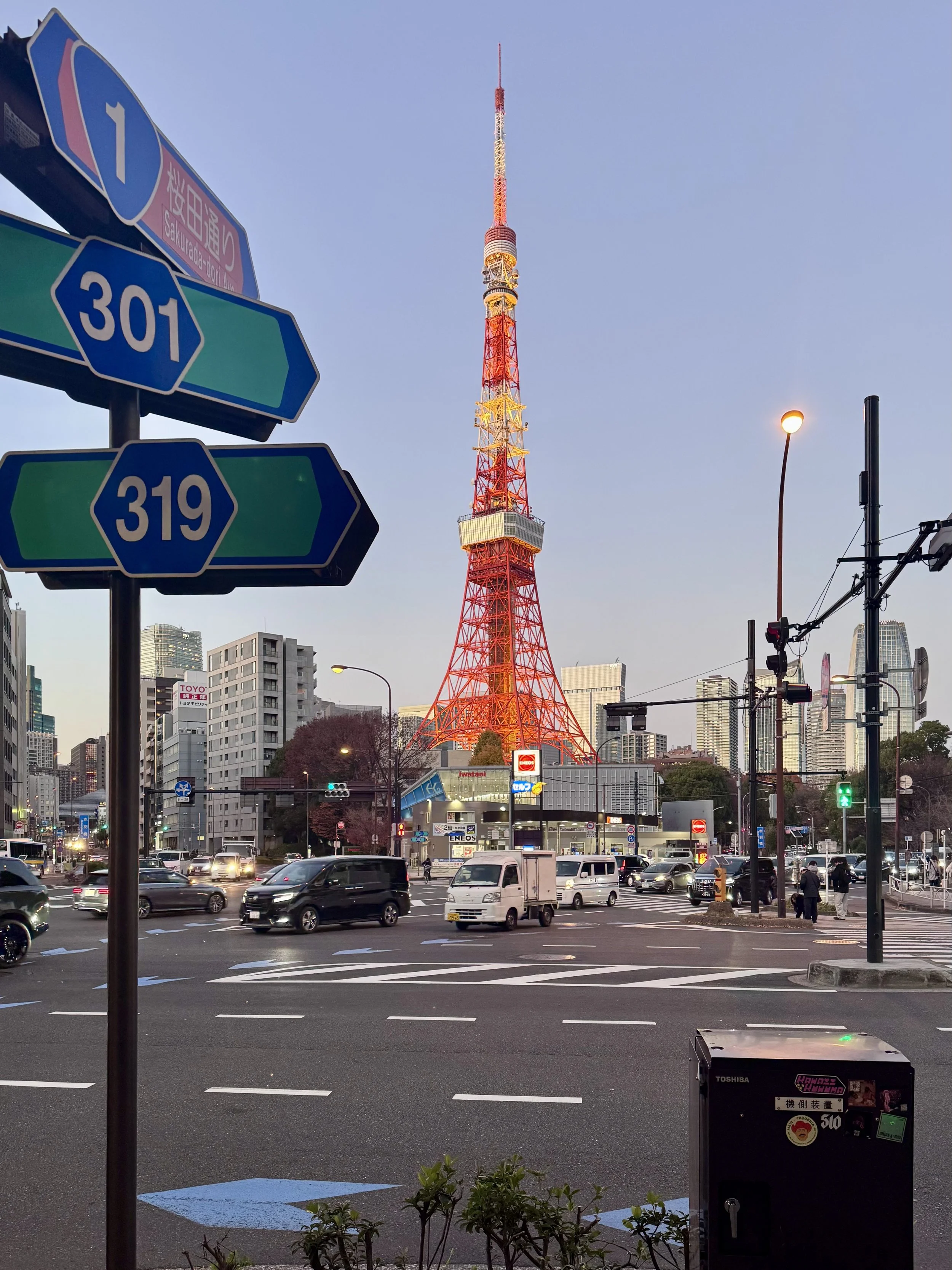
Tokyo Tower Street View at Dusk
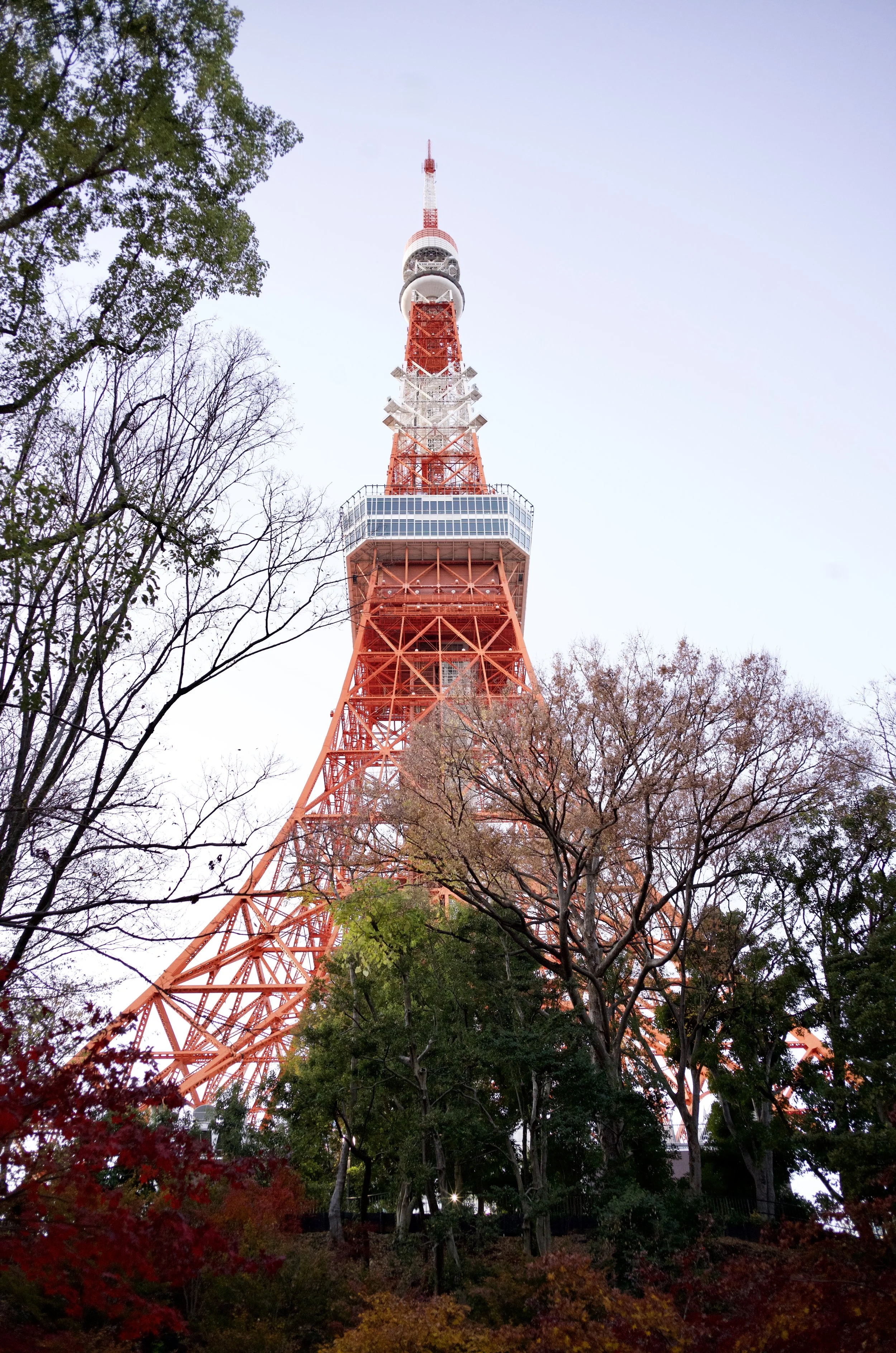
Tokyo Tower from Maple Valley
Tokyo International Forum
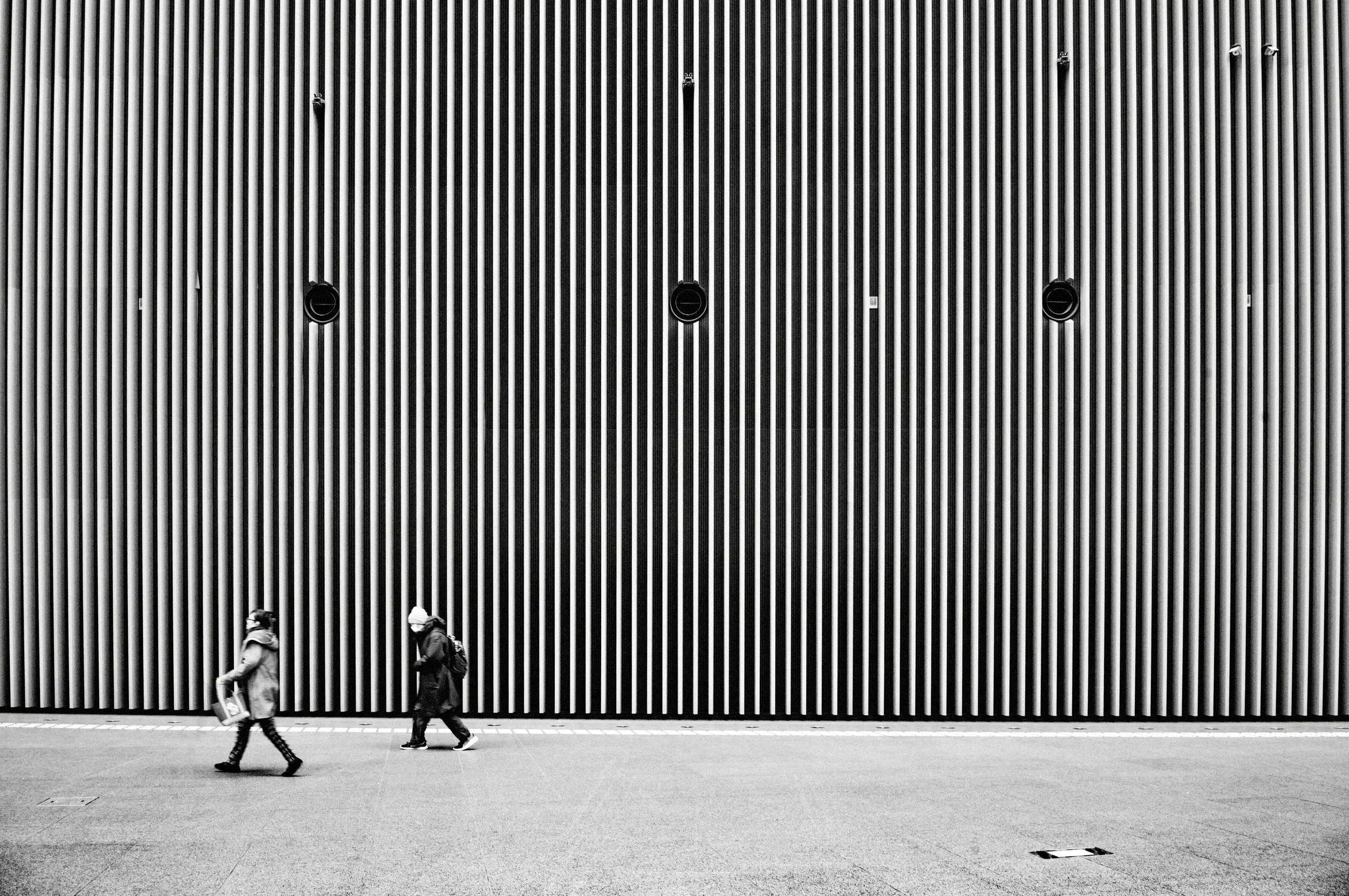
Tokyo International Forum Wall
Tokyo International Forum felt like I was walking through a piece of modern design that just gets better the longer you look at it and from the many different angles.
The Forum was designed by Rafael Viñoly, the structure is often compared to the hull of a ship and once you’re inside, that makes perfect sense. Inside the Tokyo International Forum, there is a feeling of how precise and intentional it has been designed.
There are steel bridges suspended in open space, beams that create plenty of repeating lines and glass walls that pull light deep into the building. I did wait a while for the light to shine through onto the floor of the building and show better shadows on the floor but sadly after a while I had to move on.
Whilst I was there the Oedo Antique Market was on outside the Forum, which was really interesting to see all the different type of people and items, selling everything from vintage ceramics and kimonos to small curios and collectibles.
I’d also planned to visit the Tokyo National Museum on this trip. Not just for the collections, but for the architecture itself, there is a great image you can take outside of the building but also inside where the cafe is.
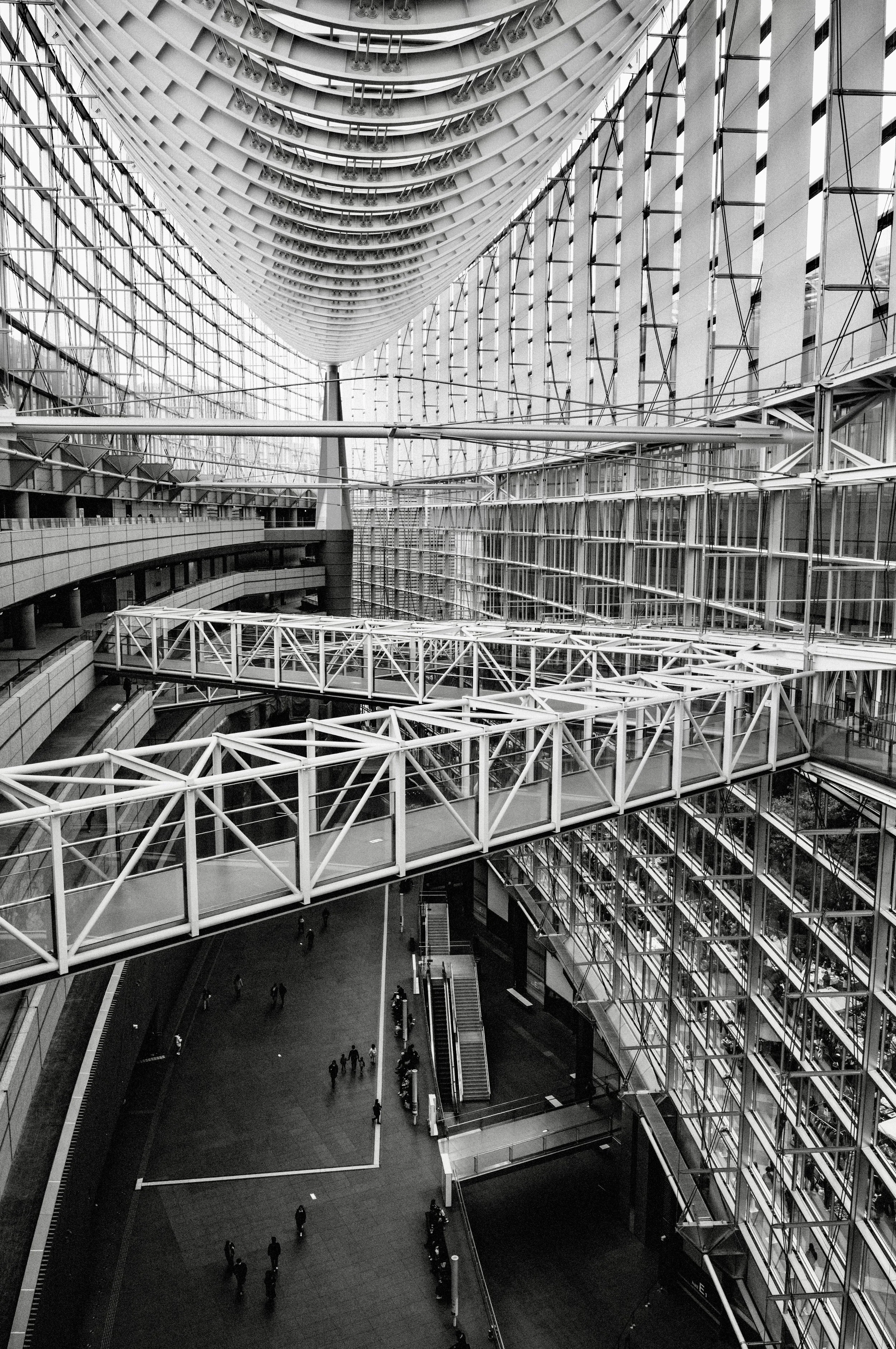
Shot From The Top of Tokyo International Forum
Shibuya Scramble Crossing
Shibuya Scramble Crossing isn't just busy, it's one of the most walked pieces of road on the planet, around 45,000 people an hour on a busy day.
What that actually looks like through a 28mm viewfinder is organised chaos that somehow doesn't resolve into a single clear image no matter how many times the lights change. I spent a long time here. The problem with Shibuya as a photography subject is that everyone has the shot already, the elevated view from Shibuya Sky or the Starbucks window, looking down at the crossing from above. Street level is harder and more interesting. You're in it, the crowd moves around you, and you're hunting for the frame within the frame, one face, one collision of strangers, one moment of stillness inside the movement.
The 28mm earns its place here because you don't need to raise the camera far to include everything. Most of my frames from the crossing were shot from hip height, which on a rangefinder is genuinely how it should be done.
It is chaotic but great fun.
This is the location where you would have seen influencers sprint into the middle for that one shot before the lights change again. A quick dash, a pose, then straight back to the pavement like nothing happened, in fact you will see this in the video above.
If you're lucky you might even see people dressed up a Super Mario or Pokémon’s driving karts through the crossing too.
The video below was filmed from Shibuya Scramble Square Crossing View as I couldn’t get into Shibuya Sky (this is the better option). Once inside all you need to do is buy a drink, step onto the viewing area, and watch the crossing unfold below. There is an outdoor and indoor viewing spot, the holding image below on the videos was taken outside through the glass in the rain to create the more abstract image which I like as its a bit more chaotic to look at, mimicking the crossing itself.
Other great viewpoints to consider would be: Street level for full immersion,
Shibuya Sky for scale and symmetry and Starbucks Shibuya Tsutaya for a classic elevated shot
.
Don’t worry if you blink and it’s over as if you wait a moment the chaos will start all over again.
If you cross Scramble Crossing from the side where Starbucks is located you will find yourself standing just in front of Hachikō’s Statue. The story of Hachikō (an Akita dog), is centred around loyalty, the dog who continued to wait at Shibuya Station every day for his owner long after his passing in the 1920s. Which is incredible seeing as this city moves at an almost impossible pace.
You will see not only see tourists gather for photos, but also local commuters take a moment to reflect and appreciate the story, the Richard Gere movie Hachi: A Dog's Tale is loosely based on this story.
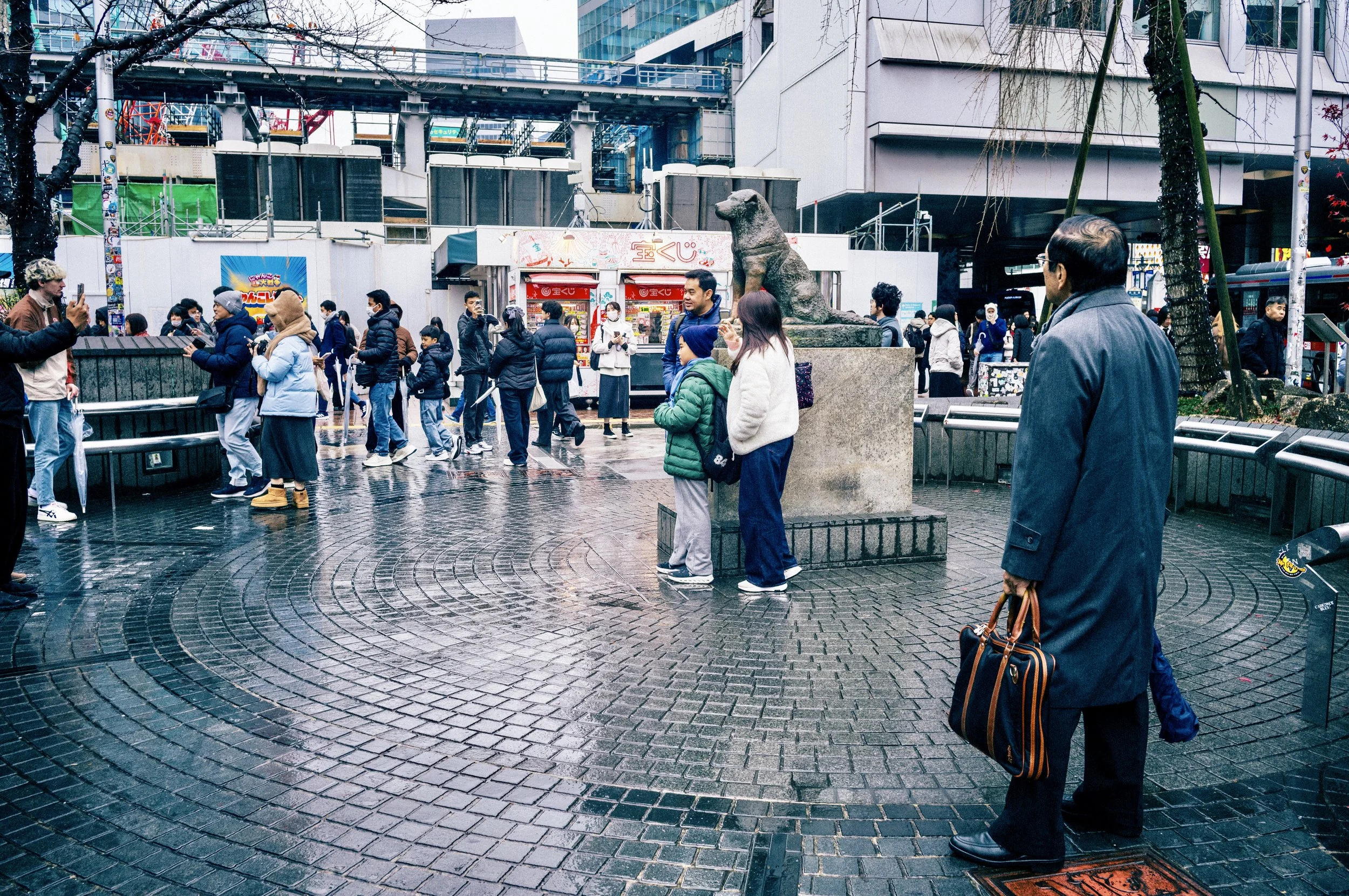
Hachikō Statue and Rainy Streets in Shibuya
Shinjuku Godzilla and The 3D Cat Billboard
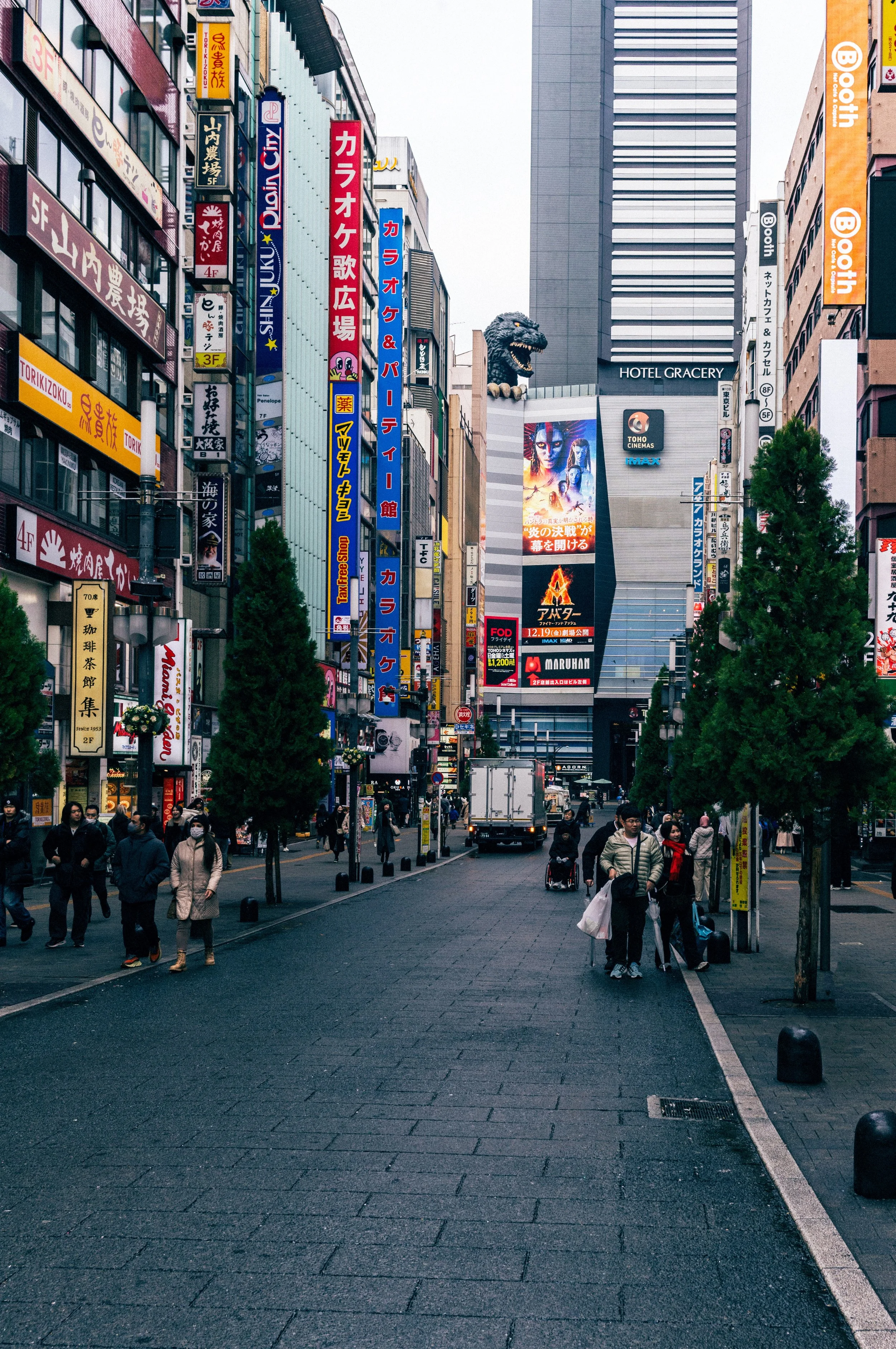
Shinjuku Godzilla
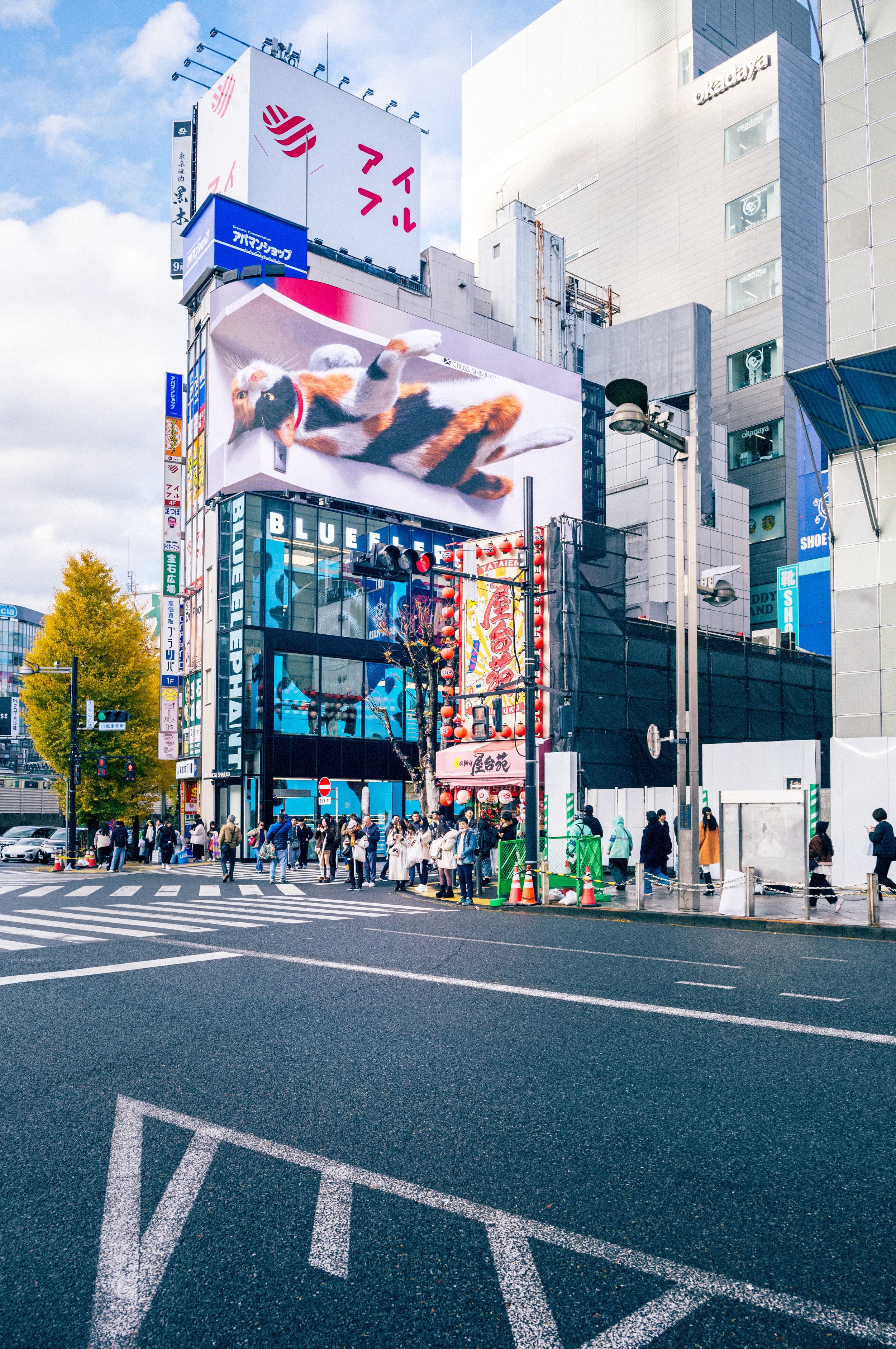
Shinjuku 3D Cat Billboard
I won’t lie I was genuinely buzzing when I finally saw the Shinjuku Godzilla. As a huge Godzilla fan, spotting the iconic head peering out over Shinjuku felt like a proper Tokyo trip moment.
Perched above Hotel Gracery Shinjuku, the Godzilla head has been looming over Kabukicho since 2015, a tribute to Japan’s most famous movie monster and Toho Cinema’s home turf. From street level it’s dramatic enough, but up close it’s even better, teeth bared, eyes glowing, mid-roar over the city.
And yes… you can actually stay in the hotel!
Some rooms look directly out at Godzilla’s head, and there’s even a dedicated Godzilla-themed floor for fans who want to fully experience it and I was considering this as a option to stay at but went with staying at Ginza for a treat.
The 3d Cat Billboard is quite a fascinating view as the cat plays like a real cat and wears different outfits.
If I’m being honest these would be quick visits if you're in that area but I’d not go out the way to do this in all honesty.
I would instead consider Shinjuku Gyoen National Garden for a nice walk if the weather is good as it was raining when I was there. Go to Omoide Yokocho (Memory Lane) also known as "Piss Alley," as this area is packed with tiny yakitori stalls and restaurants, so is a great chance to try food.
My main reason for myself to go to Shinjuku, was for a Food Tour - 15 Dishes, 3 Drinks, 4 Eateries, again I had to cancel this but I loved the food tour I did in Osaka, and the reviews are great for this one. It’s a great way to try different dishes and sake.
Tokyo Skytree
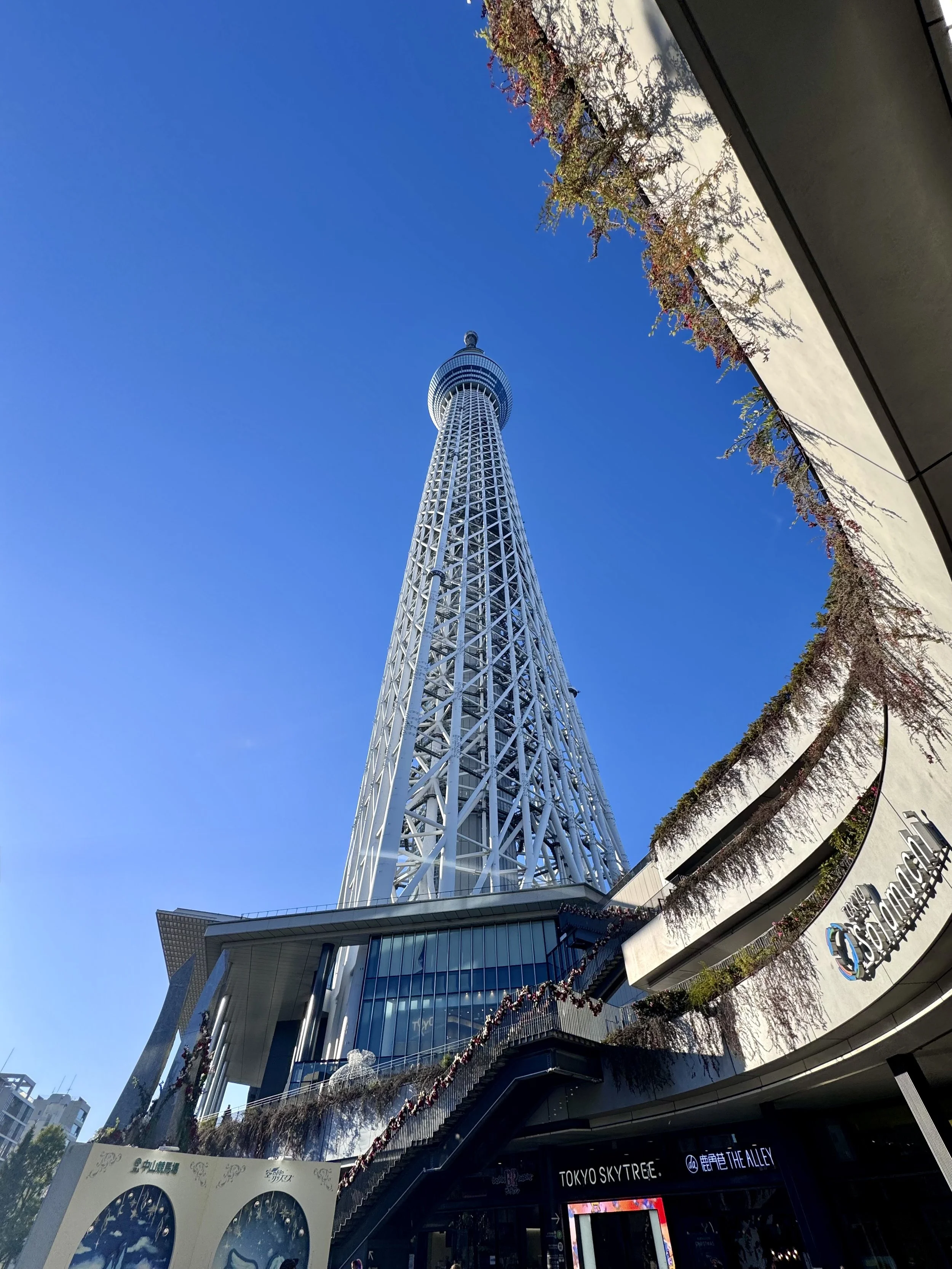
At 634 meters, Tokyo Skytree is the world's tallest freestanding tower
Offering breathtaking 360-degree views of Tokyo
At 634 m tall, it’s the tallest tower in Japan and gives you a sky-high perspective that truly puts the city’s scale into perspective and on a clear day, you even catch Mount Fuji watching over the city.
To enter the Tokyo Skytree observation decks: Tembo Deck + Tembo Galleria (both levels) will cost you around ¥3,400 (£16) for the full experience.
Don’t worry you don’t have to climb the tower to get to the top there is an elevator that takes about 50secs to travel from the 4th-floor entrance to the Tembo Deck at a height of 350 meters. These high-speed elevators, manufactured by Toshiba, operate at a speed of 600 meters per minute. It did freak me out a little travelling up but it’s not too bad.
Tokyo Tower for me was more of taking the image of the tower whereas the Tokyo Skytree (taller) gave me a better experience and that different perspective of the skyline (better for a bigger panoramic image).
The views are mind blowing to just how vast Tokyo actually is.
The image below was taken from the top of the Tokyo Skytree, one of my favourite experiences of my time in Tokyo. Tokyo really does stretches in every direction, the image below is only a tiny slice of one of the largest metropolitan areas on earth.
From up here, it feels like the city never stops… and maybe it doesn’t.
Worth every yen for views like this.
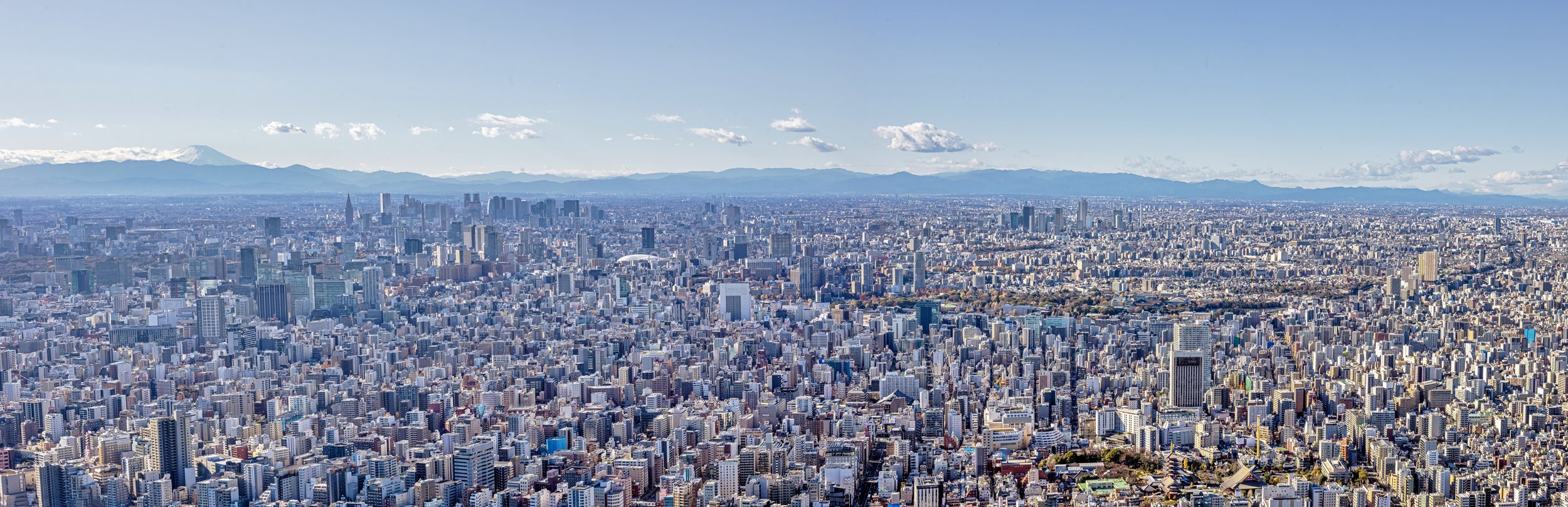
Part of the View from Tokyo Skytree
Sensō-ji Temple
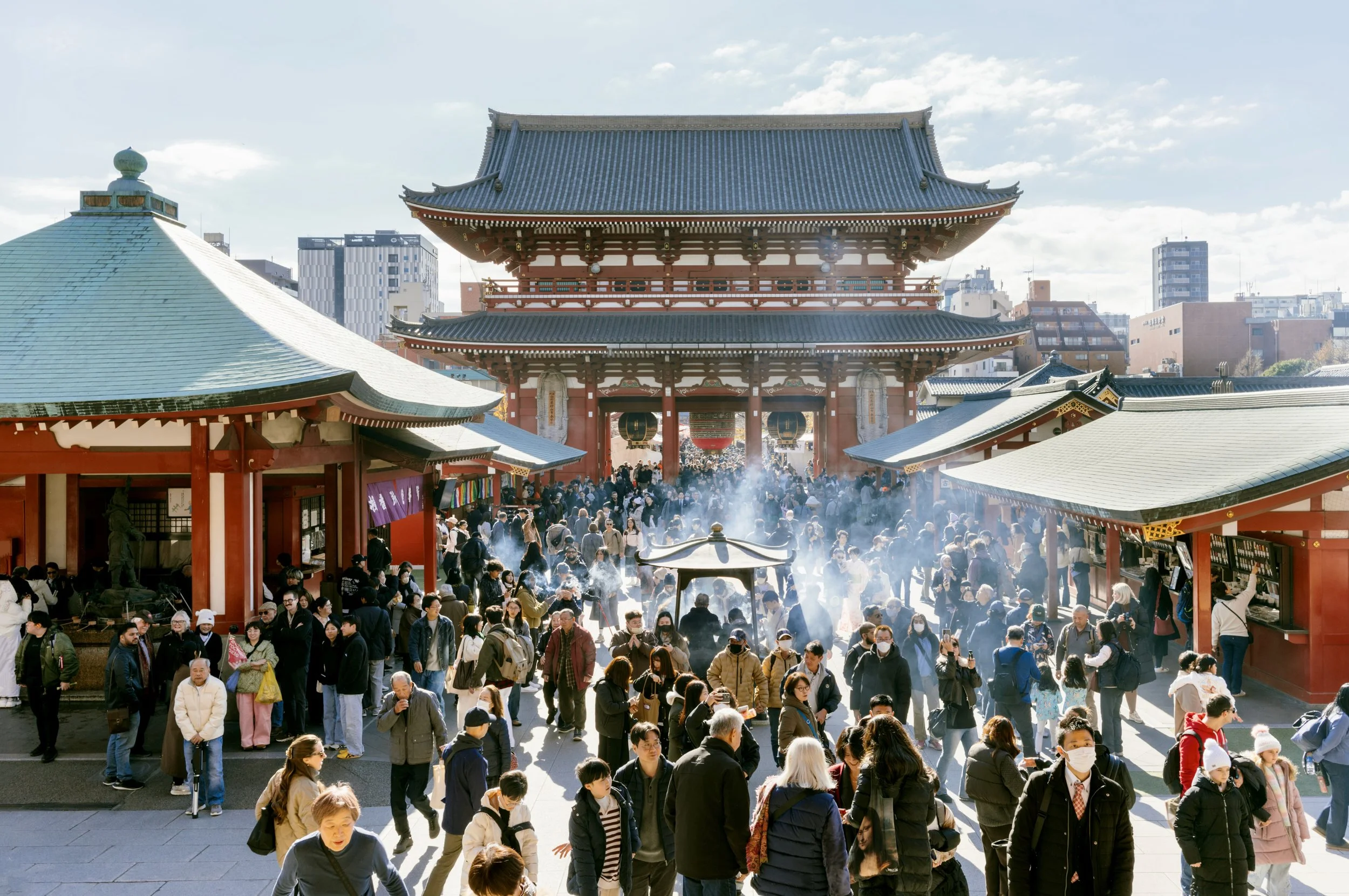
View from The Main Hall at Sensō-ji Temple
The image above is from Sensō-ji in Tokyo, looking out from the main hall, it is very very busy here. The shot I wanted at Sensō-ji was from the Kaminarimon Gate looking down the Nakamise-dori shopping street toward the main hall, with the giant red lantern in the foreground, which is one of the most recognisable images in Tokyo photography.
Getting a clean version of it in daylight is nearly impossible because there are always hundreds of people between you and the hall. I didn't manage it. What I'd tell anyone going with a camera is arrive before 8am. The gate is open and the crowd is a fraction of what it becomes by mid-morning.
On the M11 with the 28mm, that's actually a better frame anyway as the wide angle includes the gate architecture above and the lantern below in one shot without having to step back to much into the street.
The incense burner in the main courtyard is the other image worth spending some more time on. People wafting smoke over themselves in that morning light, the smoke catching against the pagoda behind is the one I came away happiest with.
Visiting the temple didn’t disappoint. Even though this is probably the busiest one in Tokyo (which you can properly tell from the images), it quickly became my favourite. The pagoda here is beautiful and the entire complex is absolutely worth taking the time to explore.
Sensō-ji is Tokyo’s oldest Buddhist temple, founded in 628 AD, long before the city was even called Tokyo. It sits in Asakusa, an area known for holding onto a more traditional side of the city and one where the old and the new exist side by side. According to legend, two fishermen discovered a statue of Kannon, the goddess of mercy, in the Sumida River, and the temple grew from that find.
In the black and white image below, people gather at the jōkōro (常香炉), the large incense burner placed in front of the main hall, to cleanse themselves with incense smoke. As part of the ritual, visitors waft the smoke over their bodies, a practice believed to bring good health and cleanse negative energy. Many guide it toward their head for wisdom, their body for healing, or areas where they feel unwell. It is something that you can do as well you don’t just have to watch the practice.
This space sits just before the main hall and offers a quiet pause before going to the temizuya (which is the water purification pavilion near the entrance), where you symbolically cleanse your hands and mouth before approaching the main hall.
Walking up the steps and entering the hall, you’re met with people quietly praying, coins being offered, and the sound of bells echoing through the space. What I love most here is the symmetry, the incense smoke drifting through the air, and the feeling of centuries old ritual unfolding while modern Tokyo hums just beyond the gates.
One of the best experiences in the temple hall is that off to the side, you’ll see people drawing omikuji which are small slips of paper said to reveal your luck, don’t worry if you have a bad luck revealed as these unlucky ones are tied nearby in the hope of leaving that bad fortune behind.
This was another great experience, despite it is busy, loud, and chaotic at times, but remaining deeply enriching at the same time.
Jōkōro Incense Smoke and Light at Sensō-ji Temple
Sensō-ji Temple Main Hall in Asakusa Tokyo
Samurai/Ninja Museum
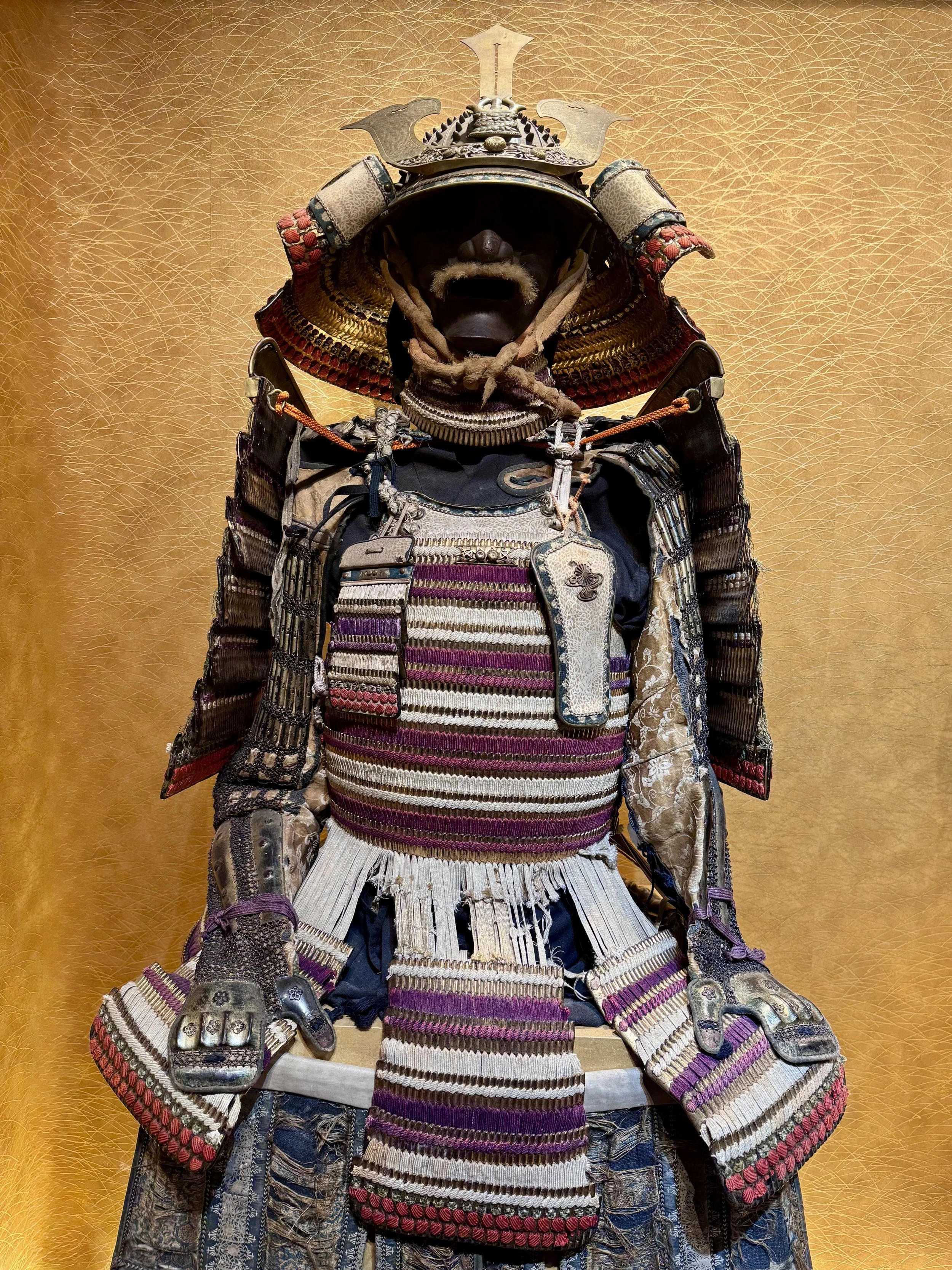
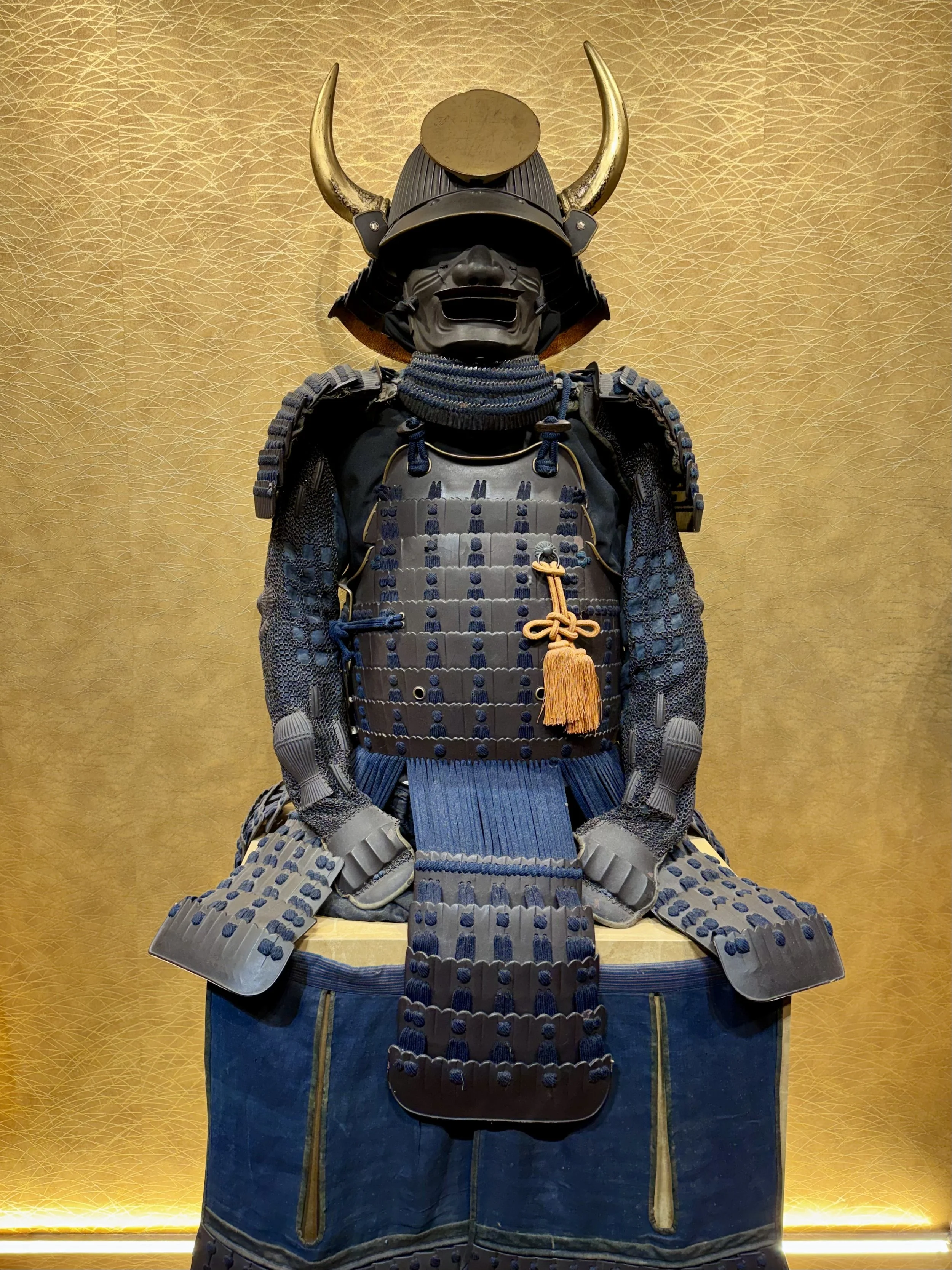
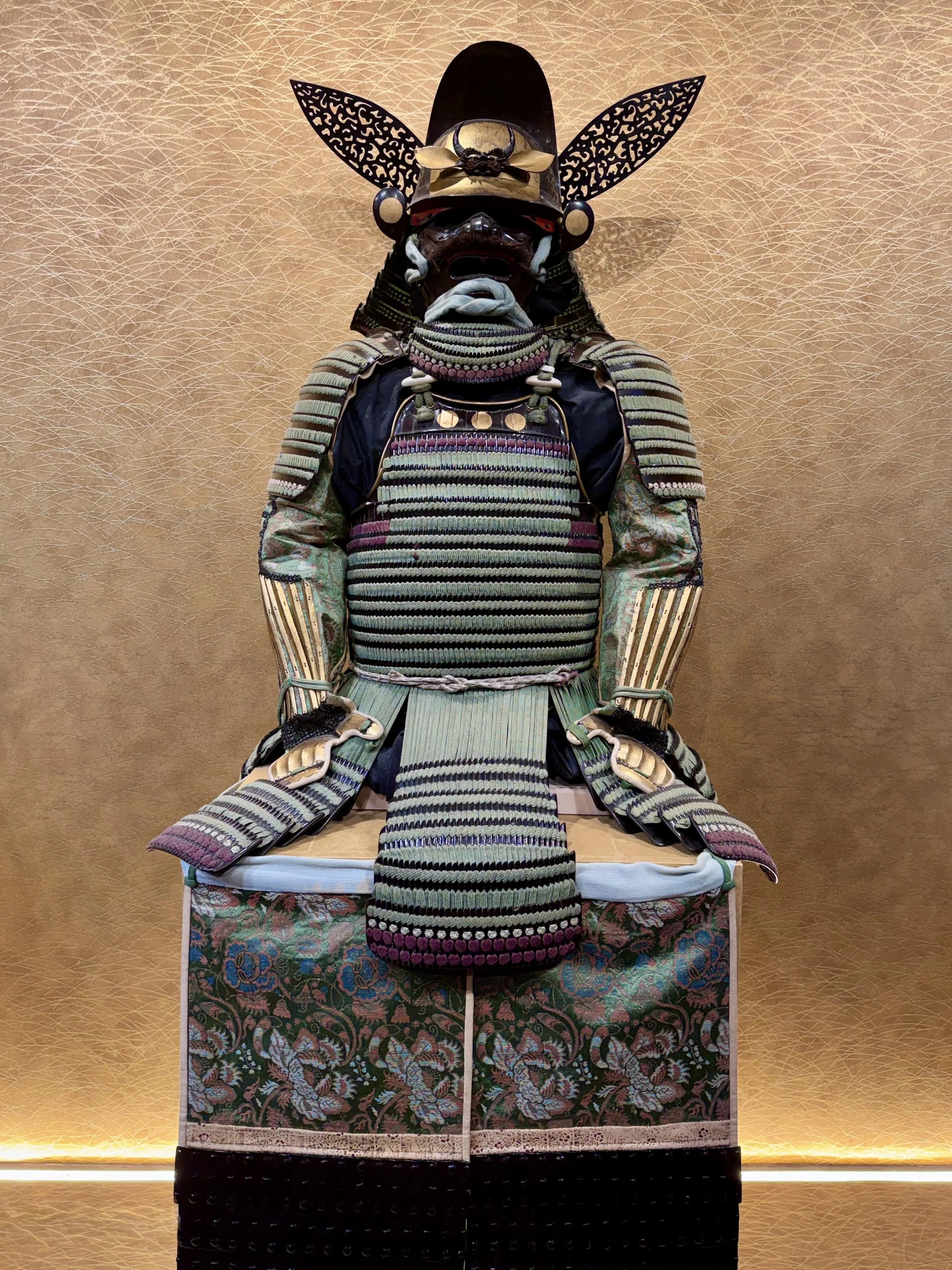
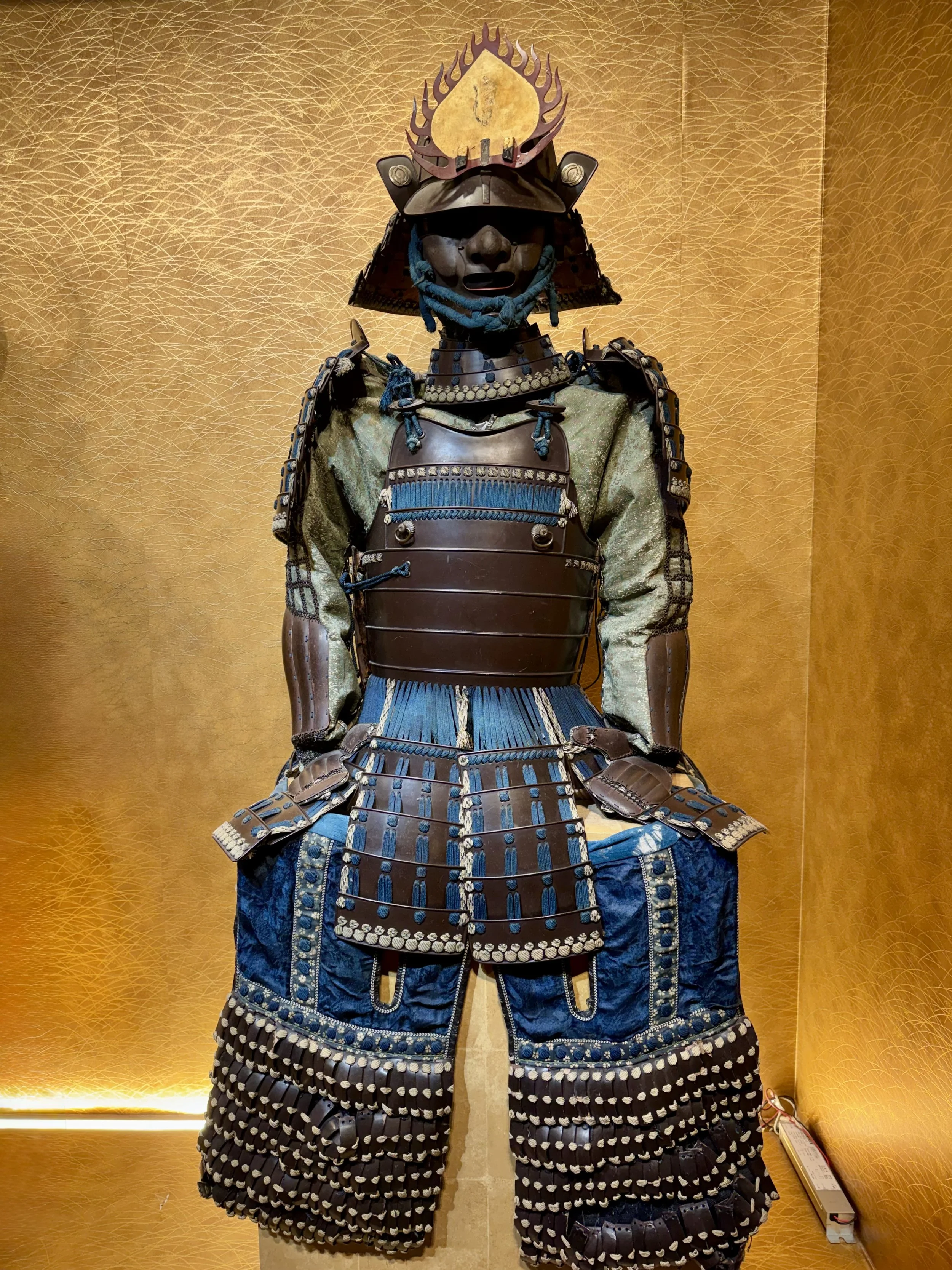
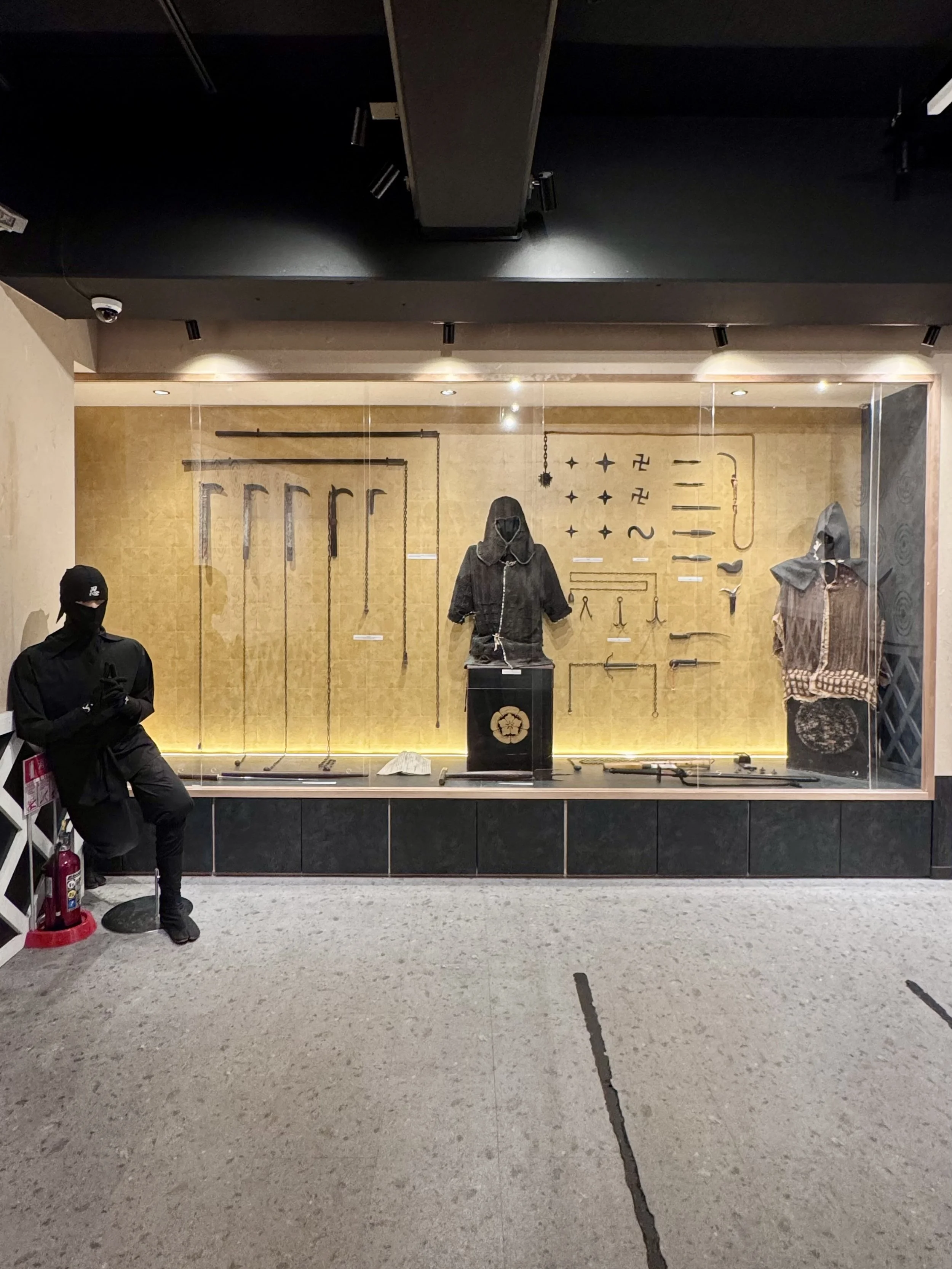
These images are from the @samurai_ninja_museum Tokyo in (Asakusa), and it turned out to be a far more interesting guided tour than I expected, learning all about the history.
Samurai and ninja are often grouped together, but they served very different roles. Samurai were elite warriors bound by honour, loyalty, and the strict code of bushidō, serving feudal lords for centuries. Ninjas were often farmers and worked in the shadows as spies and specialists, relying on stealth, intelligence, and misdirection rather than open combat.
One of the highlights was the sword section, including a blade that is around 730 years old, a powerful reminder that these were not symbols or stories but real weapons passed through generations. The green samurai armour on display is the most valuable in the collection, estimated at around £40,000 from memory, largely due to its exceptional condition, craftsmanship, and intricate detailing that has survived centuries.
Samurai masks were another fascinating detail. The exaggerated expressions and thick moustaches were designed to intimidate opponents, make the wearer appear older and more fearsome, and conceal emotion in battle. Warfare here was psychological as much as physical.
The experience ends with a ninja challenge, and I managed to win the ninja star throwing competition, landing the best shot on the wall target in the final. Not bad for a first attempt and I even got to bring home my ninja star.
A genuinely hands-on way to understand Japan’s warrior past, and well worth a visit if you want history brought to life rather than locked behind glass. Costing ¥3,000- ¥2,700 which is about £14-12. So if you have the kids with you this a great activity to do with the ninja star throwing and dressing up as a ninja or samurai!
So… would you be a ninja or a samurai?
Places in Tokyo I’d Visit Next Time
So there were a number of places I had on my list to visit but with being poorly I had to make the decision to do one thing per day and not do too much. Anyway, these were places on my list that I wanted to try to visit when I was planning the trip before leaving for Japan.
Experiences
Imperial Palace
teamLab Planets TOKYO
The National Art Center
Day trip to Enoshima to see the coast.
Places to Eat
Ramen Kamo to Negi (Unique duck-based ramen (not your usual pork))
Toriki (Casual yakitori chain locals actually use)
Tempura Fukamachi (refined tempura experience)
Coffee Spots
Koffee Mameya
Blue Bottle Coffee Aoyama Cafe
Onibus Coffee Nakameguro
Photo Related Spots
Shibuya Sky
Uonami Fish Bar
Harajuku
Kioi Seido
Tama Art University Library
Reflection of a Mineral, Koenji
St.Mary’s Cathedral
Maihama Station (Tokyo Skyline)
Something else just to add to this would be to wander at night, there is no other city like Tokyo for the most amazing night images with neon lights. I only got to wander on the first night there as it was just too cold at that time for me to tolerate .
Final Thoughts
Tokyo was more than I hoped it would be, even though I was poorly for pretty much the whole trip I still managed to have an experience that would stay with me forever, even experiencing an earthquake!
In Tokyo you will move from the calm, considered feel of Ginza or standing on Hijiribashi Bridge watching the trains cut through the city, to Shibuya Scramble crossing that you can easily lose all sense of direction at. What I liked most is how easy it is to move between all of this, one minute you’re in complete chaos, the next you’ve found a quiet street, a small café, or temple to just a moment to reset.
Tokyo delivers on every level. It’s a city that really rewards just being in it, no matter how you’re experiencing it. There’s so much to take in that it’s easy to feel like you need to do everything, but honestly, you don’t.
If you’re planning a trip, focus on a handful of must-do experiences and give yourself the freedom to move around them depending on how you feel.
Tokyo in 6 Days — How I'd Structure It:
Days 1–2: Ginza base. Hijiri-bashi Bridge in the morning with the 35mm, Tokyo International Forum for architecture in the afternoon, Tokyo Tower at blue hour with the 28mm.
Days 3–4: Sensō-ji before 8am. Samurai & Ninja Museum in Asakusa after. Shibuya Crossing in the afternoon, go to street level first, then Shibuya Sky for scale. Shinjuku at night for the neon lights.
Days 5–6: Tokyo Skytree on a clear morning. Final evening: don't plan it. Just walk with the camera or your phone and follow whatever catches your eye., take a chance and go with the flow, Tokyo at night on a 28mm will give you some amazing frames.
Kit note: The M11 with 28mm handled everything Tokyo threw at it. I would take a 50mm and 35mm too if you have it for that extra reach.
On reflection, it wasn’t until I sat down to write this blog that I realised I actually covered a lot of what I wanted to do. Coming back to the UK, I felt like I hadn’t done enough, but that wasn’t true at all. I think that feeling came more from the shots I had in my head that I didn’t quite get, rather than the experience itself.
If you’re even thinking about Tokyo, take this as your sign to go and experience it for yourself.
Plan the key things you don’t want to miss, but leave space to wander, get lost a little, and be curious to follow whatever catches your eye along the way. That’s where the best moments tend to happen, and if you do make the trip, take your time with it, trust your own pace, and don’t forget to enjoy it beyond the lens of your camera or phone.
You can dive into my other travel guides from my Japan Trip covering Hiroshima, Osaka, Kyoto and Things to Know Before Travelling to Japan.