Eight Things to Know Before Travelling to Japan

Namba Yasaka Jinja in Osaka
If you’re heading to Japan for the first time, this is what you should know before you go
Japan is one of the best countries I’ve ever travelled to, it is very safe, efficient, and beautifully ordered, but it runs on its own logic which can lead to being overwhelmed if you arrive underprepared, especially if travelling solo.
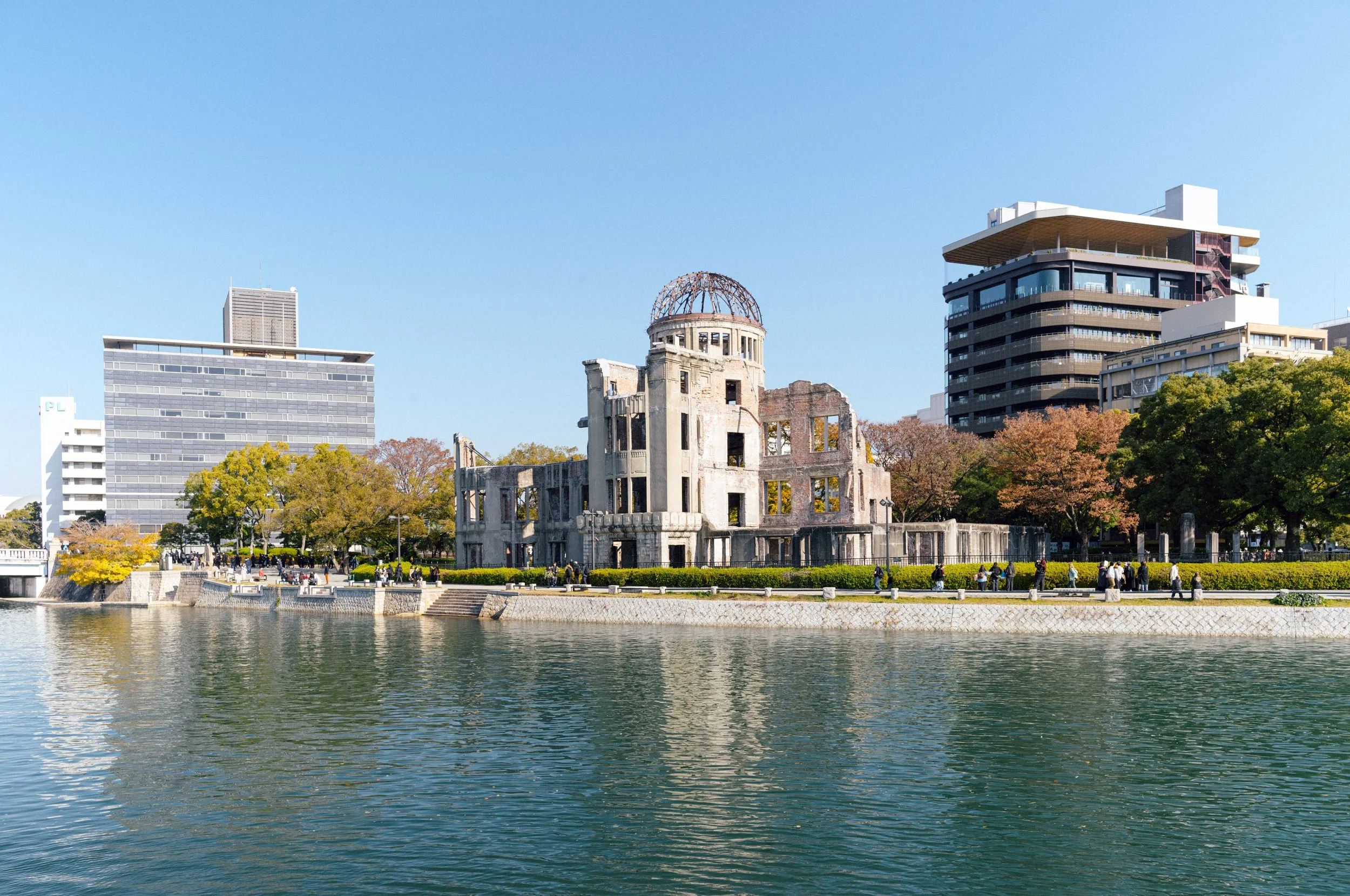
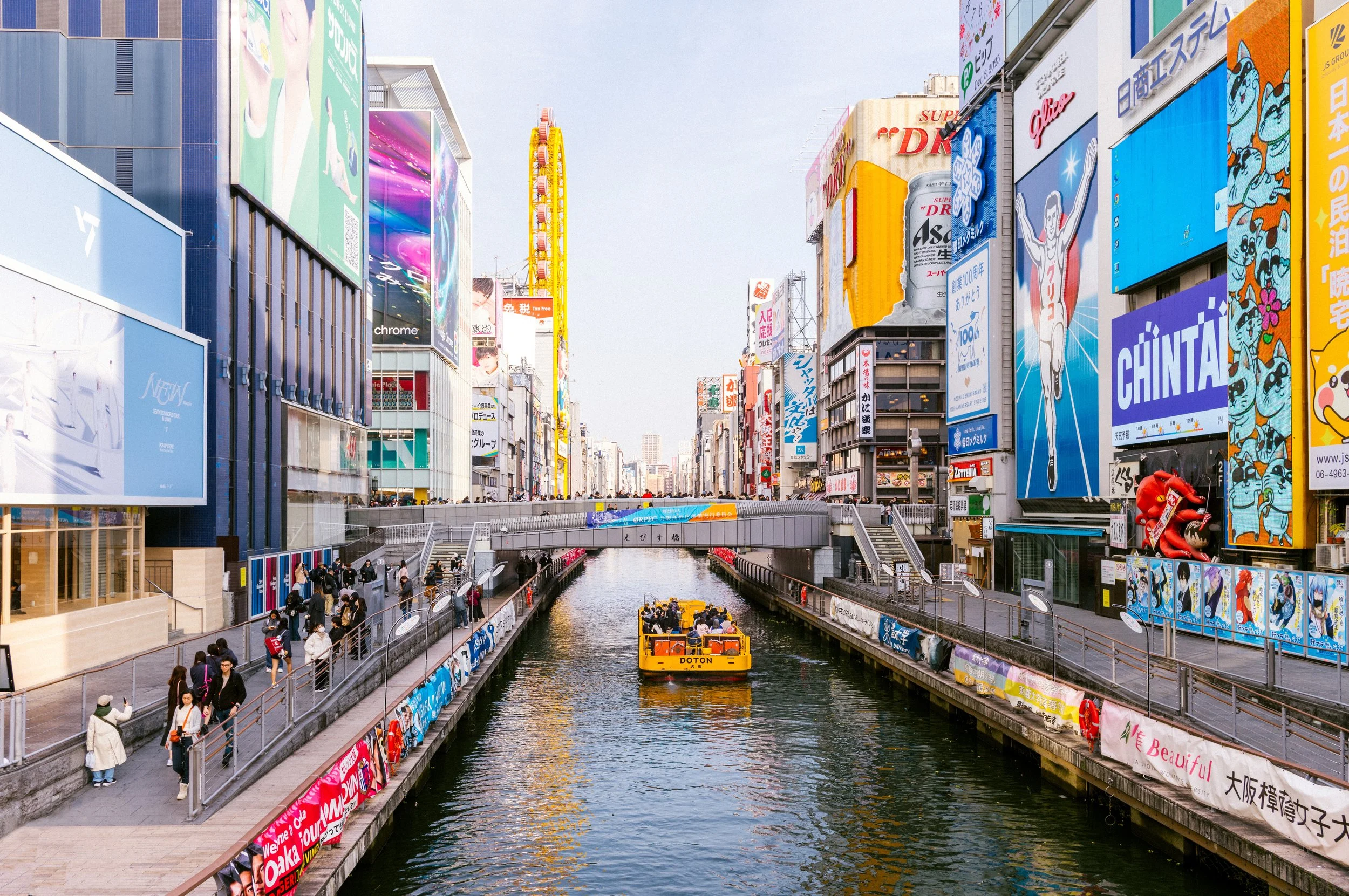
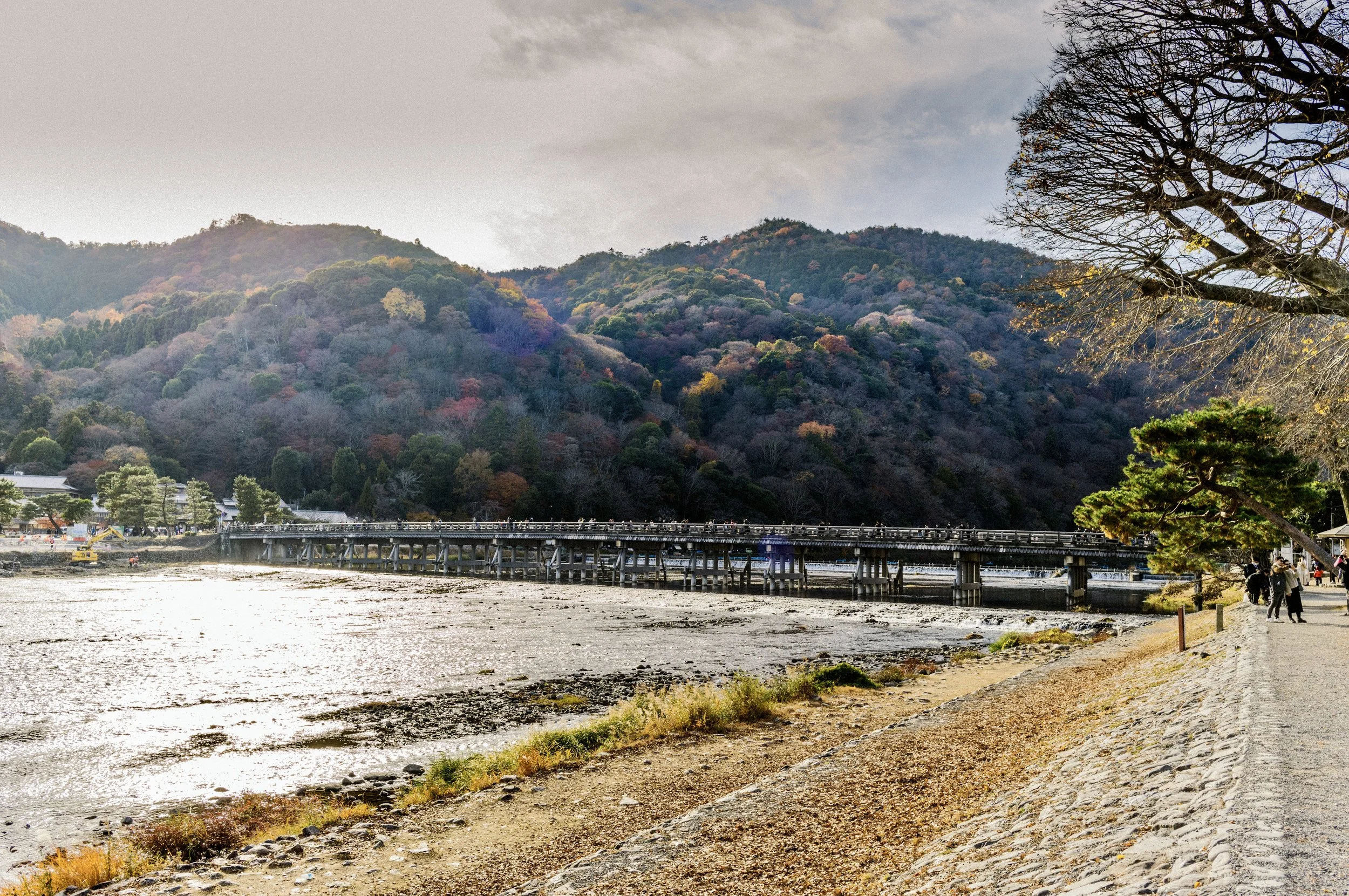
Think carefully about your itinerary, as travel fatigue builds quickly. I landed in Tokyo and went straight onto a 4.5 hour bullet train to Hiroshima, then moved through Osaka, Kyoto, and Tokyo, which felt exhausting and set a tired tone early on.
In hindsight, slowing down would have helped. Staying in Tokyo for a few nights first, adding recovery time or a Mount Fuji day trip, then continuing west at a steadier pace makes more sense, and flying into Tokyo and out of Osaka can also be cheaper and avoids backtracking.
A bit of forward planning removes overwhelm and lets you focus on what actually matters: exploring, eating well, and soaking it all in.
The Short Read
Prepare for the Long Flight
Stay hydrated, move often, and pack a small under seat survival kit to arrive feeling better.Don’t Overpack
Travel light, use luggage transfer, pack merino layers in winter, and bring good walking trainers.Use the Visit Japan Website
Generate and save QR codes before flying to breeze through immigration and customs.Use an e SIM
Set it up before departure and activate once landed for instant data for maps, trains, and bookings.Carry Cash (Especially Coins)
Cards are common, but yen is still needed for vending machines, shrines, and small local spots.Get a Suica Card
Tap and go on trains, buses, and even vending machines, easiest when added to your phone.Bring a Travel Adapter and Power Bank
Different plugs and heavy phone use make both essential.Download Key Apps Before Arrival
Klook, Google Maps, Travel Japan Phrase, Ramen Beast, GetYourGuide, ChargeSPOT, Tabelog, GO Taxi, Flush.
Prepare for the Long Flight (Your Body Will Thank You)
A 13.5 hour flight from London can quietly shape how the first few days in Japan feel. On this trip, I underestimated how drying the cabin environment would be and ended up feeling unwell soon after landing, which affected the whole experience. With cabin humidity as low as 10–20%, plus air-conditioning, limited movement, and awkward sleep, it’s easy for your airways to become irritated and congested.
A few small habits make a big difference.
Drink water little and often, limit alcohol and caffeine, and use a saline nasal spray before and during the flight. Wearing a face mask can help trap moisture I’ve read, while lozenges and warm drinks soothe your throat. Getting up to stretch, avoiding cold air vents, and keeping warm layers handy all help, especially when arriving in winter.
Next time on a long haul flight, I’m going to pack a small under-seat flight kit with masks, nasal spray, eye mask, earplugs, a neck pillow, and basic toiletries to ensure that I’m fresh and ready as possible upon arrival.
Don’t Overpack Japan Is Built for Light Travel
Overpacking in Japan quickly becomes a daily hassle. I travelled with just a The North Face Recon backpack and a Rolling Thunder 19” travel case, both carry-on, which made moving around far easier. Hotels and Airbnbs are also very accommodating with luggage storage, so you don’t need to carry everything while exploring.
Japan also has an excellent luggage transfer system called Takuhaibin (宅配便). Providers like Yamato Transport (Kuroneko Yamato) allow you to send bags ahead for next-day delivery, easily arranged through hotel front desks, major convenience stores such as 7-Eleven and FamilyMart, or at airports.
However, I still packed items I never used, space which I could have used for items I wanted to buy and bring home. If you are travelling over December and January take some merino wool thermals as they are quick drying and will help keep you warm in the colder weather.
I found where I stayed that laundry facilities are common, convenience stores and shops sell everything you might forget.
Just make sure that you take a good pair of walking trainers as you will walk a lot. Japan’s public transport is efficient, but stations are enormous and cities reward exploring on foot!
Use the Visit Japan Website for Fast Airport Entry
Before flying, complete your details on the official Visit Japan website to generate QR codes for immigration and customs. This speeds up arrival significantly and avoids paper forms after a long flight.
Save the screenshots of the QR codes offline just in case but you’ll breeze through while others queue.
E-SIMs Make Travel Effortless
Reliable data is non-negotiable in Japan. I used a 5G e-SIM from Klook and it worked flawlessly across cities and rural areas, giving me unlimited data per day, but never went over 10gb as I hooked into wifi where I could.
Set it up before flying, activate on arrival (Haneda Airport has free wifi) and you’re instantly connected.Maps, train platforms, translations, bookings and Instagram, in fact everything relies on having good signal.
Unlimited data per day for 12 days cost me £27.55, but you can either select data in total or over 1 day to 30 days.
There is a simple step by step guide to activate your new e-SIM on the link above when you buy the service.
Cash Is Still King So Carry Yen (especially Coins)
Japan is modern but still very cash friendly. Vending machines, small local restaurants, shrines, lockers, and some transport systems rely on cash, especially coins.
So I went with £150 worth of yen which was about ¥31,000 in notes, but vending machines normally have a note changer from the ones that I used. Also when paying for train tickets you get the change. I had a small coin pouch that held cards, notes, coins and tickets that zipped up and had a cord that allowed me to attached this to my trousers (not that I was ever worried about it being stolen).
ATMs are easy to find (7-Eleven is very reliable, plus you can get those frozen smoothies), but always carry yen with you. It keeps things smooth and avoids awkward moments if you have been wandering around cities and towns.
I used cash mostly in Kyoto, whilst I used card in Hiroshima, Osaka and Tokyo (bar buying two item).
Suica Card
A Suica card is in all honesty a convenient "tap-and-go" card that eliminates the need for paper tickets, with fares automatically deducted from the prepaid balance. So is a very good and easy way to go contactless in Japan as it’s particularly good if you are traveling on trains, subways, buses, and even using vending machines.
You can get a physical card but I had mine on my iPhone for ease of use. Watch the video below to understand how to get it on your phone.
Sort Power Adapters and Banks Before You Fly
Japan uses a different plug type to the UK and I did read that hotels/Airbnb sockets can be limited, but this wasn’t the case from my experience.
Depending on what you are taking with you will dictate what you need but I wanted to travel light with gear so the Beva Travel Adapter (less than £20) meant I had a pull out USB C lead to charge for my camera (saving a plug, lead and dock), USB C port for my Apple Watch lead and then I had a USB lead to USB C for my phone and powerbank.
I since bought a European version and UK version of the Beva Travel adapter as I’ve been so impressed with how compact and useful it is, solving a lot of small daily annoyances.
Powerbanks are a must, trust me you do not want to get caught out without battery power for phones or cameras, and whilst power banks can be rented via ChargeSPOT, if you’re in the middle of nowhere and need your best friend google maps, you are stuck.
I brought myself the UGREEN Nexode Power Bank with Built-in Cable 20000mAh 45W In & Out Fast Charging 3-Way Output Portable Charger (bit of a mouth full). I loved it as it gave my phone pretty much three charges my camera two after a full charge. The digital display on the front to show the charge amount is very useful, the usb c lead means I didn’t have to carry additional leads and it acts as a loop to carry! It’s flat and fits in my camera bag easy.
Only problem I had with this charger was I left it on the plane when getting off and despite reporting it to lost and found it’s now lost forever, sadly.
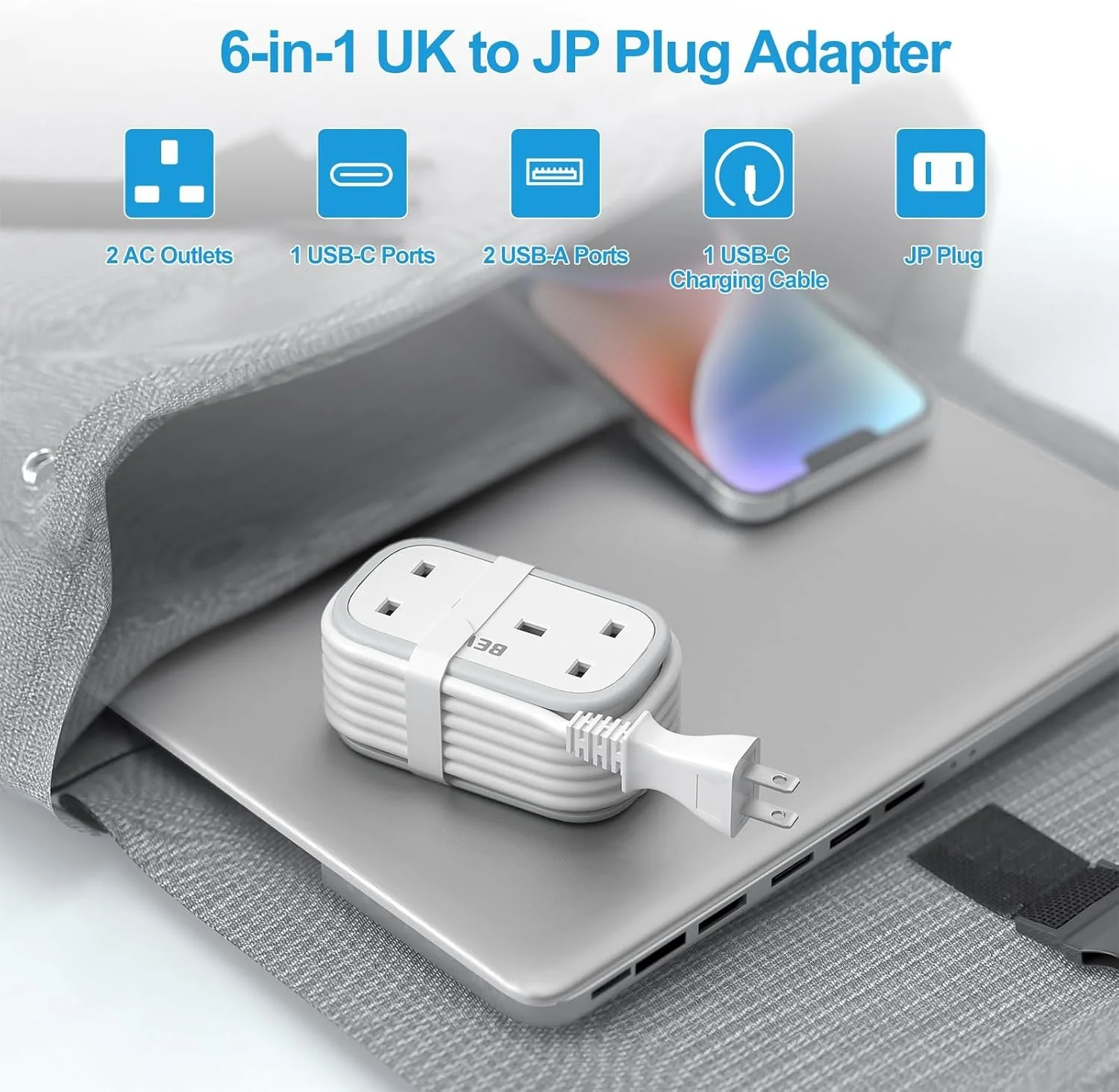
Beva Travel Adapter
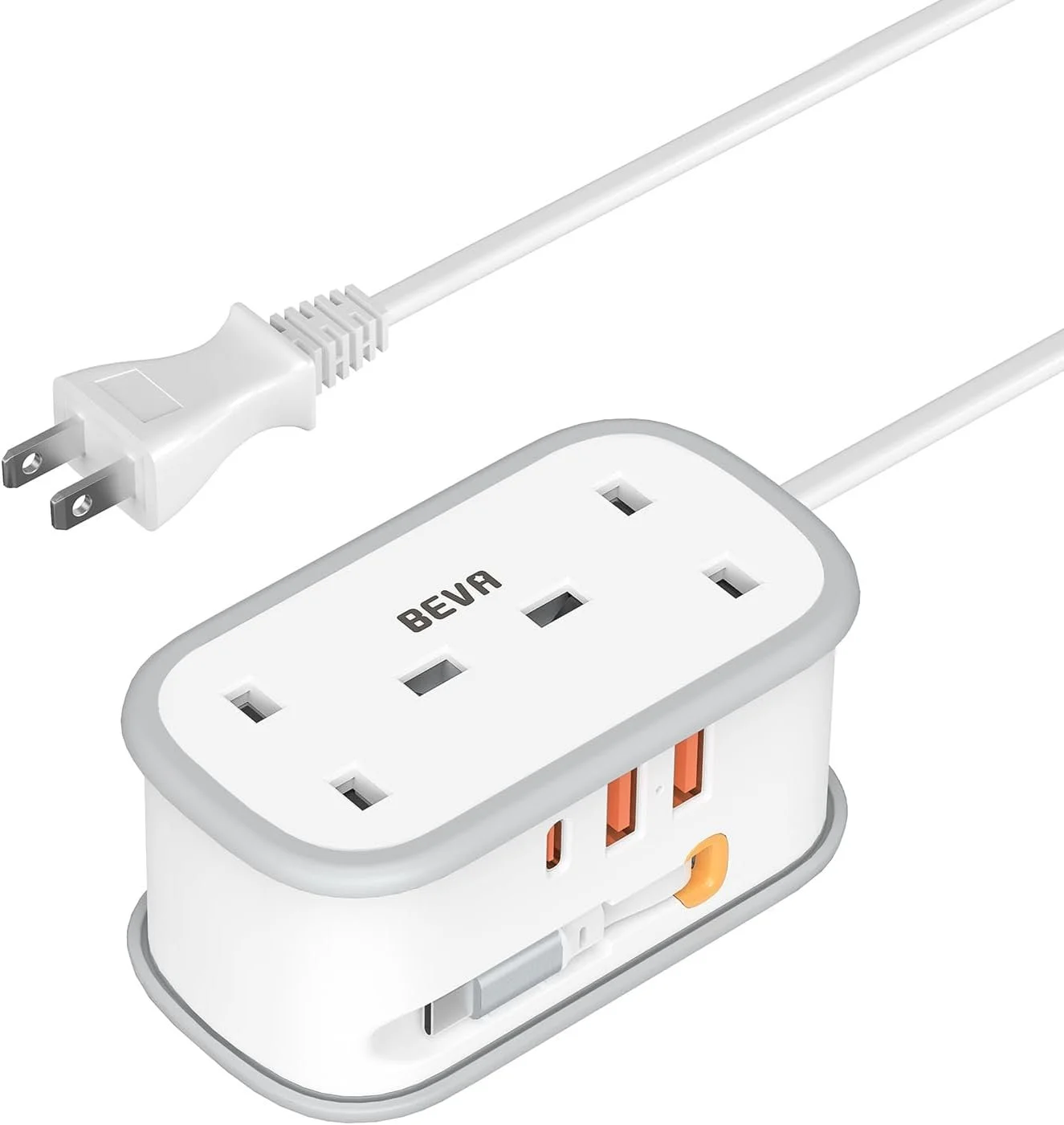
Beva Travel Adapter
Essential Apps to Download Before Arrival
Klook – You can buy transport tickets, attractions and tour tickets and E-sims on this app.
Google Maps – unbeatable for routes, platforms, exits, and walking (this will be your best friend).
Travel Japan Phrase – excellent for learning key phrases that will get you further ahead (free too!).
Ramen Beast – fastest way to find great ramen spots.
GetYourGuide – structured tours and entry tickets if you want more choice than Klook.
ChargeSPOT – rent power banks when your phone dies, essential if you have no power bank.
Tabelog – Don’t trust google reviews, this is Japan’s trusted restaurant review platform.
GO Taxi – more reliable than Uber in most cities.
Flush – knowing toilet buttons matters more than you think and where they are.
(I’ve linked the apps for iPhone at the top of the page in the short read)

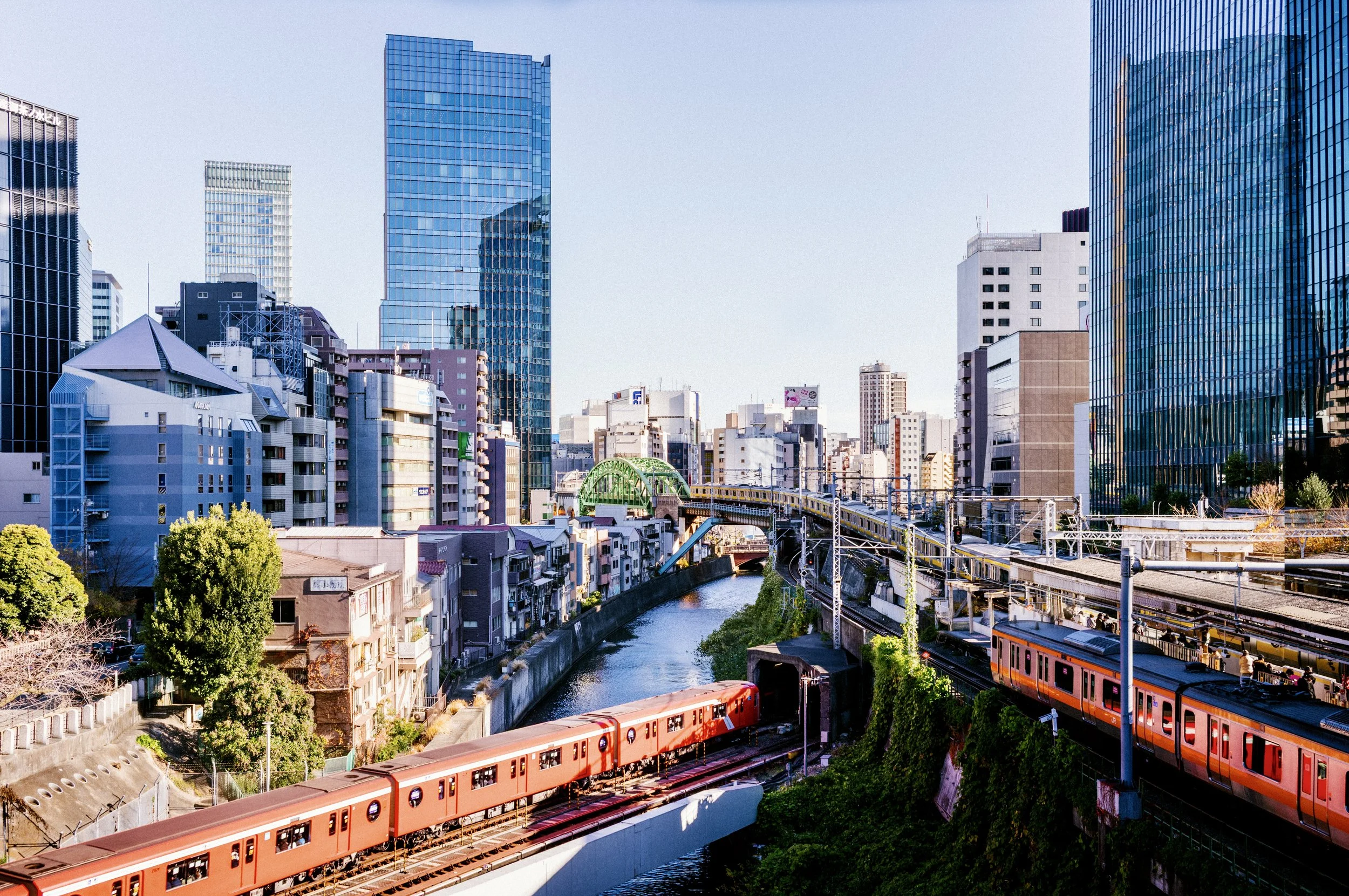
Tokyo city view from the Tokyo Sky Tree
Final Thoughts
Japan ended up being one of the most rewarding countries I’ve ever travelled through, not because it tries to impress you loudly, but because everything works quietly when you meet it halfway. The transport, the food, the order and respect, the small moments of care and precision all shine once you’re not rushing or fighting the system.
The biggest lesson for me was pacing, especially since I was poorly. Japan rewards curiosity and attention to detail, and that’s hard to maintain if you arrive exhausted or try to do too much too quickly. Slowing down, planning smartly, and travelling lighter would have elevated the experience even further.
A little preparation goes a long way here. Sort the practicalities before you go, respect how things are done, and you’re free to enjoy what really matters: wandering without pressure, eating incredibly well, and letting the country reveal itself at its own pace.
Just a word on Cultural Awareness to Make Everything Smoother
So you may see all of this on social media posts too but Japan really isn’t that strict but just be aware and how others are acting in the environment as none of the below is difficult.
Quiet is valued on trains and in public spaces.
Queues matter so follow them even if they seem unnecessary.
Bins are rare so have a bag to carry your rubbish with you but I found bins are at train stations.
Don’t walk and eat/drink, you will see people just eat outside of 7-Elevens/Lawsons etc.
Don’t cross the crossing without the green light being on.
Just be aware that tattoos can be restricted in some onsens and gyms, so check beforehand.
Planning a trip to Japan or just back from one? I’d love to hear what surprised you most or what you wish you’d known before you went.
Drop a comment or message and let’s compare notes.
You can dive into my other travel guides from my Japan Trip covering Tokyo, Hiroshima, Kyoto, Osaka and Things to Know Before Travelling to Japan.