Kyoto, Japan: Best Things to Do in Gion, Arashiyama, Fushimi Inari and Nara
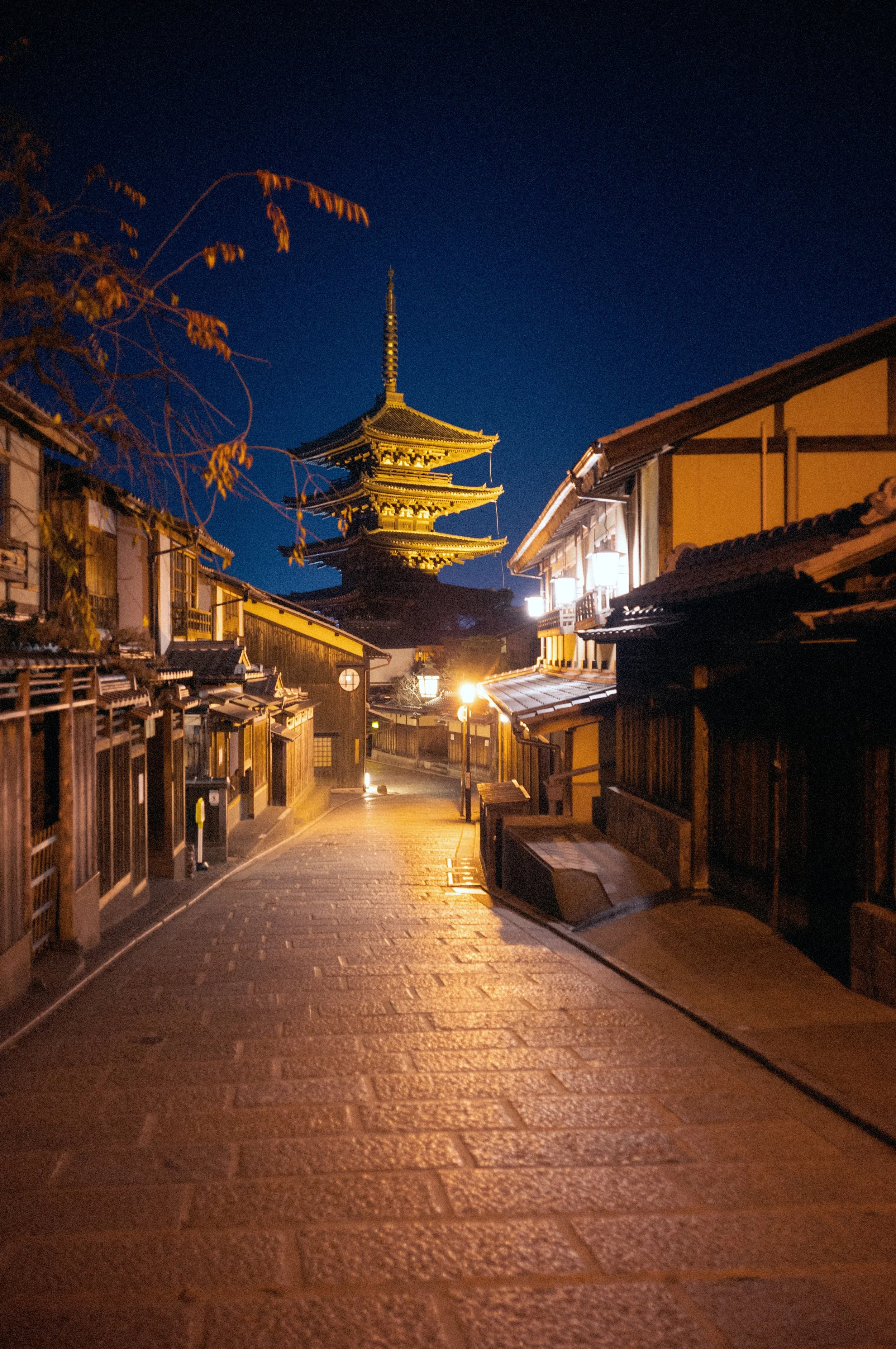
Yasaka Pagoda at Night
Planning a trip to Kyoto, Japan, but not sure what’s actually worth your time? In this guide I share the places I managed to see during a short visit, from the historic streets of Gion and Higashiyama to the famous torii gates of Fushimi Inari, the peaceful landscapes of Arashiyama, and a quick day trip to Nara Park to see its sacred deer.
Kyoto doesn't announce itself the way Tokyo does. It lets you arrive, and then it slowly shows you what it's been holding onto. I had the M11 and the 28mm with me and spent the first hour in Gion just walking before I raised the camera at all.
Kyoto felt completely different to the energy of Osaka when I arrived. Quieter, more traditional, and full of moments where it genuinely feels like you’ve stepped back in time. Walk a few streets through Gion and you’ll find wooden townhouses, lantern-lit alleys, and temples that have stood here for centuries. Then head out towards Arashiyama or Fushimi Inari Taisha and you’ll see how the city blends nature and history in a way that feels uniquely Japanese.
In this Kyoto travel guide I’ll share where I stayed, the tours I joined, the main places I explored and what I thought about them, and a few locations I wish I’d had more time to visit.
If you’re planning a trip to Kyoto or trying to work out how many days to spend here (at least three days), this should give you a solid starting point.
The Short Read
Where I stayed: I stayed two nights at Hotel Bell Kyoto (£129.32), a quiet, clean, and stylish hotel near Kyoto Station that I’d happily recommend.
Evening Walk in Gion & Higashiyama: I joined a £19 Gion walking tour through Maruyama Park and the historic streets of Higashiyama to Yasaka Pagoda, learning about Geiko and Maiko culture while exploring one of Kyoto’s most beautifully preserved districts.
Nara Park: A short trip to Nara Park, where hundreds of sacred deer roam freely, bow for crackers, and wander between temples including Tōdai-ji, home to the Great Buddha.
Arashiyama & Bamboo Forest: At Arashiyama I stopped at Togetsukyo Bridge, watched cranes fishing in the Katsura River, and walked through the famous Arashiyama Bamboo Forest, a beautiful but very busy spot best visited early.
Fushimi Inari Taisha: One of Kyoto’s most iconic sights, walking through the endless tunnels of torii gates at Fushimi Inari, a location made famous worldwide by films like Memoirs of a Geisha.
Other places worth visiting in Kyoto: Entokuin Temple, Tenryu-ji Temple, Saiho-ji (Moss Temple), Genkō-an Temple, Kennin-ji Temple, Jizō-in (Bamboo Temple), Matsuo Taisha, Uji, and the coastal village of Ine.
Final Thoughts: Kyoto felt exactly how I imagined it, historic streets, wooden houses, quiet temples, and moments where it truly feels like stepping back in time. From Gion and Higashiyama to Arashiyama and the torii gates of Fushimi Inari, it left a lasting impression and is somewhere I’d love to return to during cherry blossom season.
Would I go back: 100% and for longer.
Overall Experience: ⭐⭐⭐⭐⭐
Where I Stayed in Kyoto
I stayed at Hotel Bell Kyoto located in Tomita-cho, Shimogyo-ku, Kyoto, for two nights which cost me £129.32.
The hotel is conveniently located near Kyoto Station, an Uber from the station cost just ¥1200 (around £5.70).
Hotel Bell Kyoto was a fantastic place to stay, combining a playful yet stylish theme with a calm, sophisticated light-grey concrete design. I genuinely loved my time here and would 100% recommend it to others for booking. I felt very safe, comfortable, and everything was impeccably clean and beautifully presented.
I had two good night’s sleep here as it’s very quiet, and the free in-room WiFi worked perfectly throughout. The staff were incredibly kind, polite, and helpful, with thoughtful touches like complimentary coffee only added to the experience.
Highly recommend.
Best Things to Do in Kyoto
Evening Walk in Higashiyama and Gion
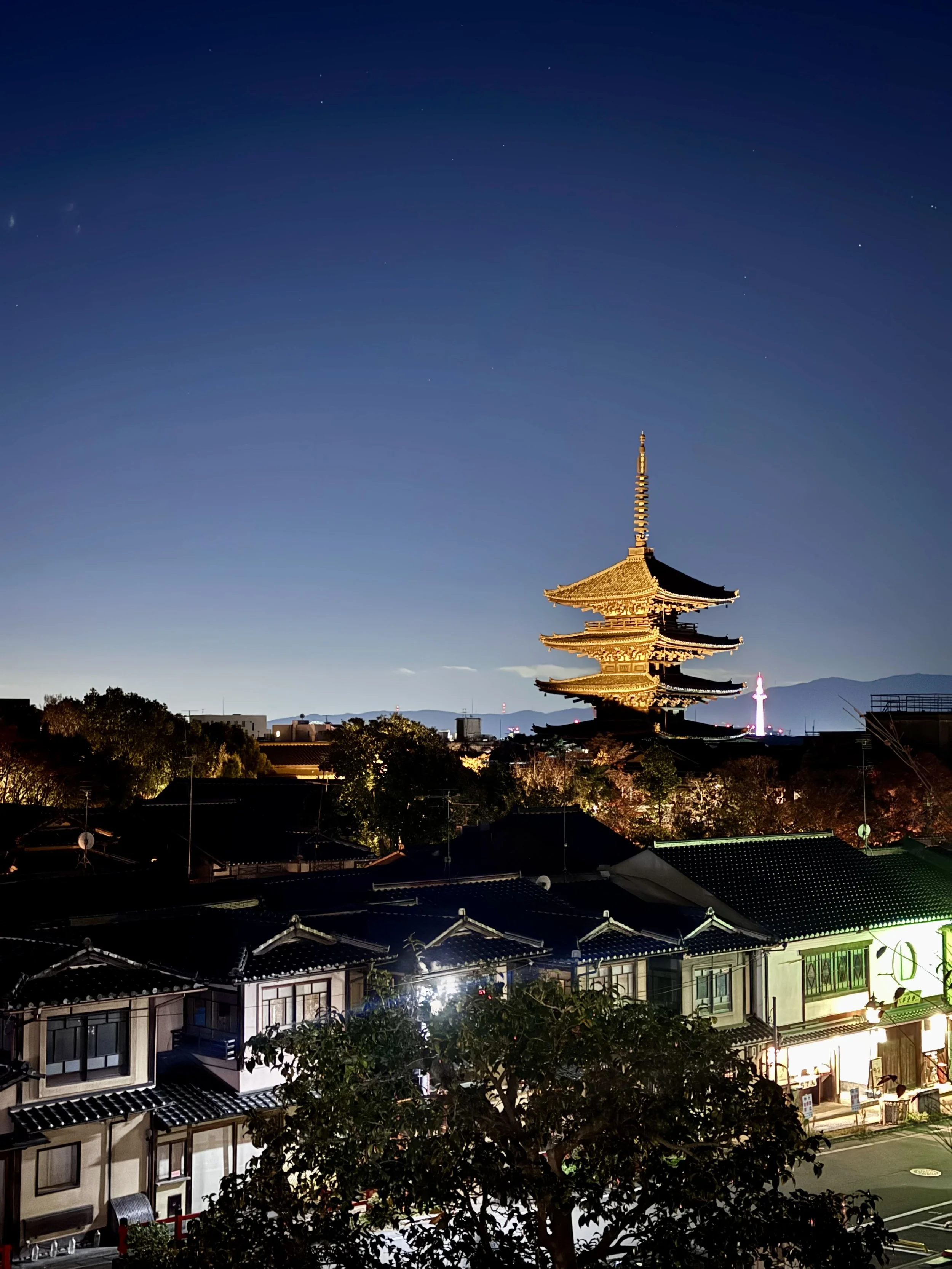
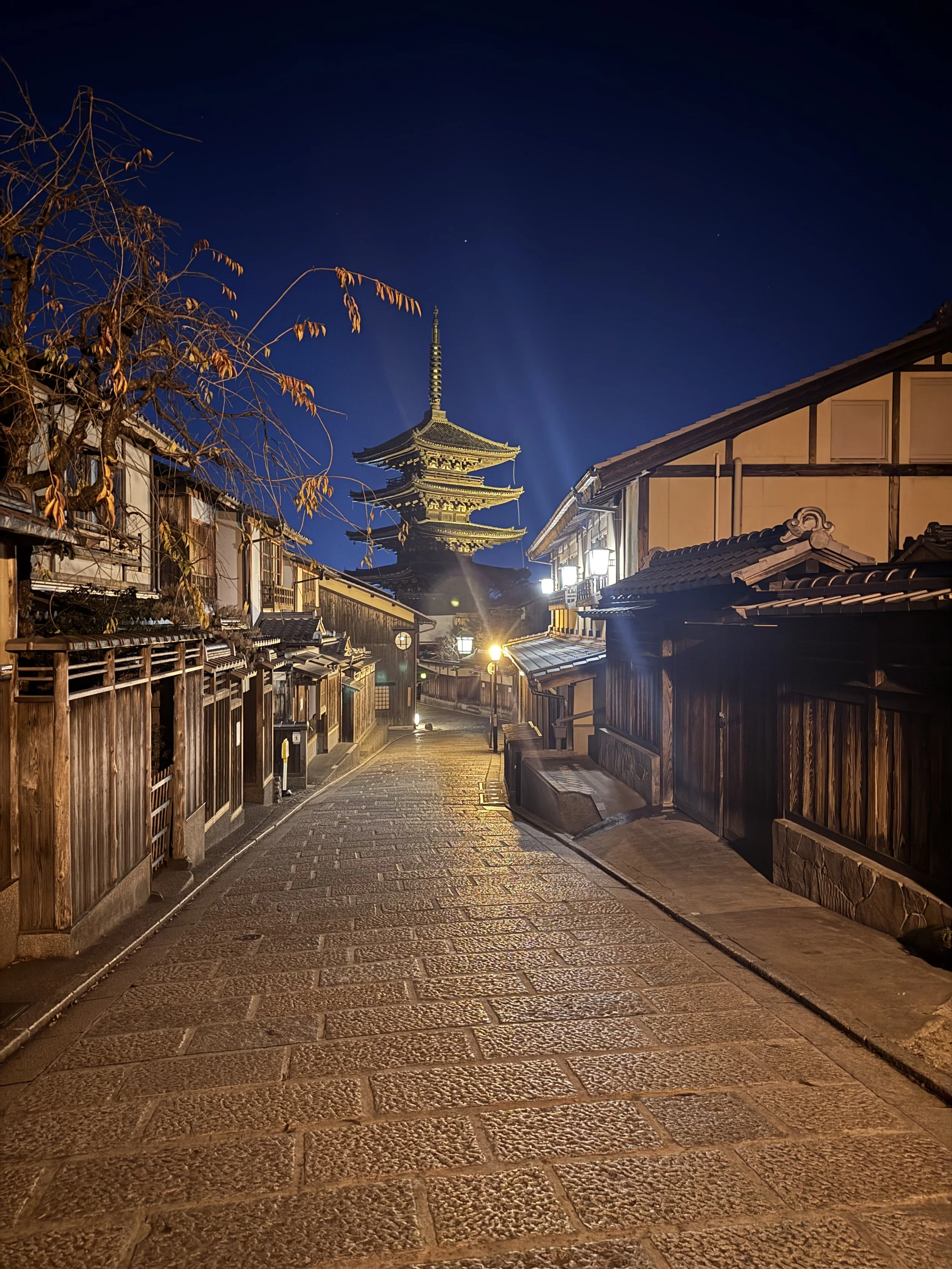
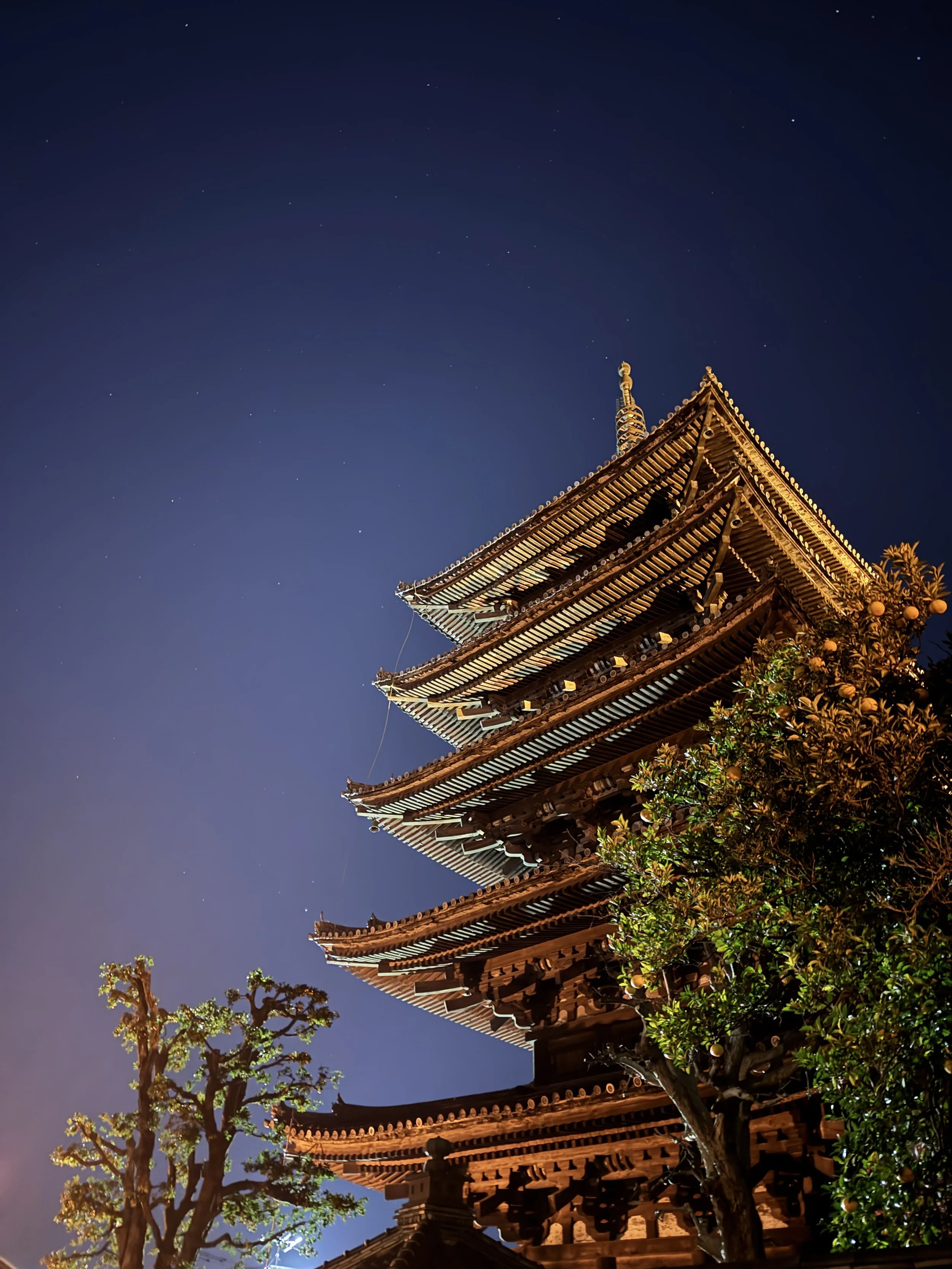
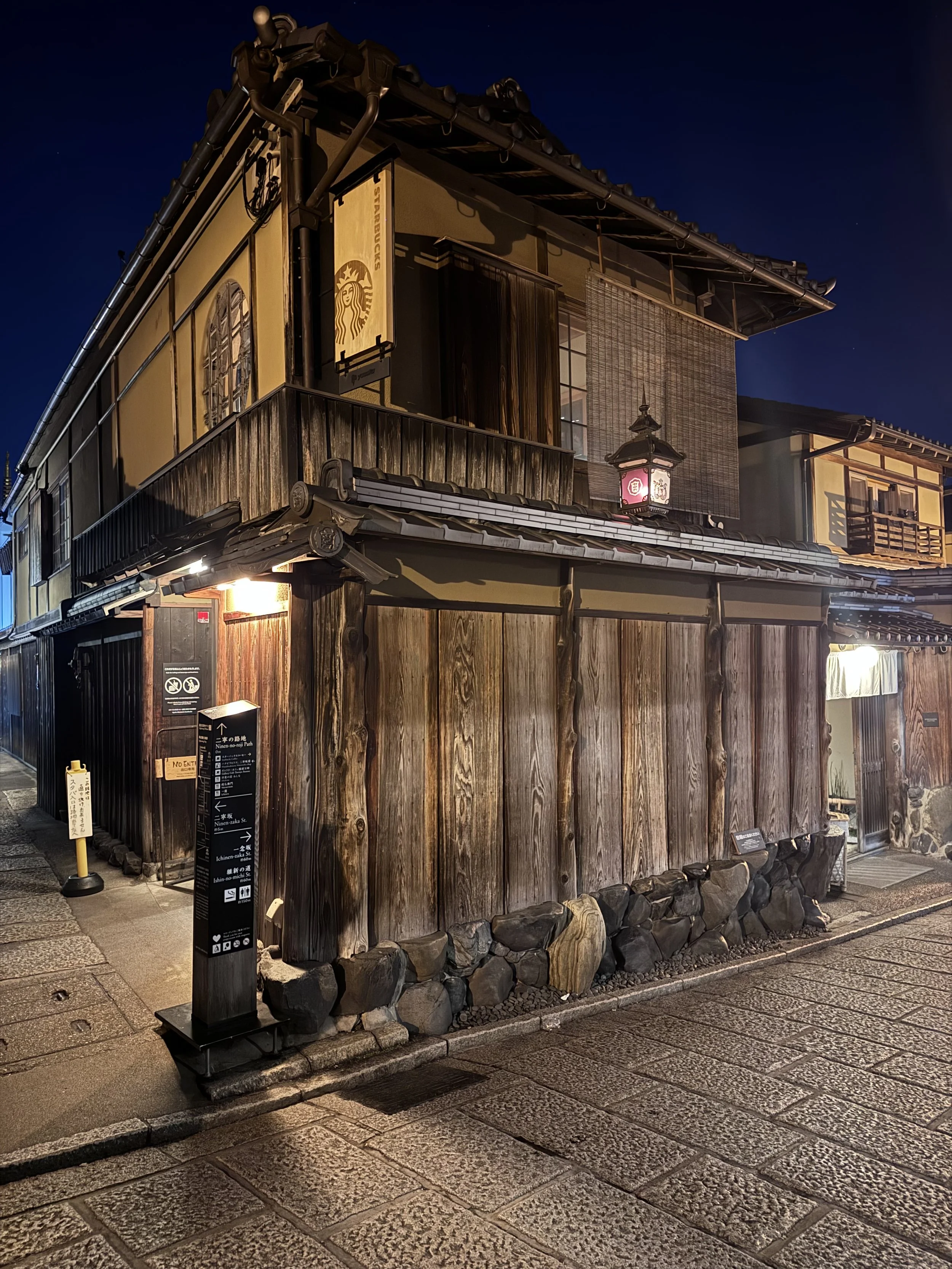
One of the highlights of my time in Kyoto was joining a walking tour through the historic Gion district, exploring the quieter streets and hidden corners you’d almost certainly miss on your own, so would recommend doing as it was on only £19 from Get Your Guide.
The tour started outside Hotel Alza Kyoto, before we headed to Yamato-bashi Bridge and wandered onto Shirakawasuji, a beautiful canal-side street where a narrow stream runs alongside preserved wooden homes that have been carefully transformed into small restaurants and traditional tea houses. This is a spot that apparently appears very briefly in Memoirs of a Geisha. Walking through this part of Kyoto started to feel like I was time travelling into the past, with lantern-lined alleys and classic machiya townhouses that still preserve the atmosphere of Kyoto’s historic geisha quarter.
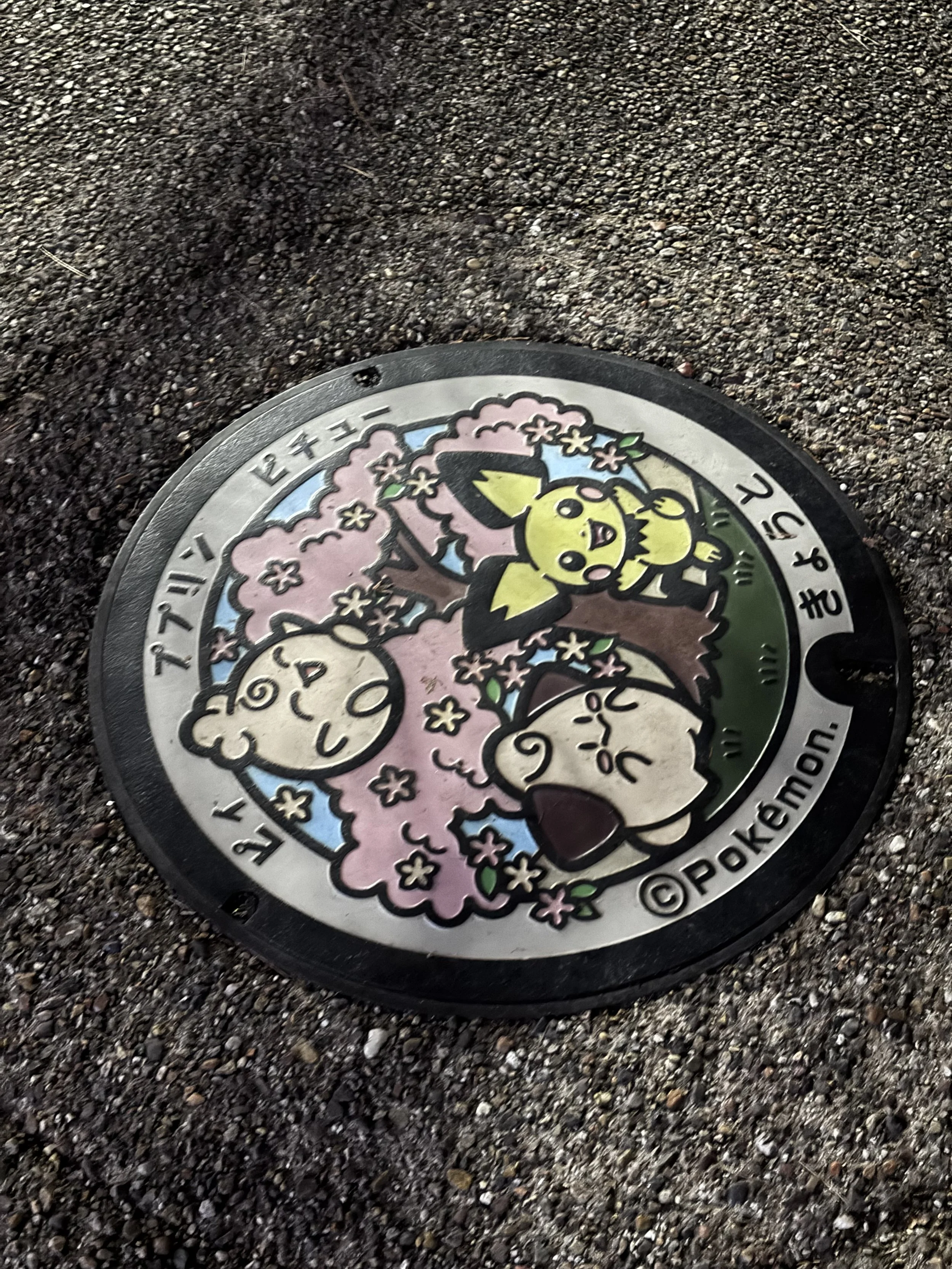
From there we continued on towards Maruyama Park, where the guide shared stories about the traditions of Geiko and Maiko and how the centuries-old culture of Gion still quietly exists today. In the park stands the famous Weeping Cherry of Gion, an iconic tree that becomes the centrepiece during cherry blossom season. If you’re into quirky travel details like I am, there’s also a Pokémon manhole cover nearby, and the famous cherry tree actually appears in the design (see the image above).
The pace of the tour was relaxed with plenty of time for photos and questions, and the guide pointed out a few great food spots along the way too. If you’re lucky enough to visit Kyoto between 21 March and 2 April, when the blossoms reach their peak bloom (mankai), both Maruyama Park and Shirakawasuji at Yamato-bashi Bridge would be incredible places to see the city at its most colourful.
This is why I am already planning on my next time to Japan during cherry blossom season in 2027 to capture these scenes with the beautiful cherry blossom colours.
From Maruyama Park the tour then headed through Shimokawaracho and on to Ninen Zaka Path towards Yasaka Pagoda. The three images above show Yasaka Pagoda, the last remaining structure of Hōkan-ji Temple in Kyoto’s Higashiyama District and is one of the city’s most recognisable landmarks. You may have seen the second image but from the cherry blossom season. You can see Yasaka Pagoda from afar as it rises above streets that still feel deeply connected to Kyoto’s past.
This area of Kyoto’s is one of the best-preserved, so you will really feel like you have stepped back in time. The narrow stone lanes, wooden buildings, and traditional merchant houses offer a rare glimpse of old Kyoto from the Muromachi period (15th century) and Edo-period (16th to 18th century). Today, strict preservation rules protect traditional machiya townhouses, rooflines, and even the soft, warm glow of the street lighting.
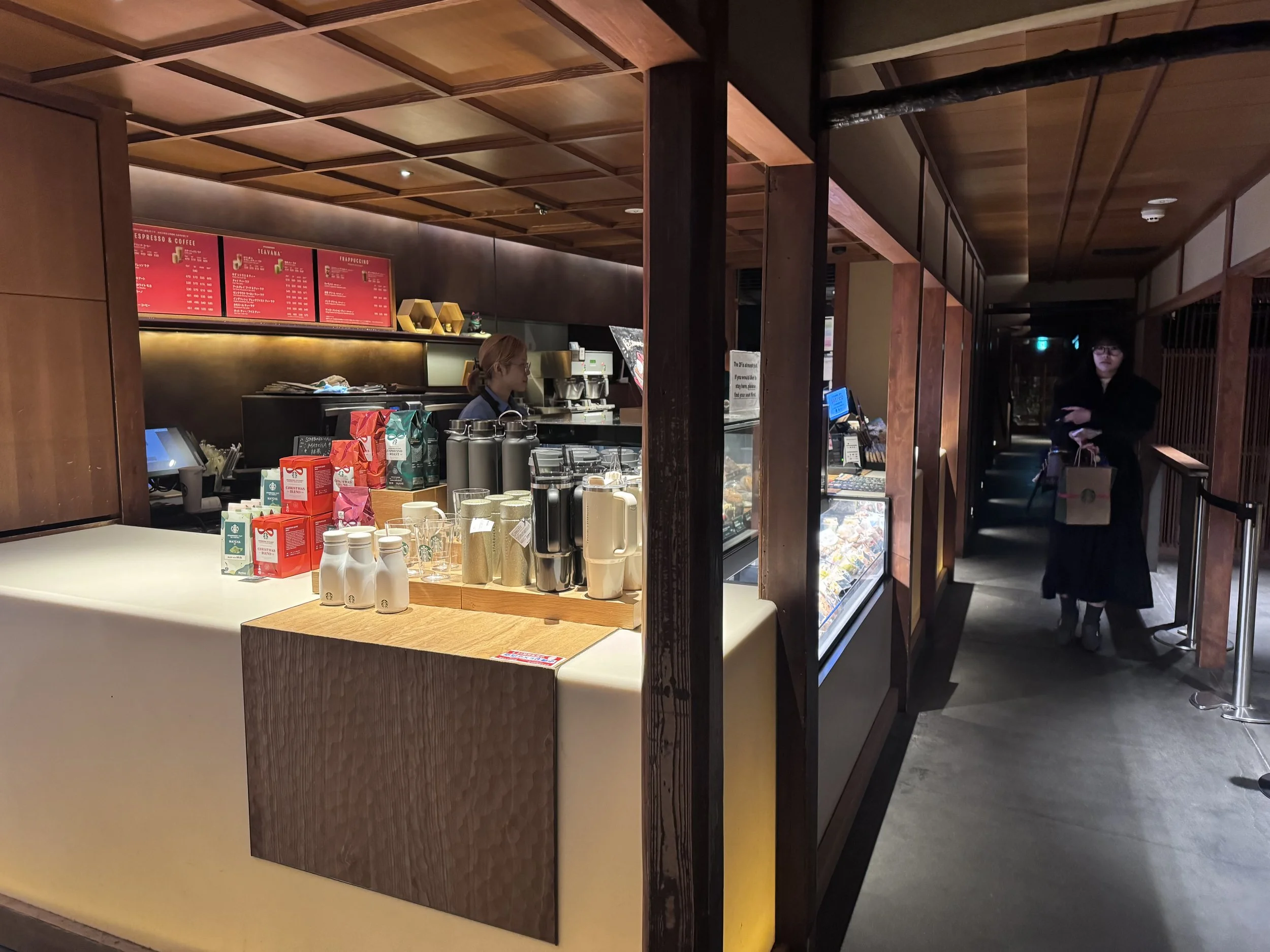
Even global brands have to adapt here, you will see the two pictures above on the second line are Starbucks, often called one of the world’s most beautiful Starbucks, carefully rebuilt inside a traditional wooden townhouse with discreet signage and tatami seating.
Sadly I didn’t see a Geisha or have time to book a tea ceremony or performance to have that experience. So whilst you are exploring Gion you might be lucky enough to spot a Geiko (Geisha in the Kyoto dialect) or a Maiko, an apprentice geisha, moving quickly through the streets on their way to meet clients at a teahouse. Geisha are highly trained artists and hostesses, skilled in traditional Japanese arts such as dance, music, and conversation, with training often beginning around the age of 15.
Despite common misconceptions, geisha are not prostitutes or courtesans, but respected cultural performers. My tour guide told the group that there are thought to be around 100–200 geiko and roughly 100 maiko working in Kyoto.
The Gion district itself is one of the most atmospheric parts of Kyoto. Traditional wooden machiya townhouses, teahouses, and small restaurants line the narrow streets, making it feel deeply connected to the city’s past. This was a proper experience and felt like what I imagined it would be like when I was at home planning my trip and looking at YouTube videos.
Shooting Gion at Night With the M11
Gion at night is the kind of place that every photographer has seen in images before they arrive, which makes it both exciting and a problem. The lantern-lit alleys, the wooden machiya facades, the narrow canal streets, you recognise all of it before you've taken a single frame, and that recognition can make you lazy. You go for the obvious composition because it's already in your head.
What helped me was the 28mm. A longer focal length in those narrow streets either requires you to step back far enough that you're losing intimacy, or you're so close that you're in someone's way. The 28mm lets you be in the street, part of the scene rather than observing it from a distance. I shot a lot of Gion at between f/2 and f/2.8 to hold the ambient light whilst thinking about the ISO to not be too high.
One note on photographing Geiko and Maiko if you're lucky enough to see them: don't. A single frame from a respectful distance is one thing, but following them or stepping in front of them isn't acceptable and some alleys in Gion now have photography prohibition signs that are actively enforced. Put the camera down and just watch. Some of those moments are better kept without a viewfinder between you and them.
Nara Park and the Sacred Deer
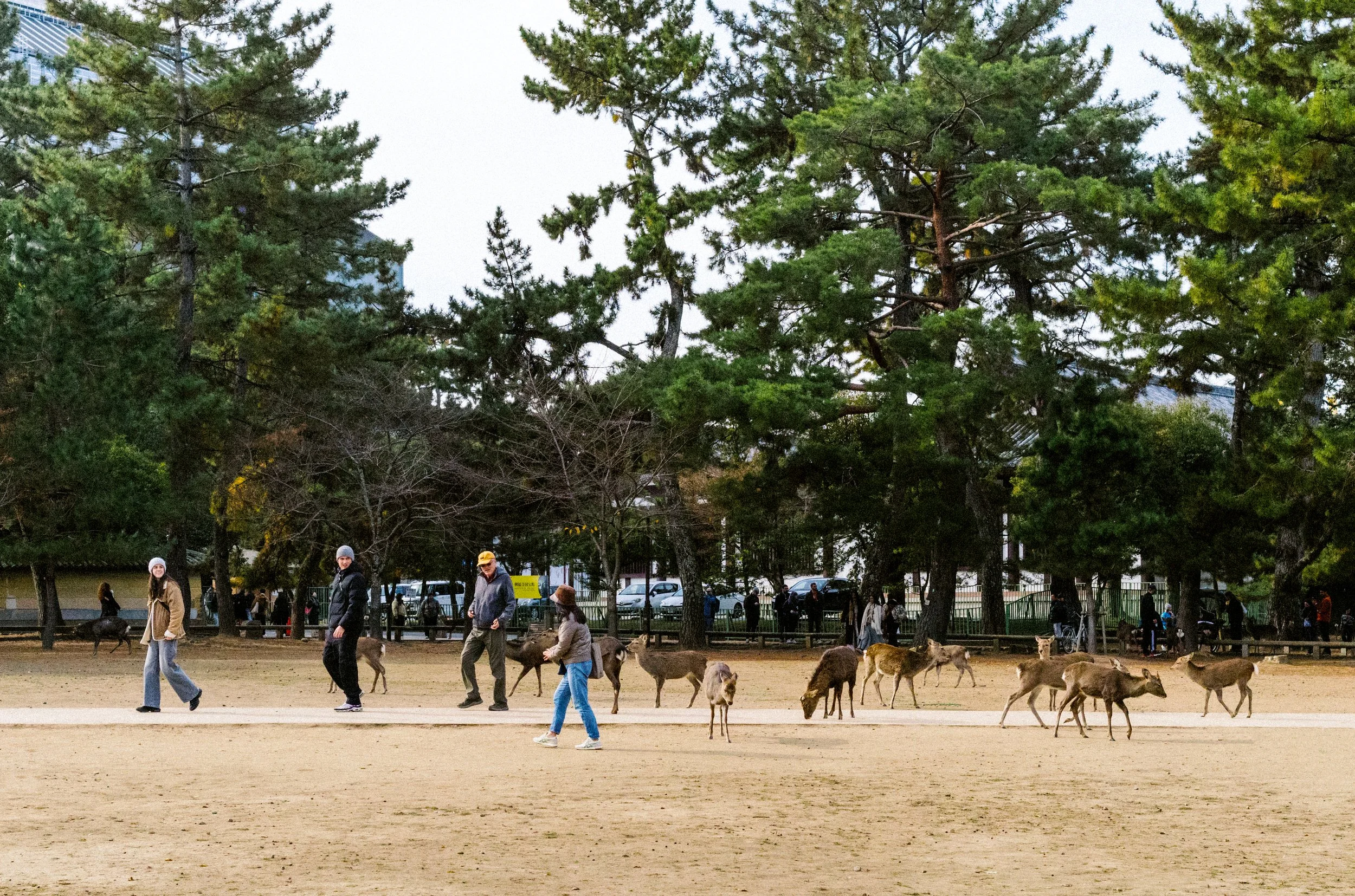
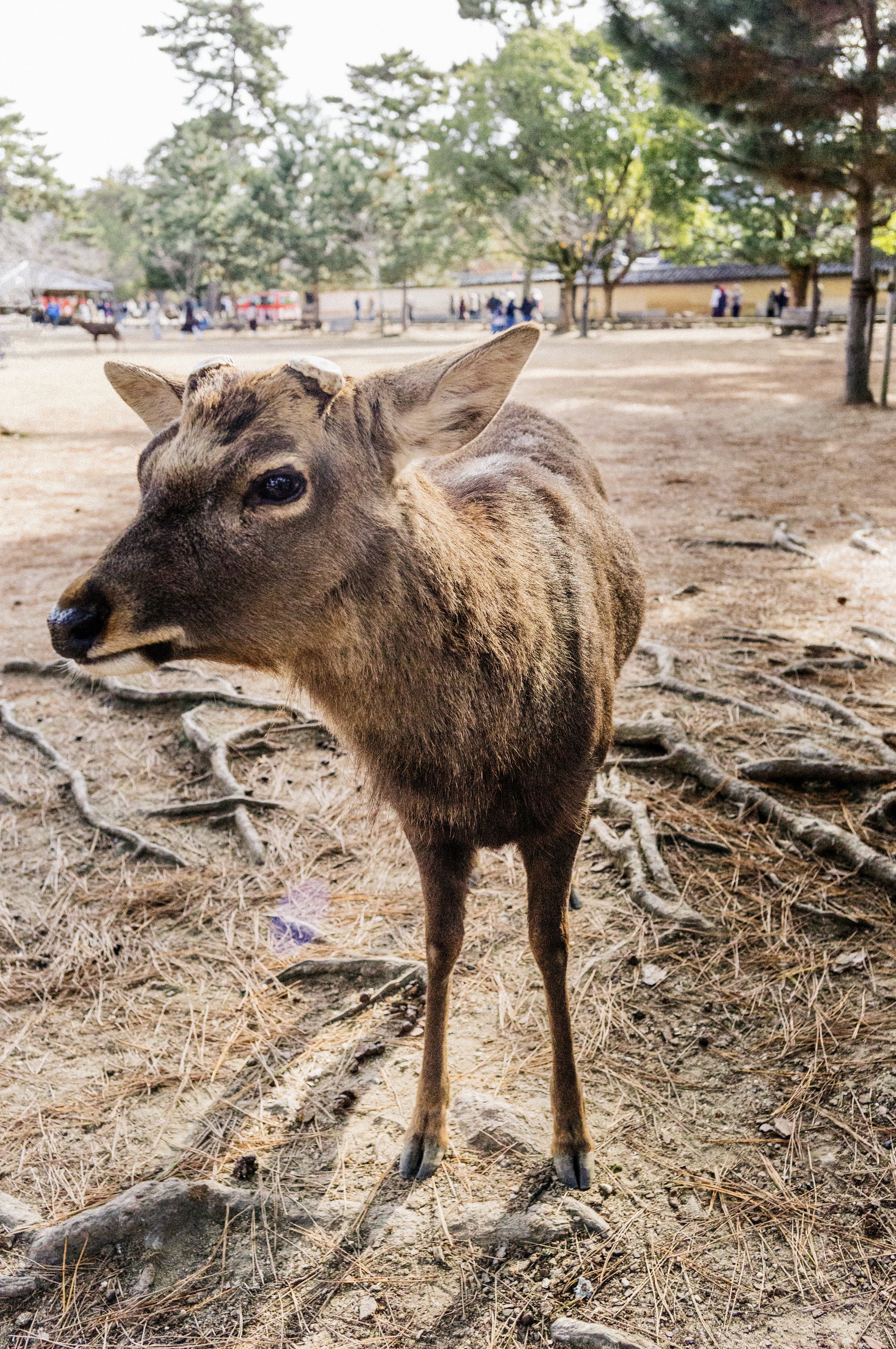
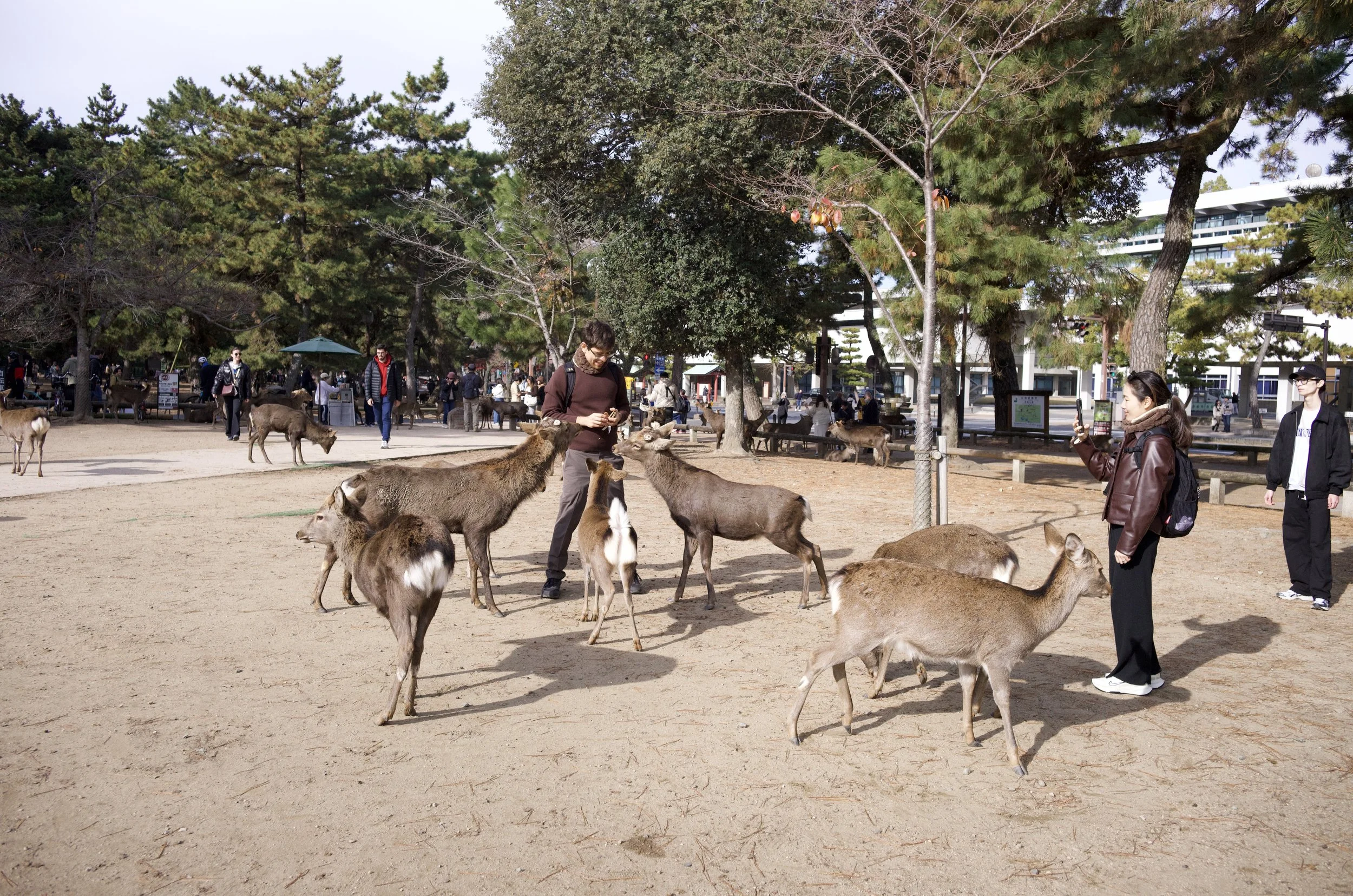
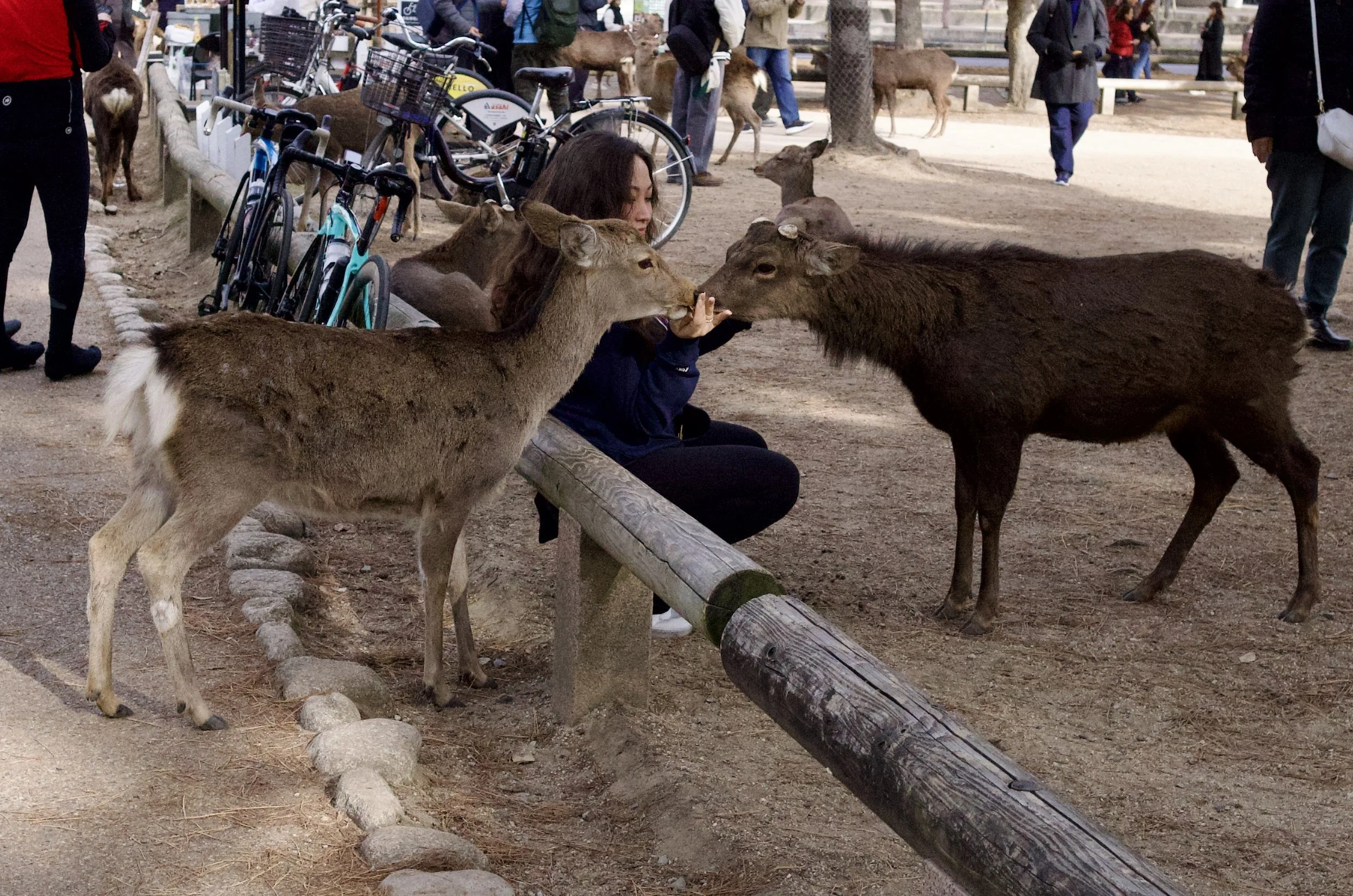
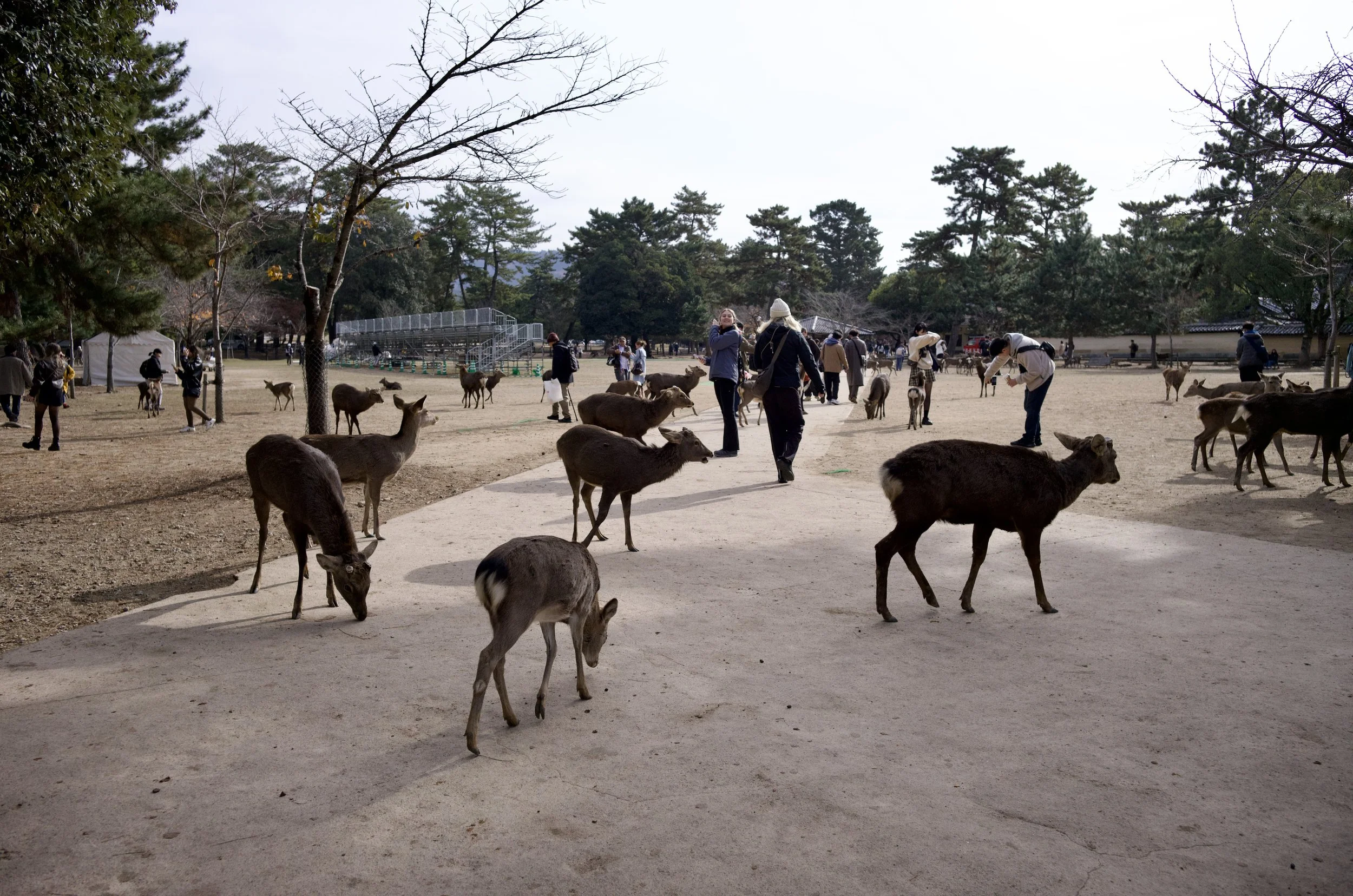
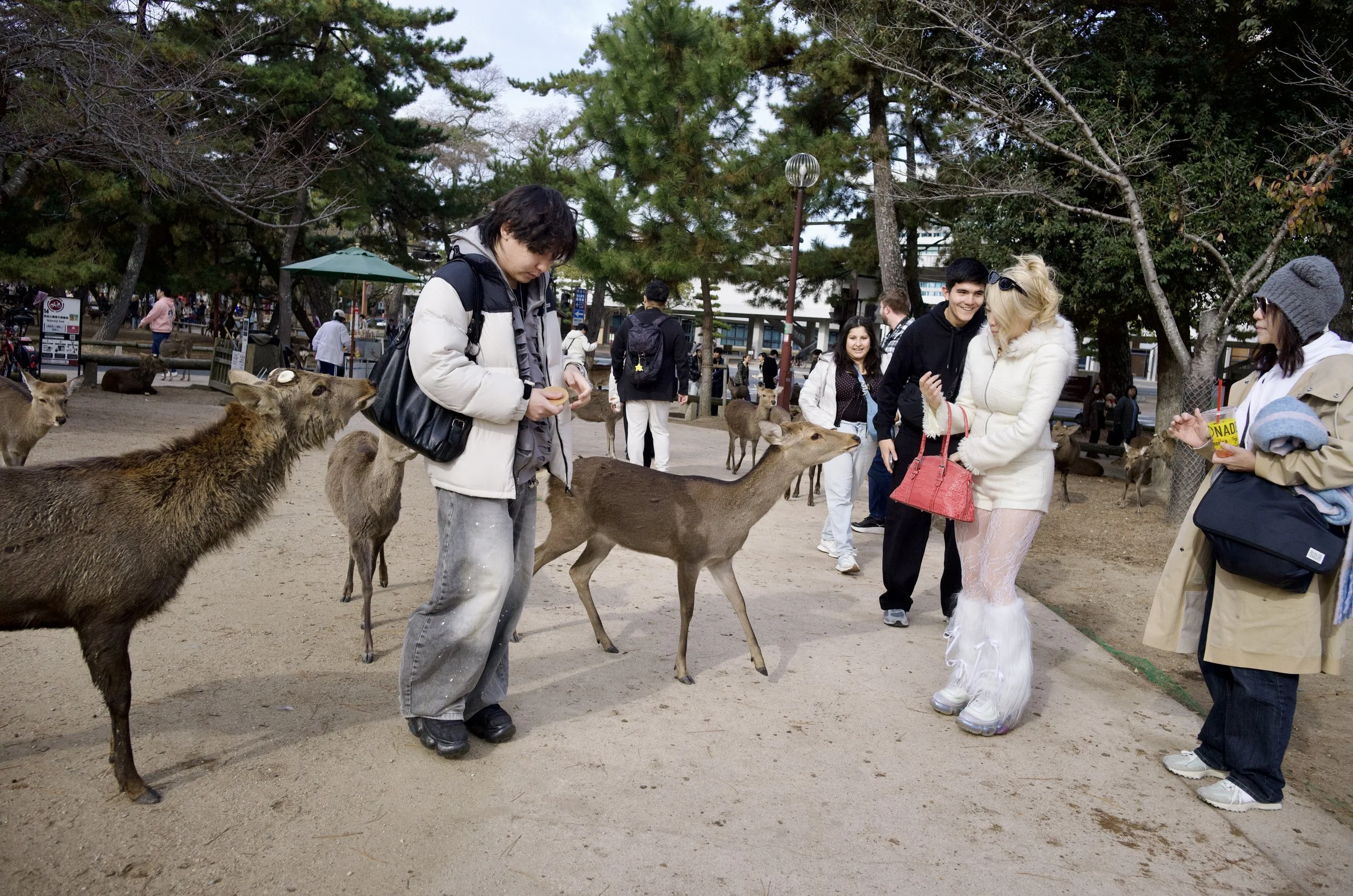
Nara Park Visitors and Deer
After a good night’s sleep at my hotel, I headed out for a full day tour booked on Get Your Guide costing £42.72 that included a stop at Nara Park the famous for its free-roaming deer.
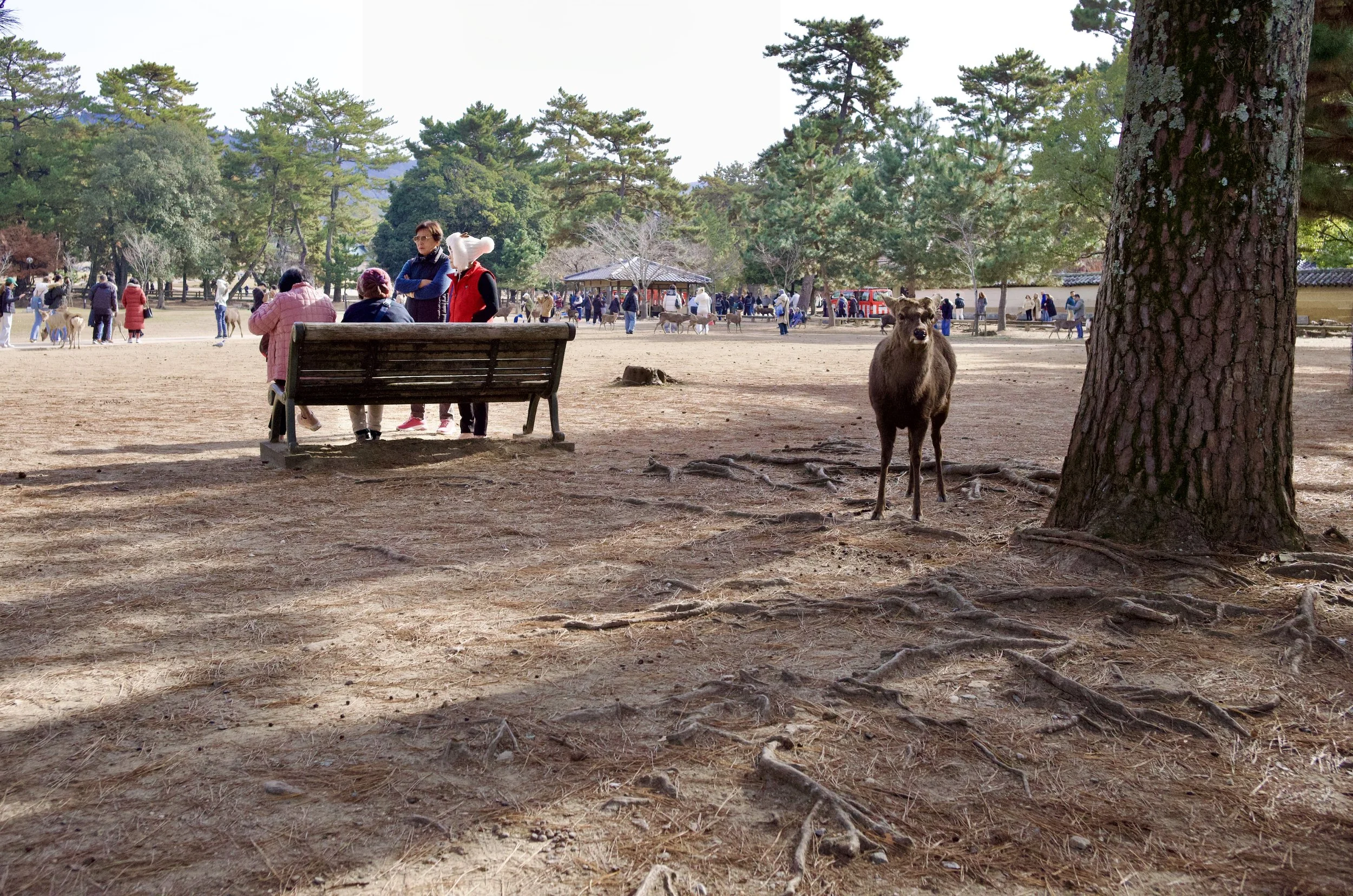
Established in the late 1800s, the park is home to hundreds of deer that have long been considered sacred messengers of the gods in Shinto belief. They wander freely between temples, shrines, and picnic spots as if they own the place, which, honestly, they kind of do.
Many will politely bow for the special crackers sold in the park, although a few can be a little pushy when they realise you’ve got food.
Top Tip: If you visit and are not on a day tour, go early in the morning when the deer are more active, keep your crackers visible rather than hiding them in your pockets, and remember that raising both hands shows them you’ve run out. Despite the occasional chaos (and having to watch where you step), it’s a calm and memorable place to explore. While you’re there, make sure to visit Tōdai-ji Temple, home to the Great Buddha which I missed as I was too focused on feeding the deer.
Arashiyama & Bamboo Forest
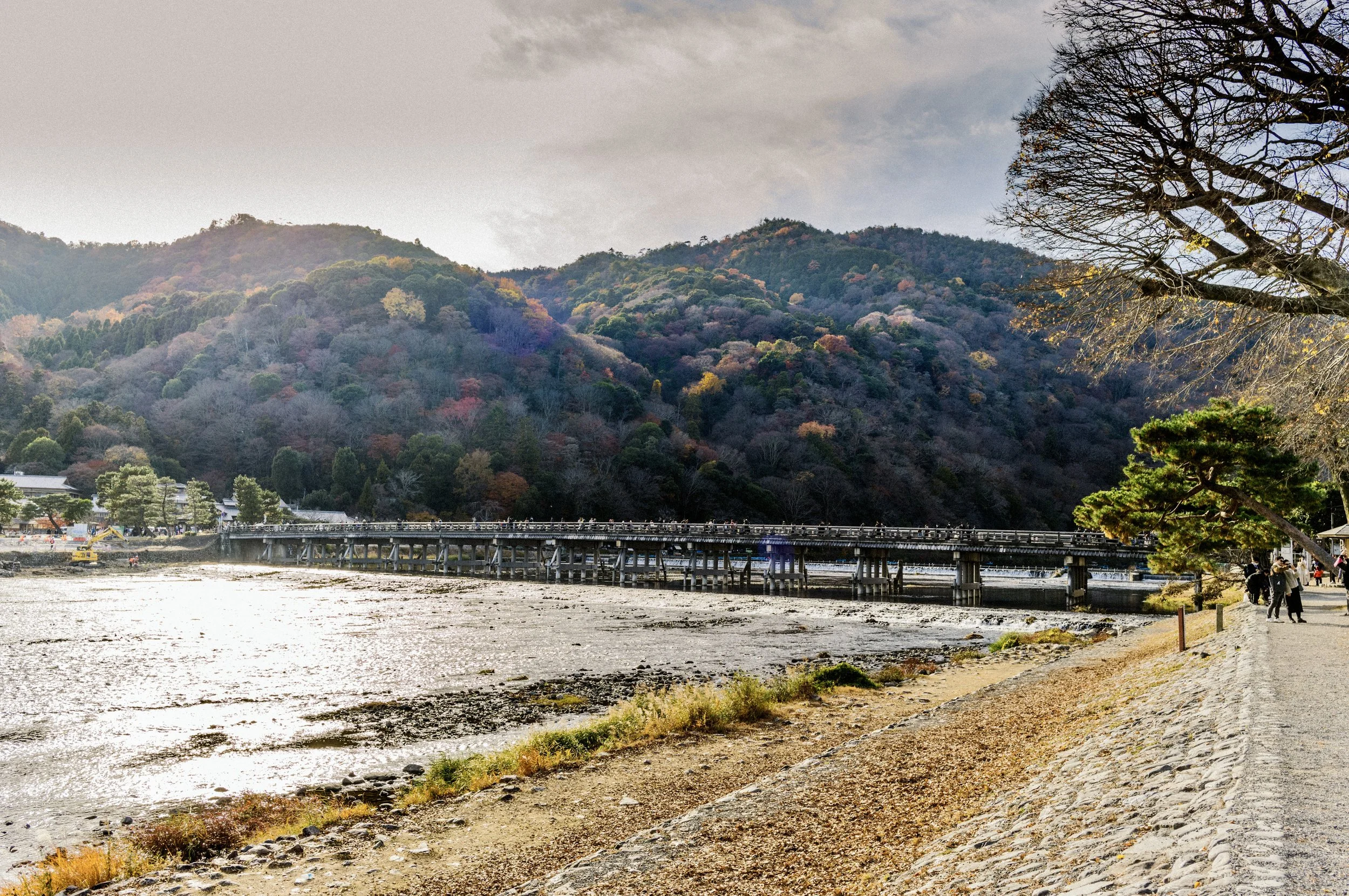
Togetsukyo Bridge
Arashiyama sits on the western edge of Kyoto and is noticeably calmer than the busier temple districts in the city. One of the first landmarks you’ll come across is Togetsukyo Bridge, a long wooden bridge stretching across the Katsura River with forested mountains rising behind it. Originally built during the Heian period, the bridge has become one of Kyoto’s most recognisable views.
From the bridge you can often spot white cranes standing patiently in the river, fishing in the shallow water, adding another peaceful detail to the scene. This was something I did for about 30 mins just sat on a bench trying to take some images but sadly even with the 1.8 digital zoom and a 50mm I couldn’t quite capture the cranes right.
It’s a beautiful place to pause and take it all in, especially in autumn when the hills glow with red and gold leaves or in spring when cherry blossoms soften the riverbanks. I caught the end of the autumn in the picture above with a few pockets of red and yellow in the hills. From a photography point of view it’s a fantastic spot to frame the contrast between the natural landscape and Kyoto’s historic architecture, although if you can travel independently, I would recommend going early in the morning when the light is softer and there is little crowds.
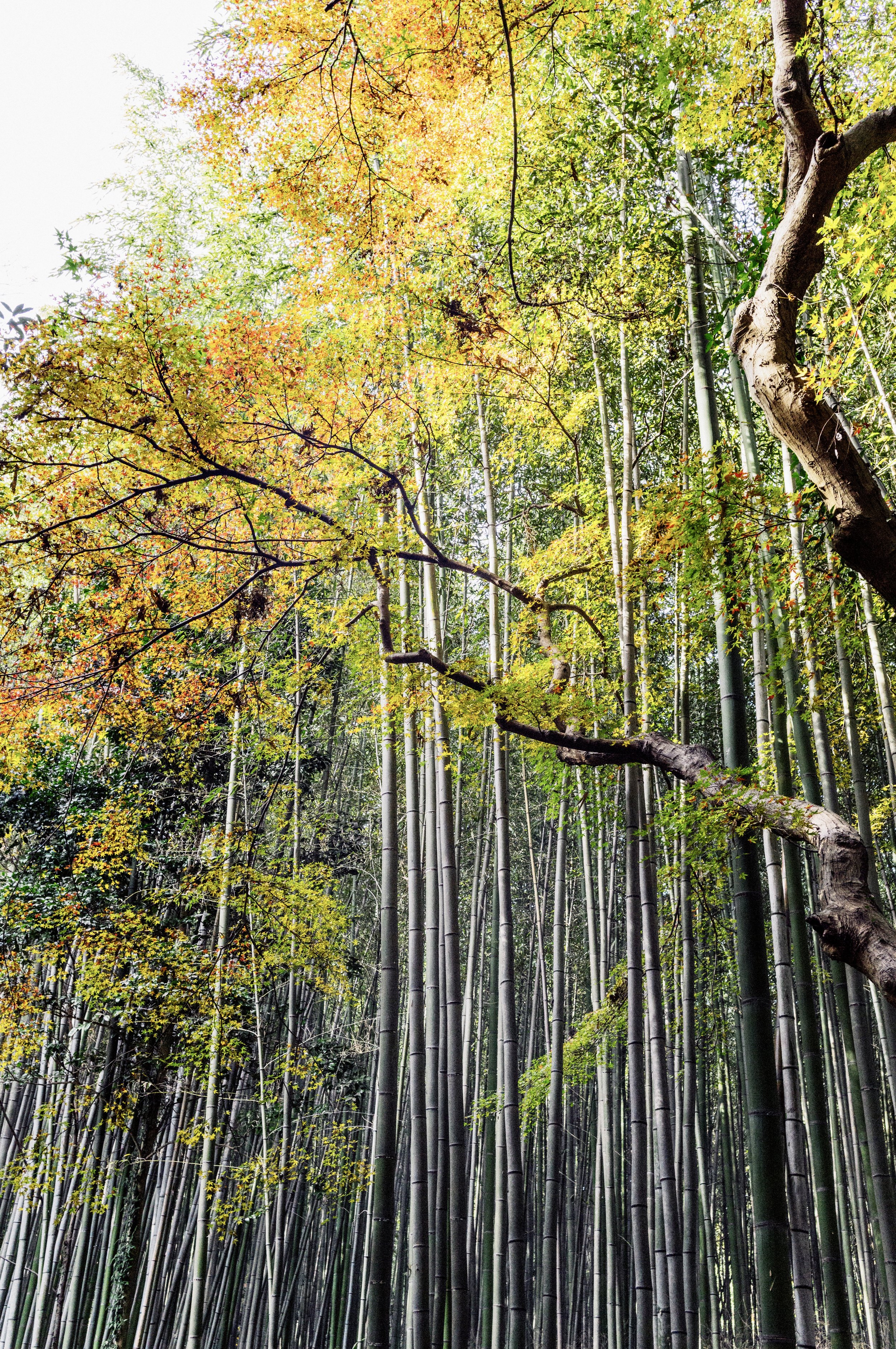
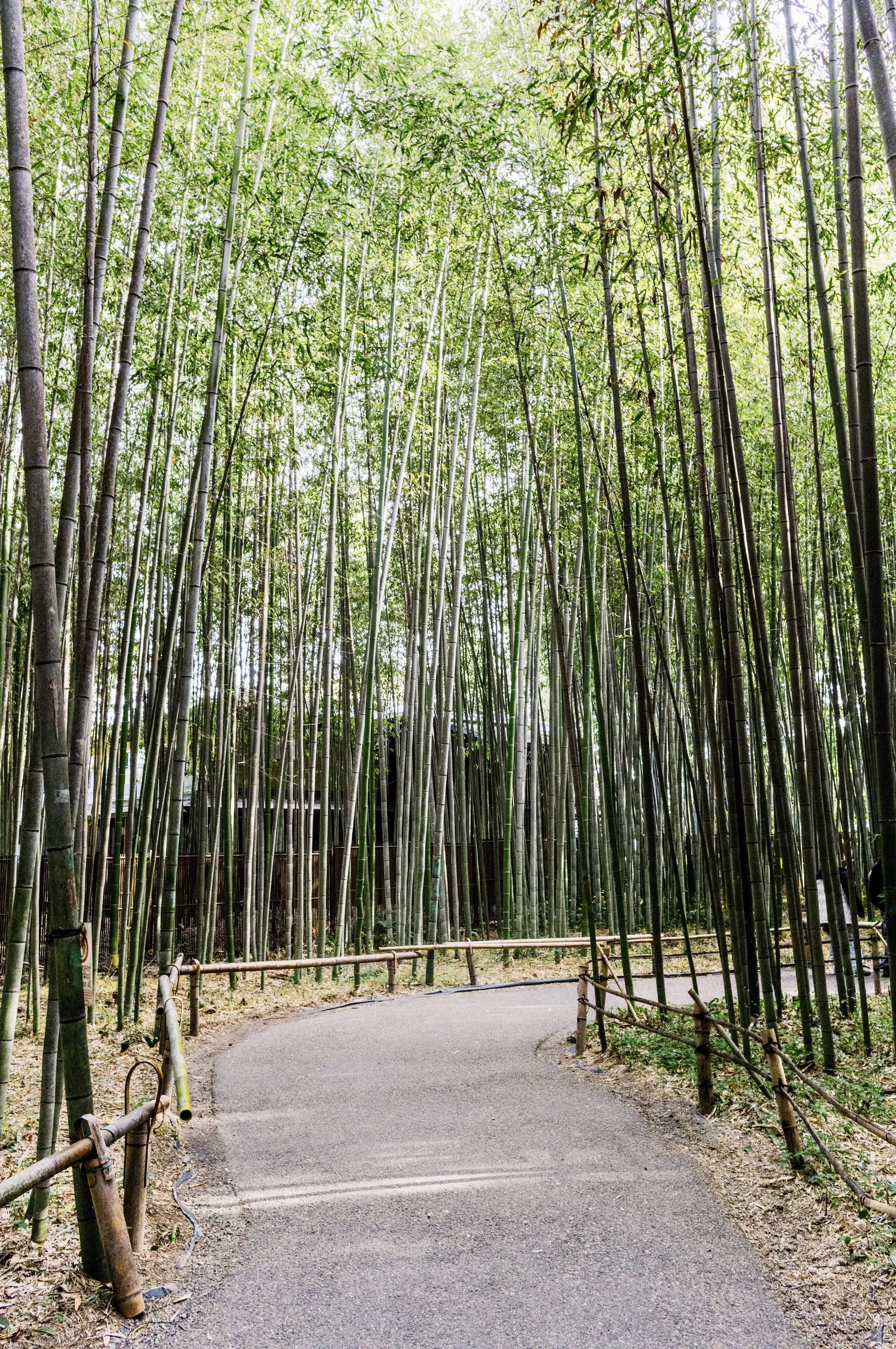
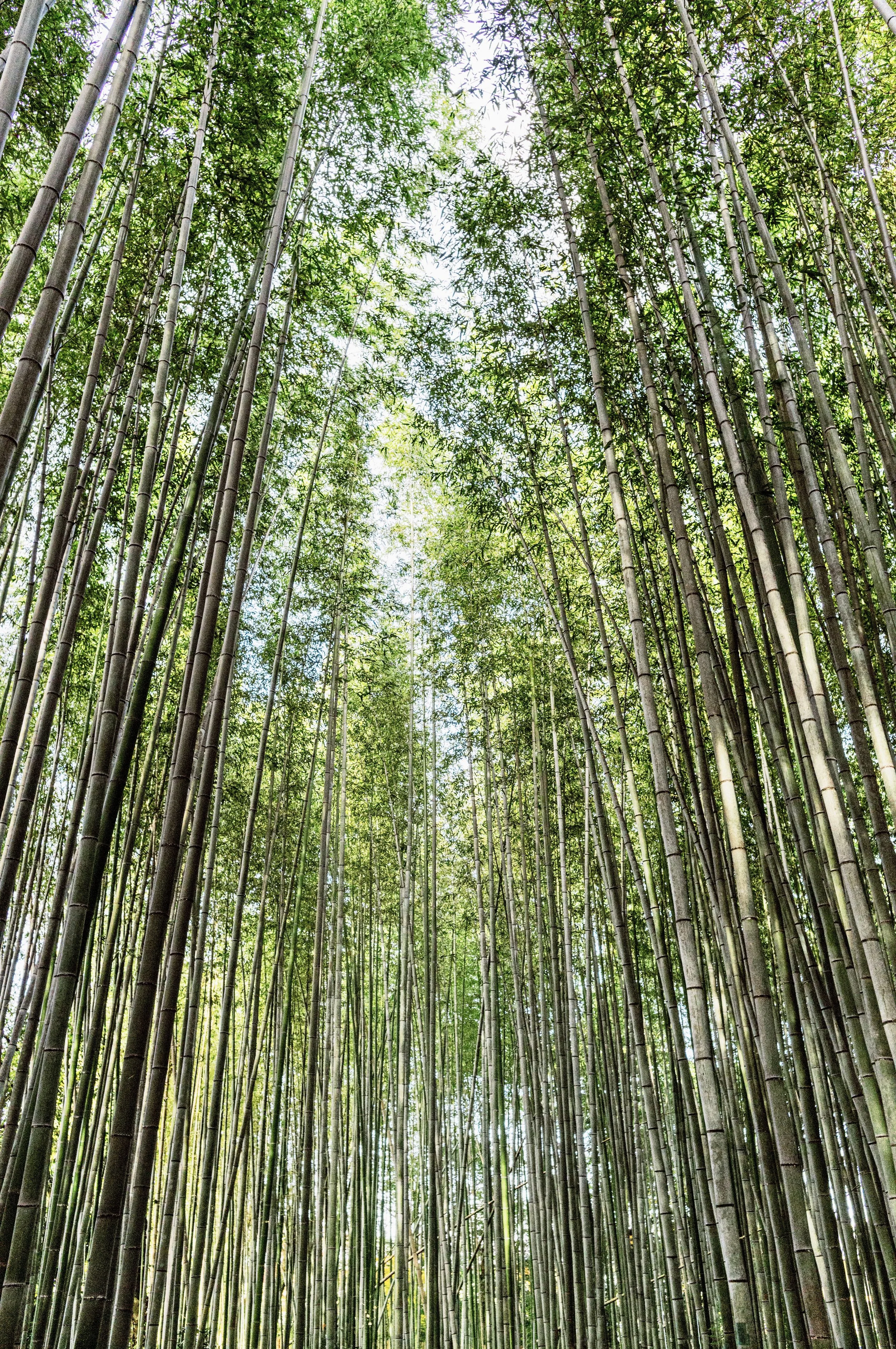
A short walk from the bridge leads to the famous Arashiyama Bamboo Forest, where towering bamboo stalks rise high above the narrow pathways and create an almost surreal atmosphere. The light filters through the bamboo in soft green tones while the sound of the stalks gently knocking together in the wind adds to the calm of the place.
The bamboo forest is one of those locations that feels designed for photography, the tall vertical lines create natural leading lines, the light filters through in soft green tones, and the sound of the stalks knocking together in the wind adds something that the image can't capture but that makes being there feel remarkable.
The crowds are the problem. The standard shot, looking straight down the path, exists on ten million camera rolls. What I found more interesting was shooting upward into the canopy, where the stalks converge above you and the sky breaks through in irregular patches.
The 28mm is genuinely the right lens for this, a tighter focal length compresses the stalks and loses the sense of being inside the forest rather than looking at it.
Go at opening, around 8:30am, and you'll have fifteen minutes before it fills up. The smaller bamboo grove at Kodai-ji Temple nearby is quieter and worth visiting if you want the atmosphere without the crowds for a better experience.
After I had been in Bamboo Forest, food was needed and I headed down the street trying to decide what and where to eat. I thought as a treat I’d try some Wagyu beef and ended up at Wagyutokyodofu Arashiyama Miyoshitei.
I went with a Wagyu Seared Grilled Set Meal which was ¥5,500 which is about £25, the beef was very good as was broth and the side dishes. It didn’t take me long to eat it all. The green tea that I had here was very refreshing and hot, which was needed as it was another cold day.
Fushimi Inari Taisha
Fushimi Inari Taisha Torii Gates
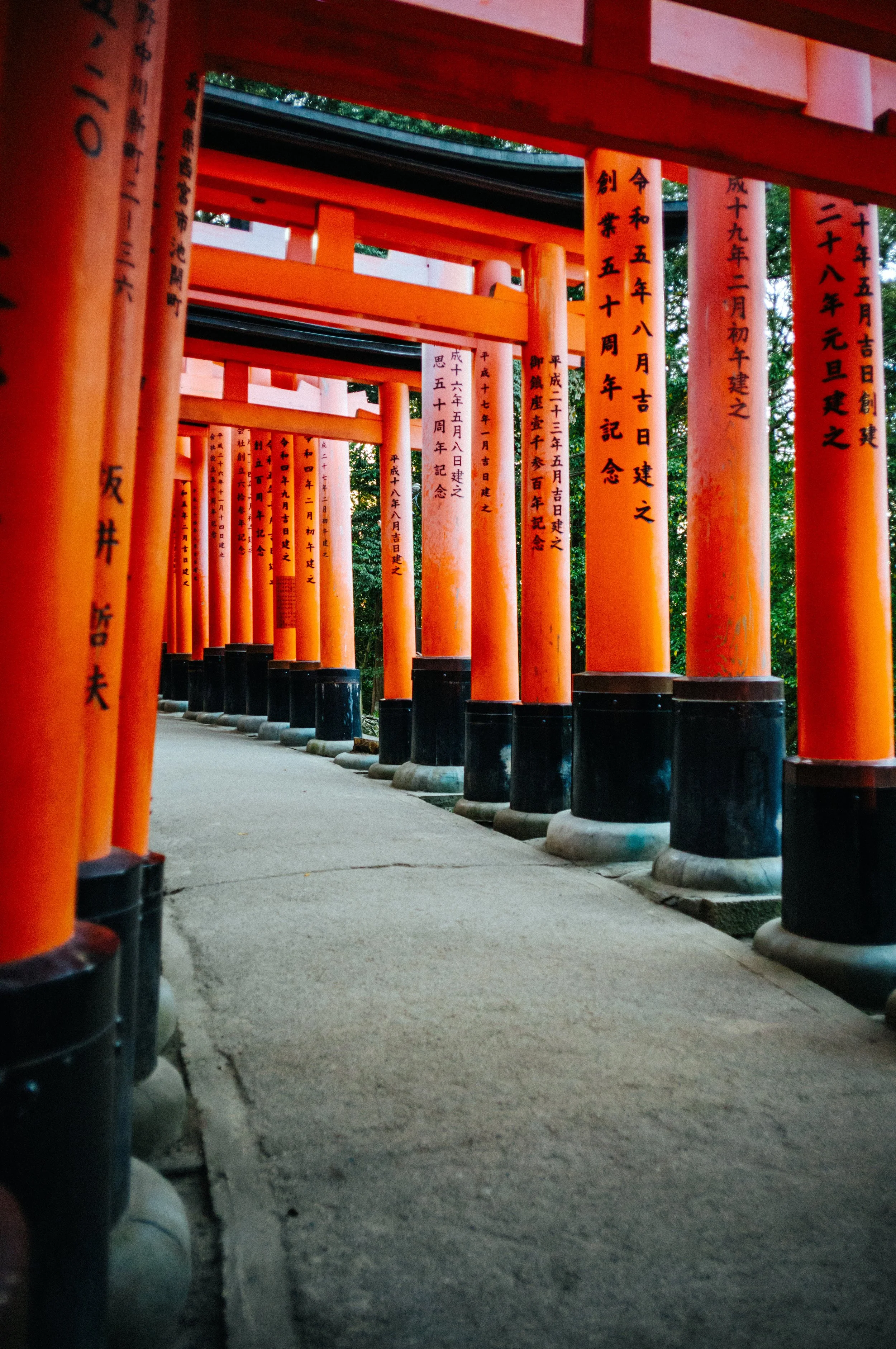
These paths of torii gates belong to Fushimi Inari Taisha, one of Kyoto’s most iconic and spiritually significant sites. The shrine is dedicated to Inari, the Shinto deity of rice, agriculture, and prosperity, and the mountain behind the shrine is covered in thousands of bright torii gates that wind their way up the hillside.
Each gate has been donated by an individual or business, with the black calligraphy on the back recording the donor’s name and the date of the donation. Originally I had assumed the gates represented prayers, but they are actually more about gratitude, legacy, and tradition, marking a connection between the donor and the shrine. Walking through them creates an almost tunnel-like effect as the gates repeat endlessly along the mountain paths, and it’s easy to see why this has become one of the most photographed locations in Japan.
The winding tunnels of gates have become popular with the big screen and appeared in a number of films and TV productions, most famously in Memoirs of a Geisha, helping make Fushimi Inari one of Kyoto’s most recognisable cinematic locations.
We arrived at Fushimi Inari around 4pm, which turned out to be the right time even if I didn't plan it that way. The worst of the afternoon crowds had thinned and the light through the vermilion gates was warm and low, that specific orange-red of the torii against a late afternoon sky is a colour combination I hadn't fully anticipated.
Alan, my tour guide, knew the quieter sections of the route and led us away from the main path where the gates continued uphill with almost nobody else around. If you're going independently, walk past the first twenty minutes of gates where everyone stops and keep going up the mountain. The atmosphere changes completely. The gates are a subject that rewards slowing down as each one is slightly different, the calligraphy on the back records the donor's name and date, and the repetition starts to feel meditative rather than repetitive if you give it time.
The tour finished here and then dropped everyone off at the train station to which I got a quick Uber back to the hotel, packed up my bag ready for the train journey to Tokyo for the last stage of the trip.
Front view of the Haiden at Fushimi Inari Taisha
Shrine Halls at Fushimi Inari Taisha
Places in Kyoto I’d Visit Next Time
So there were a number of things I wanted to do in Kyoto but, due to feeling ill and packing too much in with tours for the short duration I was there, I missed out on them. I should have done an extra day or two here rather than Osaka.
Anyway, these were places on my list that I wanted to try to visit when I was planning the trip before leaving for Japan.
Entokuin Temple
A quiet temple in Higashiyama known for its beautifully maintained Zen gardens and peaceful atmosphere. It’s a great place to slow down and escape the crowds near Kodai-ji.Tenryu-ji Temple
Tenryu-ji Temple is a UNESCO World Heritage Site and one of Kyoto’s most important Zen temples. Its garden, centred around a reflective pond framed by carefully placed rocks and trees, has remained largely unchanged for centuries and offers a peaceful place to slow down and take in the details.Saiho-ji (Moss Temple)
Tickets cost around ¥4,000 and must be reserved at least one day in advance. The temple is famous for its moss-covered garden, and visitors can also take part in sutra chanting before exploring the grounds.Genkō-an Temple
This temple is known for its two symbolic windows that frame the seasons beautifully. The round Window of Realization represents enlightenment, while the square Window of Delusion reflects the struggles of human life.Kennin-ji Temple
Kennin-ji is famous for the dragon painting on the ceiling in the temple hall. Visitors can lie on tatami mats and admire the artwork, which was completed in 2002 by artist Koizumi Junsaku.Jizō-in (Bamboo Temple)
A peaceful temple recommended for those who want to avoid the crowds. It offers a quieter bamboo forest atmosphereand a place for quiet reflection or meditation.Matsuo Taisha
This shrine is dedicated to the god of sake, making it an important place for brewers. Visitors can also try the shrine’s “water of revival”, and the restaurant within the shrine grounds is highly recommended.Uji
Uji is famous throughout Japan for its high-quality matcha tea. The town is home to historic temples as well as some of the country’s best matcha shops and tea houses.Ine
A small coastal fishing village famous for its traditional boat houses (funaya) built along the water. It’s incredibly photogenic but gets very busy during cherry blossom season due to the town’s small size.
Final Thoughts
Kyoto felt exactly how I imagined it would before I arrived, historic streets, wooden houses, quiet temples, and moments where it genuinely feels like stepping back in time. Walking through Gion and Higashiyama, seeing Yasaka Pagoda rising above the rooftops, and wandering lantern-lit alleys gave me a real sense of the city’s history. Even the smaller moments, like sitting by the river in Arashiyama watching cranes fish or walking beneath the endless torii gates at Fushimi Inari, are memories that will stay with me and scenes I’d love to see again during cherry blossom season when I return.
Kyoto really captures the traditional side of Japan. From the historic streets of Gion to the peaceful temples and landscapes around Arashiyama, there’s culture and history around almost every corner. It’s a city that I can see rewarding you more if you take it slow, again something I wish I’d given myself more time to do.
How Many Days in Kyoto: Three minimum.
Evening 1: Arrive, join the Gion evening walking tour (£19 on Get Your Guide). Bring the camera but spend the first thirty minutes just walking. Gion rewards presence before it rewards photography.
Day 2: Arashiyama at opening, Togetsukyo Bridge, bamboo forest before 9am (shoot upward into the canopy on the 28mm). Wagyu lunch at Miyoshitei. Fushimi Inari from 4pm, walk past the tourist stopping point and keep going.
Day 3: Nara Park day trip. Back to Kyoto for the evening and wander Higashiyama alone without a tour, the streets feel different when it's just you and the lantern light.
Cherry blossom timing: 21 March – 2 April. Maruyama Park and the Shirakawasuji canal at peak bloom are worth planning an entire trip around. I'd love to go back for this.
Kit note: The 28mm was my lens for almost everything in Kyoto. The narrow streets and temple interiors suit a wider field of view, a 50mm or longer feels like it's fighting the architecture here.
From a photography point of view, the trip didn’t go exactly as planned either. I had a long list of locations I wanted to shoot, but feeling unwell meant scaling things back and relying on an evening tour and a day tour, which only covered a few of the spots I had in mind. Even so, getting out and exploring was far better than staying in the hotel, and I still managed to capture a few moments from places I’d been looking forward to seeing.
Even with the limited time, Kyoto left a strong impression on me. My top tip would be, I’d strongly recommend allowing at least three days to properly explore the temples, streets, and landscapes that make the city so special. I’ll definitely be back, next time with better planning, a few extra nights, and hopefully during Kyoto’s cherry blossom season, when the city is said to be at its most beautiful.
If you’re planning a trip to Kyoto, feel free to drop a comment below, I’m always happy to share thoughts and routes, photography spots, and the places I’d prioritise next time.
You can dive into my other travel guides from my Japan Trip covering Tokyo, Hiroshima, Osaka and Things to Know Before Travelling to Japan.