Why My Leica M6 Has Been Sitting Unused for a Year (And Why Cornwall Is About to Change That)
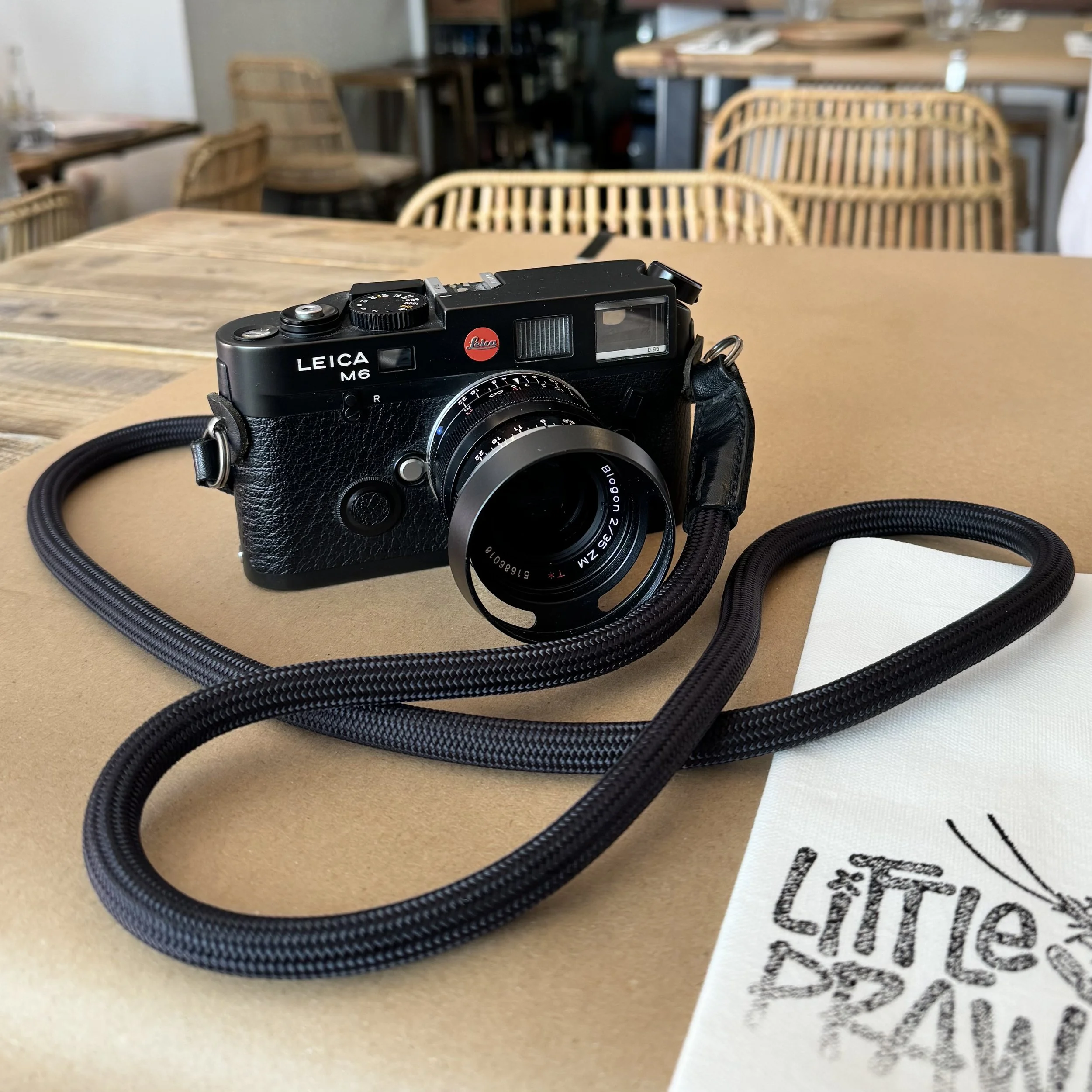
Leica M6 TTL .85 Cornwall
I haven't picked up my Leica M6 in over a year. I know exactly where it is. I know exactly how it feels in my hand. And I'm slightly upset about both those things.
This is the story of how the most meaningful camera I've ever owned ended up sitting on a shelf and why that's about to change.
The M6 (a 1996 TTL .85) is the camera that changed how I think about photography entirely. Not just the move to Leica, but the whole approach. I came to it through documentary work: Sebastião Salgado's sweeping black and white projects, Joel Meyerowitz shooting New York in colour, David Alan Harvey's intimate saturated street photographs, and Henri Cartier-Bresson.
The Leica M body appears in all of it. Small, quiet, unobtrusive. The camera that gets close without anyone noticing.Coming from a Canon 5D Mark IV, the shift felt like a revelation. The 5D is a brilliant camera (I genuinely still miss it) but it is a huge workhorse.
The M6 disappears into your hand. It weighs almost nothing, fits under a jacket, and by every practical measure is the better travel camera. The move was a complete no-brainer.
Then I bought an Leica M11, roughly a year later, and the M6 hasn't really moved since.
The Leica M11 Problem
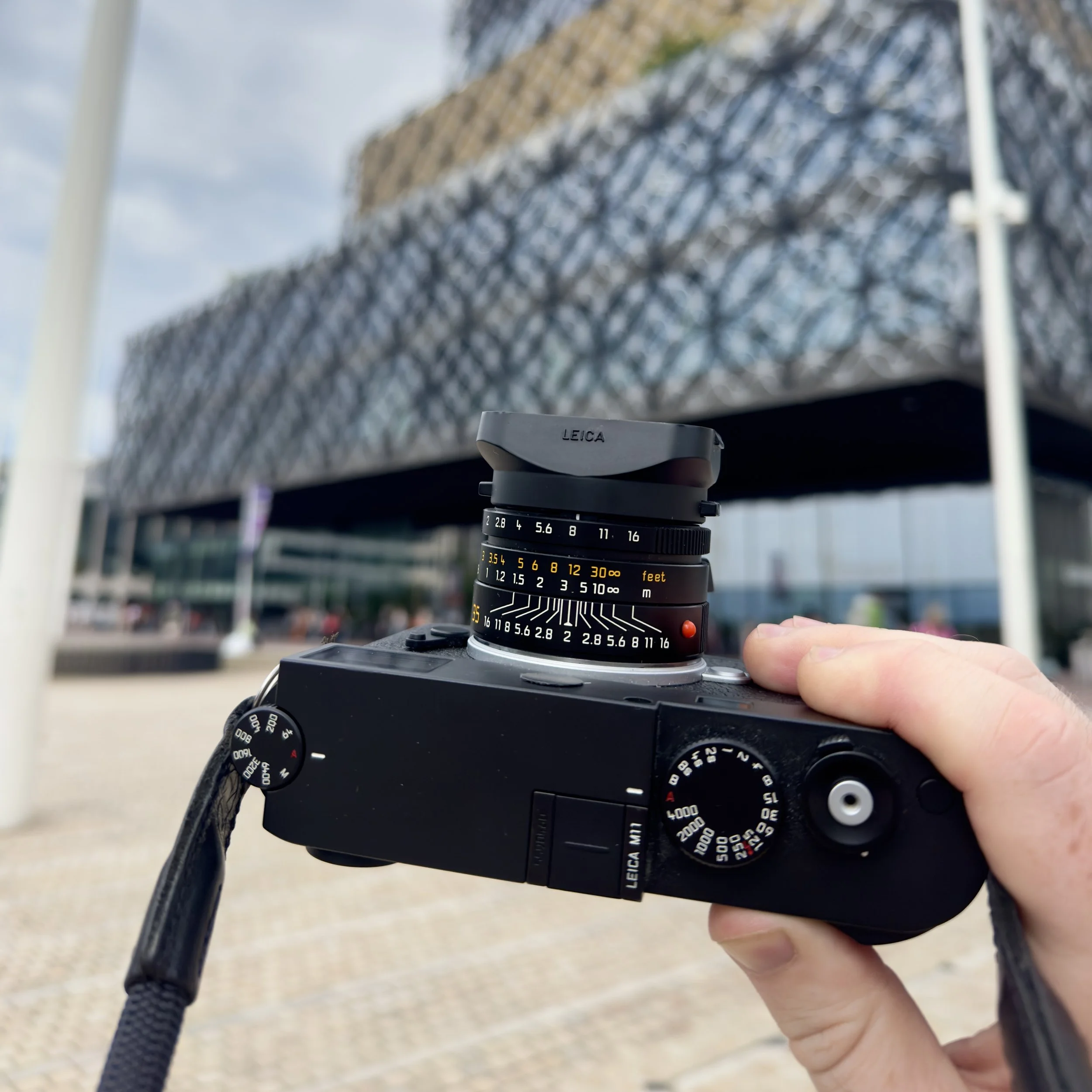
Leica M11 Birmingham UK
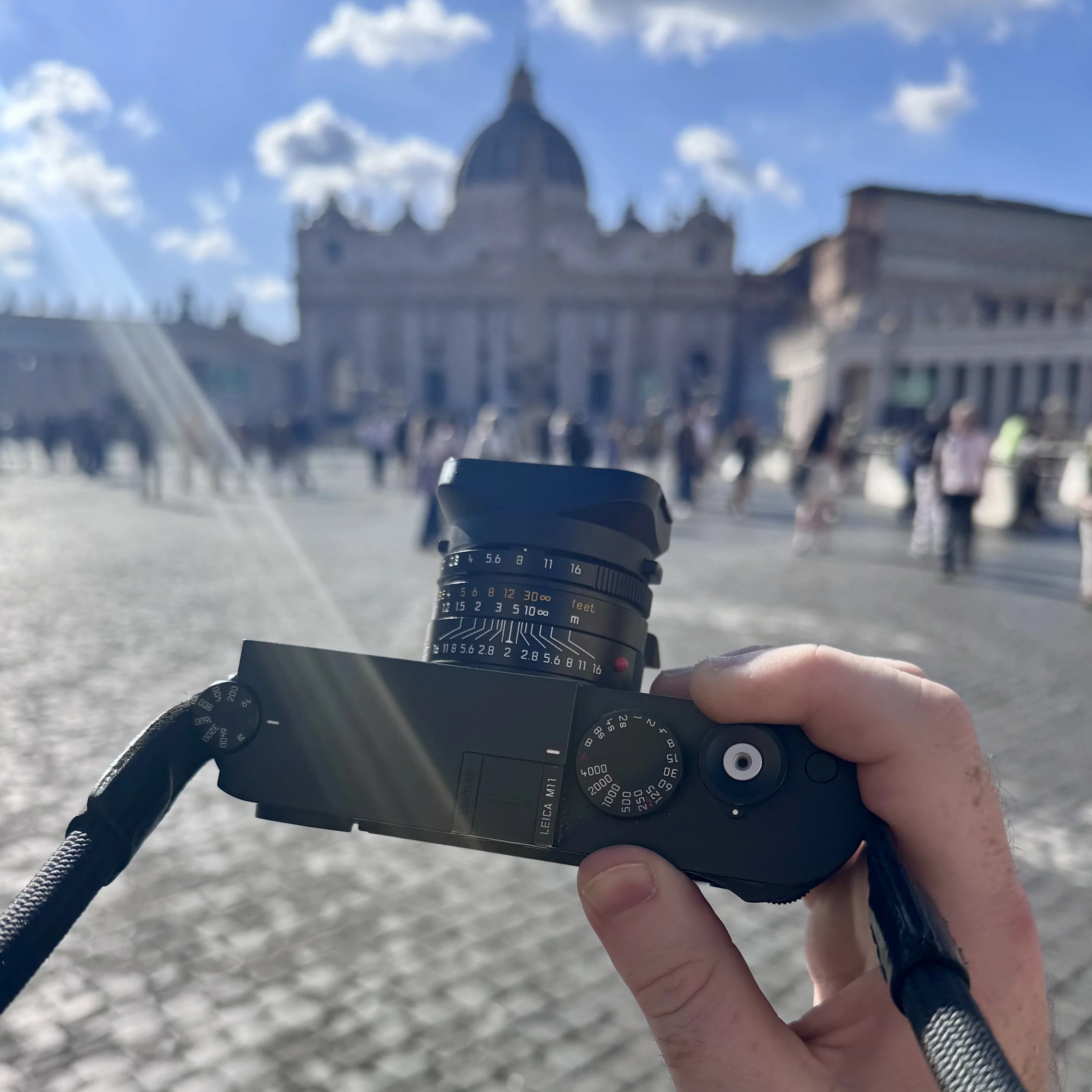
Leica M11 Vatican City
The Leica M11 is too convenient.
That's not a complaint, exactly, but it has become a habit I didn't notice forming until it was already established. Every morning I'd reach for digital because it was ready. Because I could check the frame.
The M6 sat in the bag. Tomorrow I'd use it and tomorrow just never came.
The reasons were practical and I still stand by them. Shooting a destination guide on thirty-six frames is a gamble I couldn't always afford to lose, film costs money and processing costs more. Then you wait, and sometimes the frames aren't there, and the blog post stalls and the trip feels half-wasted.
The M11 gave me certainty, I could check what I had before I left the city, and for me that really matters.
But the low point came in Japan. I packed the M6, carried it across twelve thousand miles and never put a single roll through it. I planned to buy Portra in Tokyo, and I do have a slight excuse as the Japan trip was derailed by illness, but the camera came home exactly as it left, full of good intentions and completely empty. And the honest truth is that the same thing happened in Athens and Mallorca, where there's no excuse at all.
I haven't used the M6 in over a year, and that's something I've got to change for the rest of 2026.
What Film Actually Does
Everyone says film slows you down. Everyone is right, and it's more interesting in practice than it sounds on paper.
When you're working with thirty-six frames, every shot is a small negotiation. You stop. You look properly. You wait for the person to move into better light, or the street to clear, or the moment to actually arrive rather than approximately arrive. The M6 doesn't let you spray and pray, and that constraint which is one hundred percentage frustrating at first, eventually becomes the whole point. The camera makes you a better observer before you ever press the shutter.
For documentary and street work, I shoot Ilford HP5 Plus or Kodak TRI X 400 almost all the time when doing this, as it’s cheaper than colour allowing you to shoot more.
For travel, I have always gone colour: Kodak Portra 400 or 800 for most conditions, Portra 160 when the light is bright, and Kodak Ektar 100 when I want something vivid and sharp, it was great shooting across the South of France, and even more so on medium format 120.
Home Film Processing: Why the Dark Bag Nearly Broke Me
I also process my own film at home, which is something I find deeply satisfying and occasionally completely maddening. The dark change bag nearly broke me, multiple times. Getting film onto a development reel in complete darkness while your hands decide to forget everything they know is a special category of frustration. Investing in a changing tent transformed the whole process: more room, kit laid out properly, no panic. If you're thinking about home processing, skip the bag and go straight to the tent. Yes, they're costly.
What follows that process is genuinely hard to replicate digitally. The negative develops in front of you. You hold it to the light before it's been touched by anything. You scan it, bring it into the edit, and something you couldn't see for weeks slowly becomes a real image. It feels like making something, not capturing something. That distinction matters more than it probably should.
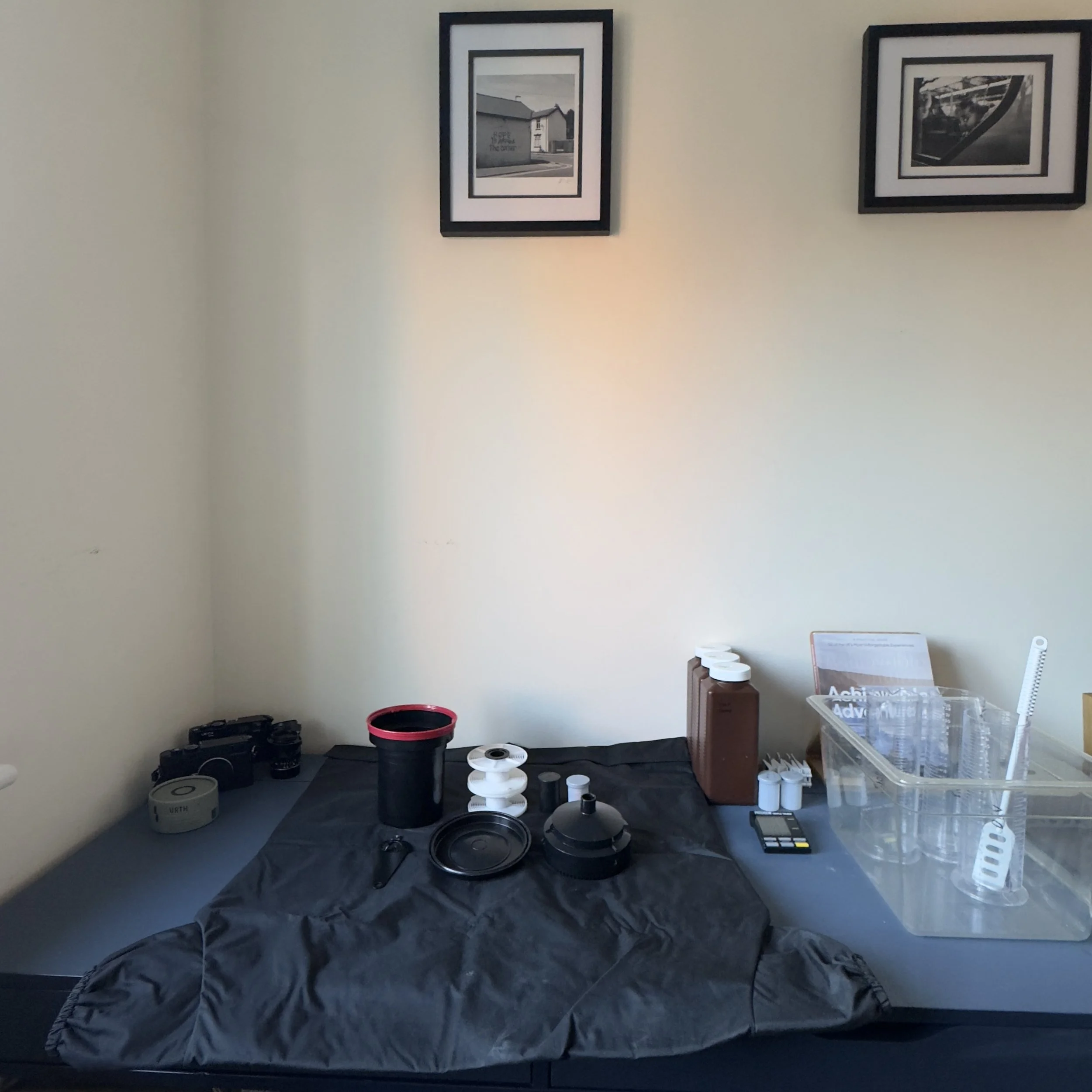
Ready to Develop
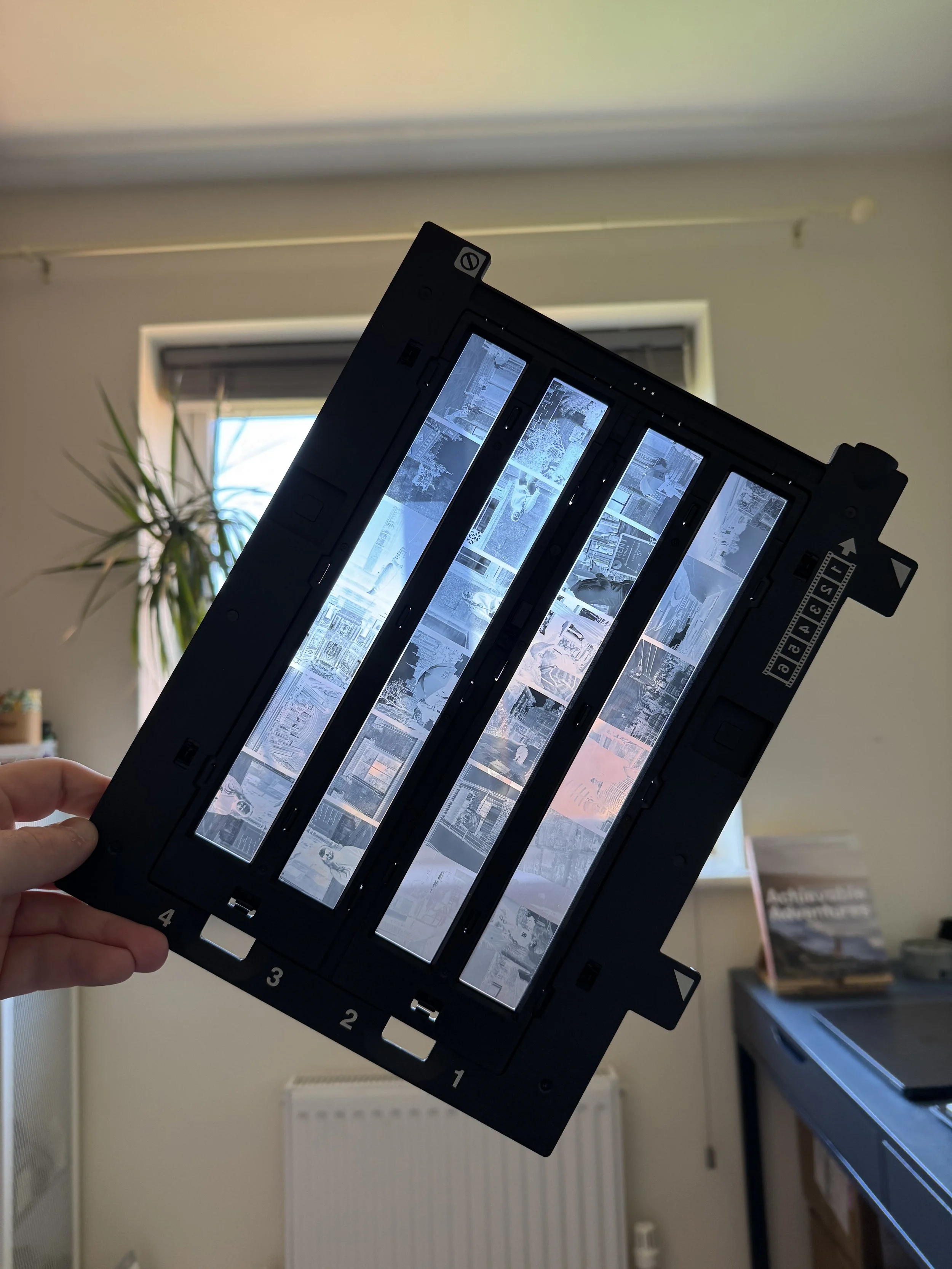
Developed and Ready to Scan
The problem right now is real life.
Blogging around a full-time job, family commitments and everything else that quietly fills a week means the delay that feels romantic in theory starts to feel like a bottleneck in practice. Digital gives me images I can trust, check and publish. In Vatican City, where light is scarce and tripods are banned, I couldn't have shot what I needed on film without worrying I’d not get the image.
I'm not giving up on the M6 despite coming close to selling it in the last few months to fund a trip to the Cook Islands.
I just need to stop letting convenience make the decision for me.
Cornwall and The Commitment
In two weeks I'm in Cornwall, and for the first time in over a year, the M6 will be the main camera.
I'm shooting Kodak Portra 400 and 800 across the coast, coves and harbours. I'm even going to try long exposure shots on film with filters for the first time ever (pray for me) which is exciting because that's something I did regularly on the 5D but have never attempted on film.
I'm also seriously considering taking out the 4x5 large format and committing two frames of Portra 160 at Bedruthan Steps, one with filters for a long exposure timed around the tide. Two sheets of film on a camera that forgives nothing, for a location that deserves that level of attention.
As the 500 Series says, the best camera is the one you'll actually carry. This time, I'm carrying the right one. And loading it before I leave the house.
Do you shoot film alongside digital, or have you fallen into the same convenience trap?
Drop a comment below — I'd love to know. And if you want to follow the Cornwall rolls as they are developed, find me on Instagram @deanomooreo where I'll be sharing results as they come in.